
The best marble table top options for large family dining in the Philippines balance timeless elegance with the practical demands of a busy, multi-generational household. To comfortably accommodate gatherings of 6 to 10 people, a dining table must not only offer ample physical space but also withstand the daily wear of family meals, humid tropical conditions, and local culinary habits. Choosing between authentic natural marble and modern engineered alternatives requires a clear understanding of material characteristics, structural requirements, and long-term maintenance.
Selecting the right surface involves evaluating how your family uses the dining area. While a genuine stone slab provides an irreplaceable aesthetic centerpiece, modern manufacturing has introduced durable alternatives that replicate the look of natural stone while offering superior resistance to daily wear. By assessing your household’s lifestyle, spacing needs, and willingness to perform regular maintenance, you can select a table that remains a beautiful and functional hub for your home.
Natural Marble vs. Sintered Stone: Which Option Fits Your Family?
Genuine natural marble, such as classic white Carrara or dramatic Calacatta, is a metamorphic rock quarried from the earth. Each slab features unique, non-repeating veining patterns that bring an organic, high-end aesthetic to any dining room. However, natural marble is inherently porous and chemically sensitive. It can easily absorb liquids if left unsealed, and it is highly susceptible to chemical etching when exposed to acidic foods or harsh cleaning agents.
Products mentioned in this guide
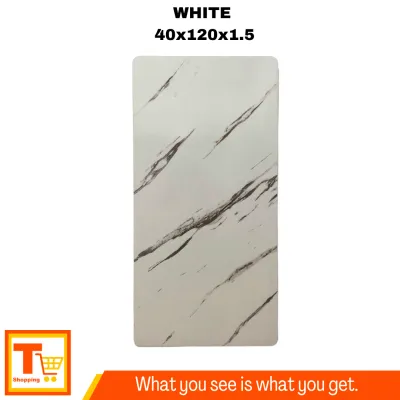
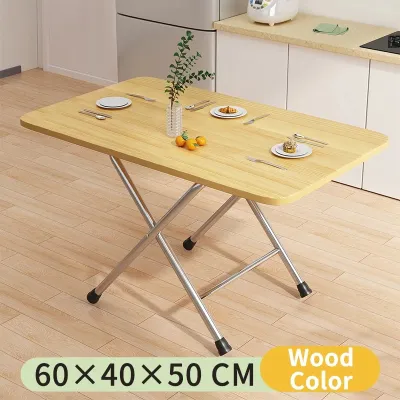
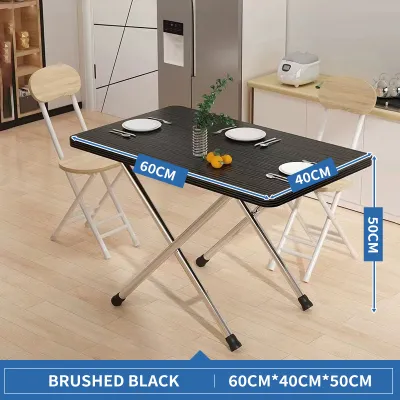
Prices are valid at publication and may change. Please refer to the product page for the latest price.
Sintered stone and large-format porcelain have emerged as highly practical marble-look alternatives. These engineered materials are created by compacting natural minerals under immense pressure and baking them at extremely high temperatures. The resulting slabs are incredibly dense, non-porous, and lightweight compared to thick natural stone. They feature high-definition printed veining that closely mimics the appearance of natural marble while offering exceptional resistance to scratching, staining, and moisture absorption.
When deciding between the two for a large family table, consider your household’s daily lifestyle. A high-traffic home with young children, frequent casual dining, and a busy kitchen will benefit greatly from the low-maintenance durability of sintered stone. If you prioritize the authentic cool touch, deep luster, and prestige of genuine quarried stone—and you are fully prepared to commit to regular sealing and immediate spill cleanup—a sealed natural marble top remains an unmatched luxury.
To ensure you receive exactly what you pay for, always verify material claims on product labels or showroom tags when shopping in the Philippines. Do not rely solely on generic marketing terms like “marble-finish” or “stone-look.” Ask the retailer for the manufacturer’s material specification sheet to confirm whether the table top is 100% natural quarried stone or an engineered sintered ceramic slab. Inspect the edges of the slab; genuine natural stone will show continuous, organic vein patterns running through the entire thickness of the material, whereas some low-quality engineered alternatives only feature a surface-printed pattern.
Dimensions and Shapes for Comfortably Seating 6 to 10 People
Accommodating a large family requires careful calculation of the table’s physical dimensions to ensure everyone can dine comfortably without feeling cramped. For a standard dining setup, each person requires approximately 60 cm to 70 cm of lateral table space to move their arms freely. To comfortably seat six people, a rectangular marble table top should have a minimum length of 180 cm. For eight people, aim for a length of 200 cm to 220 cm, while a gathering of ten diners will require a spacious 240 cm slab.

The width of the table top is equally critical for a comfortable dining experience. A width of 90 cm to 110 cm is ideal, as it leaves sufficient room for individual place settings while preserving a central zone for shared serving platters, rice bowls, and decorative centerpieces. If the table is too narrow, diners will struggle to find space for their glasses and side plates; if it is too wide, passing dishes across the table becomes inconvenient.
Choosing between a rectangular and an oval shape depends heavily on your dining room’s layout and traffic flow. Rectangular stone tops maximize the usable surface area, making them highly efficient for formal dining spaces and traditional room configurations. However, their sharp corners can pose a safety hazard for young children and can obstruct movement in tight spaces. Oval marble tops offer a softer visual profile and eliminate sharp corners, allowing family members to navigate around the table safely while making it easier to squeeze in extra chairs when unexpected guests arrive.
If you require flexible seating options, you may consider an extendable dining table, though stone tops present unique mechanical challenges compared to wood. Because marble and sintered stone are heavy and rigid, extension mechanisms must be exceptionally robust. Look for tables featuring high-quality butterfly extension mechanisms or hidden leaf systems engineered with heavy-duty stainless steel or reinforced aluminum tracks. These systems must operate smoothly without sticking or bending under the substantial weight of the moving stone sections.
Before purchasing, always measure the vertical clearance and the design of the table’s base structure. The thickness of the stone slab, combined with the supporting sub-top (often constructed from plywood or medium-density fiberboard to distribute weight), can create a thick profile. A deep table apron can restrict legroom, particularly for taller family members or when using dining chairs with armrests. Ensure there is a clearance of at least 75 cm from the floor to the underside of the table frame to guarantee comfortable seating.
Base Support and Stability for Heavy Stone Tops
A large marble table top is exceptionally heavy, with a 200 cm natural stone slab often weighing a significant amount depending on its thickness and density. To support this immense weight safely over a wide span, the table must be paired with a highly durable, load-bearing base. Solid hardwoods such as mahogany or tanguile, heavy-duty powder-coated steel frames, and reinforced concrete or stone pedestals are excellent choices. Avoid bases made of thin hollow metal, lightweight plastics, or low-grade manufactured wood, as these materials can bow, sag, or buckle over time under the constant vertical load.
In a bustling household, stability is paramount to prevent serious accidents. Family members, especially children or older adults, may lean heavily on the edges of the table when standing up or sitting down. To prevent dangerous tipping hazards, the table base must feature a wide, stable footprint or a heavily weighted central pedestal. Ensure that the stone top is securely anchored to the sub-frame using high-strength structural adhesives or mechanical fastening brackets recommended by the manufacturer, rather than simply resting on the base by gravity alone.
Protecting your home’s flooring is another crucial consideration when installing a heavy stone table. In the Philippines, common flooring materials like large-format ceramic tiles, polished concrete, or engineered hardwood can easily scratch or crack under concentrated weight. To prevent damage, install heavy-duty felt pads, high-density rubber glides, or adjustable leveling feet beneath the table legs. These protective accessories help distribute the immense weight of the table evenly and allow for minor adjustments on slightly uneven floors, ensuring the table remains perfectly stable.
Maintenance Routines for Tropical Climates and Daily Family Use
Daily family dining in the Philippines involves a variety of vibrant, highly acidic ingredients and condiments that can pose a threat to natural stone. Popular dipping sauces containing calamansi juice, native coconut vinegar, soy sauce, and tomato-rich dishes like menudo or kaldereta can cause immediate chemical damage to an unprotected natural marble table top. If these acidic substances are allowed to pool on the surface, they will chemically react with the calcium carbonate in the marble, leaving dull, cloudy spots known as etching. To prevent permanent damage, establish a household rule to blot spills immediately with a damp cloth rather than wiping them, which can spread the acid across the stone.
The high relative humidity characteristic of the Philippine climate can also impact the longevity of natural stone. High ambient humidity can introduce moisture into the microscopic pores of unsealed marble, potentially leading to deep-seated discoloration or organic growth over time. To safeguard your investment, natural marble must be treated with a high-quality, penetrating stone sealer that creates a water-resistant barrier. You can easily check the integrity of the seal by placing a few drops of water on the table; if the water beads up, the seal is active. If the water quickly absorbs and darkens the stone, it is time to reapply a food-safe sealer.
For daily cleaning, avoid using common household cleaners, generic degreasers, or abrasive scrubbing pads, as these can strip away the protective sealant and scratch the surface. Instead, use a pH-neutral stone cleaner or a mild, highly diluted dishwashing soap paired with a soft microfiber cloth. For stubborn, dried-on food residues, place a warm, damp cloth over the area for a few minutes to soften the debris before gently wiping it away. Never use vinegar, lemon juice, or bleach-based solutions on natural stone.
If you prefer a low-maintenance lifestyle, a sintered stone table top offers a highly practical alternative. Because sintered stone is completely non-porous, it does not require periodic sealing and is entirely resistant to chemical etching from acidic local ingredients. Keeping a sintered stone surface clean requires nothing more than a quick wipe-down with a damp cloth and mild soap, allowing your family to enjoy the elegant look of marble without the demanding maintenance routines required by genuine natural stone.
Sourcing, Delivery, and Pre-Installation Checklist
When sourcing a large marble table top in the Philippines, you can choose between custom stone fabricators and curated furniture showrooms. Custom fabricators allow you to hand-select the exact slab of natural stone from their inventory, giving you complete control over the veining patterns, edge profiles, and precise dimensions. This path is ideal if you want a highly customized piece tailored to your dining room. Curated furniture showrooms offer convenient, ready-made dining sets with pre-matched bases and tops, which simplifies the purchasing process but limits your ability to customize the stone’s natural markings.
Before finalizing your purchase, you must carefully plan the delivery and installation logistics. An oversized stone slab measuring 180 cm to 240 cm is extremely heavy and difficult to maneuver through tight spaces. Measure the width, height, and diagonal clearance of all doorways, hallways, stairwells, and elevator cabins along the delivery path. Ensure there is sufficient space for the delivery team to carry the slab horizontally; tilting a large stone top vertically or carrying it at sharp angles can place extreme stress on the center of the slab, potentially causing it to crack under its own weight before it even reaches your dining room.
Once the table arrives at your home, conduct a meticulous on-site inspection before signing the delivery receipt. Run your hands across the entire surface and along the edges to check for hairline cracks, deep scratches, or minor chipping that may have occurred during transit. Use a spirit level to verify that the table is perfectly level once assembled, as an uneven base can cause uneven weight distribution and place unnecessary stress on the stone top. If your table top consists of multiple joined slabs, inspect the seams to ensure they are tight, smooth, and filled with color-matched epoxy.
Frequently Asked Questions (FAQ)
Can a natural marble top crack under the heat of hot pots?
Yes, natural marble is highly susceptible to thermal shock, which occurs when a cold stone surface is exposed to sudden, extreme heat. Placing a hot pot, serving dish, or pan directly from the stove onto a natural marble table top can cause the stone to expand unevenly, resulting in hairline cracks or permanent damage to the protective sealant. To prevent thermal shock and protect your table, always use thick trivets, heat-resistant pads, or insulated placemats under all hot cookware.
Is it safe to use a marble table outdoors in the Philippines?
Using a natural marble or sintered stone table in an outdoor setting is generally not recommended in the Philippines. The harsh tropical climate, characterized by intense UV radiation, heavy seasonal rainfall, and high humidity, will rapidly degrade protective stone sealants. This leaves natural marble vulnerable to deep organic staining, moisture absorption, and structural weathering. To preserve the beauty, structural integrity, and longevity of your stone furniture, it is best to keep these premium tables in indoor, climate-controlled dining areas.
Community discussion
Share your experience or ask a question. Comments are reviewed before publication.