
Selecting the ideal material for a shoe rack organizer 5 layer system depends entirely on your closet’s humidity levels, the weight of your footwear, and your storage space. In a tropical climate like the Philippines, where high humidity and seasonal moisture are constant challenges, choosing the wrong material can lead to mold growth, warping, or structural failure. To keep your footwear collection organized and protected, you must balance the aesthetic appeal of wood, the heavy-duty durability of metal, the low-maintenance convenience of plastic, and the dust-protective qualities of fabric.
Each material offers distinct advantages and trade-offs in terms of load capacity, ventilation, and ease of cleaning. By evaluating your specific closet environment and shoe collection before purchasing, you can select a 5-tier rack that remains stable, odor-free, and functional for years to come.
Assess Your Closet Space and Shoe Collection First
Before comparing different materials, you must evaluate your closet’s physical environment and the specific demands of your shoe collection. In the Philippines, enclosed walk-in closets or wardrobe cabinets often trap moisture, especially during the monsoon season. If your closet lacks consistent airflow, choosing a material that resists mold and mildew is critical to preventing damage to both the rack and your shoes.
Products mentioned in this guide
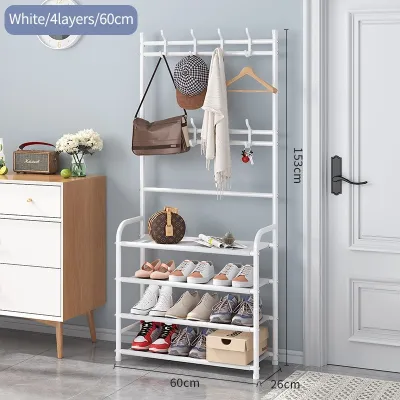
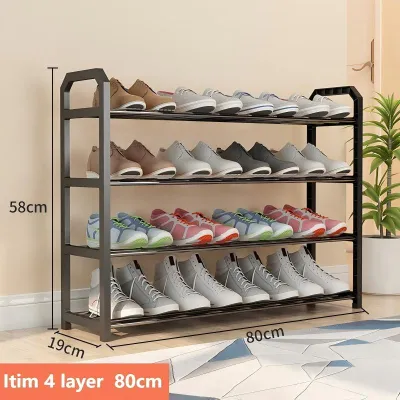
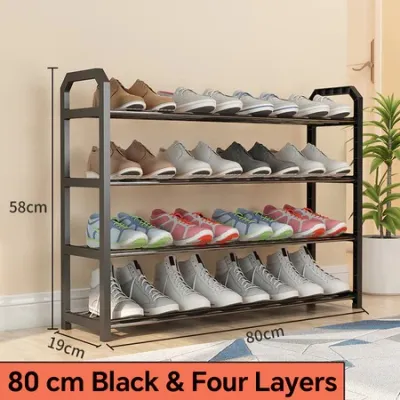
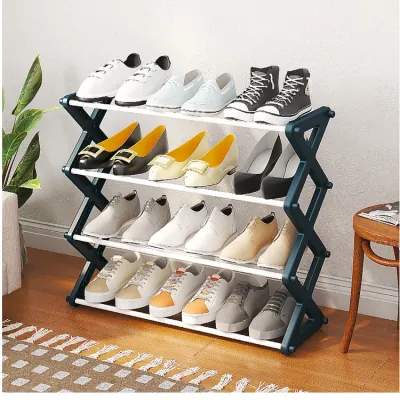
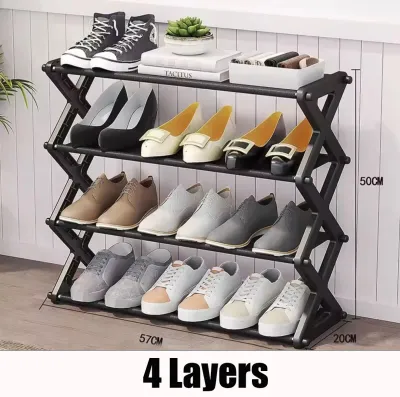
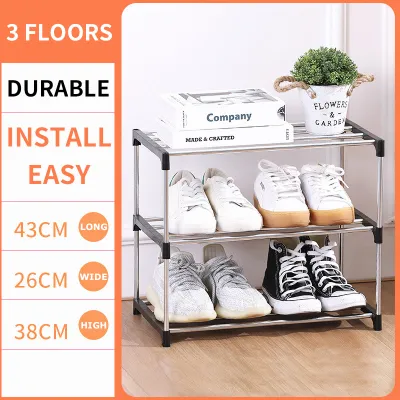
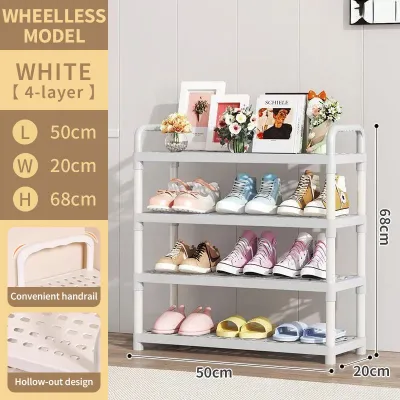
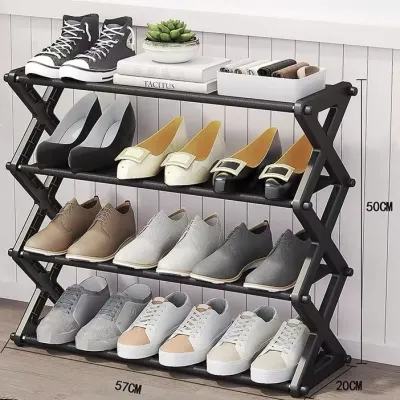
Prices are valid at publication and may change. Please refer to the product page for the latest price.
Next, measure your available floor footprint and ceiling height carefully. A shoe rack organizer 5 layer unit requires a substantial vertical footprint, often standing over a meter tall. You must ensure the width and depth of the unit do not obstruct walkways, block baseboard vents, or prevent sliding or hinged closet doors from closing completely.
Categorizing your footwear collection by weight and size is another essential pre-purchase step. Heavy leather shoes, boots, and thick-soled athletic sneakers exert significant downward force on shelves. A fully loaded 5-tier rack holding fifteen to twenty pairs of heavy footwear requires a rigid, unyielding frame, whereas a collection of light flip-flops, sandals, and canvas flats can rely on lighter, more flexible materials.
Finally, ensure the total height of a 5-tier unit does not interfere with long hanging garments like dresses, trousers, or coats. If the rack is too tall, your clothes will drape over the top shelf, transferring dust and limiting access to both your shoes and your garments. Checking these spatial constraints beforehand prevents installation headaches later.
Comparing Materials for a Shoe Rack Organizer 5 Layer System: Wood, Metal, Plastic, and Fabric
Wood: Aesthetics and Stability
Solid wood or engineered wood options bring a warm, premium, furniture-grade aesthetic to open closets and walk-in wardrobes. They offer excellent natural stability and are highly unlikely to tip over under normal loads due to their heavy base weight, making them a beautiful addition to a well-curated dressing space.

Because wood is naturally porous, you must verify the surface finish before placing it in a closed closet. Check if the manufacturer has applied a complete polyurethane seal, water-resistant varnish, or protective paint to prevent the wood from absorbing ambient moisture or dampness from wet shoes. Untreated or poorly sealed wood can warp, crack, or harbor mold spores when exposed to high humidity.
Additionally, inspect the joint construction of any wooden model you consider; screwed or dowelled joints are far more durable than simple glue joints. Since a 5-layer wooden rack is heavy, check if the legs include rubber or felt floor protectors to prevent scratching your tiles, hardwood, or laminate flooring during installation or repositioning.
Metal: Heavy-Duty and Sleek Profiles
Metal is the gold standard for supporting heavy footwear collections across multiple tiers. It resists bowing, sagging, and warping over years of continuous use, making it the most reliable choice for heavy leather boots, safety shoes, or extensive sneaker collections that would overwhelm lighter materials.
In humid tropical environments, untreated metal will rust quickly. You must check the product specifications for powder-coated, galvanized, or chrome-plated finishes that seal the underlying steel or iron from moisture. These protective coatings ensure the frame remains rust-free even if you store damp shoes after a rainy day.
Before buying, examine the thickness of the metal tubes and the wire gauge of the shelves. Thinner, hollow tubes can bend under pressure, while thick-walled tubes and reinforced wire grids ensure the 5-layer frame remains perfectly rigid under continuous heavy loads. Metal wire shelves also promote excellent airflow around your footwear.
Plastic: Lightweight and Easy to Clean
Plastic shoe racks are highly practical because they are completely waterproof and impervious to mold. Mud, dirt, and water from outdoor shoes can be easily wiped away with a damp cloth or washed off with mild soap without any risk of damaging the material, making plastic a very low-maintenance option.
While plastic is incredibly lightweight and easy to move, it has lower structural rigidity than wood or metal. Under the weight of a fully loaded 5-tier setup, cheaper plastic shelves can sag in the middle, and the entire unit may sway or lean if it is not placed on a perfectly level surface.
To ensure longevity, look for high-density polypropylene (PP) or ABS plastic resins rather than thin, brittle plastics. Verify that the interlocking joints and vertical supports are thick and snap together tightly, which prevents the frame from loosening over time and improves overall lateral stability.
Fabric: Dust Protection for Lighter Footwear
Fabric shoe organizers, which typically feature non-woven fabric shelves stretched over a lightweight metal or plastic pipe frame, often come with zippered covers. This design is exceptional for keeping dust, pet hair, and light out of your shoe collection, especially in open-concept bedrooms or shared spaces.
Fabric shelves rely on tension to hold shoes, meaning they have strict weight capacities. Placing heavy boots or high heels with sharp stiletto tips on fabric shelves can cause the material to tear, sag, or stretch out of shape, making them best suited for lightweight flats, slippers, and sandals.
Check if the fabric panels are water-resistant or removable for hand washing to keep the unit clean. Because a 5-layer fabric rack is extremely light, its center of gravity shifts upward dramatically when loaded with shoes, so you must verify the stability of the frame and ensure the plastic connectors fit securely.
Which Material Works Best for Your Specific Closet?
If your closet is prone to dampness or lacks active airflow, coated metal or high-grade molded plastic is the safest choice. These materials do not absorb moisture, preventing the growth of mold and mildew that can ruin both the rack and your expensive shoes. Avoid untreated wood or fully enclosed fabric covers in these environments, as they trap stagnant, humid air inside and accelerate musty odors.
For those storing heavy leather dress shoes, thick-soled athletic sneakers, or work boots, a reinforced metal frame or solid, sealed wooden rack is essential. These materials provide the structural integrity required to prevent the shelves from bowing and keep the entire 5-tier unit from listing to one side. Avoid thin plastic frames or fabric shelves, which will quickly fail under heavy loads.
When space is at a premium, a slim wire metal rack or a modular, stackable plastic unit is the most efficient choice. Wire metal shelves have a minimal visual footprint, allowing light and air to pass through, which prevents the closet from looking cramped. Stackable plastic cubes can be configured to fit narrow corners, maximizing your vertical storage without wasting valuable floor space.
If you live in a rental property or relocate often, prioritize lightweight plastic or fabric units with simple, tool-free assembly. These organizers can be disassembled in minutes, packed flat into a box, and easily transported to a new home. Their affordable price points—often ranging from budget-friendly options under ‛500 to mid-range modular sets around ‛1,500—make them highly practical for temporary living situations.
What to Verify Before Buying a 5-Tier Shoe Rack
Before making a purchase, measure the exact height, width, and depth of the assembled 5-layer rack and compare it to your closet’s interior dimensions. Ensure there is enough clearance for your closet doors to swing or slide shut completely, and verify that the rack does not block baseboards, electrical outlets, or ventilation grates.
Calculate the approximate weight of the shoes you plan to store. A single pair of leather shoes or boots can weigh between 1 to 1.5 kilograms; a fully loaded 5-tier rack holding 15 pairs could easily carry over 20 kilograms. Compare your estimated total weight with the manufacturer’s specified maximum load capacity per shelf and for the entire unit to prevent structural collapse.
A tall, narrow 5-layer rack can easily become top-heavy once loaded with shoes, presenting a tipping hazard. If you have children or pets in your home, check if the product includes an anti-tip safety kit or wall-anchoring straps. If your manufacturer’s instructions require anchoring to the wall, ensure you have the appropriate tools and wall anchors for your specific wall type (drywall, concrete, or wood) before beginning installation.
Review the assembly instructions and tool requirements before buying, as some metal or wooden racks require specialized screwdrivers or hex keys, while plastic and fabric models usually snap together by hand. Additionally, check if the shelf heights are adjustable; being able to remove a shelf or adjust its height allows you to accommodate tall boots or high heels on the lower tiers while keeping flats on the upper levels.
Frequently Asked Questions (FAQ)
Can I stack two smaller shoe racks to make a 5-layer organizer?
Stacking two separate shoe racks that are not specifically designed for modular expansion poses severe structural and safety risks. Without secure interlocking joints, the upper unit can easily slide off, collapse, or tip over under the weight of your shoes.
You should only stack shoe racks if the manufacturer explicitly states they are modular and provides dedicated stacking pins, interlocking brackets, or wall-tethering hardware. If these safety components are not included, it is highly recommended to purchase a dedicated, purpose-built 5-layer rack to ensure proper weight distribution and stability.
How do I prevent a 5-layer shoe rack from smelling in a closed closet?
The most effective way to prevent odors is to ensure your shoes are completely dry and clean before placing them on the rack. Storing damp shoes in an enclosed closet creates a breeding ground for bacteria and mold, which quickly leads to persistent, unpleasant smells.
To maintain a fresh environment, place active moisture absorbers, activated charcoal bags, or natural cedar blocks directly on the shelves of your organizer. Additionally, choosing open-wire metal or slatted wooden racks over solid plastic or enclosed fabric covers will significantly improve airflow, helping to dissipate moisture and keep odors from becoming trapped.
Community discussion
Share your experience or ask a question. Comments are reviewed before publication.