
Selecting the right furniture for a tropical climate is a major challenge, especially when preparing for the annual monsoon season. When choosing a 5ft table for your patio, garden, or veranda, the material you select directly determines whether your investment survives the relentless downpours or succumbs to rot, rust, and warping. While there is no single perfect material, powder-coated aluminum and high-density polyethylene (HDPE) stand out as the most resilient options for wet climates, while premium hardwoods like teak offer unmatched natural beauty if you are willing to perform regular maintenance.
To make the best decision, you must evaluate how different materials handle constant moisture, understand the construction details that prevent water accumulation, and learn how to position and maintain your furniture to ensure it lasts for years.
How the Rainy Season Affects Your 5ft Table
The Philippine wet season brings a combination of intense heat, high humidity, and torrential rains. This environment creates a harsh cycle of soaking and drying that tests the structural integrity of any outdoor furniture. Rainwater can seep into microscopic cracks, while the persistent humidity prevents surfaces from drying completely, creating an ideal breeding ground for mold, mildew, and fungal rot.
Products mentioned in this guide
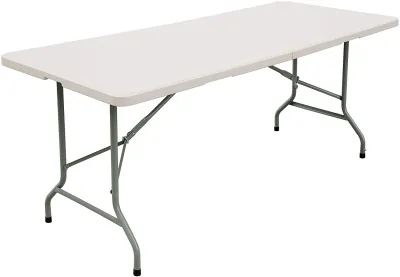
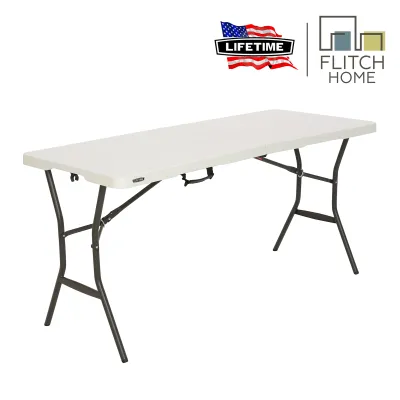
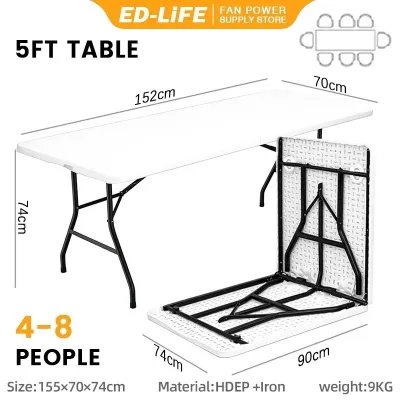
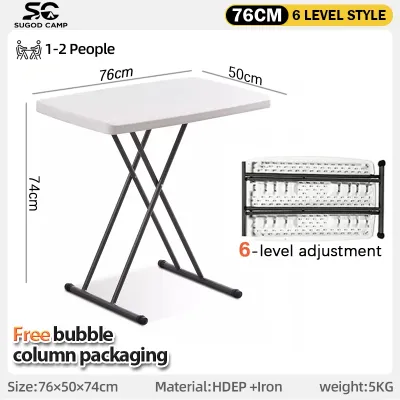
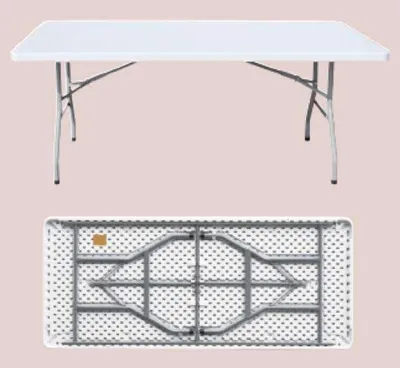
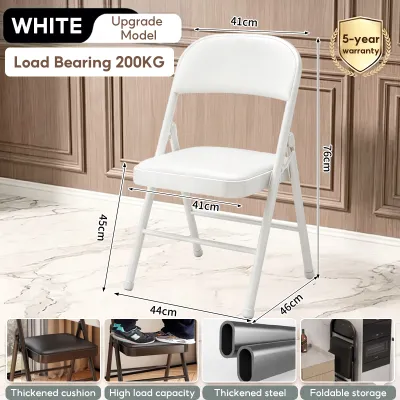
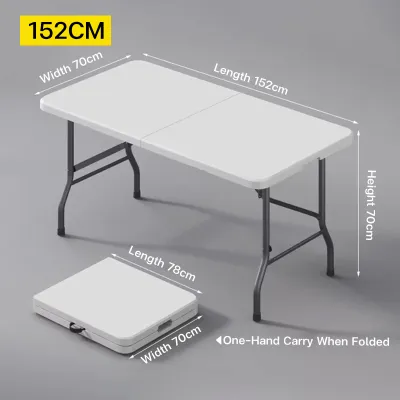
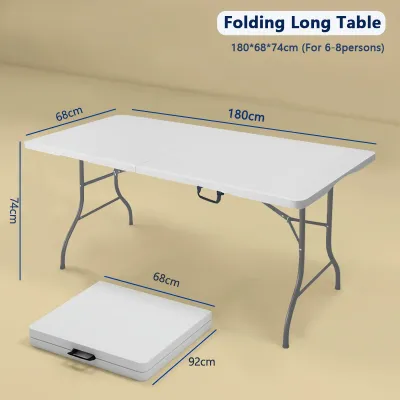
Prices are valid at publication and may change. Please refer to the product page for the latest price.
For a larger piece of furniture, these environmental challenges are amplified. A five-foot surface area catches a significant volume of rainwater. If the table is not perfectly level or lacks proper drainage, water can pool in the center, putting constant downward pressure on the tabletop. Over time, this standing water can degrade protective sealants, penetrate joints, and cause structural sagging or warping.
Furthermore, the weight of pooled water combined with high winds during typhoon season can compromise the table’s stability. If the material is prone to absorbing water, the table will become significantly heavier, putting extra stress on the leg joints and fasteners. Understanding these risks is the first step in selecting a table that can endure the elements year after year.
Key Construction Features to Verify Before Buying
When shopping for outdoor furniture, relying solely on a material’s name is rarely enough to guarantee longevity. To ensure your table can withstand heavy rain, you must inspect specific construction details, finishes, and design elements that prevent water damage.

- Surface Treatments: For metal components, standard liquid paint is highly susceptible to chipping and peeling under tropical sun and rain. Instead, look for electrostatic powder coating, which creates a thick, durable barrier that resists moisture and scratches. For wooden tables, verify if they have been treated with marine-grade varnishes or penetrating sealants designed for high-moisture environments. Synthetic materials should feature UV-stabilized resins to prevent the material from becoming brittle and cracking under intense sunlight before the rains begin.
- Structural Joints: Exposed iron or low-grade steel screws are common failure points; they quickly rust when exposed to moisture, staining the surrounding material and weakening the frame. Prioritize tables with welded joint connections or those utilizing hidden stainless steel or brass hardware. Welded joints eliminate gaps where water can settle, while high-grade fasteners resist corrosion even when continuously wet.
- Design Elements: Solid, continuous tabletops are highly prone to water pooling, especially across a wide 5ft span. Look for slatted designs that allow rainwater to drain freely through the surface. Additionally, check that the frame has a slight, almost imperceptible slope or built-in channels to guide water away from critical joint areas, ensuring the table dries as quickly as possible after a storm.
- Stability and Assembly: A 5ft table must have a stable base to prevent tipping during strong winds. Look for wide-set legs and robust cross-bracing. If you live in an area prone to severe storms, check whether the table frame includes built-in anchoring points or heavy-duty levelers that allow you to secure the feet to your patio deck.
Evaluating Common Materials for Wet Climates
Choosing the right material involves balancing durability, aesthetic appeal, and maintenance requirements. Let’s evaluate the most common materials used for outdoor tables to see how they perform under heavy rain and high humidity.
Natural and Treated Woods
Wooden furniture offers a classic, warm aesthetic, but it requires careful selection and upkeep in tropical environments. Hardwoods such as teak and acacia are popular choices due to their natural density. Teak, in particular, contains natural oils that provide inherent resistance to moisture and insects. However, no wood is entirely waterproof.
During the rainy season, even high-quality wood will absorb some moisture from the air, causing it to expand and contract. Over time, this movement can lead to minor cracking, warping, or joint loosening if the table is not properly maintained. To preserve the wood’s structural integrity and prevent it from turning a weathered silvery-gray, you must apply specialized outdoor wood oils or sealers at least once or twice a year. Always consult the manufacturer’s care instructions before applying any oil, as using the wrong product can trap moisture inside the wood and accelerate rot.
Aluminum and Steel Frames
Metal frames offer exceptional strength and modern styling, but their performance in wet weather depends heavily on the type of metal and its protective finish. Aluminum is naturally highly resistant to rust because it forms a protective oxide layer when exposed to air. This makes powder-coated aluminum one of the best choices for wet climates, as it will not rust even if the protective coating is scratched.
In contrast, steel frames rely entirely on their outer coating for protection. Carbon steel is incredibly strong and provides excellent stability for a 5ft table, but if the powder coating chips or scratches, moisture will quickly reach the underlying metal, leading to rapid rust and structural failure. If you choose steel, you must regularly inspect the frame for chips and touch them up immediately. Additionally, consider the weight: while heavy steel tables stay firmly in place during windy storms, lightweight aluminum tables may require anchoring or moving to a sheltered area during typhoon warnings.
Synthetic Resin and Wicker
Synthetic materials, such as high-density polyethylene (HDPE) and resin wicker, offer excellent moisture resistance because they do not absorb water, rot, or rust. High-quality HDPE tables are solid, heavy, and highly durable, making them an excellent choice for uncovered patios exposed to heavy downpours.
However, when purchasing a resin wicker or synthetic table, you must look beyond the outer surface. The longevity of these tables is dictated by their internal support frames. A 5ft span requires robust structural support to prevent the tabletop from sagging under its own weight or the weight of accumulated rainwater. Ensure the table features a reinforced aluminum or powder-coated steel sub-frame beneath the synthetic exterior. Avoid cheap PVC-based plastics, which degrade quickly under tropical UV rays and can warp or crack under the weight of heavy rains.
Strategic Placement and Clearance for a 5ft Footprint
A 5ft table occupies a substantial footprint, requiring careful planning regarding placement and clearance to minimize water exposure and ensure safety. Proper placement not only extends the lifespan of your furniture but also makes your outdoor space more functional during the wet months.
First, ensure there is adequate clearance around the table. Maintaining at least three to four feet of open space on all sides allows for optimal airflow, which is essential for drying the table and preventing mold growth on the surrounding patio. Avoid squeezing a large table into tight, enclosed corners where damp air can stagnate.
Next, consider the overhead environment. Avoid placing your table directly under roof eaves without gutters, as the concentrated runoff can batter the tabletop and strip away protective finishes. Similarly, avoid placing the table directly under trees; dripping leaves, falling twigs, and bird droppings trap moisture against the surface and can cause permanent staining or mold colonization. Instead, position the table on a slightly elevated, well-draining section of your patio or deck where water cannot pool around the legs.
Finally, keep logistical access in mind. Before purchasing, measure your doorways, hallways, and lift access. In the event of a severe typhoon, you may need to move the table indoors or to a fully sheltered area. Ensuring the table can easily pass through your entryways prevents frantic struggles when a storm approaches. If indoor storage space is limited, look for tables with easily removable legs or foldable designs that can be stored flat.
Essential Maintenance to Protect Your Table in the Rain
Even the most durable outdoor materials require active maintenance to survive consecutive months of heavy rain. Implementing a simple, regular care routine will protect your investment and prevent premature wear.
Start with regular cleaning. During the rainy season, wet leaves, dust, and organic debris can accumulate on the tabletop. If left unchecked, this debris traps moisture against the surface, creating a perfect environment for mold and mildew. Wipe down the table weekly with a soft cloth and clean water to remove any buildup.
Using protective covers is highly recommended, but you must choose the right type. Avoid cheap, non-breathable plastic tarps, which trap humidity underneath and create a greenhouse effect that accelerates mold growth, wood rot, and metal corrosion. Instead, invest in high-quality, breathable, water-resistant covers designed specifically for outdoor furniture. These covers allow trapped moisture to escape while preventing rainwater from soaking the table.
Regularly inspect the table’s hardware and joints. The constant moisture and temperature fluctuations can cause screws to loosen or metal joints to show early signs of rust. Tighten any loose fittings and inspect the frame for chips in the protective coating. If you notice minor rust spots on steel frames, gently sand the area and apply a rust-inhibiting touch-up paint.
Lastly, always prioritize safety and material integrity by checking the manufacturer’s care label before applying any chemical cleaners, sealants, or protective oils. Different finishes require specific care, and using incompatible products can strip away protective coatings or void your warranty.
Frequently Asked Questions (FAQ)
Is it safe to leave a 5ft outdoor table uncovered during light rain?
While high-quality outdoor tables can withstand occasional light rain, leaving them uncovered long-term is not recommended. Continuous exposure to moisture, even in small amounts, accelerates the wear of protective finishes and increases the frequency of required maintenance. Using a breathable, waterproof cover when the table is not in use is the best way to ensure long-term durability and minimize cleaning efforts.
How do I remove mold from my outdoor table after the rainy season?
To safely remove mold and mildew, start by wiping the surface with a soft cloth or sponge using a mixture of mild dish soap and warm water. For stubborn spots on wood or resin, consult the manufacturer’s care instructions before using stronger solutions. Avoid using harsh bleach, ammonia, or highly abrasive scrubbing pads, as these can permanently damage protective powder coatings, bleach natural wood fibers, or scratch synthetic resins.
Community discussion
Share your experience or ask a question. Comments are reviewed before publication.