
The best materials for a camping table with grill during the rainy season are those that inherently resist rust and dry rapidly, such as high-grade anodized aluminum and food-grade stainless steel.
The Philippine rainy season brings relentless downpours and persistent relative humidity that frequently hovers near 90%. When camping in wet regions, your gear faces not just pure rainwater, but also acidic mud, organic debris, and rapid temperature shifts from midday heat to cool evening showers.
Standard indoor or dry-season camping tables rely on thin, untreated steel frames or cheap fiberboard tops. These materials quickly trap moisture in hollow frame tubes, leading to bubbling paint and hidden rust that compromises structural integrity.
Products mentioned in this guide
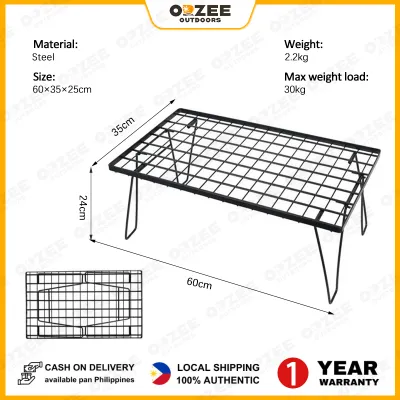
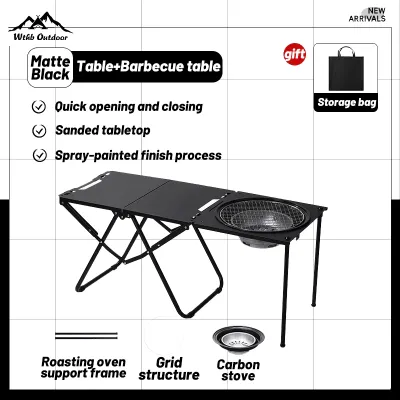
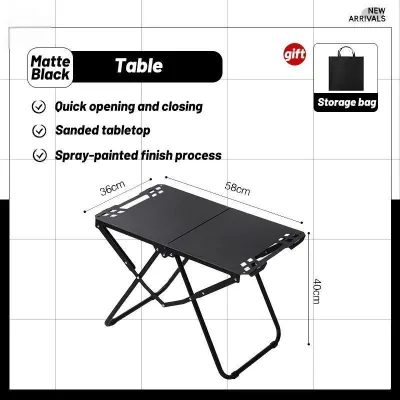
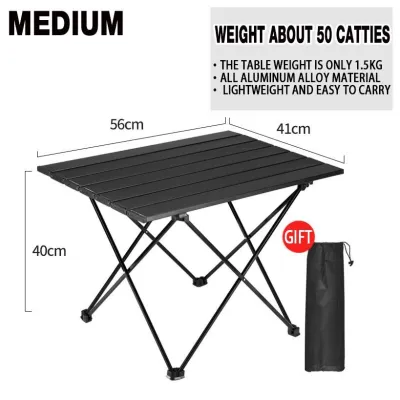
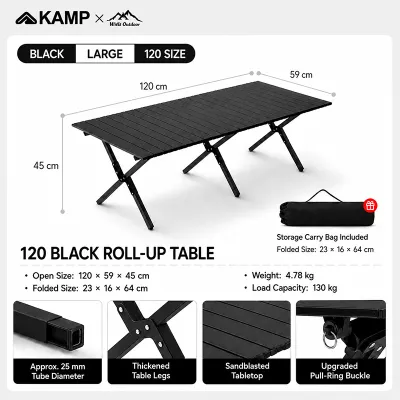
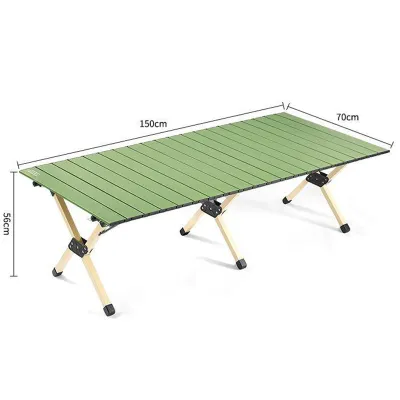
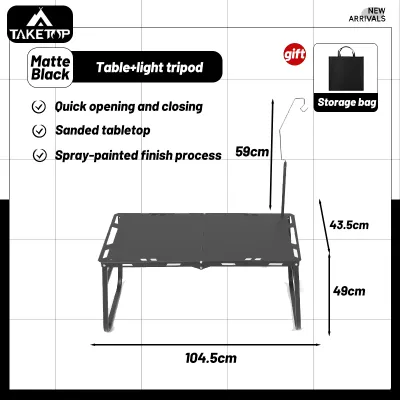
Prices are valid at publication and may change. Please refer to the product page for the latest price.
To choose a reliable table, you must assess four key dimensions: rust resistance, drying speed, structural stability on rain-softened ground, and the ease of cleaning off sticky mud and grease.
Comparing Frame Materials for Moisture Resistance
The frame is the backbone of your outdoor kitchen, bearing the weight of the grill, fuel, and heavy cookware while resisting constant moisture.
Aluminum Alloys
Aluminum is naturally highly resistant to rust because it forms a protective oxide layer when exposed to air. This makes it an exceptional choice for the humid Philippine climate, where moisture is constant.
However, aluminum is not entirely immune to corrosion; it can develop white oxidation spots if left wet for extended periods. To prevent this, check the manufacturer’s specifications for anodized or powder-coated finishes, which provide an extra barrier against environmental wear.
The lightweight nature of aluminum is a major practical advantage when navigating muddy, slippery campsites. Transporting your gear from the vehicle to the campsite becomes significantly easier, reducing the risk of slips and drops.
Stainless Steel
Stainless steel is renowned for its strength and heat tolerance, but the term “stainless” is a misnomer. It can still develop pits and surface rust when subjected to continuous moisture, acidic food spills, or salty coastal air.
When purchasing, verify whether the manufacturer specifies food-grade (such as 304) or marine-grade (316) stainless steel. Lower-tier steel alloys contain higher iron content and less chromium, making them highly susceptible to rust spotting after a single rainy weekend.
The primary trade-off with stainless steel is its weight. While a heavy table offers excellent stability against strong monsoon winds, it requires substantial physical effort to transport across wet, muddy terrain.
Powder-Coated or Galvanized Steel
Powder-coated or galvanized carbon steel tables offer a more budget-friendly entry point. These tables rely on an external protective layer—either a baked-on polymer powder or a zinc coating—to seal the underlying steel away from oxygen and moisture.
The critical vulnerability of these materials lies in their susceptibility to physical damage. Scratches from transport, chips from dropped cooking utensils, or friction at the folding joints will inevitably expose the raw carbon steel beneath, triggering rapid rust during the wet season.
Before buying a coated steel table, use this inspection checklist:
- Weld quality: Ensure welds are smooth and fully coated, without pinholes where water can seep in.
- Joint protection: Verify that folding joints have protective washers or sleeves to prevent metal-on-metal friction.
- Coating thickness: Look for a thick, textured powder coat rather than a thin, painted layer that easily flakes.
Evaluating Grill Grate and Tabletop Materials
The cooking surface and preparation areas demand even greater scrutiny because they interact directly with high heat, acidic foods, and direct rainfall.

Grill Grate Options
Stainless steel grill grates are highly recommended for rainy season camping due to their straightforward maintenance and natural resistance to corrosion. Ensure you verify the steel grade, as high-quality grates will resist warping under high heat and won’t rust when scrubbed clean in damp conditions.
Cast iron grates provide exceptional heat retention and a superior cooking surface, but they present a severe rust risk during the wet season. If you choose cast iron, you must commit to drying and oiling the grate immediately after every use; leaving it exposed to damp night air for even a few hours can result in a thick layer of orange rust.
Porcelain-enameled or ceramic-coated grates offer an excellent middle ground, combining the heat retention of underlying metal with a smooth, moisture-resistant barrier. However, you must handle them carefully, as metal scrapers can chip the enamel, exposing the metal underneath to rapid rust.
Tabletop and Side Shelf Surfaces
When comparing tabletop designs, rigid surfaces like aluminum roll-tops or stainless steel panels outperform flexible fabric options. Rigid surfaces are easy to wipe dry and can handle hot pots directly from the grill without damage.
Water accumulation is a major hazard during sudden tropical downpours. Look for slatted tabletop designs or panels with integrated drainage holes that allow rainwater to pass through easily, preventing water from pooling around your cooking gear.
Many camping tables feature synthetic fabric side shelves or hanging storage organizers. While convenient in dry weather, these fabrics trap moisture, dry slowly, and quickly become breeding grounds for mold and mildew in high humidity; prioritize rigid, detachable side shelves that can be dried and packed separately.
Structural Features for Rainy Season Camping
Beyond material composition, the physical design of your camping table determines how well it performs on wet, unstable ground.
Rain-softened soil can turn a stable campsite into a muddy hazard. To prevent your table from tilting or sinking under the weight of a hot grill, look for models equipped with wide, articulating mud feet or adjustable leg caps that distribute weight evenly.
Folding mechanisms are common points of failure in wet weather. Avoid tables with highly complex, multi-jointed hinges or hollow, uncapped frame tubes, as these design elements trap rainwater internally, causing the frame to rust from the inside out where you cannot see it.
Opt for modular designs with easily detachable components, such as removable grill grates, wind shields, and side tables. This modularity allows you to break the table down completely after a trip, making it much easier to dry every nook and cranny thoroughly.
Always check the manufacturer’s specified weight capacity before loading the table. A frame that is stable on a flat showroom floor may buckle or tip on uneven, muddy terrain when loaded with heavy cast iron pans, fuel canisters, and food prep items.
Maintenance and Storage After Wet Weather Use
To extend the lifespan of your camping table with grill, a disciplined post-trip maintenance routine is essential, especially after exposure to heavy rain.
Begin by wiping down all surfaces with a clean, dry microfiber cloth immediately after breaking camp. Once home, fully disassemble all removable components and lay them out in a shaded, well-ventilated indoor area to air-dry completely before packing them into storage bags.
Before drying, thoroughly clean off all mud, tree sap, and acidic food residues like vinegar or citrus juices. These substances can slowly eat through protective powder coatings and anodized finishes if left unchecked. Use a mild dish soap and warm water, avoiding harsh abrasive cleaners.
For any cast iron or raw carbon steel components, apply a thin, even layer of food-safe mineral oil or vegetable oil after they are completely dry. This simple step creates a hydrophobic barrier that shields the metal from ambient moisture during storage.
Store your camping table in a dry, climate-controlled indoor space rather than a damp garage, outdoor shed, or laundry area. High ambient humidity in enclosed, unventilated spaces can trigger oxidation even if the table was dried before storage.
Frequently Asked Questions (FAQ)
Can I leave the camping table outside during light rain?
While high-quality anodized aluminum or premium stainless steel tables can withstand brief exposure to light rain, leaving any camping table uncovered outdoors is not recommended. Continuous moisture exposure allows water to pool in crevices, accelerating the degradation of protective coatings and promoting rust at folding joints. Whenever possible, place the table under a tarp, canopy, or tent, or use a fitted waterproof cover when the grill is cold.
How do I safely remove early signs of rust from the frame?
If you notice early pinpoint rust on a steel frame, address it immediately to prevent it from spreading. Use a soft-bristled brush or a non-abrasive nylon pad along with mild soap and warm water to gently scrub away the surface rust. Avoid using harsh chemical rust removes or stiff wire brushes, as these will scratch and strip the surrounding protective powder coating or galvanization; always consult the manufacturer’s care instructions for recommended touch-up paints or protective treatments.
Community discussion
Share your experience or ask a question. Comments are reviewed before publication.