
When searching for a “duyan for adult makapal” (thick adult hammock) that can withstand the demanding Philippine climate, the key lies in understanding that true durability comes from high-density, weather-resistant materials rather than mere physical bulk. For outdoor balcony or garden use, the best materials are high-quality synthetics like polyester or olefin, which offer the ideal balance of breathability, structural strength, and resistance to tropical humidity.
What Makes an Adult Duyan "Makapal" and Durable?
In the local market, the term “makapal” is often used to describe a hammock that feels sturdy, safe, and premium. However, physical thickness alone can be misleading. A thick fabric that lacks structural density will stretch, sag, and eventually tear under an adult’s weight. True durability is a combination of fabric density, tight weave construction, and high-tensile fibers.
To ensure safety for adult use, look for high-density fabrics measured by a high grams per square meter (GSM) rating or a high denier count in synthetic threads. Double-layered fabrics or intricate, tight macrame weaves are excellent because they distribute an adult’s weight evenly across the entire surface area. This even distribution prevents localized stress points that could lead to sudden tearing, while also keeping the duyan from sagging too low to the ground.
Products mentioned in this guide
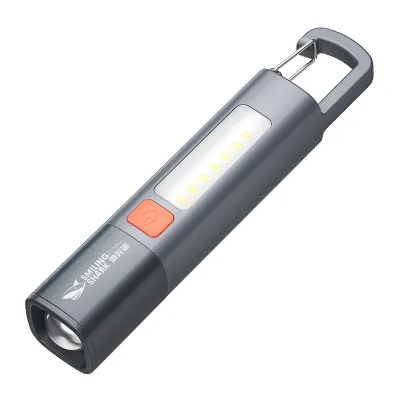
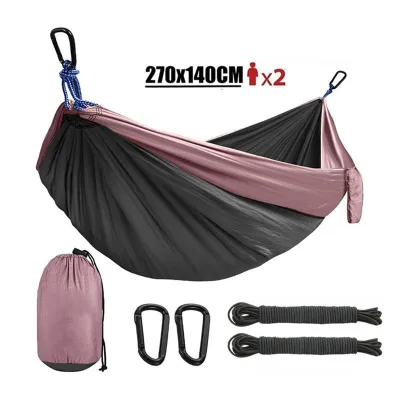
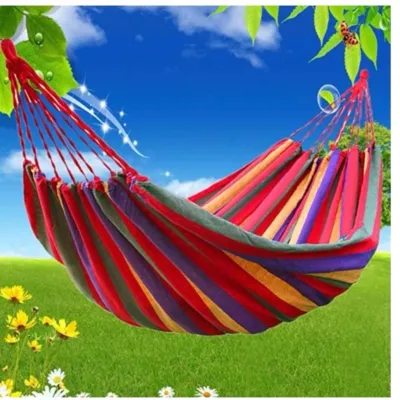
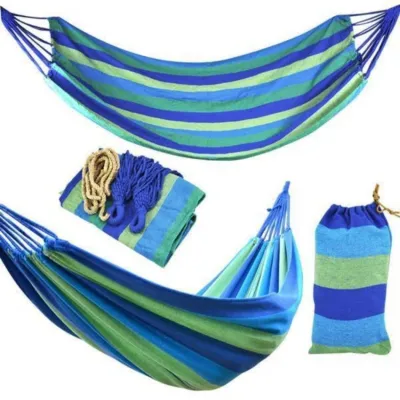
![[BAZZAR] Portable Cotton Rope Outdoor Hammock Duyan](https://img.lazcdn.com/g/p/b19a47f5cfbe15c149ec7e1699df4a1a.jpg_400x400q80.jpg_.webp)
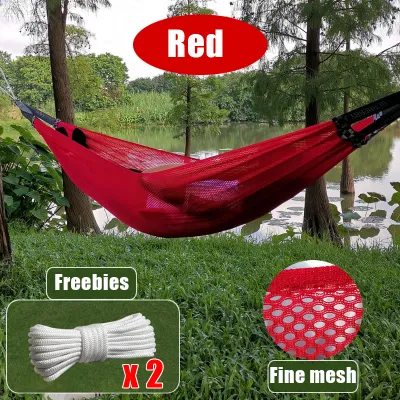
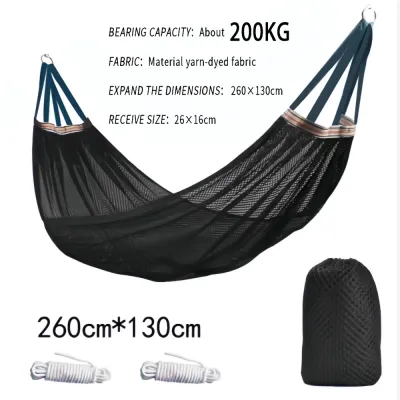
Prices are valid at publication and may change. Please refer to the product page for the latest price.
Suspension points bear the highest concentration of stress when in use. A high-quality, durable duyan features heavy-duty gathering strings made of multi-ply braided synthetic fibers. These strings must converge into reinforced end loops, which are often wrapped in protective fabric sleeves or metal thimbles to prevent friction wear. Without these reinforced points, even the thickest fabric will eventually fail at the ends.
It is also essential to distinguish between a heavy, heat-trapping thickness and a structurally strong, breathable density. In a tropical climate, a thick, non-breathable fabric can quickly become uncomfortable by trapping body heat and sweat. The ideal adult duyan achieves its strength through high-tensile fibers and tight, engineered weaves that allow for subtle airflow, keeping you cool during hot afternoons.
Top Materials for Philippine Tropical Weather
Choosing the right material for an outdoor duyan requires a careful evaluation of how different fabrics interact with the local climate. The weather in the Philippines is characterized by intense heat, high relative humidity, sudden heavy downpours, and strong UV exposure. These environmental factors can rapidly degrade inferior materials, leading to fading, mold growth, and structural rot.

Synthetic Fabrics (Polyester, Nylon, and Olefin)
Synthetic fabrics are highly recommended for outdoor use due to their exceptional resistance to environmental degradation. Polyester is a popular choice because it is inherently hydrophobic, meaning it absorbs very little moisture. When caught in a sudden tropical rain shower, a polyester duyan will dry much faster than one made of natural fibers, significantly reducing the risk of mold and mildew development.
Olefin, also known as polypropylene, is another top-tier synthetic material for outdoor furniture. It is highly valued for its outstanding UV resistance and colorfastness. Because olefin fibers are typically solution-dyed—where the pigment is added directly to the polymer before the fibers are extruded—the color runs through the entire thread. This makes olefin highly resistant to fading under the intense sun, ensuring that your duyan maintains its aesthetic appeal for years.
Nylon is exceptionally strong and lightweight, making it the standard material for portable or camping hammocks. While it is highly durable, nylon can stretch more than polyester when wet, and it is generally more susceptible to UV degradation unless treated with specific UV inhibitors. To mitigate the lower breathability often associated with synthetic fabrics, modern manufacturers utilize specialized open-loop weaves or breathable performance textures that allow air to circulate freely.
Natural and Blended Fabrics (Canvas and Treated Cotton)
Natural cotton canvas remains a favorite for many due to its unmatched comfort and classic aesthetic. Cotton fibers are incredibly soft against the skin, static-free, and highly breathable, making them exceptionally comfortable for lounging. A thick cotton canvas duyan molds perfectly to the body, providing a cozy, supportive cradle that is highly appealing for covered patio use.
However, untreated natural cotton has significant limitations when exposed to the elements. Cotton is highly absorbent, drawing in moisture from the humid air and rain like a sponge. In a humid climate, a damp cotton hammock that does not dry quickly will rapidly develop unsightly black mold, mildew, and a musty odor. Over time, this moisture retention leads to rot, which severely compromises the tensile strength of the fibers.
If you prefer the natural feel of cotton but want to use your duyan in an outdoor balcony or garden, look for weather-treated canvas or poly-cotton blends. These fabrics are engineered to combine the soft, breathable qualities of cotton with the quick-drying, mildew-resistant properties of polyester. Some high-end options feature solution-dyed acrylic or treated cotton that has been coated with water-repellent and UV-resistant finishes.
Rope and Netting Materials
Rope and netting duyans offer the ultimate in breathability, making them highly suitable for hot and humid environments. Because they consist of an open weave, they allow wind to pass through completely, preventing any heat retention. When selecting a rope duyan, the choice of rope material is critical to its longevity and safety.
Synthetic ropes, such as those made from polyester or polypropylene, are far superior to natural cotton or jute ropes for outdoor applications. Synthetic ropes do not absorb water, resist rot and mildew, and maintain their strength when wet. Polypropylene ropes are also lightweight, though polyester ropes generally offer better UV resistance and a softer texture that feels more comfortable against the skin.
The physical dimensions and construction of the rope directly affect both the “makapal” feel and the overall weight capacity of the duyan. Look for ropes that are thick (typically 6mm to 8mm in diameter) and feature a multi-ply, tight braid rather than a loose twist. A tightly braided rope distributes the user’s weight more evenly across the netting, preventing the ropes from digging uncomfortably into your skin.
Materials to Avoid for Outdoor Balcony and Garden Use
To ensure your outdoor lounging remains safe and enjoyable, it is crucial to know which materials to avoid when purchasing a duyan for your balcony or garden. Many hammocks sold on online marketplaces are designed primarily for temporary indoor use or dry, temperate climates, and they will quickly fail under harsh tropical conditions.
First, avoid untreated, pure natural fibers such as raw jute, hemp, or thin, untreated cotton. While these materials offer a rustic, bohemian look, they act as moisture traps in high-humidity environments. Without specialized weather-resistant treatments, these fibers will absorb ambient humidity and rainwater, leading to internal rot that is often invisible from the outside. A duyan suffering from internal rot can snap unexpectedly under an adult’s weight.
Second, steer clear of thin, single-layer synthetic meshes. While they are often marketed as lightweight and highly breathable, many cheap mesh hammocks lack proper UV stabilizers. Under the intense sun, these thin plastic fibers degrade rapidly, becoming brittle and losing their tensile strength within a few months. A simple snag from a zipper or a button can cause a sudden, catastrophic tear in a UV-weakened mesh hammock.
Finally, pay close attention to the hardware and suspension components. Avoid any duyan that includes cheap, uncoated iron, standard carbon steel, or non-stainless metal hardware such as S-hooks, chains, and carabiners. High humidity and frequent rain will cause these metals to rust rapidly. Rust not only leaves permanent stains on your hammock fabric but also structurally corrodes the metal, leading to sudden failures under tension.
How to Verify Quality and Weight Capacity Before Buying
When shopping for an adult duyan, you should perform a thorough physical or visual inspection to ensure the product meets high safety and durability standards. Relying solely on product photos or generic descriptions on ecommerce platforms can be risky, as visual thickness does not always equate to structural strength.
- Stitching and Loops: Begin by inspecting the gathering loops at both ends of the duyan. This is the primary point of tension. Look for dense, multi-row bartack stitching or tightly wrapped, heavy-duty bindings that secure the gathering strings. The stitching should be neat, with no loose threads or uneven tension. The loops themselves should ideally be reinforced with a metal thimble or a thick, abrasion-resistant fabric sleeve to prevent the suspension ropes or carabiners from directly rubbing against and fraying the hammock's structural fibers.
- Spreader Bars: If you prefer a duyan with wooden spreader bars, which keep the hammock bed flat and open, inspect the wood carefully. The spreader bar should be made of a dense, weather-resistant hardwood and finished with a smooth, protective varnish. Check for any deep cracks, knots, or splits, especially around the holes drilled for the ropes. The holes must be perfectly smooth and countersunk or fitted with plastic or metal grommets to prevent rope chafing.
- Weight Capacity: Never assume a duyan's weight capacity based on its physical thickness or visual size. Always look for the manufacturer's official, certified weight limit, which should be clearly stated in the product specifications. For a safe adult duyan, a single-person model should have a certified weight capacity of at least 150 kg (approximately 330 lbs). If you plan to share the hammock, look for double-sized models with a capacity of 200 kg to 250 kg.
- Hardware Check: Examine all included hanging hardware, such as carabiners, S-hooks, chains, and tree straps. High-quality outdoor hardware should be made of rust-resistant materials, specifically grade 304 or 316 stainless steel, or hot-dip galvanized steel. Verify that the carabiners are heavy-duty and feature a secure locking mechanism, such as a screw-gate, to prevent the gate from accidentally opening under load.
Maintenance Tips for Outdoor Duyans in Humid Climates
To maximize the lifespan of your outdoor duyan and ensure it remains safe and comfortable, implementing a regular maintenance routine is essential. Even the most durable, weather-resistant synthetic materials require proper care to combat the effects of tropical humidity, dust, and intense sunlight.
- Routine Cleaning: Dust, pollen, sweat, and body oils can accumulate on your duyan over time, creating a nutrient source for mold and mildew. Clean your duyan every few months using a mild liquid soap or dishwashing detergent mixed with lukewarm water. Gently scrub the fabric or ropes with a soft-bristled brush to remove dirt without damaging the fibers. Avoid using harsh chemicals, chlorine bleach, or high-pressure washers, which can break down synthetic fibers and strip away UV-resistant coatings.
- Drying and Storage: After washing your duyan, or after a heavy downpour, it is critical to allow it to air-dry completely before folding or storing it. Hang the duyan in a well-ventilated area, preferably in direct sunlight, until every part—including the thick gathering strings and end loops—is thoroughly dry. Storing an even slightly damp hammock traps moisture, leading to rapid mildew growth, stubborn black stains, and foul odors.
- Weather Protection: Although high-quality synthetic duyans are designed for outdoor use, continuous exposure to extreme weather will accelerate their degradation. During the intense monsoon season, or when typhoons bring prolonged heavy rains and high winds, take your duyan down and store it indoors. Similarly, if you plan to leave your balcony or garden unused for several weeks, storing the duyan in a dry, dark closet will protect it from unnecessary UV exposure.
- Regular Inspection: Perform a quick safety check before every use, and a thorough inspection once a month. Examine the fabric and ropes for signs of UV damage, such as fading, stiffness, or a powdery texture when rubbed. Check the stitching for any signs of unraveling, and inspect the metal hardware for rust or wear. If you detect any fraying ropes, torn stitching, cracked wood, or corroded metal, stop using the duyan immediately.
Frequently Asked Questions (FAQ)
Can I leave my duyan outside all year round in the Philippines?
While high-quality synthetic duyans made of polyester or olefin are designed to withstand outdoor elements, leaving them outside continuously all year round is not recommended. The combination of intense tropical UV radiation, high humidity, and heavy monsoon rains will accelerate the aging process of any material. Over time, constant exposure causes synthetic fibers to become brittle, colors to fade, and mold to develop on accumulated dirt. To maximize the lifespan of your duyan, it is best to take it down and store it in a dry, covered area when not in use, especially during the wet season from June to November.
How do I safely clean mold off an outdoor hammock?
If your duyan has developed mold or mildew, you can clean it safely without damaging the fabric. First, check the manufacturer’s care label for specific instructions. If allowed, take the duyan outdoors and use a dry, soft-bristled brush to gently sweep away loose mold spores. Next, mix a mild cleaning solution using warm water and a small amount of dishwashing liquid, or a diluted white vinegar solution (one part white vinegar to four parts water), which naturally kills mold spores. Gently scrub the affected areas with a sponge or soft brush, then rinse thoroughly with clean water. Hang the duyan in direct sunlight to dry completely, as UV rays help naturally sanitize the fabric. Avoid using chlorine bleach, as it can weaken synthetic fibers and ruin the fabric’s color.
Community discussion
Share your experience or ask a question. Comments are reviewed before publication.