
Selecting the right outdoor bar table with chair set for a Philippine home requires a careful look at materials. The combination of intense tropical sun, high humidity, and heavy monsoon rains can quickly destroy poorly chosen furniture. To ensure your investment survives these harsh conditions, you must focus on materials that naturally resist moisture, rust, and UV degradation.
While no material is completely maintenance-free, powder-coated aluminum, marine-grade stainless steel, and naturally oil-rich hardwoods like teak offer the highest level of durability in tropical climates. However, the base material is only half the story. The quality of the protective finish, the type of hardware used, and the overall construction details are just as critical in determining whether your bar set will last for years or deteriorate in a single wet season.
How the Philippine Climate Affects Outdoor Furniture
To make an informed decision, it helps to understand how the local climate actively degrades outdoor furniture. The Philippines experiences a distinct tropical climate marked by high temperatures, high humidity, and abundant rainfall. These elements work together to accelerate the wear and tear of any material left outdoors.
Products mentioned in this guide
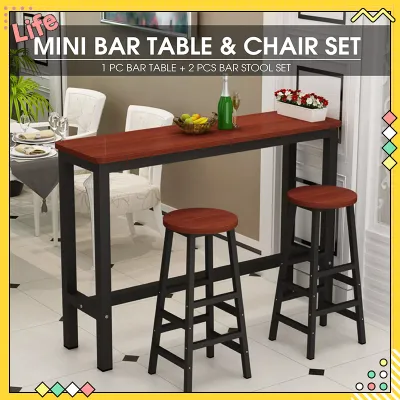
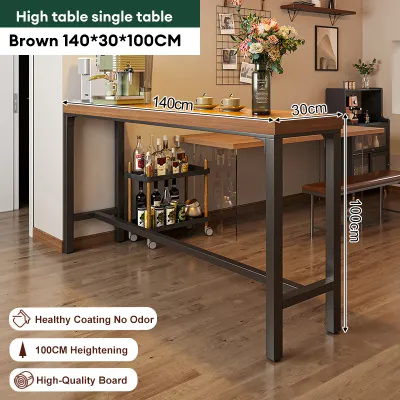
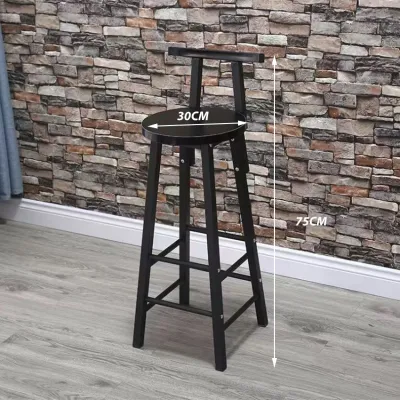
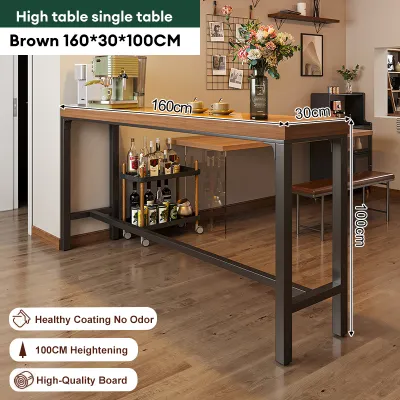
Prices are valid at publication and may change. Please refer to the product page for the latest price.
High humidity and frequent rain create a near-constant state of moisture exposure. When water penetrates unprotected surfaces, it initiates chemical and biological breakdowns. In untreated metals, this leads to rapid rust and oxidation. In softwoods, trapped moisture causes rot, warping, and structural softening. Furthermore, damp surfaces become breeding grounds for mold, mildew, and fungi, which can ruin cushions and woven fibers.
Intense UV exposure from the tropical sun is equally destructive. Ultraviolet rays break down the molecular bonds in plastics, resins, and paints. Over time, this chemical degradation causes vibrant colors to fade, makes synthetic materials brittle and prone to cracking, and strips away protective clear coats on wood. Once the protective barrier is compromised, moisture can penetrate even deeper.
Temperature fluctuations also play a subtle but damaging role. The daily cycle of intense afternoon heating followed by sudden monsoonal downpours causes materials to rapidly expand and contract. This thermal movement puts immense stress on joints, welds, and fasteners. Over time, poorly constructed furniture will develop loose screws, cracked joints, and wobbly legs, compromising its stability and safety.
Comparing Common Materials for Tropical Conditions
Metal Frames: Aluminum vs. Steel
Metal is a popular choice for a bar table with chair set because of its strength and modern aesthetic. However, not all metals perform equally under tropical conditions, and their longevity depends heavily on surface treatments.

Aluminum is widely considered the gold standard for outdoor metal furniture. It is naturally rust-resistant because it forms a protective oxide layer when exposed to air. It is also lightweight, making it easy to rearrange on your patio or balcony. To ensure maximum durability, look for aluminum frames with a high-quality powder-coated finish. This electrostatically applied coating provides an extra layer of protection against scratching, oxidation, and UV fading. Because aluminum is lightweight, you should verify the stability of the bar stools and table, as they may require heavier bases or anchoring during strong monsoon winds.
Steel and wrought iron offer exceptional weight and structural sturdiness, meaning they will not easily tip over in high winds. However, steel is highly susceptible to rust when exposed to the humid Philippine air. If you choose steel, it must be treated with hot-dip galvanization or a premium, multi-layer powder coating. Any scratch in the protective finish will expose the raw steel beneath, leading to rapid rust that can spread under the paint. Steel is generally not recommended for coastal areas where high-salinity salt air accelerates corrosion, unless you are prepared for meticulous maintenance and regular touch-ups.
Wood Options: Hardwoods vs. Treated Softwoods
Wood brings natural warmth and elegance to outdoor spaces, but it is highly sensitive to moisture and humidity. Choosing the right species is the difference between a set that lasts decades and one that rots in a couple of years.
Dense hardwoods, with teak being the premier example, are exceptionally well-suited for tropical climates. Teak contains high levels of natural oils and rubber, which act as a built-in water repellent and protect the wood from rot, decay, and wood-boring insects. Over time, untreated teak will naturally weather from its golden-brown state to a beautiful, silvery-gray patina. This color change is purely cosmetic and does not affect the structural integrity of the wood. Other premium hardwoods like shorea or ipé offer similar moisture-resistant properties and robust durability.
Treated softwoods and acacia are much more budget-friendly and widely available in local furniture shops. However, these woods lack the high natural oil content of premium hardwoods. To survive the humid Philippine climate, they require active maintenance. You must inspect them regularly for hairline cracks and apply a protective water-resistant sealant or outdoor wood oil at least once or twice a year. Without this consistent care, acacia and softwoods will easily absorb moisture, leading to warping, bowing, splitting, and fungal growth.
Woven and Synthetic Options: Resin vs. Natural Fibers
Woven furniture offers a relaxed, resort-style aesthetic that fits perfectly in tropical settings. However, there is a massive performance gap between synthetic and natural woven materials.
Synthetic resin and PE (polyethylene) wicker are engineered specifically to withstand outdoor elements. High-quality PE rattan is infused with UV inhibitors during manufacturing, preventing it from becoming brittle or fading under intense sunlight. It is completely waterproof, easy to clean with a quick hose-down, and does not harbor mold or mildew. When woven over a rust-proof aluminum frame, a synthetic resin bar table with chair set offers outstanding durability and requires very little maintenance.
Natural rattan, cane, and bamboo are deeply rooted in traditional Philippine craftsmanship and look beautiful indoors or in fully enclosed verandas. However, they are highly unsuitable for exposed outdoor areas. Natural fibers are highly porous and absorb atmospheric moisture rapidly. In our humid climate, damp natural rattan will quickly develop black mold, swell, and unravel. The fibers will dry out and crack under direct sunlight, leading to rapid structural failure. Keep natural woven furniture strictly indoors or in well-protected, dry spaces.
Crucial Specifications to Verify Before Buying
When shopping for a bar table with chair set, you cannot rely solely on generic material names. Manufacturers use varying levels of quality, so you must inspect specific product details and labels to verify actual durability.
First, scrutinize the protective finishes. Ensure the product specifications explicitly state terms like “powder-coated,” “galvanized,” or “UV-stabilized.” Avoid furniture labeled simply as “painted” or “lacquered,” as these basic finishes offer minimal protection against the outdoor elements and will peel or bubble quickly under the tropical sun.
Second, pay close attention to the hardware and fasteners. The screws, bolts, brackets, and hinges holding your bar set together must be made of stainless steel (preferably grade 304 or 316) or rust-proof brass. Standard steel or iron fasteners will rust within weeks of exposure to rain. This not only weakens the structural joints of your chairs and table but also causes unsightly orange rust stains to run down the legs of your furniture, permanently damaging the material.
Third, evaluate the design for water management and drainage. Flat, solid surfaces allow rainwater to pool, which accelerates finish degradation and wood rot. Look for table tops with slatted designs or built-in drainage holes that allow water to run off freely. Bar stools should also feature slatted or contoured seats. If the set includes cushions, verify they are made with quick-dry, open-cell foam and covered in water-resistant, breathable outdoor fabrics like solution-dyed acrylic, which resists fading and mold.
Fourth, check the feet of the furniture. Verify that both the table and chair legs are equipped with adjustable, non-marking rubber or plastic foot caps. These caps serve two vital purposes: they level the furniture on uneven outdoor tiles or stone patios, and they create a physical barrier that prevents wood or metal legs from directly contacting wet ground. This simple feature prevents moisture from wicking upward into wood grain or corroding the bottom of metal frames.
Finally, prioritize stability and assembly conditions. Because bar tables are taller than standard dining tables, they have a higher center of gravity. Ensure the table base is wide and heavy enough to prevent tipping, especially if you opt for a lightweight aluminum set. If the furniture requires home assembly, check that the joints fit tightly and that the manufacturer provides clear sealing instructions for any wood-to-wood connections to prevent water from seeping into the screw holes.
Maintenance Routines for Humid and Rainy Seasons
Even the most durable outdoor materials require basic care to maximize their lifespan in a tropical climate. Establishing a simple, regular maintenance routine will keep your bar table with chair set looking pristine and structurally sound.
Routine cleaning is your first line of defense. Dust, pollen, fallen leaves, and bird droppings can accumulate on your furniture, trapping moisture against the surface and creating a breeding ground for mold. Wash your bar set down every few weeks using a mild solution of dish soap and warm water, applied with a soft-bristle brush or microfiber cloth. Avoid using high-pressure washers, as the intense force can chip powder coatings, strip protective wood sealants, and damage synthetic wicker weaves.
Moisture management is crucial during the rainy season. After heavy downpours, take a moment to wipe down flat surfaces with a dry cloth to prevent standing water. Ensure your furniture is positioned in an area with good air circulation. Placing your bar set too close to dense garden foliage or damp walls limits airflow, which keeps the furniture wet longer and accelerates mold and mildew growth.
For seasonal protection, invest in high-quality, breathable, and waterproof furniture covers. These are especially useful during the peak monsoon months when outdoor spaces are rarely used. Ensure the covers fit snugly but allow some air to circulate underneath. Never use cheap, non-breathable plastic tarps; they trap condensation and humidity underneath, creating a hot, damp environment that actually accelerates wood rot, paint bubbling, and metal corrosion. If possible, store removable fabric cushions indoors or in a dry deck box when rain is forecasted.
Frequently Asked Questions (FAQ)
Can I leave my outdoor bar set outside all year round?
Yes, high-quality materials like powder-coated aluminum, synthetic PE wicker, and teak can technically remain outdoors year-round. However, leaving them fully exposed to heavy monsoon rains and intense tropical sun will accelerate cosmetic wear. Using breathable, waterproof covers during the wettest months of the year will significantly extend the lifespan of your furniture, preserve its finish, and minimize the amount of deep cleaning required.
How do I safely remove mold from my outdoor bar chairs?
To safely remove mold or mildew without damaging your furniture, mix a mild solution of one part white vinegar to four parts warm water. Gently scrub the affected areas with a soft brush, then rinse thoroughly with clean water and allow it to dry completely in a well-ventilated area. Always test this solution on a small, hidden area of the chair first. Avoid using harsh chemical bleach or abrasive scrubbers, as they can strip away protective UV coatings, discolor fabrics, and degrade synthetic materials.
Are cushions necessary for a bar table with chair set?
Cushions are not strictly necessary, but they do enhance comfort for extended seating. In a humid and rainy climate, however, cushions require significant maintenance to prevent mold and waterlogging. If you prefer cushions, ensure they feature quick-dry open-cell foam and removable, UV-resistant, water-repellent fabric covers. Alternatively, you can opt for ergonomically contoured wooden slats, breathable sling fabric, or woven synthetic wicker, which provide excellent comfort without the high maintenance of traditional cushions.
Community discussion
Share your experience or ask a question. Comments are reviewed before publication.