
When searching for a folded table that can survive a relentless tropical rainy season outdoors, your primary material choices should be anodized or powder-coated aluminum, high-density polyethylene (HDPE) paired with a treated frame, or heavily galvanized steel. Standard outdoor furniture is designed to face occasional showers, but a folding table left in high-humidity, high-rainfall environments requires specific structural defenses. The continuous moisture, sudden downpours, and lingering humidity of a tropical wet season will quickly degrade inferior materials, seizing joints and rotting surfaces.
Selecting the right material is not just about keeping the tabletop looking clean; it is about protecting the moving parts that allow the table to fold. If the hinges, pins, or frame elements rust or warp, the table loses its primary function. By understanding how different materials interact with constant moisture and knowing what structural details to inspect, you can select a durable folding table that remains fully functional year after year.
How the Rainy Season Affects Outdoor Folded Tables
Continuous moisture exposure triggers rapid chemical and physical changes in outdoor furniture. For untreated metals, water acts as a catalyst for oxidation, leading to rust that eats through the structural integrity of the frame. For porous materials like low-grade wood or unsealed composites, prolonged dampness allows water to seep into the fibers, causing the material to swell, warp, split, and eventually develop mold or rot.
Products mentioned in this guide
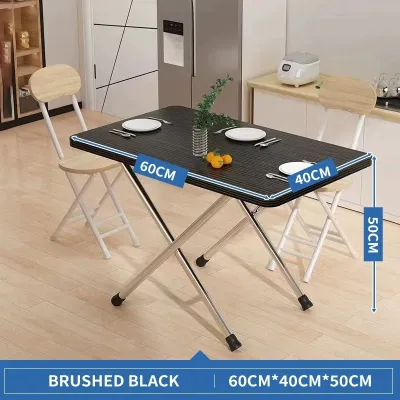
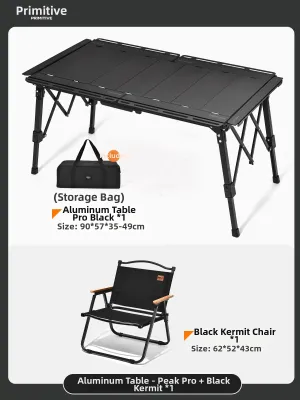
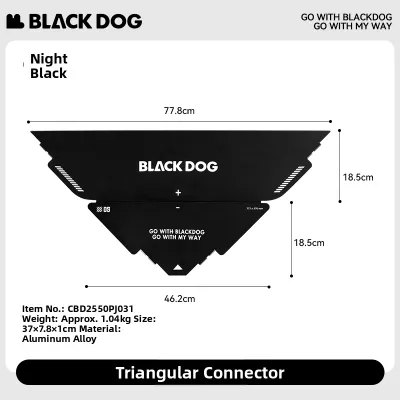
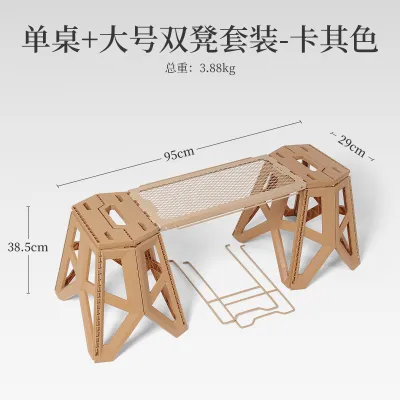
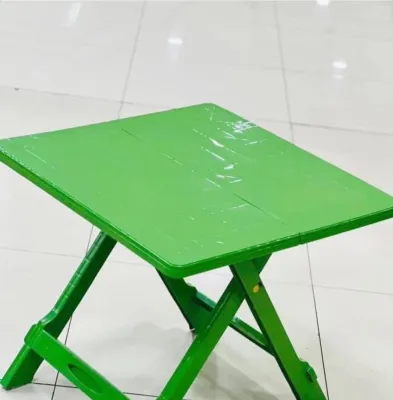
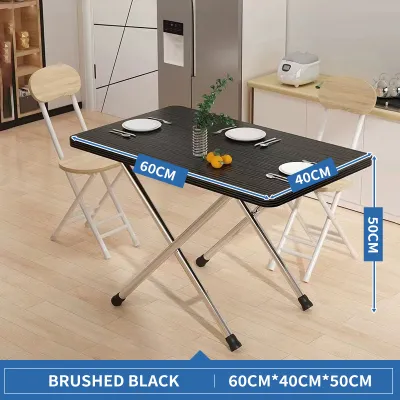
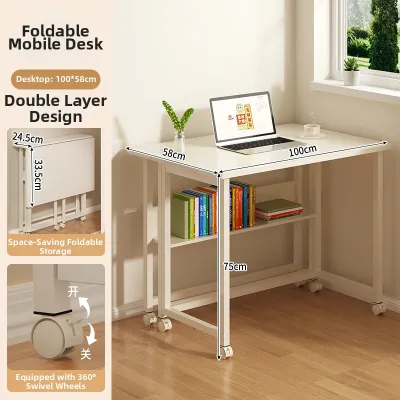
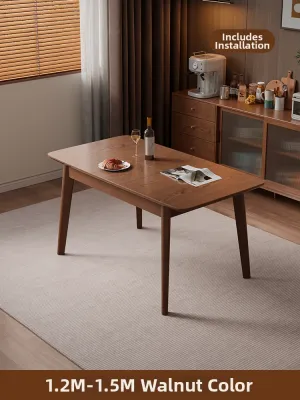
Prices are valid at publication and may change. Please refer to the product page for the latest price.
Unlike stationary outdoor tables, a folded table features a complex network of moving parts that introduce unique vulnerabilities. The hinges, locking pins, slide tracks, and joint brackets contain small crevices where rainwater easily becomes trapped. Even if the main tabletop dries quickly under a brief spell of tropical sun, these internal metal-on-metal contact points remain damp, accelerating localized rust. Once rust takes hold inside a hinge or locking mechanism, the metal expands and binds, making it incredibly difficult or dangerous to fold and unfold the table without risking structural breakage.
Tropical rainy seasons compound these issues by pairing heavy, torrential downpours with persistently high ambient humidity. In environments like the Philippines, the relative humidity during the wet season often hovers near 80 to 90 percent, meaning that surfaces rarely dry out completely between storms. This constant state of dampness creates a breeding ground for fungal spores and keeps a thin film of moisture on all exposed hardware, making material selection and smart structural drainage absolutely critical for survival.
Top Material Choices for Rain-Resistant Folded Tables
To withstand these harsh conditions, you must evaluate the core material of both the tabletop and the supporting frame. Not all materials marketed as “outdoor-friendly” are built to handle prolonged exposure to heavy rains and high humidity.

Aluminum and Aluminum Alloys
Aluminum is widely regarded as one of the most reliable base metals for outdoor furniture exposed to wet climates. Unlike iron or steel, aluminum does not contain iron, meaning it cannot develop red rust when exposed to oxygen and water. Instead, it naturally forms a microscopic, protective oxide layer on its surface that resists further environmental degradation, providing an excellent baseline of defense against heavy tropical downpours.
While raw aluminum has high inherent resistance, you should look for powder-coated or anodized aluminum finishes for maximum longevity. Anodizing is an electrochemical process that thickens the natural oxide layer, while powder coating applies a baked-on polymer shield; both finishes protect the metal against surface pitting, dark discoloration, and the corrosive effects of acidic rain or atmospheric salt. When inspecting an aluminum folded table, verify that the coating is smooth and uniform, especially around welded joints and hinge attachment points.
Another practical benefit of aluminum is its exceptionally lightweight nature. During extreme weather events, such as severe tropical depressions or typhoons, you will need to move your outdoor furniture to a secure, sheltered area quickly. An aluminum folded table can be collapsed and carried with minimal physical effort, reducing the risk of the table becoming a hazard in high winds or suffering damage from falling debris.
Powder-Coated and Galvanized Steel
Steel is a popular choice for outdoor tables because of its substantial weight, high load capacity, and structural stability. It is much less likely to tip over during sudden gusts of wind compared to lighter materials. However, raw steel is highly susceptible to rust and structural failure when exposed to moisture, making the quality of its protective barrier the single most important factor in its survival.
When shopping for a steel folded table, you must look for advanced protective treatments such as hot-dip galvanization, e-coating (electrophoretic deposition), or high-grade powder coating. Galvanized steel features a protective zinc layer that physically blocks moisture and chemically sacrifices itself to protect the underlying steel. E-coating submerses the entire frame in a protective bath to ensure every internal cavity is coated, which is then typically topped with a durable powder coat for double-layer protection.
The primary risk with any steel folding table lies in the joints, hinges, and fasteners. Any chip, scratch, or exposed edge created during the folding process will allow moisture to bypass the protective coating and reach the raw steel underneath. Once moisture penetrates, rust will spread beneath the paint, causing it to bubble and peel while silently weakening the structural joints and seizing the folding mechanism.
High-Density Polyethylene (HDPE) and Plastics
High-Density Polyethylene (HDPE) and high-grade synthetic resins are outstanding options for water-resistant tabletops. Because plastic is entirely non-porous, it cannot absorb water, swell, rot, or rust, making it virtually impervious to the heaviest downpours. Dirt, mud, and organic debris from rainstorms can be easily wiped or washed off the surface without leaving permanent stains or water marks.
However, when choosing a plastic folded table, you must verify that the material contains UV-stabilized additives. In tropical regions, intense rainstorms are often immediately followed by harsh, direct sunlight. Without UV stabilizers, prolonged exposure to ultraviolet radiation will break down the plastic’s polymer chains, causing the tabletop to fade, warp, become brittle, and eventually crack under minimal weight. Check the manufacturer’s product specifications to confirm the plastic is rated for high UV resistance.
Additionally, you must carefully inspect the frame material underneath the plastic top. Many budget-friendly plastic folding tables feature a durable plastic surface but rely on cheap, minimally treated steel legs and frames to keep costs down. If the underlying frame is not properly rust-proofed with galvanized or powder-coated finishes, the legs will rust and collapse long before the plastic top shows any signs of wear. Always treat the table as a dual-material system and inspect the metal underneath as thoroughly as the plastic surface.
Critical Hardware and Design Features to Inspect
Choosing the right primary material is only half the battle; you must also evaluate the mechanical and structural details that often fail first when left out in wet weather. A table is only as strong as its weakest joint, and in folding furniture, those weaknesses are usually found in the hardware and assembly design.
- Hinges and Locking Pins: Inspect the specifications of the folding hinges, rivets, and locking pins. These moving parts should ideally be made from stainless steel, brass, or heavily galvanized steel. Avoid tables that use exposed, low-grade iron or untreated steel hardware, as these small components will rust rapidly when exposed to rain, locking the folding mechanism permanently or snapping under tension when you try to close the table.
- Leg Caps and Feet: The design of the table's feet plays a critical role in preventing water damage. Look for water-shedding, non-slip rubber or high-grade plastic foot caps that seal the bottom of the legs. If the table has flat, hollow, or poorly capped metal legs, rainwater pooling on your patio or garden floor can easily wick up into the interior of the hollow metal tubes. This leads to internal corrosion that eats the legs from the inside out, which is difficult to detect until the table suddenly buckles.
- Surface Drainage: Consider how the tabletop handles standing water. Solid, single-piece tabletops can pool large amounts of water if the table is not set on a perfectly level surface. This standing water can eventually seep into seams or overflow down onto the folding joints. Slatted or textured tabletop designs, common in aluminum and resin furniture, allow rainwater to drain directly through the surface, significantly reducing standing water and minimizing the amount of moisture that reaches the mechanical parts underneath.
- Seam and Edge Construction: Examine how the tabletop is joined and sealed to the supporting frame. Avoid designs with deep, upward-facing seams, rolled edges, or unsealed gaps between the top and the frame. These crevices act as natural channels that trap rainwater, fallen leaves, and dirt. Over time, this trapped debris retains moisture, promoting mold growth and accelerating the corrosion of any hidden metal fasteners or brackets securing the tabletop.
Maintenance and Care for Continuous Outdoor Exposure
Even the most weather-resistant folded table requires regular maintenance to maximize its lifespan when left outdoors during a harsh rainy season. Implementing a simple care routine will prevent premature wear and keep the folding mechanisms operating smoothly.
- Routine Cleaning: Regularly rinse your outdoor table with clean, fresh water to remove dirt, pollen, and organic debris. Rainwater is often slightly acidic and can carry airborne pollutants that deposit a corrosive film on your furniture. Rinsing the table, followed by a gentle wash with a mild, pH-neutral soap and a soft cloth, prevents these residues from degrading the protective powder coatings or anodized finishes.
- Drying the Mechanism: If you plan to fold and store the table after a storm, never collapse it while it is still wet. Trapping moisture inside the folded joints, hinges, and hollow frame sections creates a highly humid microclimate that accelerates rust and mold growth. Always allow the table to dry completely in an open position before folding it for storage. If you must fold it wet due to an incoming storm, unfold it to dry at the earliest opportunity.
- Lubrication and Protection: To keep folding hinges and locking pins operating smoothly, apply a thin layer of silicone-based lubricant or marine-grade grease to the moving joints once or twice during the rainy season. Silicone-based sprays are excellent because they repel water and do not attract dust and grit as easily as heavy oils. However, always check the manufacturer’s care instructions first; some lubricants can degrade certain plastic components or void your product warranty.
- Covering and Shelter: When the table is not in use for extended periods, protect it with a high-quality, breathable, waterproof furniture cover. Ensure the cover is securely fastened so it does not blow away during sudden storms. Avoid using cheap, airtight plastic tarps, as they trap rising ground moisture and humidity underneath, creating a greenhouse effect that causes heavy condensation to build up on the table, leading to rapid corrosion and mold.
Frequently Asked Questions (FAQ)
Can I leave a wooden folded table outside during the rainy season?
Even if a wooden folded table is treated with marine-grade varnish, outdoor sealants, or natural oils like teak oil, leaving it continuously exposed to heavy rain and high humidity is not recommended. Wood is naturally porous and will inevitably absorb moisture over time, leading to swelling, warping, and rot. Furthermore, the constant expansion and contraction of the wood puts immense stress on the metal-to-wood hinge connections, often causing the screws to loosen and pull out, ruining the folding mechanism.
How do I loosen a stiff or rusted folding hinge?
If a folding hinge has become stiff or shows signs of minor surface rust, start by gently cleaning away any visible dirt or loose rust scale with a soft brush or cloth. Apply a small amount of manufacturer-approved penetrating oil or silicone spray directly to the joint, allowing it to sit for several minutes to penetrate the tight spaces. Slowly and gently work the hinge back and forth to distribute the lubricant. If the hinge is severely corroded, shows structural cracking, or remains completely seized, stop immediately and consult the manufacturer or a professional repair service, as forcing the joint can snap the metal and cause injury.

Community discussion
Share your experience or ask a question. Comments are reviewed before publication.