
Selecting a heavy-duty folding table in a tropical climate like the Philippines requires balancing structural strength with extreme environmental resilience. During the wet season, prolonged downpours, high humidity, and sudden shifts in temperature create a harsh setting for outdoor furniture. A table must support substantial weight—whether for outdoor catering, barangay community events, garage workshops, or backyard gatherings—while constantly resisting moisture, rust, and biological growth.
High humidity and frequent rain accelerate oxidation in metal frames and cause warping, mold, or mildew in porous surfaces. The folding joints, hinges, and locking pins are particularly vulnerable. These moving components can easily trap water, leading to internal rust that causes the mechanism to seize or fail under load. Furthermore, “heavy-duty” tables require thicker metal tubes or denser materials to achieve high weight capacities. If these hollow frames are not properly sealed or treated, they can trap water internally, quietly compromising the table’s structural integrity from the inside out.
Top Material Options for Moisture-Resistant Heavy-Duty Folding Tables
When selecting a heavy-duty folding table, the primary materials of the tabletop and the frame determine how well the unit will withstand moisture while supporting heavy loads. Different materials offer distinct trade-offs in weight, durability, maintenance, and cost.
Products mentioned in this guide
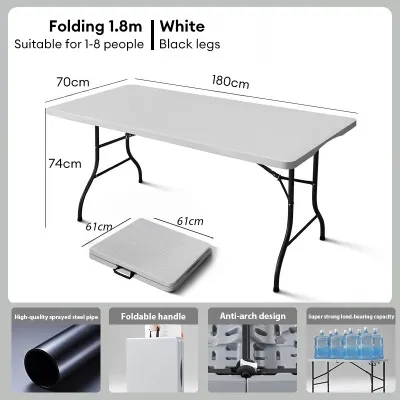
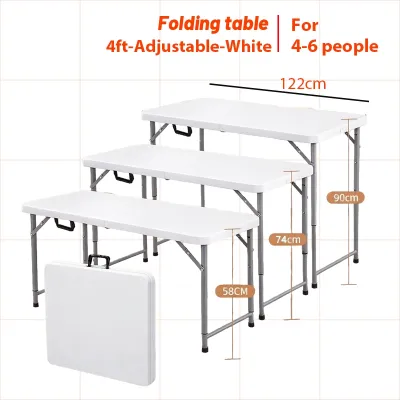
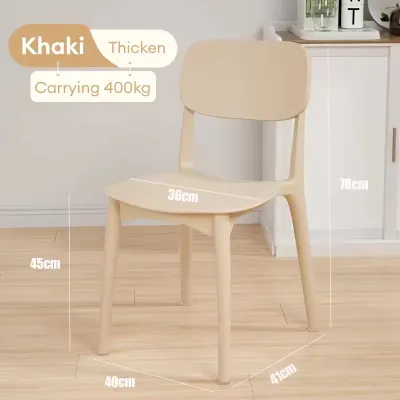
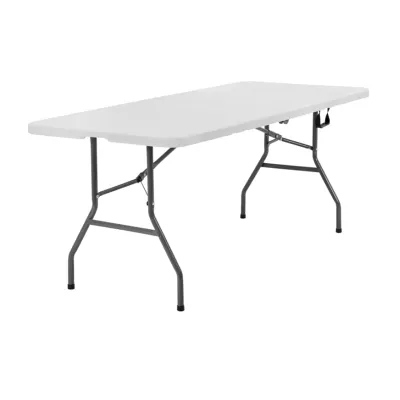
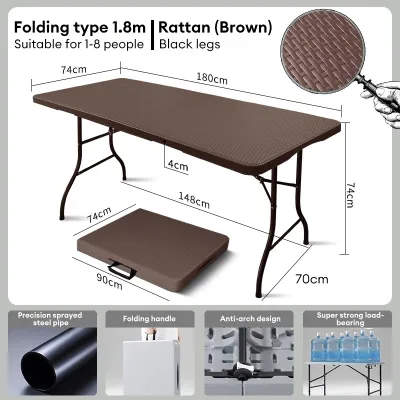
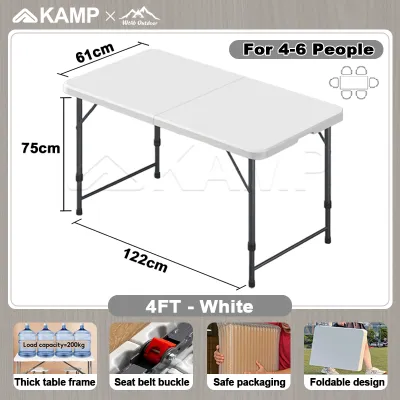
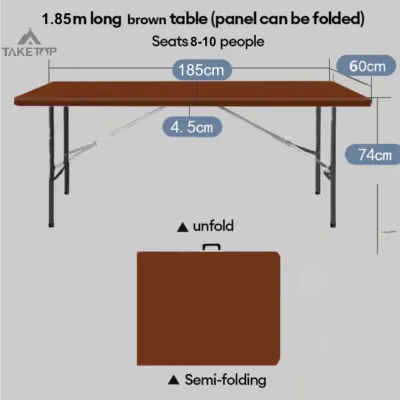
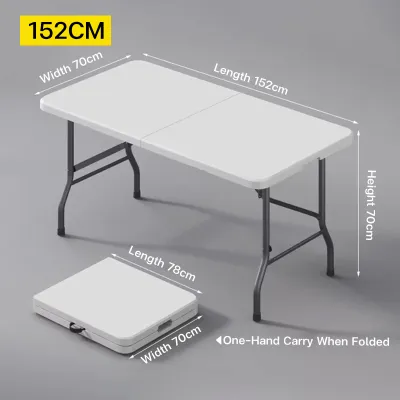
Prices are valid at publication and may change. Please refer to the product page for the latest price.
Aluminum and Powder-Coated Aluminum
Aluminum is highly valued for its natural resistance to rust and its excellent strength-to-weight ratio. Unlike ferrous metals, aluminum does not rust when exposed to water, making it a reliable choice for humid environments. However, for a folding table to be truly heavy-duty, the aluminum must have adequate tube thickness and robust structural bracing, as thin-gauge aluminum can bend or warp under heavy loads.
To enhance its durability, manufacturers often apply a powder-coated finish. This electrostatically applied powder is cured under heat to form a tough, protective skin. The powder coating adds an extra barrier against moisture, prevents surface oxidation, and improves scratch resistance. Despite these benefits, aluminum is softer than steel and can dent under heavy point loads. If the metal gauge is too thin, the frame may flex or buckle when subjected to its maximum weight capacity.
Stainless Steel
For applications requiring maximum load-bearing capacity and rigidity, stainless steel remains a premier choice. It easily supports heavy equipment, commercial kitchen prep, or large outdoor gatherings without flexing. Its dense structure provides exceptional stability, making it highly resistant to physical damage and heavy wear.
However, not all stainless steel is completely immune to corrosion in highly humid or coastal environments. It is essential to check the manufacturer’s grade specification. Grade 304 or Grade 316 (often referred to as marine-grade) offer superior resistance to rust compared to lower-grade alloys. The primary trade-offs of stainless steel folding tables are their significant weight, which makes them more difficult to fold and transport, and their premium price point, often costing several thousand Pesos (₱) more than alternative materials.
High-Density Polyethylene (HDPE) Tops with Coated Steel Frames
One of the most common configurations for heavy-duty folding tables is a High-Density Polyethylene (HDPE) tabletop paired with a steel support frame. HDPE is a synthetic plastic that is inherently waterproof, resistant to mold, and highly durable. It does not absorb water, crack from moisture exposure, or rot, and it can be easily wiped clean after a heavy tropical downpour.
While the plastic tabletop is virtually impervious to water, the steel frame underneath requires close inspection. Because steel is highly susceptible to rust, the longevity of the table depends on the quality of its protective coating. Buyers should verify that the steel frame has undergone a reliable rust-prevention treatment, such as hot-dip galvanization or a thick, high-quality powder coating. If the frame is scratched during transport or use, the exposed steel can quickly rust in humid conditions, weakening the table’s load-bearing capacity.
Treated Hardwoods and Teak
For a more traditional or aesthetic appeal, treated hardwoods and teak are popular choices for outdoor furniture. Teak contains natural oils that repel water, resist rot, and prevent insect infestation, making it exceptionally durable in wet climates. Other dense hardwoods, when treated with protective sealants, can also provide a sturdy, heavy-duty surface.
However, solid wood folding tables present unique challenges. Heavy-duty folding mechanisms in solid wood are rare, complex, and heavy. Because wood is a natural material, the folding joints rely heavily on metal hardware, which must also be highly weather-resistant to prevent failure. Additionally, wood requires continuous maintenance, including regular sanding and the application of protective oils, to prevent graying, splintering, and warping over years of exposure to rain and sun.
Frame, Hinges, and Hardware: The Hidden Vulnerabilities
A durable, waterproof tabletop is of little use if the underlying structural connections fail. In humid and rainy conditions, the folding hinges, brackets, and locking pins are often the first parts of the table to degrade. If these moving parts rust or weaken, the table can become unstable or seize entirely, rendering it unusable regardless of how pristine the tabletop remains.

When evaluating a heavy-duty folding table, pay close attention to the hardware materials. Ensure that all screws, bolts, hinges, and locking pins are made from materials that match or exceed the corrosion resistance of the main frame. Stainless steel or galvanized steel hardware is highly recommended, as standard untreated steel screws will quickly rust and compromise the joints.
Additionally, inspect the design of the metal frame tubes. Hollow metal legs and support bars can easily collect rainwater or condensation. If water becomes trapped inside the tubes, it will cause the metal to rust from the inside out, slowly eating away at the structural integrity without showing immediate external signs. Look for frames equipped with drainage holes at the lowest points or tightly sealed, durable plastic caps on the ends of the tubes to prevent water from entering and pooling inside.
What to Verify Before Purchasing for Outdoor Use
Before purchasing a heavy-duty folding table for outdoor use, a careful verification of specifications and physical build quality can prevent premature failure.
- Weight Capacity vs. Build: Do not rely solely on a high weight capacity claim. Cross-reference the stated load limit (e.g., 150 kg or more) with the physical thickness of the legs and crossbars. Heavy-duty tables should feature thick-walled tubing and solid bracing under the tabletop to distribute weight evenly.
- Surface Treatment Claims: Avoid products with generic labels like "weather-resistant." Look for specific manufacturing terms such as "powder-coated steel," "galvanized iron," or "UV-protected HDPE." These terms indicate that the materials have been treated to withstand prolonged exposure to moisture and sunlight.
- Folding Mechanism Clearance: Inspect the folding joints to see if they are partially shielded from direct rain exposure when the table is open. Ensure that the moving parts are easily accessible so you can wipe them dry and apply lubrication when necessary.
- Foot Caps: Check the bottom of the table legs. The foot caps should be made of thick, non-slip rubber or high-density plastic. These caps prevent moisture from seeping into the metal tubes from the ground and protect the legs from degrading when placed on wet grass, mud, or damp concrete.
Routine Maintenance for the Rainy Season
Proper maintenance is essential to extend the lifespan of any heavy-duty folding table during the rainy season. After heavy storms or outdoor events, take the time to clean off mud, debris, and standing water. Trapped organic matter can retain moisture against the table’s surface, accelerating the breakdown of protective coatings.
Before collapsing and storing the table, ensure that all folding joints, hinges, and locking mechanisms are thoroughly dried. Storing a folding table while it is still damp traps moisture inside the folded joints, creating a perfect environment for rust and mold to develop.
When storing the table outdoors, use a high-quality, breathable, waterproof cover. Avoid wrapping the table tightly in non-breathable plastic tarps, as these can trap humidity underneath, causing condensation to build up on the metal frame and leading to accelerated corrosion.
Frequently Asked Questions (FAQ)
Can I leave a heavy-duty folding table outside all year in the Philippines?
While tables made from high-quality materials like HDPE and powder-coated steel or marine-grade stainless steel can withstand rain, leaving them outdoors year-round is not recommended. Continuous exposure to intense tropical UV rays, high humidity, and standing rainwater will eventually degrade protective coatings, cause plastics to become brittle, and accelerate rust. To maximize the table’s lifespan, store it in a covered area like a roofed patio, garage, or shed, or use a breathable, weather-resistant furniture cover when it is not in use.
How do I remove surface rust from a coated steel folding table frame?
To address minor surface rust on a coated steel frame, start by cleaning the affected area with a soft-bristled brush and mild soapy water to remove loose debris. Gently wipe away the rust using a non-abrasive sponge or a soft cloth dipped in a mild vinegar solution. Once the area is completely clean and dry, apply a manufacturer-approved touch-up paint or a high-quality rust inhibitor to seal the exposed metal. Avoid using harsh wire brushes, steel wool, or abrasive chemical cleaners, as these will strip away the surrounding protective powder coating and expose more bare metal to moisture.
Community discussion
Share your experience or ask a question. Comments are reviewed before publication.