
Selecting the right outdoor bar table for a home in the Philippines requires balancing style with extreme weather durability. The local climate presents a harsh combination of intense tropical sun, high humidity, and torrential monsoon rains that can quickly degrade substandard materials. High-density polyethylene (HDPE) synthetic wicker over a powder-coated aluminum frame, or cast aluminum with a high-quality outdoor-rated finish, stand out as the most resilient options for open areas. For those who prefer the look of wood, highly dense hardwoods like teak or premium composite synthetic woods are excellent alternatives, while heavy sealed concrete works best for high-wind locations.
To make an investment that lasts for years, you must look beyond surface aesthetics. Understanding how different materials interact with the elements, how they handle wind load, and what specific structural details to verify before purchase will ensure your outdoor entertainment space remains safe, functional, and beautiful.
How Philippine Weather Affects Outdoor Bar Tables
The physical impact of the Philippine climate on outdoor furniture is relentless. During the wet season, heavy monsoon rains saturate surfaces, promoting rust on untreated metals and rot in vulnerable woods. This wet-dry cycle is compounded by persistent high humidity, which slows evaporation and creates an ideal breeding ground for mold, mildew, and fungal growth. When the sun does emerge, intense year-round ultraviolet (UV) radiation bakes outdoor surfaces, breaking down chemical bonds in plastics, causing colors to fade, and making materials brittle and prone to cracking.
Products mentioned in this guide
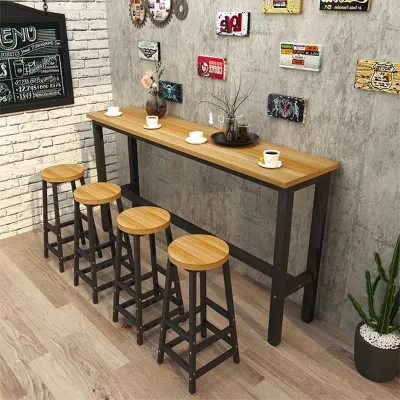
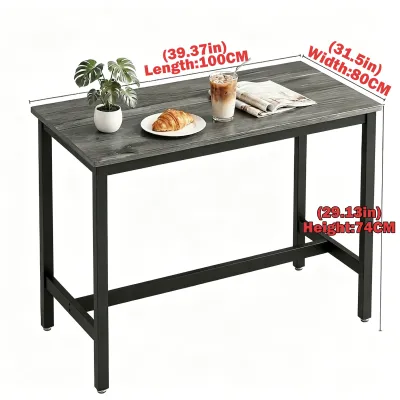
Prices are valid at publication and may change. Please refer to the product page for the latest price.
Beyond moisture and sun, a bar table’s physical design introduces unique structural challenges. Because bar tables are elevated—typically standing between 100 to 105 centimeters tall—they have a much higher center of gravity and a smaller base footprint than standard dining tables. This makes them highly susceptible to strong winds, particularly during typhoon season. Wind uplift can easily tip over lightweight tables, meaning structural weight distribution and base stability are just as critical as surface durability.
When evaluating materials, you must assess them against four core criteria. First is moisture resistance, which prevents structural rot, rust, and mold. Second is UV stability, ensuring the surface does not warp, fade, or crack under direct sunlight. Third is structural integrity under wind load, which depends on the table’s weight and base design. Finally, consider the realistic level of maintenance you are willing to perform to preserve the table’s appearance and safety.
Evaluating Common Bar Table Materials for Tropical Climates
Metal Frames and Tops (Aluminum, Steel, Iron)
Aluminum is highly favored for outdoor furniture because it does not rust. However, you must verify the manufacturer’s outdoor rating and finish type, as untreated or low-grade aluminum can still oxidize or pit in highly humid or coastal environments. Look for multi-layer powder-coated finishes that seal the metal completely. Because aluminum is naturally lightweight, a bar table made entirely of this metal is vulnerable to being tipped over by strong winds; look for models with weighted bases or integrated anchor points.

Steel and wrought iron offer excellent weight and stability against high winds, but they are highly susceptible to rust if exposed to moisture. Do not rely on the metal’s name alone; instead, check for robust protective layers. Verify if the steel has been hot-dip galvanized or treated with specialized rust-inhibiting primers before receiving a thick, baked-on powder coat. Any scratch in this coating can allow humidity to reach the raw metal, leading to rapid, hidden corrosion.
Heat retention is a major practical consideration for metal tables. Dark-colored metal tops absorb solar radiation rapidly, making them uncomfortably hot to the touch under the midday Philippine sun. If your bar table will be placed in an unshaded area, check for light-colored, reflective finishes, or plan to use table runners, placemats, or a large outdoor umbrella to keep the surface usable.
Solid Woods and Wood-Look Alternatives
Natural hardwoods like teak, shorea, and ipé contain dense fibers and natural oils that repel water and insects. However, they are not maintenance-free. Before purchasing, check the wood’s density grade and whether it has a factory-applied sealant. In tropical weather, all natural woods require periodic application of outdoor wood oils or sealants to prevent moisture ingress and UV-induced cracking. Without this care, the wood will gradually weather to a silvery-gray color and may develop structural splits.
Synthetic wood, often made from high-density polyethylene (HDPE) or resin composites, offers the appearance of timber without the risk of rot, splintering, or insect damage. When choosing synthetic wood, verify that UV inhibitors are mixed throughout the entire material during manufacturing, rather than simply sprayed onto the surface. While highly moisture-resistant and easy to clean, synthetic wood tables can still be relatively light; ensure the underlying frame is heavy enough to prevent the table from lifting during a storm.
Synthetic Wicker and Resin Weaves
Natural rattan, bamboo, or cane furniture is highly porous and will quickly absorb atmospheric moisture. In the humid Philippine climate, natural wicker kept in exposed outdoor areas will develop mold, rot, and unravel within a single rainy season. Natural wicker should be strictly reserved for fully enclosed indoor spaces or climate-controlled sunrooms.
For outdoor durability, choose synthetic wicker made from High-Density Polyethylene (HDPE) rather than cheap PVC, which quickly degrades and becomes brittle under UV light. Check the manufacturer’s specifications for a UV-resistance rating. The lifespan of synthetic wicker also depends on the underlying frame; ensure the weave is wrapped around a rust-treated, powder-coated aluminum or stainless steel frame rather than painted mild steel.
Inspect the quality of the weave before buying. High humidity and intense heat can cause poor-quality synthetic fibers to stretch, sag, or snap over time. Look for tight, consistent weave tension and secure attachment points underneath the table frame to ensure the material maintains its structural integrity.
Stone, Concrete, and Tile Surfaces
Stone and concrete bar tables are exceptionally heavy, making them virtually immune to being blown over by strong winds. However, materials like natural slate, travertine, and concrete are naturally porous. In humid conditions, water can seep into these pores, leading to deep-set mold, mildew, and permanent organic staining. To prevent this, these surfaces must be treated with a high-quality penetrating outdoor sealer.
Before purchasing, verify the sealing requirements and ensure the underlying base structure is rated to support the substantial weight of a stone or concrete top. A top-heavy bar table with an inadequate base is a severe tipping hazard. The frame must be robust, wobble-free, and ideally made of heavy-duty treated metal or thick, solid hardwood.
Matching Materials to Your Space and Maintenance Routine
Your choice of material should align directly with the specific microclimate of your patio or deck. For fully exposed areas like an open pool deck, a rooftop garden, or an unshaded balcony, prioritize materials with maximum UV and water resistance. Powder-coated aluminum, UV-stabilized HDPE synthetic wood, and high-grade synthetic wicker are the most reliable choices here. If the table will sit on a covered patio, lanai, or under a roofed pergola, your options expand; sealed natural hardwoods and heavier treated metals become highly viable since they are shielded from direct downpours and midday sun.
Be honest about the amount of maintenance you are willing to perform. If you prefer a set-and-forget option, focus on low-maintenance materials like powder-coated aluminum, synthetic resins, or HDPE wicker, which require only occasional washing with mild soap and water. If you love the look of natural wood or stone and do not mind seasonal sanding, oiling, or resealing, then premium teak or sealed concrete will reward your efforts with a beautiful, character-rich patina.
Consider your storage options for the typhoon season. Lightweight tables made of aluminum or synthetic resin are easy to move indoors or into a garage when severe weather threatens. If you do not have indoor storage space, you must invest in heavy, wind-resistant tables (like concrete or heavy steel) or plan to use secure, weighted anchoring systems alongside breathable, waterproof furniture covers.
Crucial Specifications to Verify Before Purchase
To ensure your bar table is safe, functional, and built to last, verify these key technical specifications before making a purchase:
- Hardware and Connectors: Check that all screws, bolts, washers, and internal brackets are made of marine-grade stainless steel (such as 304 or 316 grade) or heavily galvanized steel. Standard zinc-plated steel hardware will rust within months in tropical humidity, staining the table and compromising its structural safety.
- Stability and Tipping Risk: Because bar tables have a high center of gravity, check the base-to-height weight ratio. Look for tables with wide, heavy pedestal bases, weighted feet, or flared legs. If placing the table in a high-wind area like a high-rise balcony, look for models with pre-drilled holes in the feet so they can be bolted directly to the floor.
- Dimensions and Clearance: Measure your available outdoor space carefully. Ensure there is at least 90 to 100 centimeters of clearance around the table for bar stools and comfortable foot traffic. Additionally, check the delivery path: verify that the table (especially if delivered fully assembled) can physically fit through your gates, doorways, hallways, or condominium elevators.
- Manufacturer Labels: Look for explicit "outdoor-rated," "all-weather," or "marine-grade" certifications on the product tag or specification sheet. Avoid products labeled generically as "patio-style" without specific material and weather-resistance details.
Seasonal Care and Protection for Humid Environments
To prolong the life of your outdoor bar table, establish a regular cleaning routine. Wash the table down with mild dish soap, warm water, and a soft-bristled brush or microfiber cloth to remove dust, pollen, and organic debris before they can bond with humidity and form mold. Avoid using high-pressure washers, harsh bleach, or abrasive scouring pads, which can strip protective powder coatings or gouge synthetic wood finishes. Before applying any commercial cleaning agent, protective oil, or aftermarket sealer, always check the applied product’s label and the treated item’s manufacturer instructions. If instructions conflict, the item is unidentified, or the use is not covered, stop and consult the manufacturer or a qualified professional.
When a tropical cyclone warning is active, secure your outdoor furniture immediately. Move lightweight aluminum or synthetic wicker bar tables indoors, into a garage, or inside a secure storage shed. If storage space is unavailable, lay the table on its side in a protected area and secure it with heavy-duty tie-down straps to prevent it from becoming a dangerous projectile in high winds.
If you use furniture covers, choose breathable, waterproof fabrics rather than cheap, non-porous plastic tarps. Non-breathable covers trap condensation underneath in the hot, humid climate, creating a greenhouse effect that accelerates rust on metal joints and mold growth on wood or wicker. Ensure the bar table is completely dry before placing the cover over it, and choose a cover with a secure drawstring or buckle system to prevent it from blowing away.
Frequently Asked Questions (FAQ)
Can I use an indoor bar table outside if I apply a waterproof sealant?
No, using an indoor bar table outdoors is highly discouraged, even if you apply an aftermarket waterproof sealant. Indoor furniture is constructed with adhesives, joint designs, and internal hardware that are not designed to withstand moisture, thermal expansion, or contraction. Applying a surface sealant does not protect the internal joints, dowels, or the underside of the table from absorbing ambient humidity. Over time, the wood will swell, the glue joints will fail, and any internal steel hardware will rust, leading to structural collapse.
How do I keep a metal bar table from blowing over during strong winds?
To prevent a lightweight metal bar table from tipping over during strong winds, you can implement several stabilization techniques. First, choose a table with a hollow pedestal base that can be filled with dry sand or gravel to add low-center-of-gravity weight. Second, use heavy-duty, weather-resistant patio furniture anchors or straps to secure the table legs to your deck or concrete patio. Third, if the table is placed on a concrete floor, consider using masonry anchors to bolt the legs directly down. For non-permanent solutions, placing heavy, decorative weighted planters around the base of the table legs can also help disrupt wind flow and provide physical resistance against tipping.
Community discussion
Share your experience or ask a question. Comments are reviewed before publication.