
Finding the right table and chair for coffee shop setups in the Philippines requires balancing aesthetics with extreme durability. The tropical climate presents unique challenges, with intense heat, high humidity, and torrential monsoon rains testing the limits of commercial furniture. To ensure your outdoor seating area remains attractive and structurally sound over years of heavy daily use, you must select materials engineered to withstand these specific environmental pressures. The most reliable options include high-density polyethylene (HDPE) synthetic rattan, powder-coated aluminum, treated premium hardwoods like teak, and sealed concrete composites.
Understanding Tropical Weather Stressors on Cafe Furniture
Operating an outdoor dining space in the Philippines means your furniture faces a constant cycle of extreme weather. High relative humidity creates a breeding ground for mold, mildew, and rot. When porous materials absorb moisture from the humid air, they expand; as they dry under the sun, they contract. This continuous movement leads to warping, splitting, and structural failure at critical joints.
Intense solar exposure is another major threat. Ultraviolet (UV) radiation breaks down chemical bonds in unprotected plastics and paints. Over a single summer season, low-quality chairs can fade, lose their structural flexibility, and become highly brittle, posing a safety risk to your customers.
Products mentioned in this guide
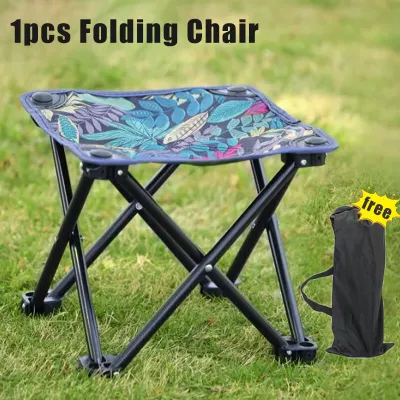
Prices are valid at publication and may change. Please refer to the product page for the latest price.
The monsoon season introduces prolonged exposure to heavy rain and standing water. Rainwater can pool on flat surfaces or collect inside hollow furniture frames. For metals, this accelerates oxidation and rust. For wood, it triggers wood-boring insect activity and fungal decay.
Commercial outdoor furniture must also endure high customer turnover. Unlike residential patio sets, cafe chairs are pulled, pushed, and stacked multiple times a day. The material you choose must resist physical wear, impact, and frequent sanitizing without degrading or losing its visual appeal.
Best Material Options for Outdoor Coffee Shop Seating
Selecting the right material involves weighing durability, maintenance, weight, and aesthetic compatibility with your cafe’s brand. Here is how the top commercial-grade materials perform in tropical outdoor settings.

Powder-Coated Aluminum and Steel
Metal furniture offers excellent structural stability and clean, modern design lines. However, the type of metal and its protective finish determine how well it survives the elements.
Aluminum is naturally rust-resistant and exceptionally lightweight. This makes it an ideal choice for cafes that need to rearrange seating layouts daily or stack chairs at closing time. Because aluminum does not rust when exposed to moisture, any deep scratches in the paint will not lead to structural decay. When selecting aluminum chairs, check their finished dimensions and stacking height to ensure they can easily fit through your cafe’s standard doorways or lift access during closing hours.
Steel is significantly heavier and provides excellent wind resistance for exposed patios. However, steel is highly susceptible to rust. If you choose steel, it must feature a robust, multi-layer powder coating or galvanization.
When evaluating metal options, check the manufacturer’s spec sheets for powder-coating thickness and UV stability. It is also critical to verify that hollow metal tubes feature internal drainage holes or sealed ends. Without these, condensation and rainwater can trap inside the frame, causing rust from the inside out and compromising the frame’s load capacity.
Synthetic Rattan and High-Density Resin
Woven furniture provides a warm, organic texture that complements tropical cafe designs. For outdoor commercial use, synthetic alternatives have largely replaced natural rattan due to moisture vulnerability.
High-Density Polyethylene (HDPE) is the industry standard for commercial synthetic rattan. Unlike cheaper Polyvinyl Chloride (PVC) options, HDPE remains stable under high temperatures and resists cracking, peeling, and fading.
Before purchasing, verify that the resin includes built-in UV inhibitors. These chemical stabilizers protect the synthetic fibers from breaking down under intense sunlight.
The longevity of synthetic wicker also depends on the underlying frame. Always confirm that the woven material is wrapped around a powder-coated aluminum frame rather than untreated steel. A rusting inner frame will eventually stain the synthetic weave and compromise the chair’s structural integrity.
Treated Hardwoods (Teak, Acacia, Mahogany)
Natural wood brings an upscale, inviting warmth to outdoor dining spaces. However, only specific hardwoods can withstand the intense Philippine climate.
Teak is highly regarded for outdoor use due to its high natural oil content and dense grain, which naturally repel water and insects. Other regional hardwoods like acacia and mahogany are also popular but require commercial-grade, water-resistant sealants to prevent moisture absorption. Look for mortise-and-tenon joinery reinforced with waterproof wood glue, which provides the high load capacity required for busy commercial environments.
Wood furniture requires a commitment to regular maintenance. To preserve the original warm wood tone, you must plan for periodic re-oiling or sealing every six to twelve months, depending on sun exposure. Without treatment, teak will naturally weather to a silvery-gray patina, which some cafe owners prefer for a rustic aesthetic.
Weight is another practical factor. Heavy hardwood tables and chairs are highly stable in windy conditions but make daily floor plan rearrangements and floor cleaning more labor-intensive for your staff.
Concrete and Stone Composites
For cafes with permanent outdoor seating or highly exposed rooftop patios, concrete and stone composites offer unmatched durability.
These heavy materials provide exceptional resistance against strong winds and severe weather, ensuring your tables remain anchored during sudden storms. They do not rot, rust, or degrade under UV light.
However, raw concrete is highly porous. You must verify that the surfaces feature a professional-grade, food-safe sealant. Unsealed concrete will permanently stain from coffee spills, acidic citrus juices, and food oils, detracting from your cafe’s clean presentation.
Logistics present the biggest challenge with concrete. Because of their immense weight, you must verify your patio’s floor-weight limits, especially on balconies or raised decks. Moving these pieces requires significant physical effort, so they are best suited for fixed, permanent layouts. Because concrete tables cannot be easily moved, their placement must be carefully planned in relation to your available space, ensuring ample clearance for walkways.
Materials to Avoid in High Humidity and Heavy Rain
To protect your investment and avoid premature replacement costs, steer clear of materials designed primarily for indoor or sheltered residential use.
Avoid untreated or soft woods, such as pine, fir, and engineered wood products like MDF or particleboard. These materials act like sponges in high humidity. They rapidly absorb moisture from the air, swelling, warping, and rotting within a few months of outdoor exposure.
Wrought iron and bare steel without a certified exterior-grade powder coating or hot-dip galvanization should also be avoided. In humid coastal or urban environments, unprotected ferrous metals will rust quickly, leaving unsightly orange stains on your patio floor and eventually snapping at the weld points.
Standard indoor fabrics and untreated polyurethane foam cushions are highly susceptible to mold. They trap water inside the cushion core, creating musty odors and health hazards for customers.
Finally, avoid thin, unreinforced, single-injection molded plastics. While inexpensive, these budget plastics lack UV stabilizers. Under the tropical sun, they quickly fade, become brittle, and can crack unexpectedly when a customer sits down.
Verifiable Specs for True Weather Resistance
When sourcing tables and chairs, look beyond generic “weatherproof” marketing labels. Review the technical specifications to confirm the furniture’s commercial readiness.
- Frame Construction: Prioritize fully welded joints over mechanical fasteners. Screws and bolts can loosen over time with frequent use and create entry points for water, leading to internal corrosion. Ensure hollow frames have weep holes at the lowest points to allow condensation to drain.
- Coatings and Finishes: Verify that metal frames use architectural-grade powder coating. For wood elements, look for marine-grade varnishes or polyurethane finishes designed for exterior applications. For plastics and synthetic resins, look for explicit UV-resistance ratings (such as UV-8 or higher) to ensure the material can withstand prolonged sun exposure.
- Fabric and Cushions: Select cushions upholstered in solution-dyed acrylic fabrics. This manufacturing process dyes the fibers to the core, ensuring excellent fade resistance and water repellency. Inside the cushion, verify the use of quick-dry, open-cell polyurethane foam, which allows water to drain straight through rather than trapping it.
- Feet and Glides: Check that all table and chair legs are fitted with durable, non-marking, and water-resistant foot caps or glides. These caps protect your patio floor from scratches, prevent metal legs from scraping off their protective coating, and stop wooden legs from wicking up moisture from wet ground.
- Stability and Anchoring: Ensure the table bases have a wide footprint or can be anchored to the ground to prevent tipping, especially when paired with heavy stone or concrete tops.
Practical Maintenance for Longevity in Humid Conditions
Even the highest-quality outdoor furniture requires a consistent maintenance routine to maximize its lifespan in a tropical climate.
Establish a daily cleaning schedule to wipe down surfaces. Promptly remove dirt, bird droppings, and acidic coffee spills. Use a mild, pH-neutral soap and warm water; avoid abrasive chemical cleaners that can strip protective wax, oil, or powder coatings.
Adapt your care routine to seasonal weather patterns. During the heavy monsoon season or when typhoons threaten, store fabric cushions indoors in a well-ventilated area. If your cafe closes during severe storms, secure lightweight chairs and use breathable, waterproof covers to protect your tables from flying debris and prolonged water pooling.
Implement a monthly inspection schedule. Check for early signs of rust on metal frames, loose joints, or worn foot glides. Keep touch-up paint or matching sealant on hand to repair minor scratches immediately, preventing moisture from getting beneath the protective finish.
Frequently Asked Questions (FAQ)
How do I prevent mold on outdoor coffee shop cushions?
To prevent mold and mildew, always pair water-resistant outer fabrics with quick-dry, open-cell foam inserts that allow water to drain freely. Ensure your staff stores cushions in a dry, well-ventilated indoor space overnight and during heavy rains. Avoid storing damp cushions in sealed plastic bags or airtight containers, as trapped humidity will rapidly trigger mold growth. Regularly wash the removable cushion covers using mild detergent and allow them to air dry completely before reassembling.
Is it better to buy fixed or movable outdoor tables for a cafe?
The choice depends on your cafe’s layout flexibility and exposure to wind. Movable tables, typically made of lightweight aluminum or synthetic resin, offer excellent operational flexibility, allowing your staff to easily rearrange the seating for large groups or clear the floor for daily cleaning. However, if your outdoor dining area is highly exposed to strong winds—such as on a rooftop or a coastal front—heavy, fixed tables made of concrete, stone, or anchored metal are superior. They prevent tip-over hazards and ensure a safe, stable dining experience.
Community discussion
Share your experience or ask a question. Comments are reviewed before publication.