
Finding the perfect outdoor hightable for a home in the Philippines means finding a balance between style and survival. The local climate is notoriously harsh on outdoor furniture, subjecting it to intense solar heat, extreme humidity, and torrential monsoon rains. To withstand these conditions without warping, rusting, or cracking within a single season, your furniture must be constructed from materials engineered for high resilience.
There is no single “perfect” material, but rather a best match for your specific outdoor setup. For fully exposed areas like open decks, gardens, or balconies, powder-coated aluminum and high-quality teak wood are the premier choices. For covered patios, lanais, or semi-shaded spaces, high-density polyethylene (HDPE) synthetic rattan and well-treated hardwoods offer excellent durability.
Quick Guide: Matching Material to Your Outdoor Exposure
Selecting an outdoor hightable requires analyzing where the furniture will actually sit. A table placed on an open rooftop deck in Manila faces vastly different environmental stressors than one tucked under a deep, shaded lanai in Tagaytay. Matching the material to the exact level of exposure is the most effective way to ensure your investment lasts for years.
Products mentioned in this guide
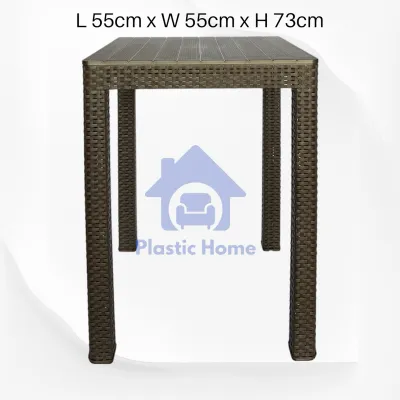
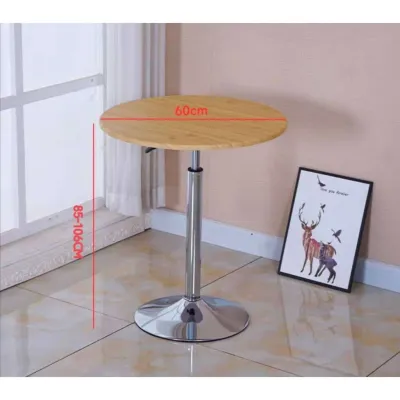
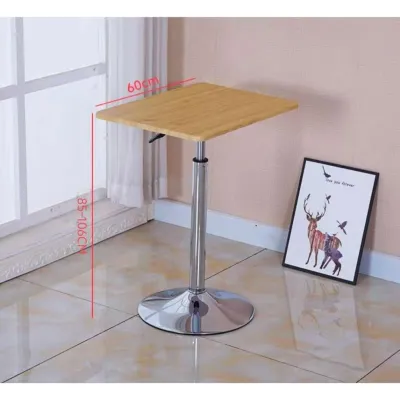
Prices are valid at publication and may change. Please refer to the product page for the latest price.
For fully exposed spaces that receive direct sunlight and heavy rain, prioritize materials that do not absorb water and are highly resistant to UV degradation. Powder-coated aluminum is exceptional here because it does not rust, remains relatively cool compared to ferrous metals, and requires minimal upkeep. Alternatively, premium hardwoods like teak contain natural oils that repel water and resist rot, making them highly reliable even when left completely uncovered.
For semi-exposed or covered spaces, such as a veranda or a covered patio, your options expand. Synthetic rattan woven over a rust-proof frame provides a relaxed, tropical aesthetic while remaining safe from occasional wind-blown rain and indirect sunlight. Treated woods like acacia can also thrive in these shaded environments, provided they are shielded from prolonged, direct downpours.
Beyond the surface material, the physical design of a hightable is crucial for outdoor stability. Because high tables have a higher center of gravity than standard dining tables, they are more susceptible to being tipped over by strong winds. Look for tables with a heavy, wide base or those that feature an aerodynamic foot design that allows wind to pass through easily.
How the Tropical Climate Challenges Outdoor Furniture
The climate in the Philippines presents a unique combination of environmental forces that can rapidly degrade standard furniture materials. Understanding these challenges helps you identify why indoor-grade or low-quality outdoor pieces fail so quickly.

Intense UV Radiation The tropical sun delivers high levels of ultraviolet (UV) radiation year-round. This constant exposure breaks down the chemical bonds in many plastics, leading to fading, surface chalking, and extreme brittleness. For untreated wood, intense sunlight dries out the natural moisture, leading to surface cracks, splitting, and a rapid loss of structural integrity.
High Humidity and Moisture With relative humidity levels frequently exceeding 80 percent, moisture is a constant threat. This ambient dampness prevents wood from drying out completely, creating an ideal breeding ground for mold, mildew, and wood-rotting fungi. For metals, high humidity accelerates the oxidation process, causing unprotected iron and steel to rust from the inside out.
Heavy Monsoon Rains During the wet season, torrential rains dump massive volumes of water in short periods. Water can pool on flat table surfaces, eventually seeping into joints, screw holes, and structural seams. Once inside, this trapped water weakens adhesives, rots internal wood frames, and causes rapid structural failure that might not be visible from the outside until it is too late.
Evaluating Common Hightable Materials for Outdoor Use
To find the best outdoor hightable, you must evaluate how different materials handle moisture, UV exposure, and physical wear. A systematic comparison reveals the distinct advantages and trade-offs of each option.
Hardwoods (e.g., Teak, Acacia)
Natural wood brings an organic warmth to outdoor spaces, but not all wood species perform equally under tropical conditions. Teak is widely considered the gold standard for outdoor furniture due to its exceptionally high natural oil content and dense grain structure, which naturally repel water, insects, and rot. Acacia is a more budget-friendly alternative, but it lacks the same level of natural oil protection and requires far more diligent maintenance to prevent cracking.
Before purchasing any wooden hightable, verify that the timber was kiln-dried. Kiln-drying stabilizes the wood’s internal moisture content, significantly reducing the risk of severe warping or splitting when exposed to the fluctuating humidity of the Philippines.
Keep in mind that all natural wood will undergo a cosmetic change when exposed to UV light. Over time, the sun will cause the wood to transition to a silvery-gray patina; while this does not affect the structural integrity of teak, you must regularly apply outdoor-grade sealants or penetrating oils if you prefer to maintain the original warm, golden-brown wood tone.
Metals (Aluminum vs. Steel)
Metal high tables offer excellent structural stability and clean, modern profiles, but their longevity depends entirely on the type of metal used. Aluminum is naturally rust-resistant because it forms a protective oxide layer when exposed to air, making it the superior choice for high-humidity areas or coastal homes where salty air accelerates corrosion.
Steel, while heavier and often less expensive, is highly vulnerable to rust. If you choose a steel hightable, ensure it has been hot-dip galvanized or treated with a thick, high-quality powder coating. Any scratch in the protective coating of a steel table can allow moisture to reach the underlying metal, leading to rapid, unsightly rust that spreads beneath the paint.
When inspecting metal furniture, look closely at the construction joints. Welded joints are highly preferable to screwed or bolted joints because they eliminate the small gaps where water can pool, preventing internal corrosion and maintaining structural rigidity over time.
Synthetic Rattan and Wicker
Woven furniture provides a classic, breezy aesthetic that complements tropical landscapes, but buyers must distinguish between natural and synthetic materials. Natural rattan and wicker absorb moisture rapidly, leading to mold, rot, and complete structural collapse within months if kept outdoors in the Philippines.
For outdoor use, always select synthetic rattan made from High-Density Polyethylene (HDPE) or Polyethylene (PE). These polymers are specifically engineered to withstand UV radiation and moisture without cracking, fading, or stretching. Avoid cheaper Polyvinyl Chloride (PVC) options, as PVC degrades quickly under intense sunlight, becoming brittle and snapping.
Additionally, always verify the material used for the inner frame of synthetic rattan furniture. A weather-resistant HDPE outer weave is of little use if it is wrapped around a cheap, untreated steel frame that will rust and collapse from the inside. Insist on powder-coated aluminum frames beneath the weave.
Resin and Heavy-Duty Plastics
Molded resin and high-grade plastics offer a lightweight, low-maintenance, and cost-effective solution for outdoor dining. However, standard household plastics will quickly degrade, warp, and discolor under the hot Philippine sun.
To ensure longevity, look for high tables explicitly labeled as UV-stabilized or made from commercial-grade polypropylene. These materials are chemically treated to resist solar degradation, ensuring they retain their color and structural strength over years of exposure.
Because high tables have long legs, the top surface must be structurally sound to prevent sagging. Before buying, check the underside of the plastic tabletop for molded, reinforced ribs; these structural supports prevent the flat surface from bowing or warping when exposed to high midday temperatures.
Specifications and Labels to Verify Before Purchase
When shopping for an outdoor hightable, marketing terms like “all-weather” or “outdoor-safe” can be misleading. To make an informed purchase, look for specific technical details and manufacturing standards that prove the table can handle a tropical climate.
UV Protection Ratings Do not rely on vague product descriptions. Look for specifications that detail the level of UV protection, such as “UV-resistant up to 3,000 hours” or the use of specific UV-stabilized polymers. This is particularly critical for synthetic rattan, resin, and outdoor fabric components.
Quality of Metal Finishes For metal tables, verify the type of powder coating applied. Polyester powder coatings offer excellent UV resistance and color retention, making them ideal for outdoor use. Ensure that the coating is applied evenly across the entire frame, including the undersides of joints and around screw holes where moisture is most likely to penetrate.
Wood Treatments and Certifications If purchasing wood, ask whether the piece has been pre-treated with a marine-grade varnish or a protective outdoor oil. Check the manufacturer’s care instructions to see if they recommend immediate sealing upon assembly, and ensure the wood is sourced from sustainably managed forests to guarantee quality harvesting and drying processes.
Base and Feet Engineering Examine the bottom of the table legs. A high-quality outdoor hightable should feature adjustable leveling feet made of non-corrosive materials like nylon or stainless steel. These feet allow you to stabilize the table on uneven patio tiles or stone decks, and they keep the main frame of the table elevated slightly above pooling rainwater, preventing moisture from wicking up the legs.
Seasonal Maintenance for Tropical Conditions
Even the most durable outdoor materials require regular care to survive the extreme seasonal shifts in the Philippines. Implementing a simple, proactive maintenance routine will significantly extend the lifespan of your hightable.
Routine Cleaning Wash your table regularly using a soft cloth, mild dish soap, and warm water to remove salt, dust, pollen, and bird droppings. Avoid using harsh chemical cleaners, bleach, or high-pressure washers, as these can strip away protective wood oils, degrade UV inhibitors, and chip powder-coated finishes.
Wet Season Preparation Before the heavy monsoon rains arrive, invest in high-quality, breathable, and waterproof furniture covers. It is vital to use covers specifically designed for outdoor furniture rather than cheap, non-breathable plastic tarps. Non-breathable plastics trap humidity underneath, creating a hot, damp greenhouse effect that accelerates mold growth, wood rot, and metal oxidation.
Dry Season Care As the dry, hot summer months approach, conduct a thorough inspection of your table. Check metal frames for any scratches or paint chips; sand these areas lightly and apply a matching rust-inhibiting touch-up paint. For wooden tables, clean the surface and reapply a fresh coat of penetrating outdoor wood oil to replenish the timber’s natural moisture barrier before the intense sun peaks.
Severe Weather Protocol Typhoons and severe tropical storms are common occurrences. Because of their height and wind profile, high tables should never be left fully exposed during a storm. Before a typhoon makes landfall, move your hightable into a secure indoor space or a fully enclosed garage. If indoor storage is not available, lay the table flat on its side in a sheltered area of your yard and secure it to prevent it from becoming a dangerous projectile in high winds.
Frequently Asked Questions (FAQ)
Can I use indoor high tables outside if I apply a waterproof sealant?
No, you should not use indoor high tables outdoors, even with a waterproof sealant. Indoor furniture is typically constructed using materials like Medium-Density Fiberboard (MDF), particleboard, or softwoods that are highly susceptible to moisture absorption. These materials expand and disintegrate when exposed to high ambient humidity, regardless of any surface coating. Additionally, indoor adhesives and joint designs are not engineered to withstand the thermal expansion and contraction caused by outdoor temperature shifts, leading to structural failure at the joints.
Is a glass top suitable for an outdoor high table?
A glass top can be used outdoors, but it must meet strict safety and design requirements. Only use tempered or toughened glass, which is designed to resist thermal stress from intense direct sunlight and will break into small, blunt pieces rather than sharp shards if shattered. Additionally, ensure the glass is secured to the frame with heavy-duty rubber grommets or suction cups to prevent it from sliding off during high winds, and avoid placing glass tables in areas where falling debris from overhanging trees could cause impact damage.
Community discussion
Share your experience or ask a question. Comments are reviewed before publication.