
Finding the right storage solution for a compact bedroom in the Philippines can be a significant challenge. Bulky wooden wardrobes often overwhelm limited floor space and are highly susceptible to humidity damage and pests. A high-quality metal clothes organizer offers a durable, space-saving alternative that keeps your wardrobe organized without making your room feel cramped.
By utilizing vertical space, open-frame designs, and moisture-resistant finishes, these organizers provide maximum storage capacity while maintaining an airy feel. The best options for compact local homes include freestanding garment racks with integrated shoe storage, modular wire shelving systems, wall-mounted racks, and rolling utility carts. Choosing the right system requires understanding your specific space constraints, storage habits, and the maintenance needs dictated by a tropical climate.
Why Metal is Ideal for Compact Bedrooms in the Philippines
Many urban apartments, condominiums, and townhouses in Metro Manila and other major cities feature highly restricted bedroom footprints. Traditional wooden closets take up substantial physical and visual volume, making a tiny room feel even smaller. Thin-profile metal frames solve this issue by maintaining open sightlines. This visual lightness allows natural light to pass through the room, creating an illusion of a more spacious and airy environment rather than blocking off entire walls.
Products mentioned in this guide
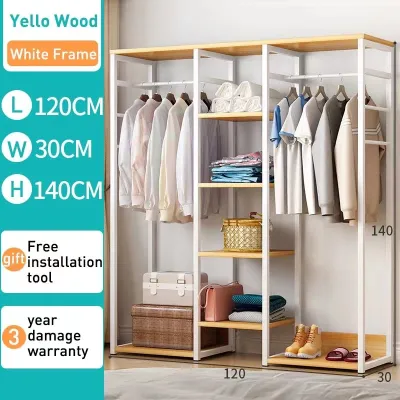
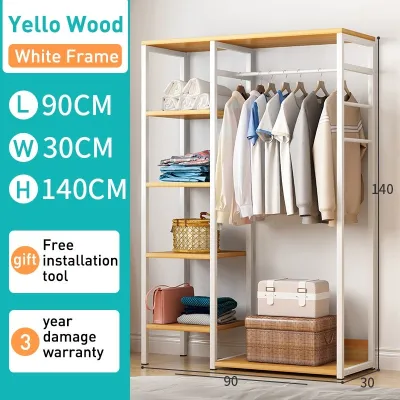
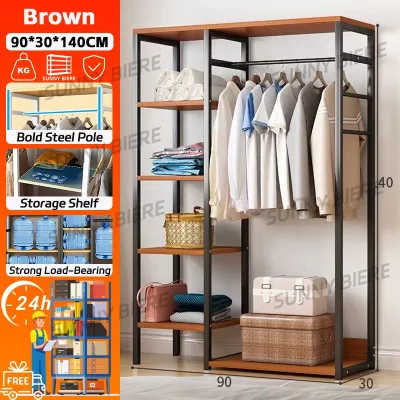
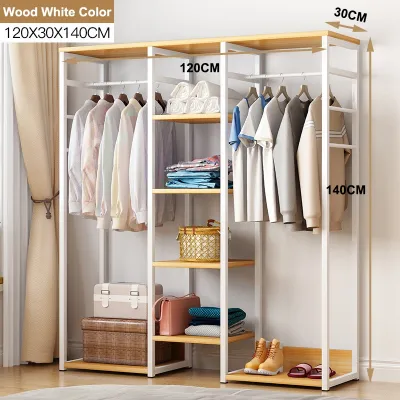

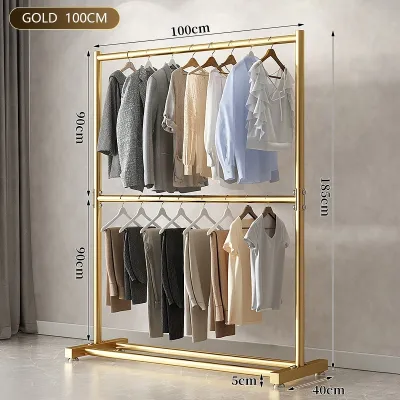
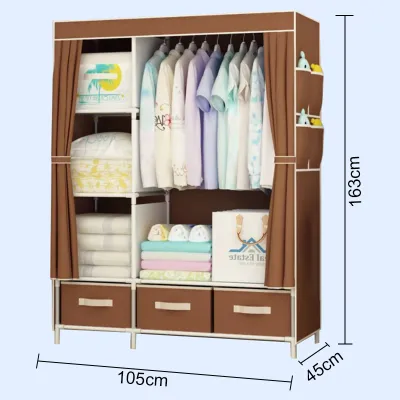
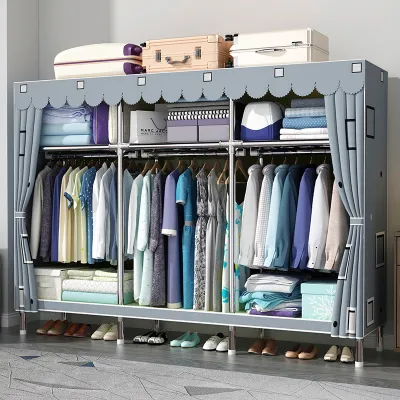
Prices are valid at publication and may change. Please refer to the product page for the latest price.
Our local tropical climate also presents unique challenges for furniture preservation. High relative humidity throughout the year, especially during the rainy season, creates a breeding ground for mold and mildew on organic materials like untreated wood or medium-density fibreboard (MDF). Furthermore, wood is highly susceptible to wood-boring insects and termites, locally known as anay, which can silently destroy expensive built-in wardrobes. Metal organizers are inherently immune to these pests, providing a long-term storage solution that will not rot, warp, or decay over time.
However, it is important to remember that not all metal furniture is created equal. Unprotected iron or steel will quickly rust when exposed to salty coastal air or high indoor humidity. Therefore, choosing a metal organizer with a robust protective surface finish is essential for ensuring longevity in Philippine households. When selected carefully, metal storage units offer a superior balance of durability, hygiene, and space efficiency.
What to Look for in a Space-Saving Metal Organizer
Before browsing online marketplaces or visiting local furniture showrooms, you should define your evaluation criteria. Understanding these key factors will help you filter out low-quality options and find a system that fits your lifestyle.

Surface Treatment
This is your primary defense against moisture and rust. Look for metal organizers that feature high-quality powder coating, chrome plating, or are made of stainless steel. Powder coating baked at high temperatures creates a thick, resilient barrier that resists scratching and moisture. Chrome plating offers a sleek, reflective look but must be kept dry to prevent pitting. Stainless steel is highly rust-resistant but generally comes at a higher price point. Always check the product description for these specific treatments rather than assuming any metallic-looking frame is rust-proof.
Footprint vs. Vertical Storage
When floor space is at a premium, you must build upward. Prioritize organizers that feature a narrow base but extend high toward the ceiling. A unit that is 180 centimeters tall but only 60 centimeters wide maximizes vertical space that would otherwise go unused. This allows you to store off-season garments, bed linens, or storage boxes high up, leaving the lower levels accessible for daily wear.
Weight Capacity
Never assume that all metal frames are equally strong. A thin, hollow-tube aluminum rack will buckle under a heavy wardrobe, whereas a carbon steel frame with reinforced joints can support substantial weight. Always verify the manufacturer’s stated weight limits per shelf or hanging rod. Look for structural reinforcements such as double-bar frames, triangular corner brackets, or crossbars on the back of the unit, which prevent swaying under heavy loads.
Modularity and Adjustability
Your wardrobe needs will change over seasons and years. A static organizer limits your options, whereas a modular system allows you to adapt. Look for wire shelves with adjustable slip-sleeve collars that let you change shelf heights in small increments. Removable side hooks are excellent for hanging bags or hats, while expandable frames can widen or contract depending on the available wall space in your bedroom.
Best Types of Metal Clothes Organizers for Small Rooms
Different room layouts and storage habits require different structural designs. Here are the four most effective types of metal clothes organizers designed specifically to solve small-space problems.
Freestanding Garment Racks with Shoe Storage
Best for: Daily outfits, air-drying clothes, or rooms without built-in closets.
These units feature a single or double hanging rod positioned above one or two lower shelves. They are ideal for creating an “open closet” concept, allowing you to plan your weekly outfits or easily air out clothes that have been worn briefly but do not need washing yet. The open design promotes airflow, which is highly beneficial in preventing musty odors in humid climates.
Key features to check: Ensure the bottom shelves are solid or have closely spaced metal slats. This low-profile storage area is perfect for organizing shoes, storage bins, or folded denim. A heavy bottom shelf lowers the unit’s center of gravity, which significantly reduces the risk of the rack tipping over when fully loaded with heavy garments on the top rod.
Limitations: Because your clothes are completely exposed, they are vulnerable to settling dust and direct sunlight, which can fade fabrics over time. An open rack also demands a high level of neatness; an unorganized, overstuffed rack will quickly make a small bedroom look chaotic and cluttered.
Modular Wire Shelving Systems
Best for: Storing folded clothes, fabric storage boxes, and shoes in tight corners or alcoves.
These systems consist of heavy-duty steel wire grids that can be configured into various shelving layouts. They are incredibly versatile and can be customized to fit awkward spaces, such as narrow wall recesses or the unused space beneath a loft bed. The open-grid design ensures excellent ventilation, keeping stored fabrics fresh.
Key features to check: Examine the grid spacing carefully. If the wires are spaced too far apart, small items or thin heels can slip through. Look for systems that include plastic or fabric shelf liners, which create a flat, stable surface for smaller accessories or delicate clothing items while still allowing air to circulate around the perimeter.
Limitations: Assembly can be a tedious and time-consuming process, often requiring a rubber mallet and careful leveling of multiple plastic sleeves. Additionally, while the steel wire is strong, individual shelves can begin to sag or bow in the center if you exceed the manufacturer’s specified weight limits with heavy stacks of books or packed storage boxes.
Over-the-Door and Wall-Mounted Metal Racks
Best for: Accessories, belts, scarves, hats, or lightweight garments.
When floor space is virtually non-existent, wall-mounted or over-the-door metal organizers are the ultimate space-saving solution. They utilize completely dead space—such as the back of your bedroom door or the blank wall above a desk—to hang everyday accessories, light jackets, or bags, keeping them off your bed and floor.
Key features to check: For over-the-door models, measure your door’s thickness and the gap at the top of the frame to ensure the bracket will fit without scraping or preventing the door from closing. For wall-mounted units, identify your wall type. Concrete or solid brick walls require heavy-duty masonry anchors and a hammer drill for installation, whereas hollow drywall requires specialized toggle bolts to prevent the rack from tearing out of the wall.
Limitations: These organizers are not designed to hold heavy winter coats, thick blankets, or large batches of heavy denim. Overloading them can damage your door hinges or pull the screws out of the wall. Additionally, if you are renting an apartment, drilling holes into concrete walls may be restricted by your lease agreement, making over-the-door options the safer choice.
Rolling Metal Utility Carts
Best for: Storing folded items, laundry, or accessories that need to be moved around or tucked away when not in use.
A rolling cart with three or more tiers offers incredible flexibility in multi-purpose bedrooms or shared spaces. You can easily roll the cart next to your bed to act as a nightstand, move it to a corner when getting dressed, or wheel it directly to the laundry area.
Key features to check: Look for heavy-duty casters that glide smoothly. At least two of the wheels should feature lockable brakes to keep the cart securely stationary when parked. Deep-tiered baskets or solid metal trays with raised edges are ideal for keeping folded clothes, socks, or beauty products from falling out while the cart is in motion.
Limitations: While mobile, a utility cart still occupies physical floor space when in use. Furthermore, standard hard plastic or metal wheels can easily scratch delicate flooring surfaces like wood laminates or vinyl tiles; you may need to apply felt pads to the wheels or ensure the wheels are made of soft polyurethane if your floor is prone to scratching.
How to Measure Your Space and Verify Product Specs
To avoid the frustration of buying an organizer that does not fit, precise measurement is essential. Do not rely on visual estimations or the stylized photos on e-commerce listings, which often use clever angles to make products look larger or smaller than they actually are. Always cross-check the exact height, width, and depth listed in the product specifications.
Clearance Checks
Beyond the physical footprint of the organizer, you must account for the functional space around it. Measure the swing radius of your bedroom door, closet doors, and any nearby dresser drawers. Ensure that placing the metal rack in its designated spot will not block these doors from opening fully. Additionally, leave a few centimeters of clearance between the rack and the wall to prevent the metal frame from scratching your wall paint during use.
Delivery and Assembly Path
Many metal organizers are shipped as flat-pack units that require home assembly. While the final assembled unit might fit your room, you must ensure you can physically transport the packaging into your home. Measure the width of your hallways, stairwells, elevator doors, and entry door frames. This is especially crucial for high-rise condominium residents who may have to navigate tight corners and narrow service lifts.
Verifying Dimensions
Always keep a tape measure handy when shopping online. Draw the dimensions of the organizer on your bedroom floor using masking tape to get a realistic physical representation of how much space the unit will occupy. This simple step prevents the common mistake of purchasing a rack that crowds your walking paths.
Stability and Safety
Tall, narrow metal organizers have a high center of gravity, making them susceptible to tipping if they are loaded unevenly or bumped. If you have children or pets who might climb or pull on the shelves, anchoring the unit to the wall is a non-negotiable safety step. Check the product description or manual to see if an anti-tip wall-anchoring kit is included. If not, purchase compatible L-brackets and wall anchors separately to secure the frame to a solid wall stud or concrete surface.
Preventing Rust and Maintaining Metal in Humid Weather
The tropical climate of the Philippines presents unique maintenance challenges for metal furniture. High humidity and salt air can accelerate oxidation, leading to rust if the metal is not properly cared for. Taking proactive steps will significantly extend the lifespan of your organizer.
Placement
Position your metal organizer away from potential moisture sources. Avoid placing it directly against external walls, which can sweat or absorb moisture during heavy downpours. Keep the unit away from the direct blast of air conditioning units, as the cold air can cause condensation to form on the metal frame. Additionally, avoid placing it in direct, intense sunlight, which can cause powder coatings to crack or fade over time.
Routine Cleaning
Keep the metal clean by wiping it down regularly with a dry or slightly damp microfiber cloth to remove dust and oils from your hands. Avoid using harsh chemical cleaners, bleach, or abrasive scrubbing pads like steel wool. These harsh materials can micro-scratch the protective clear coat or paint, exposing the raw steel underneath to ambient moisture.
Moisture Control
To combat high indoor humidity, place active moisture absorbers or silica gel packets inside any fabric storage boxes or baskets kept on the shelves. During the rainy season, running a compact household dehumidifier in your bedroom can dramatically lower the relative humidity, protecting both your metal furniture and your clothing from mold and mildew.
Scratch Care
Inspect your metal organizer periodically for any chips or deep scratches in the paint or powder coating. If you notice a scratch, do not leave it exposed. Clean the area thoroughly, let it dry, and seal it immediately. You can use a small dab of clear nail polish or matching anti-rust metal paint to coat the exposed metal, preventing rust from creeping beneath the surrounding finish.
Frequently Asked Questions (FAQ)
Can metal clothes organizers support heavy denim and winter jackets?
Yes, but the weight capacity depends entirely on the metal’s thickness, tube diameter, and joint construction. Heavy-duty carbon steel racks with welded joints or reinforced crossbars can easily support multiple pairs of heavy denim and thick outerwear. However, lightweight aluminum or thin-walled hollow steel racks may bow or buckle under the same load. Always check the manufacturer’s specified weight limit before loading the rack. To maintain stability, distribute heavier items evenly across the lower sections of the rack rather than clustering them in one spot or hanging them all at one end.
How do I stop a freestanding metal rack from wobbling on uneven floors?
Many high-quality freestanding metal organizers come equipped with adjustable leveling feet at the base of the legs. You can simply screw these feet in or out to compensate for minor dips in your flooring. If your chosen rack does not have built-in levelers, you can stabilize it by placing heavy-duty adhesive felt pads or small wooden shims under the shorter legs. Never use the rack while it is wobbling, as the uneven weight distribution increases the risk of the unit tipping over when you hang or remove clothes.
Are wire shelves better than solid metal shelves for folded clothes?
Both options have distinct advantages depending on your priorities. Wire shelves are highly recommended for the humid Philippine climate because the open grid design allows maximum airflow around your clothes, which helps prevent the buildup of musty odors, mold, and mildew. However, the wire grids can leave temporary creases in soft, delicate fabrics and allow small accessories to fall through. Solid metal shelves provide a perfectly flat, stable surface for neat stacking but can trap moisture if the room is poorly ventilated. A practical compromise is to use breathable fabric or plastic shelf liners on wire shelves to protect your clothes while maintaining adequate air circulation.
Community discussion
Share your experience or ask a question. Comments are reviewed before publication.