
Selecting the right kitchen storage in the Philippines requires balancing space efficiency with long-term durability. Traditional wooden cabinetry often struggles against the country’s persistent tropical humidity, seasonal rains, and common household pests. A heavy-duty metal hanging cabinet offers a highly resilient, modern alternative that maximizes vertical wall space while keeping your cookware, dinnerware, and pantry items safe from moisture and damage.
To find the best metal hanging cabinet for your kitchen, you must look beyond aesthetics. The ideal storage unit must feature high-grade materials like 304 stainless steel or thick, powder-coated carbon steel to resist rust. It must also feature robust welded joints, reliable door seals, and a load capacity designed to handle heavy kitchenware. Proper installation is equally critical, as mounting a heavy metal cabinet onto typical hollow concrete block walls requires specific anchoring techniques to ensure safety and stability.
Quick Guide to Choosing Metal Hanging Cabinets
When shopping for a metal hanging cabinet in the Philippines, prioritize moisture resistance and structural load capacity above all else. The local climate is characterized by high relative humidity and elevated temperatures, which create a highly corrosive environment for low-quality metals. Opting for 304 stainless steel or high-quality powder-coated carbon steel is essential to prevent premature rusting and paint peeling.
Products mentioned in this guide
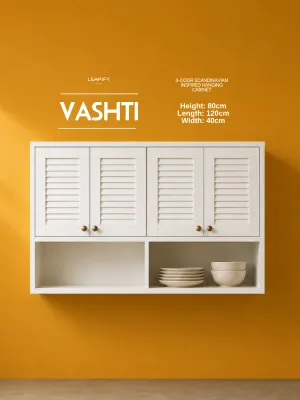
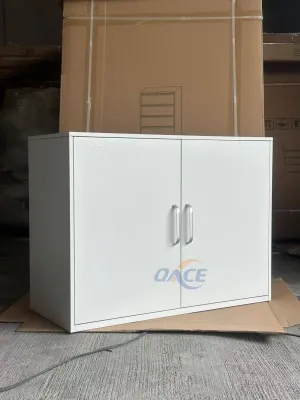
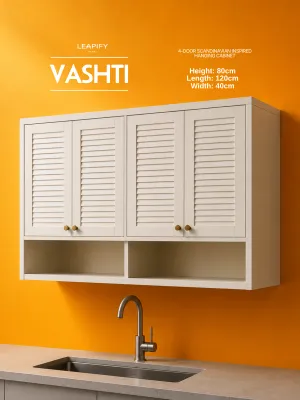
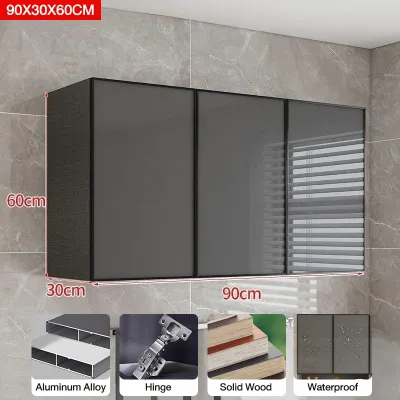
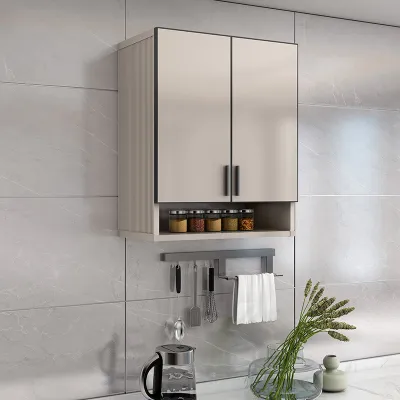
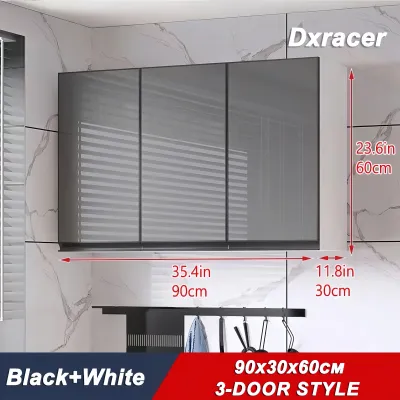
Prices are valid at publication and may change. Please refer to the product page for the latest price.
Before finalizing any purchase, measure your available wall space and assess your wall’s construction. Most residential walls in the country are built from concrete hollow blocks, which require specialized heavy-duty expansion anchors rather than standard plastic wall plugs. Ensuring that both the cabinet material and the mounting hardware are suited to your specific kitchen environment will guarantee a safe, long-lasting storage solution.
Why Metal Wall Cabinets Excel in Philippine Kitchens
Philippine kitchens face unique environmental challenges that can rapidly degrade standard furniture materials. High ambient humidity, which frequently exceeds 80 percent during the wet season, combined with daily cooking steam, creates a breeding ground for mold and mildew. Traditional engineered wood, such as medium-density fiberboard (MDF) or particleboard, readily absorbs this moisture, causing the panels to swell, warp, and lose structural integrity over time.

Pest infestation is another critical concern for local homeowners. Termites (anay) and wood-boring beetles (bukbok) can silently destroy wooden cabinetry from the inside out, leading to costly repairs or sudden structural failures. Metal hanging cabinets are completely impervious to these pests, providing a secure barrier that protects your dry food items, spices, and expensive dinnerware from insect damage.
Additionally, Filipino cooking styles often involve high-heat sautéing, deep frying, and simmering rich broths, which disperse airborne grease, oil splatters, and heavy condensation throughout the kitchen. Porous wood surfaces absorb these oils, leading to stubborn stains, unpleasant odors, and sticky residues that are difficult to remove. Metal surfaces are non-porous and highly hygienic; they allow you to easily wipe away grease and grime using simple household cleaners, keeping your food preparation area clean and sanitary with minimal effort.
Crucial Buying Criteria for Metal Hanging Cabinets
Investing in a metal hanging cabinet requires a careful evaluation of product specifications to ensure you select a unit that will perform reliably under daily use. Use this checklist to assess the quality, safety, and functionality of potential cabinets before making a decision.
Material and Finish Quality
Do not assume all metal cabinets are created equal. When browsing stainless steel options, verify whether the manufacturer uses 304 or 201 grade steel. Grade 304 stainless steel contains higher levels of chromium and nickel, providing exceptional resistance to rust, food acids, and moisture. Grade 201 is more affordable but is highly susceptible to tea staining and corrosion in humid or coastal environments.
If you choose carbon steel cabinets, inspect the quality of the powder coating. A high-quality powder coat is applied electrostatically and cured under heat to form a tough, continuous protective barrier. Check the cabinet thoroughly upon delivery to ensure the coating is thick, even, and entirely free of pinholes, bubbles, or scratches, as any exposed carbon steel will rust rapidly when exposed to kitchen steam.
Remember that a material label alone does not guarantee weather or moisture performance. Even a cabinet labeled as “stainless steel” can rust if the joints are poorly finished or if the manufacturer’s care instructions are ignored. Inspect the welds at the corners; they should be ground smooth and polished to prevent moisture from trapping in rough crevices. Always review the manufacturer’s care guidelines, as using the wrong cleaning agents can void your warranty and strip away protective coatings.
Load Capacity and Structural Design
Kitchen storage must support considerable weight, from heavy ceramic plates and glass storage jars to cast-iron pans and canned goods. Always check the manufacturer’s specified maximum load capacity, which is typically detailed in kilograms per shelf. Look for cabinets with reinforced internal brackets, double-walled door panels, and fully welded corner joints rather than simple screw-together assembly.
Adjustable shelving is another valuable feature, allowing you to customize the interior layout to fit tall stockpots or stacked plates. High-quality cabinets often feature reinforced support channels welded beneath each shelf to prevent the metal from bowing or sagging under heavy loads over time.
Dimensions, Clearance, and Accessibility
Before purchasing, measure your kitchen wall space, taking into account the finished dimensions of the cabinet, including its depth, width, and height. Standard kitchen hanging cabinets are usually 30 to 40 centimeters deep; choosing a unit that is too deep can result in a cramped workspace and cause you to bump your head while prepping food on the countertop below.
Ensure there is adequate clearance between the bottom of the cabinet and your countertop, typically between 45 and 60 centimeters. You must also calculate the swing radius of the cabinet doors to ensure they do not strike range hoods, ceiling fans, light fixtures, or adjacent walls when fully opened. If space is tight, consider cabinets with sliding glass doors or open shelving configurations to maintain easy access without obstructing your movement.
Additionally, consider the delivery and assembly conditions of the cabinet. Large, fully welded stainless steel cabinets are delivered fully assembled, which means you must measure your doorways, hallways, and condominium elevator dimensions to ensure the unit can be safely transported into your kitchen. If access is tight, opting for flat-packed, powder-coated steel units that can be assembled directly inside the kitchen is a much more practical choice.
Recommended Types of Metal Cabinets for Kitchen Storage
Different kitchen layouts and storage habits require different cabinet configurations. Understanding the strengths and limitations of each style will help you choose the right metal hanging cabinet for your specific cooking and organizing needs.
Fully Enclosed Stainless Steel Cabinets
Fully enclosed stainless steel cabinets are the gold standard for hygienic, heavy-duty kitchen storage. These units feature solid stainless steel doors, often equipped with magnetic gaskets or soft-close hinges that create a tight seal when closed. This design is highly effective at keeping out dust, grease, and common household pests like ants and cockroaches.
These cabinets are ideal for installation directly above wet areas, such as the kitchen sink, or near the main cooking range where exposure to steam and grease is highest. The seamless welded construction ensures that water cannot seep into joints and cause structural damage. However, these premium units carry a higher price point and require regular wiping with a microfiber cloth to prevent hard water spots and visible fingerprints from dulling the metallic shine.
Powder-Coated Steel Cabinets with Mesh or Glass Doors
For homeowners who want a balance of durability, visual appeal, and ventilation, powder-coated steel cabinets with mesh or glass door inserts are an excellent choice. These cabinets are available in a wide range of colors, allowing you to match your kitchen’s existing decor while enjoying the structural strength of metal.
Mesh doors are particularly beneficial in tropical climates because they allow air to circulate freely. This prevents moisture from trapping inside the cabinet, making them ideal for storing freshly washed mugs, bowls, and daily-use plates. Glass doors, on the other hand, offer excellent visibility so you can locate items quickly, though they do require frequent cleaning to keep the glass free of grease film. When purchasing powder-coated models, always inspect the frame edges carefully during delivery, as chipped paint can quickly lead to localized rust.
Open Metal Wire Grid Wall Shelves
If you are looking for a budget-friendly, highly accessible storage solution, open metal wire grid wall shelves are an outstanding option. These minimalist structures consist of heavy-gauge steel wire coated in chrome, epoxy, or stainless steel, providing a lightweight yet remarkably strong storage platform.
The open wire design ensures maximum airflow, allowing wet dishes to air-dry rapidly without pooling water. They are also incredibly easy to clean, as dust and grease have very little surface area to settle on. However, because the contents are completely exposed to the kitchen environment, these shelves should be mounted away from direct stove splatters to prevent oil buildup on your clean dishes. Look for wire shelves with raised front safety lips or integrated plate slots to keep items securely in place.
Safe Installation and Wall Load Requirements
Mounting a heavy metal cabinet onto a kitchen wall is a critical task that must be executed with precision. A fully loaded cabinet filled with ceramic dinnerware and canned goods can easily weigh upwards of 50 kilograms, making secure anchoring essential to prevent catastrophic wall failures or injuries.
Wall Type Assessment
Before drilling, you must identify the construction material of your kitchen wall. In the Philippines, most residential interior walls are made of concrete hollow blocks (CHB) finished with a layer of plaster. CHB walls have hollow centers, meaning standard plastic wall plugs do not have enough solid material to grip securely under heavy loads. For these walls, you must use specialized heavy-duty sleeve anchors or double-expansion metal bolts that expand inside the hollow cavity to create a secure hold.
If your kitchen features drywall partitions (common in newer condominium developments), you must never mount a heavy metal cabinet directly to the gypsum board using standard hollow-wall anchors. The cabinet must be anchored directly into the internal metal or wooden wall studs. Use a stud finder to locate these structural supports and secure the cabinet mounting bracket using heavy-duty wood or self-tapping metal screws.
Hardware and Anchors
Never rely blindly on the mounting screws and plastic plugs included in the cabinet packaging, as these are often generic and may not be rated for the maximum weight of a fully loaded cabinet. Upgrade to high-quality, corrosion-resistant stainless steel expansion bolts or sleeve anchors designed specifically for masonry. Ensure the anchor is long enough to penetrate past the soft outer plaster coating (which can be 1 to 2 centimeters thick) and deep into the solid concrete core of the wall.
Professional Help and Safety
If you do not own a high-powered hammer drill, if the wall sounds hollow when tapped, or if you are unsure of the location of hidden electrical conduits and water pipes, do not attempt a DIY installation. Hire a qualified local carpenter, contractor, or professional installer who has experience with heavy masonry mounting. Always consult the manufacturer’s installation manual to verify the maximum load capacity, the required number of anchoring points, and the recommended mounting height to ensure a stable and safe setup.
Maintenance Tips to Prevent Rust in Humid Climates
Even high-quality metal hanging cabinets require routine maintenance to withstand the corrosive combination of tropical heat, high humidity, and airborne cooking oils. Implementing a regular cleaning schedule will preserve the appearance and structural integrity of your cabinets for decades.
Clean all metal surfaces at least once a week using a soft microfiber cloth dampened with warm water and a mild, non-abrasive dishwashing soap. This simple routine effectively removes grease film and salt residue before they can attack the metal’s protective finish. Never use harsh chemical bleach, acid-based cleaners, ammonia, or abrasive scrubbing pads like steel wool, as these will scratch powder coatings and strip away the passive chromium oxide layer that protects stainless steel from rusting.
After cleaning, or after heavy cooking sessions that generate lots of steam, immediately wipe all surfaces dry with a clean towel. Pay close attention to hidden areas, such as door hinges, screws, shelf brackets, and welded joints, where moisture tends to pool. Periodically inspect these areas for tiny orange rust spots. If you detect early signs of oxidation on a powder-coated cabinet, gently sand the affected spot with fine-grit sandpaper, wipe it clean, and apply a thin coat of rust-inhibiting touch-up paint to seal the metal and prevent the rust from spreading.
Frequently Asked Questions (FAQ)
Can I install a metal hanging cabinet on a tiled kitchen wall?
Yes, you can install a metal hanging cabinet on a tiled wall, but you must take extra precautions to prevent the ceramic or porcelain tiles from cracking. Use a specialized diamond-tipped or carbide-tipped tile drill bit to slowly and carefully drill through the hard outer glaze of the tile. Keep the drill at a low speed and do not engage the hammer function while drilling through the tile itself. Once the bit has fully penetrated the tile and reached the concrete wall behind it, you can switch to a standard masonry drill bit and safely activate the hammer action to drill the anchor hole. If you are dealing with old, brittle, or hollow-backed tiles, it is highly recommended to hire a professional installer to avoid damaging your backsplash.
Is 201 stainless steel good enough for kitchen cabinets?
While 201 stainless steel is a popular, budget-friendly option, it is generally not recommended for long-term use in humid Philippine kitchens. Grade 201 contains lower levels of nickel and chromium, making it significantly more susceptible to tea staining, pitting, and rust when exposed to constant cooking steam, high humidity, and salty coastal air. For areas near the kitchen sink, stovetop, or semi-open dirty kitchens, investing in 304 stainless steel is the far safer and more durable choice, as its superior corrosion resistance ensures the cabinet remains rust-free and structurally sound for years to come.
Community discussion
Share your experience or ask a question. Comments are reviewed before publication.