
The best mini bed tables with built-in charging ports and storage combine compact footprints—typically under 40 centimeters in width—with integrated electrical hubs and smart organization. In the Philippines, where urban condominium units and studio apartments require smart space utilization, these multifunctional pieces eliminate bedside cable clutter while keeping essential devices powered. Choosing the right option requires balancing electrical safety, physical dimensions, storage configurations, and material durability against the local tropical climate.
By integrating power outlets, USB ports, and dedicated storage compartments directly into a single compact footprint, these modern nightstands serve as central hubs for your nightly routine. They ensure that your devices are fully charged and your sleeping environment remains organized and peaceful.
Why Choose a Mini Bed Table with Built-in Power and Storage?
Urban living in the Philippines, particularly in major metropolitan areas like Metro Manila, Metro Cebu, and Davao, has seen a significant shift toward high-rise condominiums and studio apartments. These modern residences offer convenience but often come with limited bedroom square footage, making traditional, bulky furniture impractical. A mini table for bed addresses this spatial constraint by providing a highly functional, narrow-profile solution that fits snugly into tight corners or narrow gaps between the bed frame and the wall. This allows homeowners and renters to maximize their floor plan without sacrificing the convenience of having a dedicated bedside companion.
Products mentioned in this guide
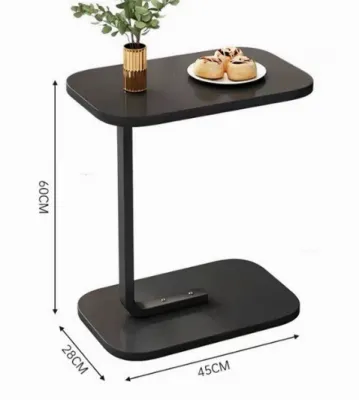
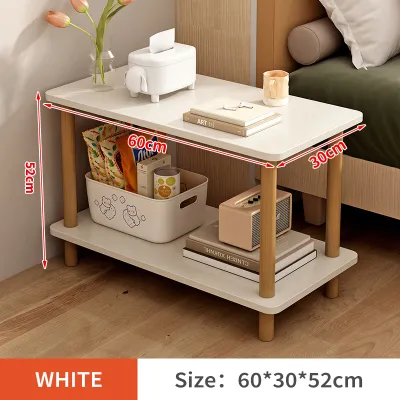
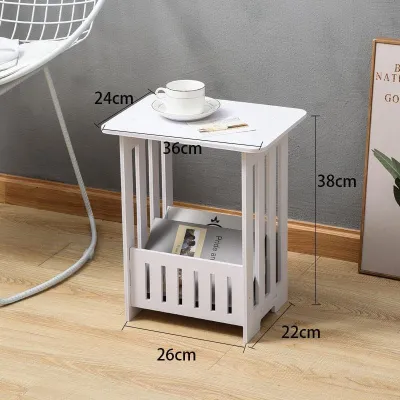
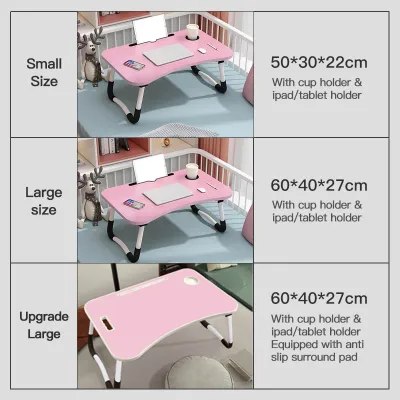
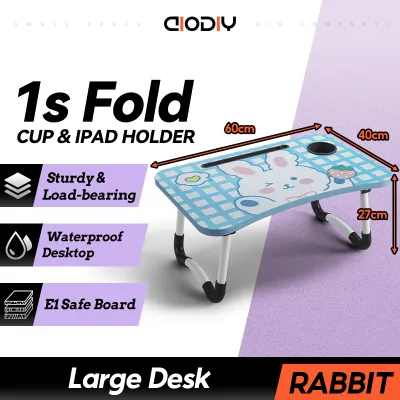
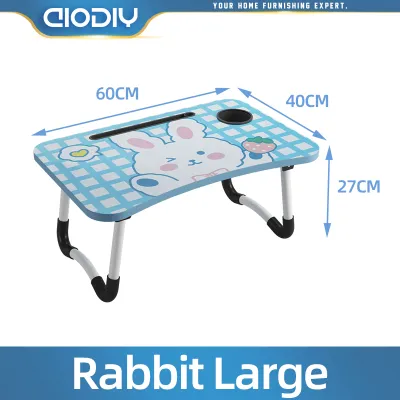
Prices are valid at publication and may change. Please refer to the product page for the latest price.
Beyond saving physical space, these multifunctional tables are highly effective at eliminating the visual and physical clutter of tangled charging cables. In a typical household, powering a smartphone, a tablet, a smartwatch, and perhaps a bedside lamp or humidifier requires multiple wall adapters and a bulky extension cord draped across the floor. This setup not only looks untidy but also poses a constant tripping hazard in the dark. A mini bed table with an integrated power strip consolidates these connections into a single, streamlined power source, requiring only one main cable to run from the table to the wall outlet, which instantly cleans up your bedroom’s aesthetic.
Furthermore, having dedicated storage compartments combined with power access significantly improves your sleep hygiene and nighttime comfort. Instead of letting your tabletop become a chaotic dumping ground for books, eyeglasses, medications, and charging cables, these tables offer structured storage options like deep drawers or open shelves. This layout allows you to keep your immediate tabletop clear for a glass of water or a reading lamp, while your electronic devices charge safely in their designated zones. By keeping your devices organized and slightly out of direct sight, you can reduce the temptation to mindlessly scroll through your phone before sleep, promoting a more restful and organized environment.
Essential Specs to Check Before You Buy
Before committing to a purchase, it is crucial to evaluate several key specifications to ensure the table fits your room, meets your electrical needs, and stands up to daily use.

Dimensions and Clearance
The first step in selecting a bedside table is measuring your available space. Measure the height of your mattress from the floor; your bedside table should ideally sit level with or 5 to 10 centimeters below the top of your mattress. This height range allows you to reach for your phone, glasses, or a glass of water naturally without straining your arm or back. Next, measure the width of the gap next to your bed, ensuring you leave at least 50 to 60 centimeters of clearance for comfortable walking space. If you live in a high-rise building, do not forget to check the dimensions of your building’s elevator, narrow stairwells, and doorways to ensure the packaged or pre-assembled table can be delivered to your room without issue.
Charging Port Output and Safety
Do not assume all built-in USB ports are created equal. You must check the manufacturer’s technical specifications for the output ratings of the integrated USB-A and USB-C ports. Older or cheaper models often feature standard 5V/1A (5-Watt) ports, which will charge modern smartphones and tablets very slowly. For efficient charging, look for ports that offer at least 5V/2.1A (approx. 10 Watts) or, ideally, dedicated USB-C Power Delivery (PD) ports that support fast-charging protocols.
Because local power grids in the Philippines can experience voltage fluctuations or sudden brownouts, prioritize tables that feature built-in surge protection and overcurrent safeguards to protect your expensive electronics from electrical damage. Always look for safety certifications such as CE, FCC, UL, or local ICC and PS marks on the electrical components.
Storage Configuration
The choice between drawers and open shelves depends entirely on your personal storage habits. Deep drawers are excellent for hiding clutter, protecting personal items from dust, and keeping your bedroom looking pristine. However, open shelves offer immediate, unobstructed access to items like books, tablets, or a box of tissues, making them highly convenient for quick reach. Some of the best modern designs offer a hybrid approach, featuring a small top drawer for private items and an open lower shelf for larger objects. Ensure the table includes built-in cable routing holes, rubber grommets, or back-panel cutouts so you can run charging cords smoothly from the internal shelves to the power source without pinching or bending the wires.
Material and Stability
The tropical climate of the Philippines, characterized by high humidity and seasonal temperature shifts, demands careful material selection. Cheap, untreated engineered wood, such as standard medium-density fiberboard (MDF) or particleboard, is highly susceptible to absorbing moisture from the air, which leads to swelling, warping, and peeling laminate over time. To ensure longevity, look for tables constructed with moisture-resistant laminates, rust-resistant powder-coated steel frames, or solid local hardwoods like mahogany, acacia, or gmelina that have been thoroughly sealed with protective topcoats.
Additionally, assess the table’s structural stability; a bottom-heavy design, wide leg stance, or sturdy metal frame prevents the unit from wobbling or tipping over when you place heavier items on top or accidentally bump into it in the dark. Always check the manufacturer’s specified weight capacity for both the tabletop and individual shelves before purchasing.
Top Design Types for Compact Bedrooms
Different room layouts and user preferences require different structural designs. Understanding the strengths and limitations of each design type will help you choose the perfect fit for your bedroom.
Compact Drawer Nightstands with Integrated USB Hubs
This classic design style maintains the traditional look of a wooden nightstand while discreetly incorporating modern technology. These tables typically feature one or two deep drawers for maximum concealed storage, with a power strip or USB hub mounted flush on the top surface, along the side panel, or tucked inside a recessed compartment at the back. This configuration is ideal for homeowners who want to maintain a classic, elegant bedroom aesthetic while keeping their charging cables organized and out of sight.
However, the integration of electrical components does introduce a few design trade-offs. The housing for the power module and its internal wiring can sometimes reduce the usable depth of the drawers or require a hollow cavity at the back of the table. When setting up this type of nightstand, you must ensure that the main power cord is long enough to reach your wall outlet comfortably. A cord that is stretched too tightly across the floor creates a serious tripping hazard and can damage both the table’s internal connections and your wall outlet over time.
Open-Shelf Side Tables with Wireless Charging Pads
For those who prefer a minimalist, modern aesthetic, open-shelf side tables with built-in wireless charging pads offer an excellent, cable-free solution. These tables typically feature a slim metal frame supporting a wooden or composite tabletop that has a Qi-compatible wireless charging coil embedded directly beneath the surface. This allows you to charge your smartphone or smartwatch simply by placing it on a designated spot on the table, completely eliminating the need for physical charging cables on your tabletop.
Despite their sleek appearance, open-shelf designs require a commitment to neatness and regular maintenance. Because they lack enclosed drawers, open shelves leave your stored items exposed to dust, which can accumulate quickly in humid environments, requiring frequent wiping and cleaning. Furthermore, wireless charging is generally less efficient and slower than wired charging, and it requires precise placement of your device over the charging coil. Wireless charging pads also generate more heat during operation, meaning you must keep the charging zone clear of heat-sensitive items or metal objects like coins and keys, which can interfere with the electromagnetic field.
C-Shaped or Slide-Under Bedsides with Power Strips
C-shaped tables represent the ultimate space-saving design for extremely tight bedrooms or micro-condos. These tables feature a cantilevered frame with a flat base that slides directly under your bed frame or sofa, allowing the tabletop to hover directly over your mattress or lap. Many of these modern C-tables are equipped with side-mounted power strips, USB ports, and small side pockets or lower shelves for basic storage. This layout is incredibly convenient for those who enjoy working on a laptop, reading, or eating breakfast in bed, as it brings the surface directly to you.
The primary trade-off with C-shaped tables is their structural weight capacity and stability. Because they rely on a single-sided support frame, they generally have much lower weight limits than traditional four-legged nightstands and are prone to flexing or wobbling if overloaded. They are not suitable for supporting heavy items like large humidifiers, heavy ceramic lamps, or stacks of hardcover books. Additionally, if the table is equipped with wheels or casters for mobility, you must ensure they feature reliable locking mechanisms to prevent the table from rolling away unexpectedly when you are plugging in a device or resting a cup of coffee on the surface.
Safety and Cable Management for Bedside Setup
Operating electrical components in close proximity to your sleeping area requires careful attention to safety and proper cable organization.
Heat and Liquid Safety
One of the most critical safety rules for using a charging bedside table is keeping liquids far away from the electrical ports. Placing an open glass of water or a mug of coffee directly next to built-in USB ports or wireless charging pads is a recipe for accidental spills, which can cause short circuits, ruin your devices, or even create a fire hazard. To mitigate this risk, consider using sealed tumblers or choosing a table design that features a raised lip around the tabletop or a separate, lower shelf dedicated to holding drinks.
Additionally, never cover the table’s built-in power strip, charging adapters, or wireless pads with pillows, blankets, or heavy bedding. These electronic components generate heat during operation and require adequate air circulation to prevent overheating.
Cable Routing
Properly routing the main power cord from the table to the wall outlet is essential for preventing accidents and maintaining a clean look. Avoid letting the main power cable drape loosely across the floor where it can be stepped on, caught by a vacuum cleaner, or tripped over in the dark. Use adhesive cable clips, Velcro ties, or spiral cable wraps to secure the power cord neatly along the back leg or underside of the table frame. Ensure that the cord has a small amount of slack near the wall outlet; a cable that is pulled too tight can strain the plug, damage the internal wires, or pull the plug partially out of the socket, creating a spark hazard.
Manufacturer Instructions
Before assembling and plugging in your new bedside table, always read the manufacturer’s care and safety manual thoroughly. Pay close attention to the specified weight limits for the tabletop and shelves, as overloading the furniture can cause structural failure or tipping. Additionally, check the maximum electrical load capacity of the built-in power strip; these integrated hubs are designed for low-wattage electronics like phones, tablets, and lamps, and should never be used to power high-wattage appliances like hair dryers, curling irons, or portable space heaters.
When cleaning the table, always unplug the main power cord from the wall outlet first. Use a dry or slightly damp microfiber cloth to clean the surfaces, and never spray liquid cleaners or water directly onto or near the electrical ports and charging pads.
Frequently Asked Questions (FAQ)
Can I plug a mini bed table directly into a standard wall outlet?
Yes, most mini bed tables with built-in charging ports are designed to plug directly into a standard domestic wall outlet. In the Philippines, the standard electrical grid operates at 220 Volts and 60 Hertz, typically utilizing Type A (two-prong flat) or Type B (three-prong) plug configurations. Before plugging in your table, always check the manufacturer’s label on the power module to confirm that it is rated for 220V operation. Some imported furniture pieces are configured strictly for 110V systems and will require a step-down transformer to prevent the electrical components from burning out. For optimal safety, plug the table’s main cord into a grounded wall outlet or connect it through a high-quality surge protector to safeguard your connected devices from sudden voltage spikes and power fluctuations.
Is it safe to leave my phone charging on the bedside table overnight?
Generally, modern smartphones are equipped with advanced battery management systems that automatically stop drawing current once the battery reaches a full charge, making overnight charging safe under normal conditions. However, the overall safety of your bedside charging setup depends heavily on the quality and ventilation of the table’s integrated power module. Always ensure that your phone and the charging surface are kept in a well-ventilated area, free from dust accumulation, and completely uncovered by heavy bedding, sheets, or clothing that could trap heat. If you notice that the table’s charging pad, the USB ports, or your phone becomes excessively hot to the touch during operation, unplug the system immediately and inspect the ports for physical damage, debris, or manufacturing defects before attempting to use them again.
Community discussion
Share your experience or ask a question. Comments are reviewed before publication.