
Living in a compact condominium in metropolitan areas of the Philippines requires strategic spatial planning. When square footage is at a premium, the entryway often becomes a cluttered zone of slippers, sneakers, and sandals. Finding the ideal minimalist shoe cabinet is not merely an aesthetic choice; it is a functional necessity to keep your home organized, clean, and visually serene.
The best minimalist shoe cabinet for a small Philippine condo is one that prioritizes a slim footprint—ideally under 20 centimeters in depth—while utilizing vertical space. Ultra-thin tilt-out cabinets and floating wall-mounted units serve this purpose exceptionally well. They preserve valuable floor space, keep pathways unobstructed, and offer clean exterior lines that blend seamlessly into modern interiors.
However, selecting the right cabinet involves more than picking a sleek design. You must also account for the high humidity of the tropical climate, the structural constraints of condo walls, and the specific types of footwear you own. Balancing these factors ensures your storage solution remains both highly functional and durable over time.
Products mentioned in this guide
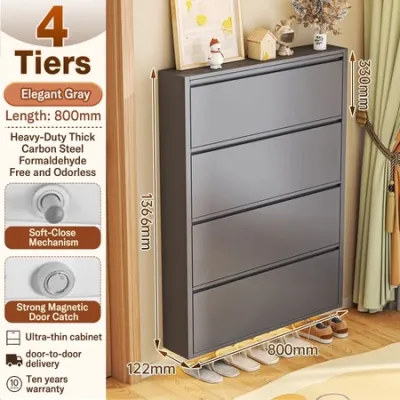
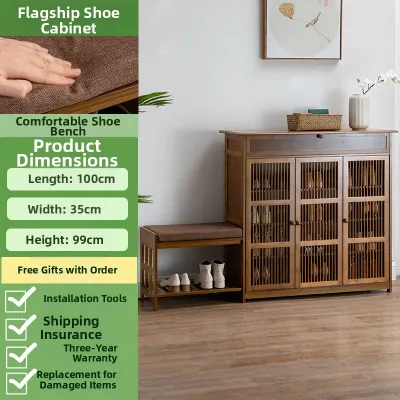
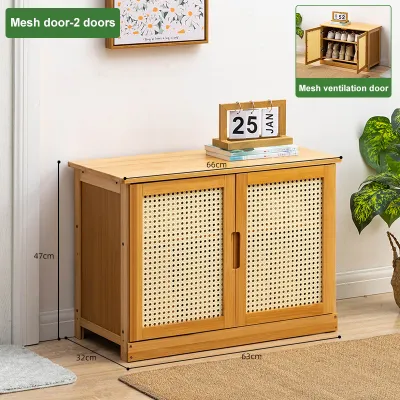
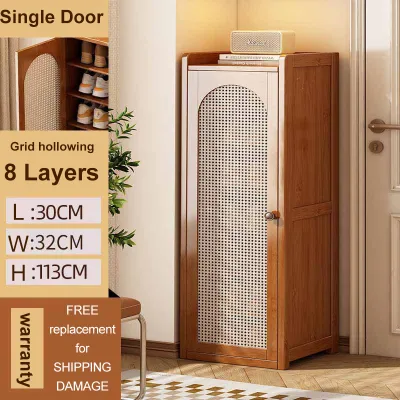
Prices are valid at publication and may change. Please refer to the product page for the latest price.
Quick Guide: Matching Cabinet Designs to Your Condo Layout
Every condominium layout presents unique architectural challenges, from narrow corridors to open-plan living areas where the front door opens directly into the kitchen. To maximize your available space, you must match the physical structure of your shoe cabinet to the specific layout of your entryway.
For ultra-narrow hallways where every centimeter of clearance matters, a slim tilt-out cabinet is the most efficient choice. These units stand flush against the wall and use pivoting compartments that drop down, requiring minimal outward clearance when opened. They keep your shoes completely hidden from sight without obstructing the main walkway.
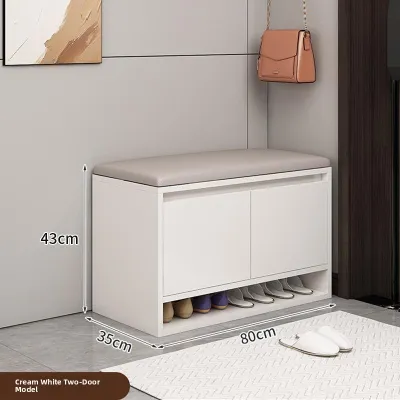
If your condo features an open-plan living area or a studio layout, a multifunctional storage bench with hidden compartments is highly effective. This design provides a clean, low-profile seating area for putting on shoes while concealing your footwear underneath. It serves a double purpose, eliminating the need for a separate entryway chair.
For homes with high ceilings or limited floor space, a floating wall-mounted cabinet is the ideal solution. Suspended off the floor, these units draw the eye upward and keep the floor area completely clear. This configuration makes the entryway feel larger and allows for easy cleaning underneath, which is highly practical in high-traffic zones.
If your shoe collection fluctuates or you anticipate moving to a different unit in the future, modular cube organizers with concealed doors offer the greatest flexibility. These systems can be stacked vertically or expanded horizontally to fit awkward corners, niches, or under-stair spaces, adapting easily to your changing storage needs.
Key Features to Look for in Compact, Humid Environments
When shopping for a minimalist shoe cabinet in the Philippines, you must look beyond surface aesthetics. The tropical climate, characterized by high relative humidity and distinct wet and dry seasons, places specific demands on furniture materials and designs.

Depth and Walkway Clearance
The physical depth of your cabinet directly dictates how comfortable your entryway will feel. Standard shoe cabinets often measure 30 to 35 centimeters deep, which can severely constrict a narrow condo hallway. For tight corridors, look for ultra-slim designs with a depth of 15 to 24 centimeters.
Ensure that when the cabinet doors or drawers are fully opened, they do not block the swing radius of your main entrance door or adjacent room doors. A clearance of at least 60 to 70 centimeters in front of the cabinet is recommended to allow a person to stand, open the unit, and retrieve shoes comfortably.
Visual Weight and Minimalist Aesthetics
Minimalism relies on reducing visual noise to create a sense of calm and order. To achieve this, choose cabinets with low visual weight—designs that do not dominate the room visually. Handleless doors with push-to-open latch mechanisms or integrated J-pull handles maintain a continuous, uninterrupted front surface.
Opt for matte or satin finishes rather than high-gloss coatings, as matte surfaces are more forgiving with fingerprints and diffuse light softly. Neutral color palettes, such as off-white, soft gray, beige, or light oak wood tones, help the cabinet blend into standard condo wall finishes, making the unit feel like an extension of the wall itself.
Ventilation and Moisture Management
Enclosing damp or sweat-laden shoes in an airtight cabinet in a tropical climate is a recipe for mold, mildew, and unpleasant odors. Proper ventilation is critical to ensure air circulation within the storage compartments.
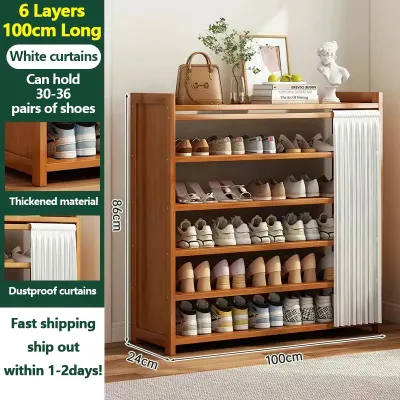
Look for cabinets that feature slatted backs, built-in ventilation grilles, or louvered front doors. If you prefer a completely solid front panel, verify that the cabinet has ventilation holes or a recessed back panel that allows air to escape from the top and bottom.
Capacity vs. Footprint
A successful minimalist design must still fulfill its primary storage function. Evaluate the internal layout of the cabinet to ensure it maximizes capacity without expanding the external footprint. Adjustable or removable internal shelves are highly valuable, allowing you to reconfigure the space for different types of footwear.
Flat sandals, flip-flops, and low-profile sneakers require very little vertical clearance, whereas high heels, ankle boots, or wedge sandals need taller compartments. Removable shelves allow you to customize the height of each tier, preventing wasted vertical space and ensuring that every pair of shoes has a dedicated spot.
Top Minimalist Shoe Cabinet Designs for Small Spaces
Choosing the right structural design is key to balancing storage capacity with a clean, uncluttered aesthetic. The following configurations represent the most effective minimalist solutions for small condo entryways, each offering distinct functional advantages.
Slim Tilt-Out Shoe Cabinets
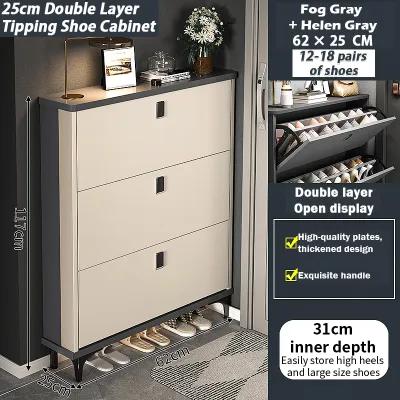
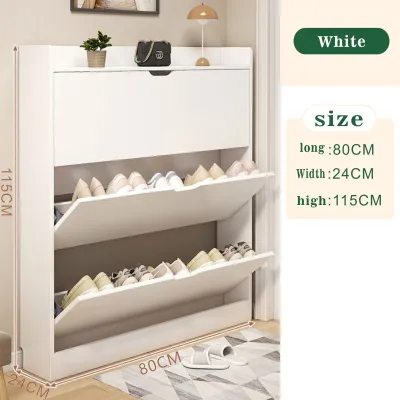
Slim tilt-out shoe cabinets are specifically engineered for tight spaces where traditional swinging doors are impractical. Instead of horizontal shelves, these units feature vertical compartments that tilt forward on a pivot mechanism. When closed, the shoes stand almost vertically, allowing the cabinet to maintain an incredibly thin profile.
This design is exceptionally well-suited for narrow hallways and entryways that open directly into main living areas. Because the doors open downward at an angle rather than swinging outward, they require less than half the clearance space of a standard cabinet drawer. This keeps your walkways completely unobstructed even during busy morning routines.
However, tilt-out cabinets do have inherent structural limitations. Because the shoes are stored at an angle, these units are generally best suited for flat shoes, low-profile sneakers, sandals, and slippers. High heels, bulky platform shoes, and high-top boots may not fit comfortably within the narrow compartments unless you place them sideways, which significantly reduces the cabinet’s overall capacity.
Floating Wall-Mounted Cabinets
Floating wall-mounted cabinets are suspended directly on the wall, leaving the floor space beneath them entirely open. This design trick is highly favored by interior designers because exposing the floor creates an illusion of a larger room. It also simplifies daily household maintenance, allowing you to sweep, vacuum, or mop the entryway without moving heavy furniture.
The visual effect of a floating cabinet is inherently modern and minimalist. It breaks up the heavy, boxy look of traditional floor-standing furniture, giving the entryway a light, airy feel. The open space underneath can also serve as a temporary landing zone for indoor slippers or wet umbrellas, keeping them off the main walkway.
Before choosing a floating cabinet, you must address critical safety and structural requirements. These units place significant stress on the wall, especially when fully loaded with multiple pairs of shoes. You must verify the load-bearing capacity of your wall; solid concrete or brick walls are ideal, while drywall installations require anchoring directly into the wooden or metal studs using heavy-duty toggle bolts.
Minimalist Storage Benches with Hidden Compartments
For condos that lack a defined foyer or entryway, a minimalist storage bench offers a highly practical, dual-purpose solution. This design combines a sturdy seating surface with concealed storage compartments underneath. It provides a comfortable spot to sit while putting on or taking off shoes, which is particularly convenient for older adults or guests.
To maintain a minimalist aesthetic, look for benches with clean, straight lines and integrated storage mechanisms. Popular options include upholstered benches with gas-lift tops that reveal a spacious compartment, or wooden benches with seamless pull-out drawers or drop-down front panels. The storage area remains completely hidden when the bench is closed, preserving a tidy appearance.
When integrating a storage bench into your condo, select materials and colors that harmonize with your existing living room or dining room furniture. For example, if your dining table is made of light ash wood, a matching wooden bench with a neutral gray cushion will create a cohesive, intentional look that prevents the entryway from feeling cluttered or disjointed.
Modular Cube Organizers with Concealed Doors
Modular cube organizers provide a highly customizable and scalable storage system that can grow or change along with your footwear collection. These systems consist of individual square or rectangular units that can be stacked vertically, arranged horizontally, or configured to fit specific architectural niches, such as the space under a kitchen counter or next to a pillar.
One of the main advantages of modular systems is the ability to mix and match open and closed compartments. You can keep frequently used shoes, like daily slippers, on open lower shelves for quick access, while storing less common footwear behind closed doors to hide visual clutter. This hybrid approach balances daily convenience with minimalist neatness.
To ensure your modular setup maintains a high-end, minimalist appearance, choose uniform door inserts with handleless, push-to-open mechanisms. Avoid mixing too many colors or textures; sticking to a single, solid neutral tone for all doors creates a clean, unified facade that mimics a custom-built built-in cabinet.
How to Measure and Plan Your Condo Entryway
A successful furniture purchase begins with precise measurements and careful planning. In a small condominium, even a discrepancy of a few millimeters can prevent a cabinet from fitting or cause it to block essential pathways.
Measuring the Drop Zone
Begin by measuring the total width, height, and depth of the wall area where you plan to place the cabinet. Do not rely on floor measurements alone; wall surfaces can sometimes be uneven, and baseboards or crown moldings can reduce the actual available space by several centimeters.
Take note of any wall obstructions, such as electrical outlets, light switches, intercom units, or thermostat controls. Your cabinet must not block access to these fixtures. Additionally, measure the exact swing radius of your main entrance door to ensure it can open fully to a 90-degree angle without hitting the side of the cabinet.
Condo Association Rules
Before purchasing any wall-mounted or tall furniture, consult your condominium’s property management office regarding building regulations. Many high-rise developments in the Philippines have strict rules concerning drilling into walls, especially if the walls share structural concrete columns or contain embedded utility pipes and electrical conduits.
If you are renting, you may need written permission from your landlord before installing a floating cabinet or anchoring a tall unit to the wall. For tall, floor-standing cabinets, anti-tip anchoring is highly recommended for safety, so ensure you have the appropriate tools, such as a hammer drill and masonry wall plugs, to secure the unit safely into concrete walls.
Fire Safety and Egress
Your condo’s entryway is your primary emergency exit route. Local fire safety codes and building regulations strictly prohibit obstructing hallways, corridors, and exit paths. When planning your layout, ensure that the shoe cabinet does not narrow the entryway path below the minimum width required by your building’s safety guidelines.
Even if your cabinet fits physically, it should never feel like an obstacle during an emergency evacuation. Keep the pathway completely clear of loose shoes, bags, or decorative items that could trip someone in low-light conditions.
Assembly and Delivery
Before finalizing your purchase, verify the delivery and assembly conditions of the cabinet. Many minimalist cabinets are delivered flat-packed and require self-assembly, which can be challenging if you lack the necessary tools or experience.
If you are purchasing a pre-assembled unit, measure your condo building’s elevator door width, interior height, and weight capacity, as well as any narrow stairwells or corridor corners. This ensures that the delivery team can safely transport the cabinet to your unit without damaging the furniture or the building’s common areas.
Maintaining Your Shoe Cabinet in a Tropical Climate
The high humidity and warm temperatures of the Philippines can accelerate the wear and tear of both your shoe cabinet and your footwear. Implementing a regular maintenance routine is essential to protect your investment and keep your entryway smelling fresh.
Moisture and Odor Control
Enclosed spaces naturally trap moisture, which can lead to mold growth on leather shoes and musty odors inside the cabinet. To combat this, place moisture-absorbing products inside the cabinet compartments. Silica gel packets, activated charcoal bags, or small containers of baking soda are highly effective at absorbing excess humidity and neutralizing odors.
Replace or reactivate these moisture absorbers every few months, especially during the rainy season when indoor humidity levels rise significantly. You can also leave the cabinet doors open for a few hours during dry, sunny days to allow fresh air to circulate through the compartments.
Cleaning Routines
Different cabinet finishes require specific cleaning methods to prevent surface damage. For common minimalist finishes like matte laminates or melamine coatings, wipe the surfaces regularly with a soft, dry microfiber cloth to remove dust and dirt. For light stains, use a slightly damp cloth with a mild dish soap solution, then immediately dry the area with a clean towel.
Avoid using harsh chemical cleaners, abrasive scrubbing pads, or wax-based polishes, as these can strip the protective matte finish or leave unsightly streaks on the surface. For solid wood or wood veneer cabinets, check the manufacturer’s care instructions regarding the use of specific wood-safe cleaners or oils.
Shoe Preparation
Never place wet, damp, or dirty shoes directly into an enclosed minimalist cabinet. If you get caught in a sudden tropical downpour, allow your shoes to dry completely in a well-ventilated, open area before storing them away.
Wipe off any mud, dust, or street grime from the soles and uppers of your shoes before placing them inside. Storing clean, dry shoes not only prevents the spread of bacteria and mold within the cabinet but also extends the lifespan of your footwear and keeps the interior shelves clean.
Frequently Asked Questions (FAQ)
How many pairs of shoes can a slim tilt-out cabinet hold?
The capacity of a slim tilt-out cabinet depends primarily on its overall width, depth, and the number of tiers. A standard two-tier tilt-out cabinet with a width of 60 centimeters typically holds between 6 to 8 pairs of flat shoes, sandals, or low-profile sneakers. If you have larger shoe sizes (above US men’s size 10) or bulkier footwear like thick-soled running shoes, the capacity may be reduced, requiring you to store shoes at an angle or look for a wider model.
Can I install a floating shoe cabinet on drywall?
Yes, you can install a floating shoe cabinet on drywall, but you must take extra structural precautions. Drywall alone cannot support the concentrated weight of a fully loaded cabinet. You must locate the wooden or metal studs behind the drywall using a stud finder and secure the cabinet’s mounting bracket directly into them. If the studs do not align with your desired placement, you must use heavy-duty toggle bolts or drywall anchors rated for the cabinet’s maximum weight limit. However, for concrete walls common in Philippine condos, masonry drill bits and plastic tox plugs are required.
What is the best way to store tall boots in a minimalist cabinet?
Sleek, minimalist shoe cabinets are rarely designed with tall boots in mind, but you can accommodate them with a few adjustments. Look for cabinets that feature adjustable or removable internal shelves, allowing you to create a taller compartment specifically for boots. Alternatively, you can store your boots horizontally in a wider drawer, or use boot shapers and inflatable inserts to keep them upright and prevent creasing when placed in modular cube organizers or under-bench storage compartments.
Community discussion
Share your experience or ask a question. Comments are reviewed before publication.