
Mobile kitchen carts provide a highly flexible, space-efficient solution for homes requiring extra countertop area and storage. These portable units combine the utility of a prep table with the storage capacity of a traditional cabinet, all set on heavy-duty wheels. In high-density urban areas, where condo kitchens are frequently compact, a mobile cart serves as an adaptable workstation that can be rolled out of the way when not in use. Whether you are looking for a dedicated chopping block, a home coffee bar, or supplementary pantry storage, selecting the right cart requires balancing countertop materials, weight capacities, and structural stability.
When planning a kitchen layout, many homeowners search for a permanent kitchen storage unit, sometimes typed as a kutchen cabinet, to solve their storage woes. However, fixed carpentry limits your spatial layout and requires a substantial financial investment. A mobile kitchen cart offers a level of flexibility that fixed units simply cannot match, serving as a dynamic alternative that adapts to your changing daily needs.
Why Choose a Mobile Kitchen Cart Over a Fixed Kutchen Cabinet?
Opting for a mobile kitchen cart over a traditional, built-in kutchen cabinet offers distinct advantages in terms of adaptability and cost. For renters or individuals who anticipate moving in the near future, permanent cabinetry is a sunk cost that cannot be transported to a new residence. A mobile kitchen cart, by contrast, is a lifetime furniture investment that moves with you, allowing you to reconfigure your culinary workspace whenever you relocate or redesign your layout.
Products mentioned in this guide
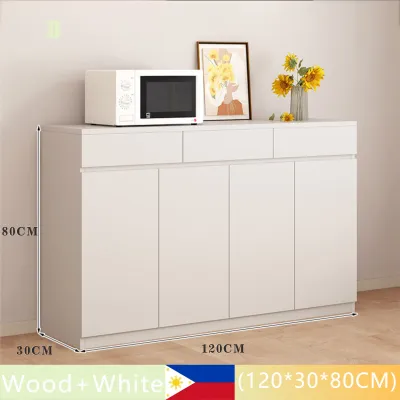
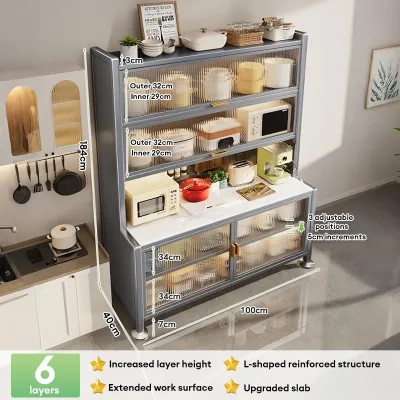
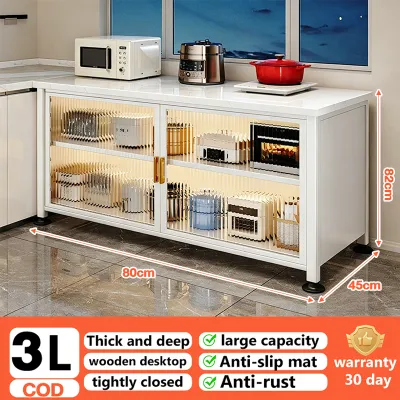
Prices are valid at publication and may change. Please refer to the product page for the latest price.
From a financial perspective, the difference is substantial. Custom-built kitchen cabinets require professional design, masonry, carpentry, and professional installation, which can easily cost tens of thousands of pesos. A high-quality mobile kitchen cart can be acquired for a fraction of that price, typically ranging from ₱3,500 to ₱18,000, depending on the materials and size. This makes it an incredibly cost-effective way to upgrade your kitchen’s utility without the dust, noise, and disruption of a full-scale renovation.
Furthermore, freestanding carts offer a zero-installation benefit. Traditional cabinets must be anchored securely to walls, which often requires drilling into concrete or studs—a task that is frequently prohibited in rental properties. Mobile carts arrive either fully assembled or as flat-pack items with straightforward assembly instructions, requiring no structural modifications to your home. This makes them ideal for anyone needing immediate, movable prep space and supplementary storage for dry goods, small appliances, or prep tools.
Key Features to Evaluate for Storage and Prep Space
To find a mobile cart that truly enhances your kitchen workflow, you must evaluate its design across two primary functions: food preparation and organized storage. A cart that is excellent for storing dry goods might have a countertop that is completely unsuitable for chopping, while a heavy-duty prep station might lack the specific shelving configurations you need for your appliances.

Countertop Materials for Safe Food Prep
The material of your cart’s work surface dictates how you can use it during meal preparation. Solid wood, often referred to as butcher block, is a highly popular choice for those who want a warm, classic aesthetic and a surface suitable for direct food preparation. However, a material name alone does not prove durability or food safety. When choosing a wooden top, you must check the manufacturer’s specifications to verify if the surface has been treated with a food-safe seal, moisture barrier, or if it requires manual oiling before use.
Stainless steel countertops offer an industrial, hygienic alternative that is exceptionally easy to clean and sanitize. This material is highly resistant to heat, making it an excellent landing zone for hot pots or baking sheets straight from the oven. The primary trade-off with stainless steel is that it can scratch easily under direct knife contact and tends to produce more noise when placing metal utensils or glass bowls on its surface.
For budget-conscious shoppers, sealed engineered wood, such as medium-density fiberboard (MDF) or particleboard finished with a laminate veneer, is lightweight and widely available. While easy to wipe clean, engineered wood is highly vulnerable to moisture damage if water penetrates the seams or edge banding. If you select an engineered wood cart, inspect the joints carefully to ensure they are tightly sealed, and avoid leaving standing water on the surface.
Storage Configurations and Organization
An effective mobile cart should maximize its physical footprint by offering structured, accessible storage. Deep drawers equipped with smooth metal ball-bearing glides are ideal for heavy cookware, baking pans, or bulky kitchen tools. Enclosed lower cabinets with doors allow you to hide visual clutter, such as trash bins, cleaning supplies, or mismatched food containers, keeping your kitchen looking tidy and organized.
Open shelving, on the other hand, is perfect for items you need to grab quickly while cooking, such as mixing bowls, plates, or frequently used spices. However, open shelves expose your items to airborne kitchen grease and dust, meaning items stored there may require more frequent washing. Many high-quality carts also feature side attachments like towel bars, integrated spice racks, and utility hooks, which keep essential tools within arm’s reach without consuming valuable countertop space.
Before finalizing your purchase, always verify the internal dimensions of the shelves and drawers against the items you plan to store. If you intend to store a heavy rice cooker, a microwave, or a stand mixer, check the manufacturer’s stated weight limits for each individual shelf. Adjustable shelves are highly desirable, as they allow you to customize the vertical clearance as your appliance collection changes over time.
Best Types of Mobile Kitchen Carts for Different Kitchen Layouts
Kitchen layouts vary widely, from spacious open-plan layouts to narrow galley kitchens common in urban apartments. Selecting a cart style that complements your specific spatial constraints ensures that the unit remains an asset rather than an obstacle.
Heavy-Duty Butcher Block Carts for Dedicated Prep
If your primary goal is to expand your active food preparation area, a heavy-duty butcher block cart is the most suitable option. These carts feature thick, robust solid wood tops designed to withstand the downward pressure of chopping, kneading, and slicing. Because they prioritize structural stability, they are typically constructed from dense hardwoods like rubberwood, acacia, or bamboo, which provide a solid, non-shaking work surface.
Due to their substantial weight, which can easily exceed 30 to 40 kilograms when loaded, you must verify the load capacity of your flooring and ensure the cart is equipped with premium wheels. Look for large, heavy-duty casters made from non-marking polyurethane that roll smoothly over tile grout lines. It is critical that these carts feature robust locking mechanisms to ensure the unit remains completely stationary while you are using sharp knives or applying force to the countertop.
Compact and Drop-Leaf Carts for Small Spaces
For studio apartments, narrow galley kitchens, or multi-purpose living areas where floor space is limited, compact and drop-leaf carts offer an ingenious solution. These designs feature a hinged countertop section that can be raised and supported by a folding bracket or slide-out wooden support. When the leaf is extended, it instantly creates a generous dining or prep surface; when folded down, the cart’s footprint is minimized, allowing it to be parked flush against a wall or nestled into a corner.
When evaluating a drop-leaf cart, pay close attention to the quality of the hinges and the support mechanism. A flimsy metal bracket can fail under load, posing a safety hazard. Additionally, check the base footprint of the cart when the leaf is fully extended. The base must be wide and heavy enough to ensure the cart does not become top-heavy and prone to tipping over when items are placed on the extended leaf.
Multi-Tier Utility Carts for Maximum Storage
When pantry space is your main bottleneck, a multi-tier utility cart focuses on high-volume storage rather than a dedicated prep surface. These units often feature three or more tiers of open wire baskets, deep plastic bins, or adjustable metal shelves. They are highly effective for organizing dry goods, root vegetables like potatoes and onions that require ventilation, or small appliances that do not fit in your main cabinets.
Because these carts are designed to hold a large volume of items, verifying the maximum weight capacity of each tier is essential. If you plan to store heavy appliances like an air fryer, a toaster oven, or a heavy rice dispenser, measure the vertical clearance between the shelves carefully. Ensure there is adequate clearance not just for storage, but also for ventilation if you plan to operate the appliance directly from the cart, leaving at least 2 to 3 inches of open space around the appliance’s heat vents.
Space Planning, Clearance, and Safety Checks Before Buying
To ensure your mobile kitchen cart integrates seamlessly into your home, you must perform several physical measurements and safety checks before making a purchase. A cart that looks perfect online may turn out to be too wide for your kitchen aisle or too heavy for your flooring.
First, measure the width of your kitchen aisles. For comfortable movement and safe cooking workflows, you should maintain a clearance of at least 36 to 48 inches (approximately 90 to 120 centimeters) between your countertops and any opposite obstacles. If your kitchen aisle is narrower than 36 inches, introducing a mobile cart may restrict your movement, block the opening of oven or refrigerator doors, and create a tripping hazard.
Next, plan the delivery route. Measure the width of your front door, internal hallways, and any tight corners or stairwells the package must pass through. If you live in a high-rise condominium, check the dimensions of the service elevator. Some heavy-duty kitchen carts are shipped in large, heavy flat-pack boxes that can be difficult to maneuver through tight spaces, so verifying these dimensions beforehand prevents delivery day headaches.
Safety is paramount when dealing with mobile furniture. Always prioritize carts equipped with dual-locking casters. Standard single-lock casters only prevent the wheel from rolling forward or backward, but the wheel joint can still swivel, allowing the cart to shift slightly. Dual-locking casters lock both the wheel rotation and the swivel axis, providing a completely rigid, stable foundation. Finally, avoid overloading the upper shelves or the drop-leaf extension. Placing too much weight high up raises the unit’s center of gravity, making it unstable and prone to tipping when pushed over door thresholds or floor transitions.
Maintenance and Care in Humid Climates
Operating wooden or metal furniture in a tropical, high-humidity climate requires specific maintenance protocols to prevent premature degradation, warping, or rust. Taking proactive steps will significantly extend the lifespan of your mobile kitchen cart.
For routine cleaning, wipe down all surfaces immediately after use with a soft, damp cloth and a mild dish soap. Avoid using harsh chemical cleaners, bleach, or abrasive scrubbing pads, which can strip away protective food-safe seals and expose the underlying material to moisture. If water spills on the cart, dry it immediately with a clean towel; allowing water to pool on wood joints or laminate seams can cause the material to swell and split.
If you choose an unsealed or oiled solid wood countertop, such as a natural butcher block, you must apply a coat of food-grade mineral oil every few months. This process is simple but crucial: clean the surface thoroughly, let it dry completely, apply a generous layer of food-grade mineral oil, let it penetrate the wood fibers for several hours, and wipe away any excess. This oil creates a natural, water-resistant barrier that prevents the wood from absorbing ambient humidity, drying out, or cracking in shifting weather conditions. Always consult the manufacturer’s care instructions before applying any treatments, as pre-sealed tops may require different maintenance.
Finally, do not neglect the cart’s mechanical components. Hair, dust, and kitchen debris can easily wrap around the wheel axles over time, impeding smooth rolling and potentially scratching your kitchen floors. Periodically inspect the casters, clear away any accumulated debris, and apply a small drop of silicone-based lubricant to the swivel joints if they begin to squeak or feel stiff.
Frequently Asked Questions (FAQ)
Can a mobile kitchen cart fully replace a built-in kitchen cabinet?
While a mobile kitchen cart adds significant storage and prep space, it cannot fully replace a built-in kitchen cabinet. Fixed cabinetry provides structural anchoring, integrated plumbing for sinks, electrical routing, and a seamless aesthetic that matches the architectural lines of your home. A mobile cart is best utilized as a highly flexible, cost-effective supplement to your existing kitchen layout rather than a complete replacement for permanent storage.
How do I keep the cart from rolling while chopping vegetables?
To prevent your cart from moving during heavy food preparation, always ensure that you engage the locks on all locking casters before you begin. For added physical stability, position the cart flush against a wall, a kitchen island, or a permanent counter edge. This physical barrier, combined with engaged dual-locking casters, prevents the cart from sliding or swaying when you apply downward pressure while chopping or kneading.
Community discussion
Share your experience or ask a question. Comments are reviewed before publication.