
Finding the ideal balance between flexible storage and mobile cooking requires kitchen furniture that is highly durable, easily reconfigurable, and resistant to environmental wear. The best modular aluminum kitchen cabinets and carts solve this challenge by combining lightweight structural strength with exceptional resistance to moisture, pests, and heat. For homeowners seeking a versatile cooking station or adaptable storage, the optimal setup consists of modular base cabinets with reinforced worktops for heavy appliances, paired with highly maneuverable utility carts featuring secure locking casters. These systems allow you to reconfigure your layout as your cooking needs evolve, making them excellent investments for modern, dynamic kitchens.
Investing in an aluminum modular kitchen cabinet system or a mobile cart requires looking beyond basic aesthetics. Because kitchens are high-traffic zones subject to water exposure, steam, and heavy loads, selecting the right furniture involves evaluating material grades, joint construction, and hardware specifications. By understanding how these modular components function and how to assess their structural integrity, you can design a kitchen layout that maximizes efficiency while ensuring long-term safety and performance.
Why an Aluminum Modular Kitchen Cabinet Excels in Humid Kitchens
The tropical climate of the Philippines presents unique challenges for kitchen furniture, primarily due to sustained high humidity levels and seasonal temperature shifts. Traditional wooden cabinetry often absorbs airborne moisture, leading to swelling, warped doors, and the eventual growth of mold or mildew. Additionally, wood can attract termites and other pests that compromise structural integrity over time. Untreated steel, on the other hand, is highly susceptible to rust when exposed to water splashes and steam from daily cooking.
Products mentioned in this guide

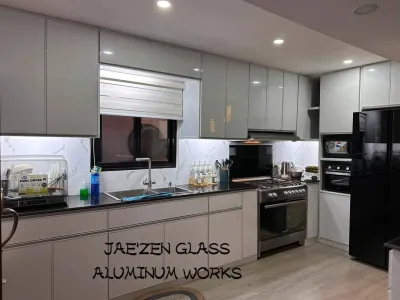
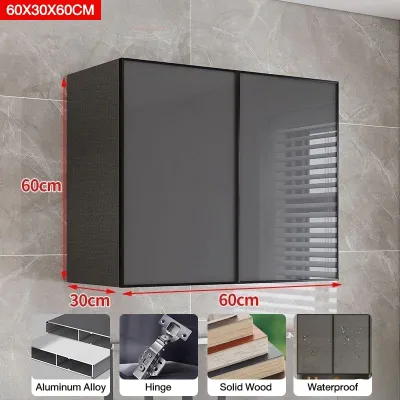
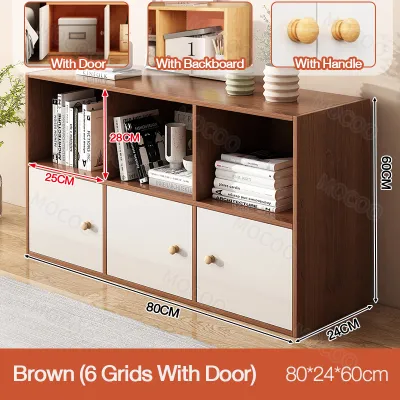
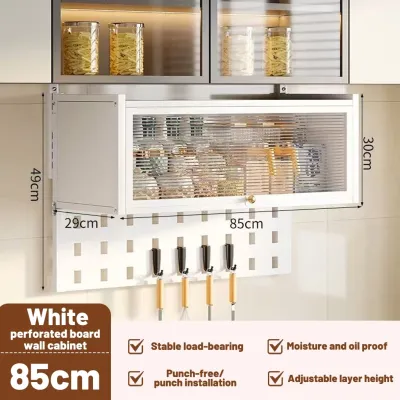
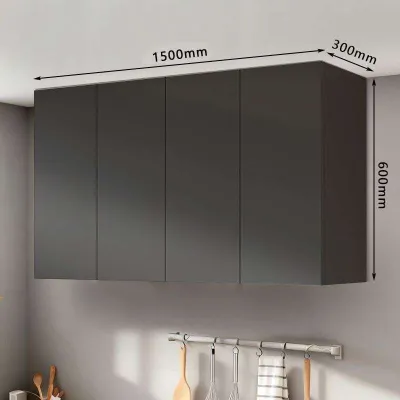
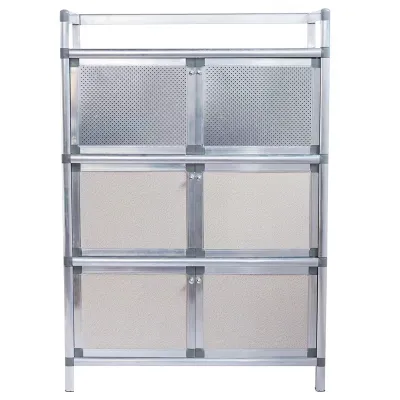
Prices are valid at publication and may change. Please refer to the product page for the latest price.
An aluminum modular kitchen cabinet addresses these vulnerabilities through its inherent material properties. Aluminum naturally forms a microscopic oxide layer on its surface, which acts as a barrier against corrosion, preventing rust even when exposed to direct moisture. Furthermore, aluminum is completely impervious to insect damage and does not absorb water, ensuring that the cabinet frames and panels remain structurally stable and dimensionally consistent throughout the wet and dry seasons.
To maximize these natural benefits, it is essential to verify the specific surface treatments applied to the aluminum. Powder coating and anodizing are the two most common and effective finishes. Powder coating involves electrostatically applying a dry powder paint to the aluminum frame and curing it under heat to create a hard, protective skin that resists scratches and chemical cleaners. Anodizing chemically increases the thickness of the natural oxide layer, providing a sleek, metallic finish with superior wear resistance. When shopping, always check that the joints and seams are sealed with moisture-resistant gaskets or marine-grade silicone to prevent water from pooling inside the frame profiles.
How to Evaluate Modular Aluminum Cabinets and Carts
Selecting modular aluminum furniture requires careful inspection of structural details to ensure the units can handle the daily demands of food preparation and storage. Unlike built-in cabinetry, modular units and mobile carts must be self-supporting and, in some cases, dynamic. This means every component—from the metal gauge to the rolling hardware—must meet specific safety and performance criteria.

Frame and Panel Thickness
The load-bearing capacity and overall stability of an aluminum cabinet depend heavily on the thickness of its structural frame and panels. Thin, low-gauge aluminum sheets can easily dent under impact or bow under the weight of heavy countertop appliances, such as stand mixers, microwave ovens, or cast-iron cookware. When evaluating a unit, ask the manufacturer for the specific metal gauge or thickness measurements of both the load-bearing frames and the shelf panels.
Look for cabinets that feature double-walled aluminum panels or internal structural reinforcements, such as cross-braces or welded corner gussets. These design elements distribute weight evenly across the frame, preventing localized stress points. Always check the manufacturer’s rated load capacity for individual shelves and the overall unit. If you plan to use the cabinet surface as an active prep station, ensure the top panel is reinforced with a solid substrate, such as a high-pressure laminate or a stainless-steel insert, to absorb the downward force of chopping and mixing.
Mobility and Locking Mechanisms
For mobile cooking stations and utility carts, the quality of the rolling hardware is directly tied to user safety and operational convenience. Cheap, single-wheel plastic casters can easily crack under load, struggle to roll over grout lines on tiled floors, and scuff polished surfaces. High-quality mobile units utilize heavy-duty casters featuring dual-wheel designs, ball-bearing swivels, and non-marking polyurethane or soft rubber treads that glide smoothly over uneven kitchen tiles.
Stability during cooking tasks is paramount, making robust locking mechanisms a non-negotiable feature. Look for carts equipped with total-lock casters, which simultaneously lock both the wheel rotation and the swivel direction. This prevents the cart from pivoting or sliding when you apply lateral force, such as when kneading dough or chopping vegetables. Additionally, test the physical stability of the cart by checking its center of gravity; tall, narrow carts with heavy top shelves pose a significant tipping risk, especially when drawers are fully extended. Ensure that heavy items are stored in the lowest compartments to maintain a low center of gravity.
Best Aluminum Cart Configurations for Mobile Cooking
Mobile carts serve as highly functional extensions of your primary kitchen layout, providing temporary workspace and targeted storage exactly where you need it. Depending on your cooking style and space constraints, different cart configurations offer distinct operational advantages and limitations.
The Heavy-Duty Prep Island Cart
Designed to act as a fully functional, independent cooking island, the heavy-duty prep cart is built to handle intensive culinary tasks. This configuration typically features a wide, reinforced worktop made of heat-resistant materials, allowing you to place small portable cooktops, such as induction burners or butane stoves, directly on the surface. It also includes deep drawers mounted on full-extension ball-bearing slides, providing easy access to heavy cast-iron pans, food processors, and prep bowls.
To maximize efficiency, these carts often incorporate specialized accessories, such as side-mounted towel racks, magnetic knife strips, and integrated spice holders. While highly capable, heavy-duty prep islands have a larger footprint, making them less suitable for extremely tight kitchens where floor space is at a premium. They also require robust, oversized locking casters to absorb the vibrations of vigorous chopping and mixing without shifting or vibrating excessively.
The Compact Utility Serving Cart
For smaller kitchens or multi-purpose spaces, a compact utility serving cart offers excellent flexibility without permanently occupying valuable floor space. These units are lightweight and highly maneuverable, featuring open shelving that allows you to quickly grab frequently used ingredients, serving platters, or small appliances. Many models feature foldable drop-leaf extensions, which can be raised to provide extra prep space when hosting and folded down to save space when stored against a wall.
However, the lightweight design of compact utility carts comes with specific operational limits. They are not engineered to withstand heavy-duty tasks like cleaver-chopping or meat tenderizing, which can cause the frame to flex or slide. Additionally, unless the cart is explicitly rated for high-temperature contact, you should never place extremely hot pots or pans directly onto standard aluminum shelves without using insulated trivets or heat-resistant silicone mats, as direct heat can damage the powder-coated finish or warp thin metal panels.
Top Modular Cabinet Setups for Flexible Storage
Modular aluminum cabinets allow you to customize your storage layout without the permanence and high cost of custom masonry or built-in carpentry. These systems can be rearranged, expanded, or relocated as your household needs change, offering a highly adaptable storage solution.
Stackable Base and Wall Modules
Stackable modular units provide a highly efficient way to utilize vertical space in kitchens with limited floor areas. These systems typically consist of standard-sized base cabinets that can be paired with matching wall-mounted or stackable upper units. High-quality modular systems use secure, mechanical interlocking mechanisms—such as heavy-duty bolts, alignment pins, or specialized brackets—to physically connect the stacked modules and prevent them from shifting or separating over time. Depending on the brand and configuration, these modular systems in the Philippines can range from budget-friendly options starting around ₱15,000 to comprehensive, multi-unit setups exceeding ₱75,000.
When configuring stackable units, look for models with adjustable inner shelves to accommodate items of varying heights, from tall blender jars to flat baking sheets. Always follow the manufacturer’s precise instructions regarding the maximum stacking height and weight limits. To ensure absolute safety, never stack units without engaging the designated interlocking hardware, and always verify that the entire assembly is perfectly level to prevent uneven weight distribution that could stress the joints.
Freestanding Pantry Towers
Freestanding pantry towers are tall, high-capacity modular units designed to store dry goods, canned food, and small kitchen appliances in a centralized location. These towers often feature a combination of pull-out wire baskets, deep drawers, and adjustable shelving, making it easy to organize and access items stored deep within the cabinet. Because high humidity in tropical climates can accelerate food spoilage and attract pests, look for pantry towers that incorporate ventilated door panels or rear louvers to promote continuous airflow while keeping insects out.
Due to their height and front-heavy design when loaded, freestanding pantry towers present a serious tip-over hazard if they are not properly secured. This risk increases significantly when multiple drawers or pull-out pantry shelves are extended simultaneously, shifting the center of gravity forward. It is mandatory to anchor these tall units directly to wall studs or masonry using heavy-duty L-brackets and appropriate wall anchors. If your kitchen walls are made of concrete or hollow blocks, ensure you use expansion masonry bolts rather than standard drywall screws to achieve a secure, permanent hold.
Quick Comparison: Mobile Carts vs. Modular Base Cabinets
Deciding between a mobile cart and a modular base cabinet depends on whether you prioritize immediate flexibility and movement or maximum storage capacity and structural permanence. While both options utilize durable aluminum construction, they serve distinct roles in your kitchen workflow.
The following table outlines the key differences in mobility, storage capacity, installation effort, and ideal use cases to help you choose the right configuration for your home:
| Feature | Mobile Carts | Modular Base Cabinets |
|---|---|---|
| Mobility | High; easily rolled on casters to different areas as needed. | Low; stationary units designed to remain in a fixed layout. |
| Storage Capacity | Moderate; optimized for active prep tools and daily essentials. | High; deep compartments for heavy cookware and bulk dry goods. |
| Installation Effort | Low; often requires basic wheel attachment and minor assembly. | Moderate; requires leveling, joining modules, and wall anchoring. |
| Ideal Use Cases | Mobile cooking stations, serving carts, and temporary prep areas. | Permanent storage layouts, heavy appliance stations, and pantries. |
By assessing your daily kitchen habits, you can determine if a single mobile cart is sufficient to ease prep-work bottlenecks, or if a full suite of modular base cabinets is required to completely organize your kitchen.
What to Check Before Buying and Assembling
Before purchasing any modular aluminum kitchen furniture, taking precise measurements and verifying site conditions will prevent costly delivery issues and assembly errors. Because these units are pre-fabricated, they cannot be easily trimmed or adjusted on-site to fit unexpected spatial constraints.
Begin by measuring the clear width and height of all entryways, hallways, stairwells, and elevator doors through which the furniture must pass during delivery. This is especially critical for fully assembled mobile carts or large, single-piece pantry towers. Additionally, check the levelness of your kitchen floor using a spirit level; while mobile carts can handle minor variations, significant slopes can cause carts to roll unexpectedly or prevent modular cabinets from aligning correctly.
Once your furniture arrives, unbox all components carefully and verify them against the manufacturer’s parts list. Ensure all specialized assembly hardware, brackets, and leveling feet are present before beginning construction. If you discover any bent aluminum profiles, cracked joints, or missing structural screws, stop the assembly immediately and contact the manufacturer or retailer for replacement parts. Attempting to force misaligned aluminum pieces together can strip the pre-drilled screw threads and permanently compromise the structural integrity of the cabinet.
Frequently Asked Questions (FAQ)
Can aluminum kitchen cabinets withstand high heat from cooking?
Yes, aluminum is naturally non-combustible and has a high thermal conductivity, meaning it can withstand normal kitchen temperatures without catching fire or melting. However, direct exposure to extreme heat—such as placing a red-hot cast-iron skillet directly onto a powder-coated or anodized aluminum surface—can cause localized damage. The intense heat can discolor, bubble, or peel the protective powder-coated finish, and in extreme cases, thin aluminum panels may warp. To preserve the appearance and structural shape of your cabinets, always use heat-resistant silicone trivets, wooden cutting boards, or dedicated countertop inserts when handling hot pots and pans straight from the stove.
How do I prevent aluminum carts from scratching tile floors?
To protect your kitchen tiles from scratches and scuffs, always check the material composition of the caster wheels on your mobile cart before purchasing. Avoid hard plastic, nylon, or bare metal wheels, which can easily scratch glazed ceramic or porcelain tiles and create loud rolling noise. Instead, select casters made of soft polyurethane, thermoplastic rubber, or high-density rubber, which provide excellent shock absorption and roll quietly. Additionally, regularly inspect and clean the caster wheels to remove trapped grit, sand, or food debris, as these abrasive particles can act like sandpaper when dragged across your floor. For high-traffic cooking zones, placing a durable, low-profile kitchen mat under the cart’s primary rolling path can provide an extra layer of floor protection.
Community discussion
Share your experience or ask a question. Comments are reviewed before publication.