
To keep your kitchen organized and hygienic, the best moisture-resistant storage cabinets for sink areas are those built from high-grade stainless steel, heavy-duty plastics, or specialized marine-grade engineered woods. The area surrounding a kitchen cabinet sink experiences constant exposure to water splashes, high ambient humidity, and potential plumbing leaks, which can quickly ruin standard furniture. Choosing the right material and structural design ensures your storage remains durable, mold-free, and structurally sound over years of daily use.
Finding the ideal storage solution requires balancing physical space constraints with the specific moisture levels of your splash zone. Whether you need an under-sink organizer to maximize space around complex plumbing or a mobile cart to handle prep work, verifying the manufacturer’s material specifications is your best defense against premature wear. By focusing on certified moisture-resistant materials and smart ventilation designs, you can protect your kitchen investment from the damp tropical climate.
Key Criteria for Choosing Sink-Area Storage
The environment immediately surrounding a kitchen cabinet sink is one of the most demanding zones in any home. Daily dishwashing, food preparation, and hand-washing create a microclimate characterized by frequent water splashes and elevated local humidity. In tropical regions like the Philippines, where the natural ambient relative humidity often exceeds 80 percent during the rainy season, this moisture rarely evaporates quickly enough on its own, creating a prime breeding ground for mold, mildew, and structural rot.
Products mentioned in this guide
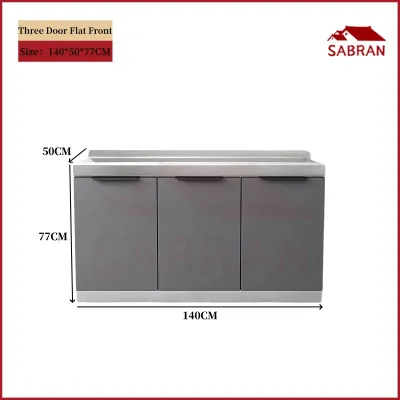
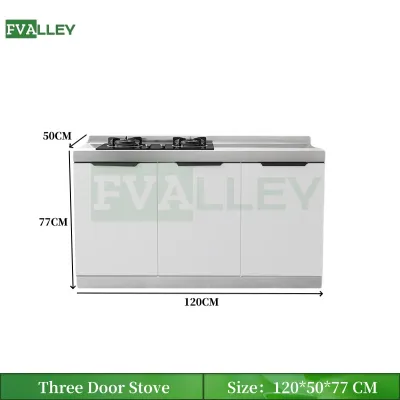
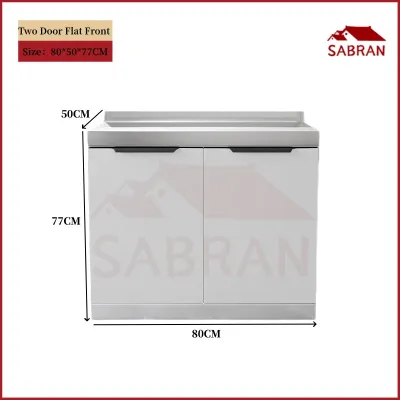
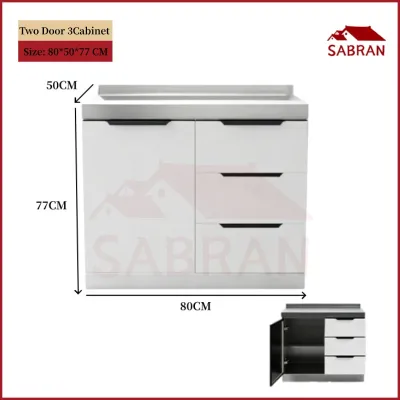
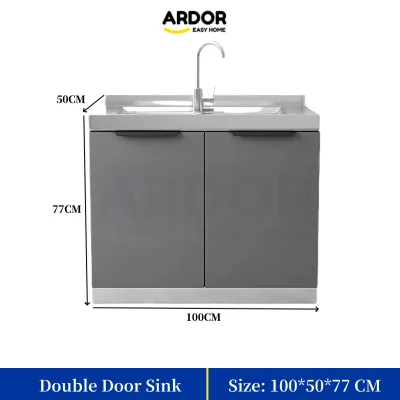
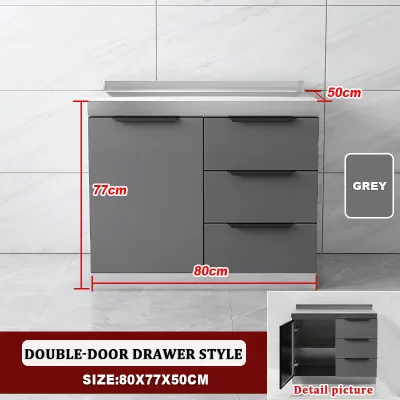
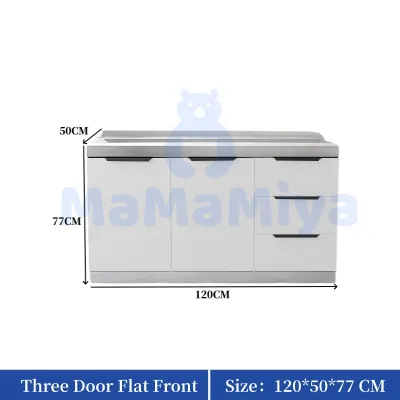
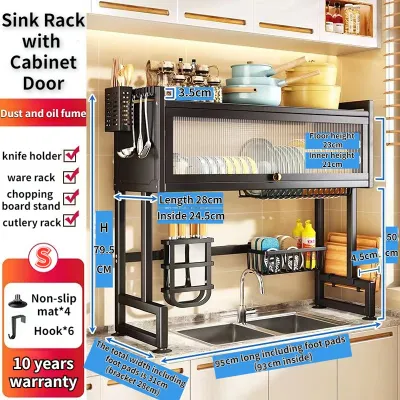
Prices are valid at publication and may change. Please refer to the product page for the latest price.
Furthermore, the space directly beneath the sink is vulnerable to hidden plumbing failures. Even a minor, slow drip from a P-trap, water filtration system, or supply line can pool unnoticed for weeks, quietly warping floor panels and degrading cabinet bases. Because these areas are dark and poorly ventilated, they require storage solutions engineered specifically to withstand prolonged dampness rather than standard household furniture designed for dry living rooms or bedrooms.
When evaluating any storage cabinet or organizer for this zone, you must assess several critical design dimensions. First, examine the material composition and its surface treatment, ensuring that raw edges are completely sealed against water ingress. Second, prioritize structural ventilation; cabinets with open slats, mesh panels, or wire grates facilitate continuous airflow, which accelerates evaporation and prevents musty odors. Third, look for integrated water drainage features, such as sloped drip trays or raised feet, which keep the cabinet base elevated above standing water on the floor.
It is also essential to recognize that moisture resistance exists on a spectrum rather than as a single, absolute standard. A cabinet rated as “splash-proof” or “water-resistant” is perfectly suited for placement adjacent to the sink where it only encounters occasional stray droplets. However, storage placed directly under the sink or used as a primary dish-drying station requires a much higher level of waterproofing, such as marine-grade materials or completely non-porous plastics and metals. Matching the cabinet’s specific rating to its intended location prevents premature product failure and saves on replacement costs.
Recommended Material Types and What to Verify
Stainless Steel and Metal Alloys
Metal storage units offer exceptional strength and a modern aesthetic, but their performance near a kitchen cabinet sink depends entirely on the specific alloy used. When shopping for stainless steel cabinets or shelving, always check the manufacturer’s technical specifications for the exact grade of steel. Grade 304 stainless steel contains higher levels of chromium and nickel, making it highly resistant to rust and corrosion in wet environments, whereas lower-grade 201 stainless steel is more susceptible to pitting and surface rust when exposed to salt, acids, or constant moisture over time.

If you are considering carbon steel, iron, or chrome-plated wire organizers, you must verify the presence of a robust, protective outer coating. Look for terms like “epoxy powder coating,” “electrophoretic deposition,” or “passivation treatment” in the product description. These coatings act as a physical barrier, preventing water and oxygen from reaching the underlying metal. Be sure to inspect the thickness of the coating and look for any chips or scratches, as even a tiny exposed area can allow rust to take hold and spread beneath the paint.
The overall durability of a metal cabinet is also determined by its construction quality. Inspect the welded joints, seams, and fastener holes closely before assembly or installation. Poorly executed welds can leave tiny crevices where water pools, leading to localized crevice corrosion that compromises the structural integrity of the frame. Opt for units with smooth, continuous welds or those that utilize rust-proof hardware, such as brass or stainless steel screws, to assemble the components.
High-Density Plastics and Resins
High-density plastics, such as polypropylene (PP), high-density polyethylene (HDPE), and heavy-duty ABS resins, are inherently waterproof and will never rust, warp, or rot when exposed to water. This makes them exceptionally practical choices for under-sink organizers and adjacent storage carts. However, because plastic is more flexible than metal or wood, you must carefully verify the manufacturer’s rated load-bearing capacity. Heavy items like gallon-sized cleaning agents, liquid detergents, and cast iron cookware can cause thin plastic shelves to sag, bow, or crack over time.
If your kitchen layout places the storage cabinet near a window with direct sunlight or close to a cooking range, you must also check for UV-stabilizer and heat-resistance specifications. Standard plastics can become brittle, fade, or warp when subjected to daily solar heat or high kitchen temperatures. Choosing resins engineered with UV inhibitors ensures the material retains its flexibility and structural strength, preventing the plastic from cracking under normal physical stress.
To ensure long-term durability, pay close attention to the structural design of the plastic panels. High-quality plastic cabinets feature molded reinforcement ribs on the undersides of shelves and along the vertical support columns. These ribs distribute weight evenly and prevent the material from flexing under load. Avoid lightweight, single-walled plastic units that feel flimsy to the touch, as they are prone to tipping or collapsing when loaded with heavy kitchen supplies.
Treated Wood and Engineered Boards
Wood brings warmth and a classic aesthetic to the kitchen, but standard wood products perform poorly in wet zones. If you prefer the look of wood near your kitchen cabinet sink, you must verify that the material is explicitly rated for high-moisture environments. Look for cabinets constructed from marine-grade plywood, which uses waterproof glue, or moisture-resistant medium-density fiberboard (often labeled as MR MDF or green-core MDF). These engineered boards are formulated with special resins that resist swelling when exposed to high ambient humidity.
Even with moisture-resistant cores, the surface treatment and edge banding of the wood are your primary lines of defense. Inspect the cabinet to ensure that all edges—especially the bottom edges and back panels—are sealed with thick, high-pressure laminate (HPL) or professional-grade polyurethane edge banding. Any exposed core material, no matter how small, will absorb water vapor from the air or direct splashes from the sink, leading to localized swelling, bubbling of the laminate, and eventual structural delamination.
It is critical to understand that even treated engineered wood has strict limitations and cannot withstand standing water or prolonged, direct leaks. For this reason, you should restrict wood-based storage cabinets to adjacent splash zones or elevated wall-mounted positions rather than placing them directly on the floor beneath a sink’s plumbing. If you must use a wood cabinet under the sink, always place a heavy-duty, waterproof plastic drip tray on the cabinet floor to catch any potential plumbing drips before they contact the wood surface.
Best Cabinet Styles for Under-Sink and Splash Zones
Under-Sink Organizers and Pull-Outs
The dark, cramped space directly beneath a kitchen cabinet sink is notoriously difficult to organize due to the presence of drain pipes, water supply lines, shut-off valves, and sometimes garbage disposals. To maximize this area, look for specialized under-sink organizers that feature adjustable heights or expandable widths. Many modern designs incorporate a U-shaped or cut-out top shelf that fits neatly around the vertical P-trap, allowing you to utilize the vertical space on either side of the plumbing without interfering with the pipes.
Airflow and drainage are paramount in this enclosed zone to prevent the buildup of musty smells and mold. Opt for organizers with slatted shelves, perforated metal baskets, or integrated drip trays. Slatted and perforated designs allow air to circulate freely around your cleaning supplies, helping damp sponges or cloths dry quickly. If a minor leak does occur, an organizer with a removable plastic drip tray will catch the water, making it easy to slide out, empty, and clean without soaking the cabinet floor.
Before purchasing a pull-out drawer or sliding shelf system, carefully measure the clearance dimensions inside your cabinet. Ensure there is sufficient clearance for the drawer glides to extend fully without striking the cabinet door hinges or the plumbing lines. High-quality pull-out systems utilize ball-bearing drawer slides made of treated steel; verify that these slides are rated for wet environments and operate smoothly under the weight of full spray bottles and heavy cleaning canisters.
Rolling Carts and Mobile Islands
For kitchens with limited built-in cabinetry, rolling storage carts and mobile prep islands offer an incredibly flexible solution. These units can be positioned right next to the sink during meal preparation or dishwashing to hold active ingredients and clean utensils, then rolled away to a dry corner of the room when the tasks are finished. This mobility makes it easy to clean the floor beneath and around the wet zone, preventing water from pooling in hidden corners and damaging your flooring.
When selecting a mobile cart, the quality and material of the wheels, or casters, are critical safety factors. Ensure the casters are constructed from rust-resistant materials, such as heavy-duty nylon or stainless steel, and feature high-quality ball bearings that roll smoothly on wet tile or vinyl floors. At least two of the casters must have robust wheel locks that engage firmly; this prevents the cart from shifting or sliding unexpectedly when you are placing heavy items on it or working on its surface.
The physical structure of the cart should promote both stability and airflow. Carts with open-wire baskets or slatted wooden shelves are ideal because they do not trap moisture from wet dishes or damp towels. However, because these units are mobile, they are subject to shifting forces. Always verify the cart’s center of gravity and overall stability, particularly when loading heavier items like large water jugs or cast iron pots on the bottom shelf to keep the unit grounded and prevent tipping.
Open Wire Racks and Shelving
Open wire shelving units are highly favored in professional kitchens and damp utility areas because of their exceptional ventilation properties. Because there are no solid surfaces, dust, dirt, and water droplets cannot accumulate on the shelves. This lack of standing water dramatically reduces the risk of mold, mildew, and bacterial growth, making open wire racks one of the most hygienic storage options available for the high-moisture zone adjacent to a kitchen cabinet sink.
However, the durability of a wire rack depends entirely on the integrity of its protective finish. Whether the rack is made of chrome-plated steel or epoxy-coated iron, you must verify the quality of the outer layer. If the coating is thin or poorly applied, daily friction from sliding pots, pans, and organizers can scratch the surface, exposing the raw metal underneath to moisture and leading to rapid rust formation. Look for heavy-duty commercial-grade ratings, such as NSF certification, which often indicate a more durable and wear-resistant finish.
While open wire shelves excel at airflow, they can be impractical for storing small, unstable items like spice jars, thin bottles, or delicate glassware, which can easily tip over or slip through the gaps between the wires. To solve this issue, look for wire racks that come with removable, dishwasher-safe plastic shelf liners. These liners provide a flat, stable surface for delicate items while still allowing you to easily remove them for deep cleaning, preserving the drainage benefits of the wire structure underneath.
Essential Pre-Purchase Measurements and Safety Checks
Before purchasing any storage cabinet or organizer for your kitchen cabinet sink area, taking precise physical measurements is the single most important step to ensure a successful and safe installation. Do not rely on visual estimates, as plumbing configurations are rarely symmetrical or standard. Begin by mapping out the entire interior of the cabinet space, noting not just the overall width, depth, and height, but also the exact locations of all pipe protrusions, shut-off valves, flexible supply lines, and electrical outlets.
Follow this step-by-step approach to measure your space accurately:
- Measure the clear width: Measure the distance between the inside walls of the cabinet, subtracting the space occupied by door hinges or magnetic latches that project inward.
- Measure the clear depth: Measure from the back wall to the inside of the closed cabinet door. Ensure you leave at least two to three centimeters of clearance to prevent the cabinet doors from pinching water lines or pressing against electrical cords when shut.
- Measure the clear height: Measure from the cabinet floor to the lowest point of the sink basin, garbage disposal, or support brackets.
- Map the plumbing obstacles: Measure the height from the cabinet floor to the bottom of the P-trap, and measure the distance from the side walls to the outermost edges of the pipes. This step is crucial for selecting an organizer that can wrap around or sit beneath these fixtures.
Once you have established the physical dimensions, you must cross-reference the storage unit’s technical specifications with your intended storage items. Every cabinet and shelf has a maximum weight capacity specified by the manufacturer. If you plan to store heavy bulk cleaning agents, large water containers, or heavy cookware, ensure the total weight does not exceed the rated capacity of the shelves. Overloading a cabinet can lead to structural bowing, joint separation, or sudden collapse, which could rupture nearby water lines.
Safety is especially critical when dealing with tall, narrow storage units or freestanding cabinets placed adjacent to the sink. Due to their high center of gravity, these units can become unstable when loaded with items on the upper shelves. Always check if the manufacturer includes anti-tip wall anchors with the cabinet, and install them securely into a wall stud or concrete backing. Additionally, verify that the cabinet base is perfectly level; use adjustable leveling feet to compensate for any slopes in your kitchen floor, which are common near floor drains in tropical homes.
Routine Maintenance to Prevent Water Damage
Even the highest-quality, moisture-resistant kitchen cabinet sink storage requires regular maintenance to preserve its protective coatings and extend its operational lifespan. The most basic yet effective practice is to promptly wipe down any water splashes, spills, or condensation. Use a soft, non-abrasive microfiber cloth to dry the surfaces after heavy dishwashing sessions. Allowing soapy water or chemical cleaners to sit on cabinet surfaces can gradually break down protective sealants, wax finishes, or epoxy coatings, leaving the material vulnerable to moisture penetration.
Establish a routine inspection schedule—ideally once every month—to check the condition of your sink-area storage and the surrounding plumbing. Look closely for early warning signs of water damage, such as localized swelling along wood joints, bubbling or peeling of laminate edge banding, tiny orange spots of rust on metal frames, or fuzzy black mold growth in dark corners. Catching these issues early allows you to address the root cause, such as tightening a loose pipe joint or reapplying a silicone sealant, before the cabinet suffers irreversible structural damage.
When cleaning your storage cabinets, always use mild, manufacturer-approved cleaning solutions. A simple mixture of warm water and a few drops of gentle dish soap is usually sufficient to remove grease and grime without stripping protective finishes. Avoid using harsh chemical cleaners, abrasive scrubbing pads, steel wool, or strong solvents like acetone and bleach, as these materials can scratch metal coatings, degrade plastic resins, and dissolve wood sealants. If you must disinfect the area, verify that the sanitizer is safe for the specific material of your cabinet.
Finally, active moisture control is essential in enclosed under-sink spaces. If your cabinet design allows, consider installing passive vent grilles on the cabinet doors or side panels to promote continuous air exchange with the rest of the kitchen. Alternatively, make it a habit to leave the cabinet doors open for a few hours during dry, breezy days to allow trapped humidity to escape. Placing reusable silica gel packs or moisture-absorbing canisters inside the cabinet can also help maintain a dry environment, protecting both the cabinet structure and the items stored within.
Frequently Asked Questions (FAQ)
Can I use standard MDF cabinets under the kitchen sink?
Standard medium-density fiberboard (MDF) is highly susceptible to water damage and is not recommended for use directly under a kitchen sink. Standard MDF is made from compressed wood fibers held together by wax and resin binders; when exposed to standing water or high humidity, these fibers absorb moisture like a sponge, causing the board to swell, sag, and lose its structural integrity. Once standard MDF water-swells, it cannot be restored to its original shape and must be replaced.
If you must use an existing standard MDF cabinet in this zone, you must apply rigorous secondary waterproofing. Seal all raw edges, joints, and screw holes with a high-quality silicone caulk or water-resistant polyurethane sealant. Additionally, place a thick, waterproof plastic drip tray or a heavy-duty silicone mat on the cabinet floor to catch any plumbing leaks, and ensure the area is well-ventilated to minimize humidity buildup.
How do I protect the cabinet floor from leaking pipes?
Protecting your cabinet floor from plumbing leaks requires a combination of physical barriers and early detection. The most effective physical defense is installing a purpose-built, flexible silicone under-sink mat or a rigid plastic drip tray with raised edges. These mats are designed to contain several liters of water, keeping any liquid from coming into direct contact with the cabinet floor and giving you time to discover and repair the leak.
For advanced protection, place a battery-operated water leak sensor or smart alarm on the cabinet floor near the plumbing connections. These small devices emit a loud alarm or send a notification to your smartphone the moment they detect moisture, providing an early warning before significant damage occurs. Finally, perform regular visual inspections of your plumbing connections, supply lines, and shut-off valves, as proactive maintenance remains your primary defense against water damage.
Community discussion
Share your experience or ask a question. Comments are reviewed before publication.