
Maximizing Space: The Role of Multi-Functional Bedside Tables
In space-constrained urban homes across the Philippines, every square inch of bedroom floor space counts. Whether you are furnishing a studio condominium in Metro Manila or a compact bedroom in a provincial townhouse, traditional, bulky nightstands often prove impractical. They occupy valuable floor space while offering limited utility, frequently leading to cluttered surfaces and cramped walkways.
Choosing a multi-functional bedside table allows you to consolidate your furniture needs into a single, efficient footprint. Instead of squeezing a separate desk, a charging station, a reading light, and a storage cabinet into a small room, you can select a single side table that performs all of these roles. This approach keeps your sleeping area organized, visually open, and highly functional.
By replacing multiple single-purpose furniture items, a well-chosen dual-purpose table helps maintain a clean visual flow. Visual clutter in a small bedroom can disrupt relaxation and sleep quality. A compact, versatile table keeps daily essentials within reach while keeping the surrounding area tidy and accessible.
Products mentioned in this guide
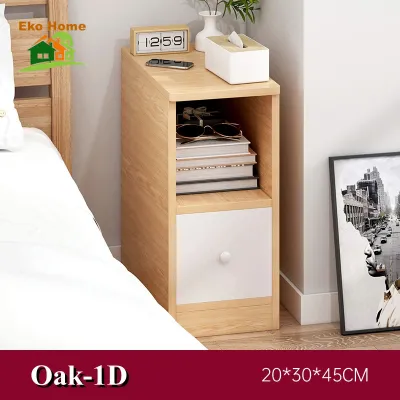
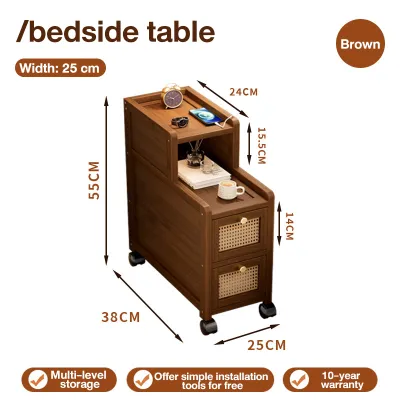
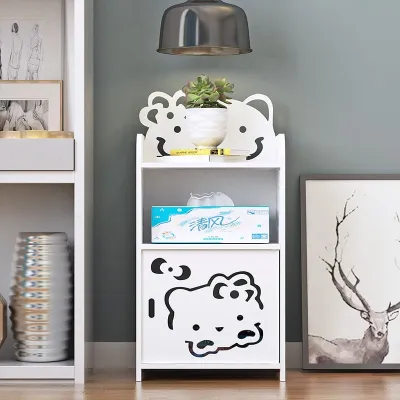
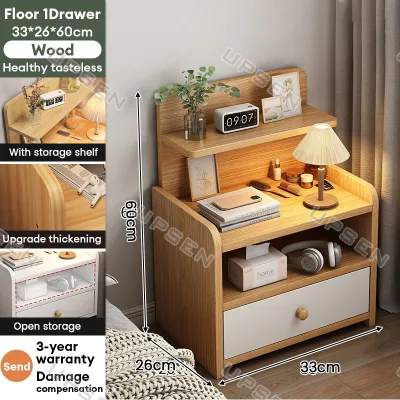
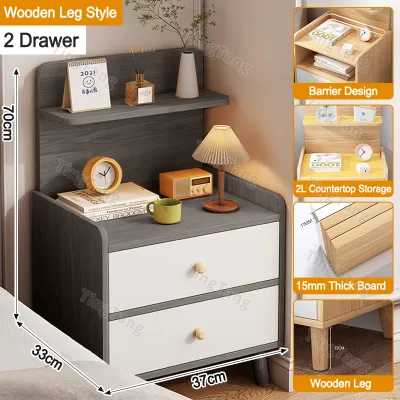
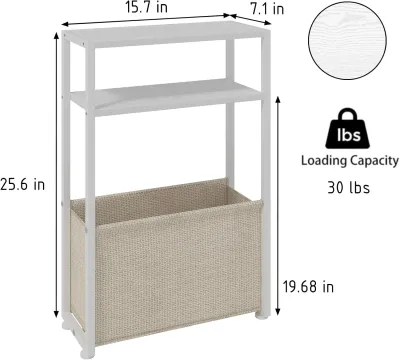
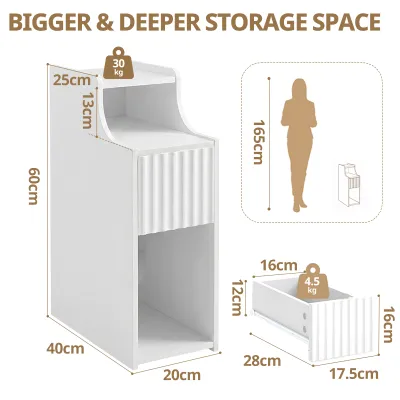
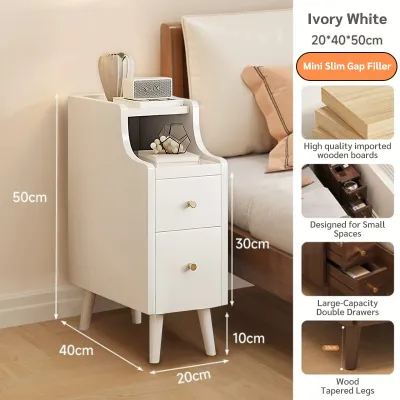
Prices are valid at publication and may change. Please refer to the product page for the latest price.
Essential Features to Evaluate in Compact Side Tables
When shopping for a compact bedside table, you must look beyond aesthetic appeal to evaluate how a piece fits your nightly routines and space limitations. A truly functional nightstand should address your storage, connectivity, and spatial needs without overwhelming the room.

Built-in storage is the foundation of any space-saving furniture piece. Look for a balance of open shelving and closed compartments. Open shelves provide quick access to items you use frequently, such as books or a glass of water, while drawers or cabinets conceal personal items and prevent visual clutter. If you opt for drawers, verify the depth and glide mechanism to ensure they open smoothly without sticking.
Integrated technology features are increasingly important for modern bedrooms. Many contemporary tables feature built-in USB ports, power outlets, or wireless charging pads. These additions eliminate the need for bulky extension cords and adapters, keeping your bedside area clean and safe. When evaluating these features, always check the manufacturer’s specifications for voltage compatibility and safety certifications, particularly if the item is imported.
Adaptability is another crucial feature for tight spaces. Look for tables with adjustable heights, swiveling surfaces, or modular components that can be reconfigured as your needs change. A table that can transition from a simple nightstand to a temporary laptop desk provides immense value in a multi-purpose room.
Rather than relying on generic marketing terms like “heavy-duty” or “spacious,” carefully read the product labels and manufacturer specifications. Check the maximum weight capacity for both the main surface and any individual drawers or extended leaves. This verification prevents structural damage and ensures the table can safely support your items over time.
Best Multi-Functional Bedside Table Styles for Small Layouts
Navigating the wide variety of furniture options available online requires a clear understanding of which styles perform best in small layouts. Different designs solve different spatial challenges, so matching the style to your specific bedroom layout is essential.
Drawers and Cabinet Hybrids
Hybrid designs that combine drawers with cabinet space offer the highest volume of concealed storage. These pieces are ideal for individuals who need to store medications, journals, extra bedding, or personal electronics out of sight. By keeping these items enclosed, you maintain a minimalist aesthetic that makes a small room feel larger.
Before purchasing a hybrid table, carefully measure the clearance required for cabinet doors and drawers to open fully. In a tight space, a door that swings outward might hit the bed frame or a nearby wardrobe. If space is exceptionally tight, consider models with sliding doors or fabric storage bins that do not require external clearance.
Additionally, inspect the drawer glide mechanisms. High-quality ball-bearing glides ensure quiet, smooth operation, which is particularly important in a quiet bedroom environment. Check the interior dimensions of the compartments to confirm they can accommodate your specific storage containers or items.
Drop-Leaf and Extendable Side Tables
Drop-leaf and extendable tables are highly versatile options that serve multiple functions throughout the day. These designs feature a hinged surface that can be raised to create a larger workspace, vanity, or breakfast tray, and then folded down flush against the side of the table when not in use. This flexibility is perfect for studio apartments where a bedroom must also function as a home office.
When evaluating an extendable table, pay close attention to the hinge stability and locking mechanisms. The bracket supporting the extended leaf must be robust enough to handle the pressure of typing or leaning. Always verify the manufacturer’s specified weight limit for the extended surface to prevent tipping or structural failure.
Consider the height of the extended surface in relation to your bed or chair. If you plan to use the extended leaf as a workspace while sitting on the bed, ensure the height allows for comfortable ergonomics without straining your back or neck.
Tech-Integrated Nightstands
Tech-integrated nightstands streamline your daily routine by consolidating power sources and reducing cable clutter. These tables often feature built-in power strips, USB-A or USB-C ports, and even integrated LED lighting with touch controls. By centralizing your charging needs, you eliminate the hazards of tangled cords on the floor.
When purchasing a tech-integrated table from online marketplaces, verify that the electrical components are compatible with the Philippine standard voltage of 220V and frequency of 60Hz. Check for recognized safety certifications on the product label or user manual to ensure the wiring is safe for continuous overnight use.
Additionally, look for built-in cable management channels or slots. These design details allow you to route charging cables neatly along the back or inside of the table, keeping them organized and out of sight.
C-Tables and Nesting Designs
C-tables and nesting tables are exceptional space-savers because of their unique structural designs. A C-table features a cantilevered frame shaped like the letter “C,” allowing the base to slide underneath your bed frame while the tabletop hovers directly over the mattress. This design eliminates the need for side clearance entirely, making it perfect for extremely narrow bedrooms.
Nesting tables consist of two or three tables of graduating sizes that fit neatly on top of or underneath one another. You can stack them together to save floor space during the day, and slide them out at night to create additional surface area when hosting guests or working.
To ensure a proper fit for a C-table, you must measure the clearance height of your bed frame’s base. If your bed sits directly on the floor or has a very low clearance, the base of the C-table may not fit underneath. Also, check the bottom of the table base for protective pads or casters to prevent scratching your bedroom flooring.
Measuring and Fitting Bedside Tables in Tight Bedroom Layouts
To avoid the frustration of purchasing a bedside table that blocks your path or sits at an uncomfortable height, you must take precise measurements of your bedroom layout before making a purchase. Follow these steps to ensure a perfect fit:
Step 1: Measure Mattress Height
The height of your bedside table should align closely with the top of your mattress. Ideally, the tabletop should sit level with or up to two inches (five centimeters) below the mattress surface. This height range allows you to reach for items easily while lying down without straining your shoulder or accidentally knocking items over in the dark. Measure from the floor to the very top of your mattress, including any mattress toppers.
Step 2: Check Surrounding Clearances
In small bedrooms, furniture placement must account for the movement of doors, drawers, and curtains. Measure the swing radius of your bedroom door and wardrobe doors to ensure they will not strike the bedside table when opened. If you have floor-length curtains, leave a gap of at least two to three inches between the wall and the back of the table to allow the fabric to hang naturally without being crushed.
Step 3: Establish Walking Paths
A cramped bedroom can feel stressful and unsafe. Ensure that your layout maintains a clear walking path of at least 24 inches (approximately 60 centimeters) between the side of the bed and the nearest wall or piece of furniture. If a bedside table reduces this pathway below 20 inches, consider a narrower style, a wall-mounted shelf, or a sliding C-table that can be tucked away when not in use.
Step 4: Verify Product Dimensions Online
When browsing online furniture stores, do not rely solely on the main product images, which can often make items look larger or smaller than they are. Always locate the detailed dimensions diagram. Note the exact width, depth, and height. Pay close attention to any protruding hardware, such as drawer handles or knobs, as well as the design of the base, which may extend slightly wider than the tabletop.
Evaluating Materials and Durability for Humid Climates
The tropical climate of the Philippines, characterized by high humidity and seasonal temperature shifts, presents unique challenges for furniture preservation. Without proper consideration of materials and finishes, your bedside table may warp, swell, or develop mold over time.
Engineered wood, such as MDF (medium-density fiberboard) or particle board, is a common and affordable choice for modern furniture. However, these materials are highly sensitive to moisture. If you choose engineered wood, inspect the quality of the edge banding. High-quality, tightly sealed PVC or ABS edge banding prevents moisture from penetrating the core material, which can cause swelling and structural weakness.
For solid wood tables, look for pieces treated with protective finishes. A sealed polyurethane, lacquer, or varnish coating acts as a barrier against humidity, helping to minimize the wood’s natural expansion and contraction. Avoid untreated or raw wood surfaces in humid environments, as they are highly susceptible to moisture absorption and warping.
Metal components are excellent for durability and modern aesthetics, but they can rust in humid conditions if left unprotected. Prioritize metal frames with powder-coated or rust-resistant finishes. These coatings protect the underlying metal from moisture and air, ensuring the structural integrity of the frame remains intact.
Always consult the manufacturer’s care instructions for specific maintenance recommendations. For instance, solid wood may benefit from periodic conditioning, while engineered wood should be wiped down with a dry or slightly damp microfiber cloth rather than soaked with liquid cleaners. Regular ventilation in your bedroom also helps manage local humidity levels, protecting your furniture from moisture-related damage.
Frequently Asked Questions (FAQ)
What is the ideal height for a bedside table?
The ideal height for a bedside table is generally level with the top of your mattress, or up to two inches lower. This ergonomic positioning makes it easy to reach items like your phone, glasses, or a glass of water without having to stretch upward or bend awkwardly from a lying position. To find your ideal height, measure from the floor to the top of your mattress before shopping, and compare this figure with the product’s listed height.
Can I use a small side table instead of a traditional nightstand?
Yes, you can easily use a small living room side table, accent table, or pedestal table as a bedside table, provided it meets your height and stability requirements. When repurposing a side table, prioritize models with a stable, heavy base to prevent tipping if bumped in the dark. Ensure the tabletop surface is large enough to safely hold your nighttime essentials, such as a bedside lamp and your charging devices, without overcrowding.
Community discussion
Share your experience or ask a question. Comments are reviewed before publication.