
Selecting the right furniture for a compact home is a balancing act between style, comfort, and utility. In urban living spaces, such as studio apartments and high-rise condominiums, every square meter of floor space must be utilized intentionally. The traditional living room layout, centered around a static coffee table, is shifting toward more dynamic setups that can adapt to different daily needs.
A multi-functional center table serves as the perfect solution for maximizing limited square footage. By integrating hidden compartments, adjustable heights, or modular configurations, these versatile pieces of furniture do more than just hold a coffee cup. They can instantly transform a relaxed living room into a productive home office, a cozy dining area, or a clutter-free sanctuary, making them indispensable for modern, compact living.
How to Evaluate Multi-Functional Center Tables for Small Rooms
When space is limited, buying a center table based solely on aesthetics can lead to a cramped and dysfunctional living room. You must first identify your primary spatial constraints and daily functional needs. If your apartment lacks built-in cabinetry, a table with deep hidden storage will help keep daily clutter out of sight. If you frequently work from home or eat meals while watching television, a table with an adjustable height mechanism is more appropriate. For those who love to host but have limited floor space, an expandable or nesting design offers temporary surface area that can be tucked away when guests leave.
Products mentioned in this guide

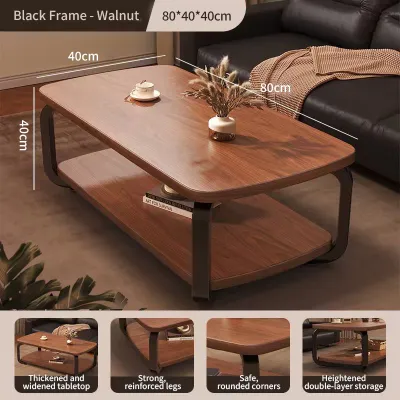
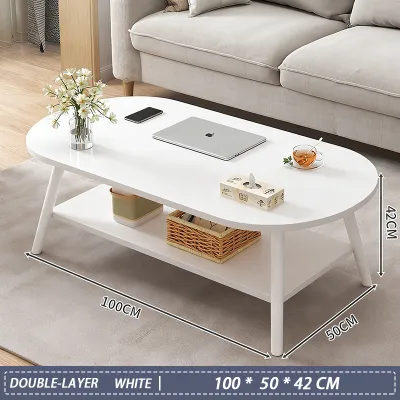
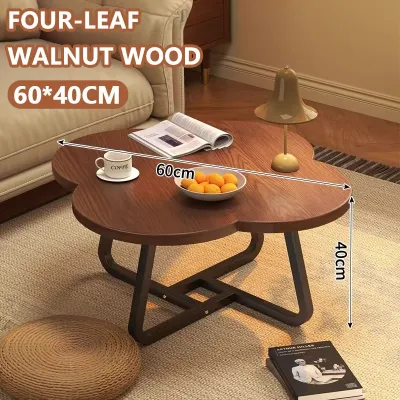
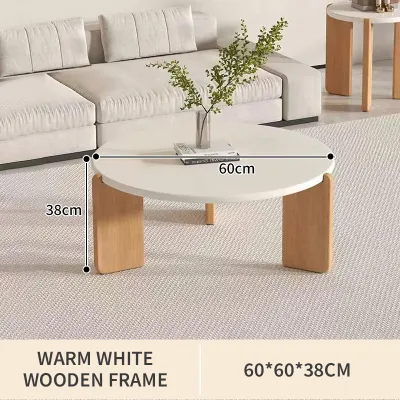
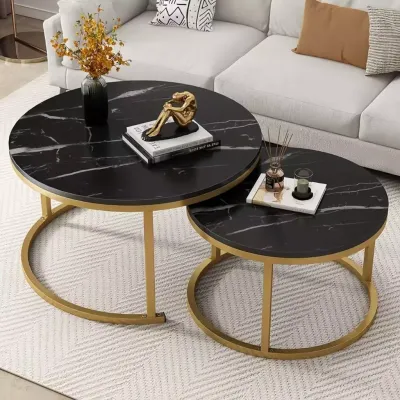
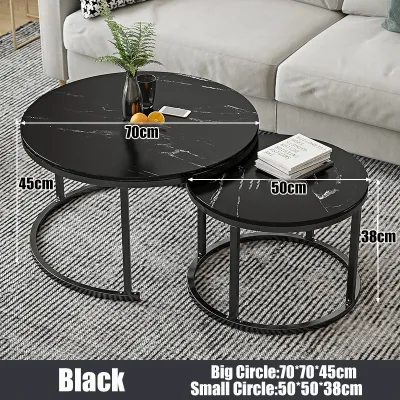
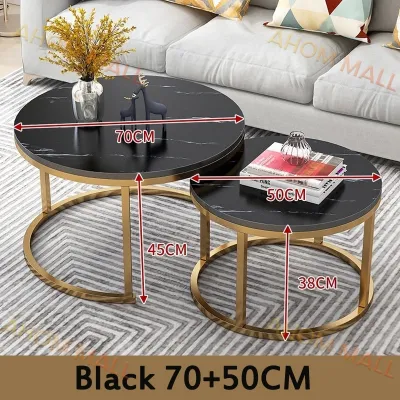
Prices are valid at publication and may change. Please refer to the product page for the latest price.
Proportion and scale are critical when coordinating your center table with existing furniture. As a general rule of thumb, the length of the center table should be between one-half and two-thirds the total length of your sofa. Additionally, the visual weight of the table should complement the room’s layout. A solid, boxy storage table can make a tiny room feel heavy and congested if paired with a bulky sectional sofa. In contrast, a table with open metal legs or a glass top preserves visual flow, making the room appear larger than it actually is.
Given the tropical climate of the Philippines, material selection and hardware quality require careful scrutiny. High humidity levels can cause low-grade particle board or medium-density fiberboard (MDF) to absorb moisture, swell, and warp over time. To ensure longevity, look for tables constructed from marine plywood, solid wood, or engineered wood treated with moisture-resistant sealants. Furthermore, metal hardware such as hinges, drawer slides, and lifting brackets must be rust-proof or powder-coated to withstand humid air and prevent squeaking or seizing.
Stability and safety are paramount for any furniture piece with moving parts. Multi-functional tables often feature shifting centers of gravity, especially when tops are extended or raised. A lightweight table with a poorly balanced base can easily tip over if you lean on an extended leaf or place a heavy laptop on a raised surface. Before purchasing, verify that the table has a heavy, stable base or a weighted lower shelf to anchor it. If you have young children or pets, check for safety features like soft-close hinges, rounded corners, and secure locking pins to prevent accidental finger pinches or sudden collapses.
Best Multi-Functional Center Table Types for Compact Living Rooms
To find the ideal match for your home, it helps to understand the distinct advantages, limitations, and design variations of the primary multi-functional table categories available on the market.

Lift-Top Center Tables for Working and Dining
Lift-top center tables are designed with a split or single-panel surface that lifts upward and forward, bringing the tabletop closer to you while you sit on the sofa. This mechanism eliminates the need to hunch over a low table, creating an ergonomic setup for typing on a laptop, writing, or enjoying a meal. Underneath the lifting platform, these tables typically feature a deep, hidden compartment perfect for storing chargers, notebooks, and office supplies out of sight.
When shopping for a lift-top table, the lifting mechanism itself is the most critical component to inspect. Budget-friendly models often use manual metal spring hinges, which can feel stiff, jerky, or noisy during operation. Higher-quality tables utilize hydraulic gas spring struts or counterbalanced mechanical lifts. Gas struts provide a smooth, dampening effect that allows the tabletop to rise effortlessly and lower gently without slamming, protecting both the furniture frame and your fingers.
Despite their convenience, lift-top tables have specific limitations. The raised surface has a lower weight capacity than a static table, typically holding between 10 to 15 kilograms. Leaning heavily on the extended edge can cause the table to wobble or tip. Additionally, you cannot access the interior storage compartment while the top is lowered without clearing off any decorative items, drinks, or books currently resting on the surface.
Before finalizing your purchase, conduct a few quick checks. Verify the base weight of the table to ensure it remains firmly anchored when the top is fully extended. Test the lifting mechanism to confirm it operates smoothly without requiring excessive force. Finally, measure the raised height of the tabletop; it should sit approximately 60 to 65 centimeters from the floor to align comfortably with a standard sofa seat height of 40 to 45 centimeters.
Storage Ottomans and Hidden-Compartment Tables
Storage-focused center tables prioritize decluttering by turning the footprint of the table into a highly functional storage chest. These pieces are ideal for studio apartments where closet space is at a premium. They provide a dedicated home for bulky items like spare throw pillows, blankets, board games, and extra cushions that would otherwise clutter the living room corners.
These tables come in several structural designs, each offering a different way to access the storage space. Hinged-lid tables feature a top that swings upward, while sliding-top models allow you to slide panels horizontally to reveal the interior. Another popular option is the upholstered storage ottoman, which features a padded exterior that can double as extra seating or a footrest. Many modern storage ottomans come with reversible wooden lids that function as stable serving trays when flipped over.
One key trade-off of storage tables is the temporary loss of surface usability when accessing the interior. If you have a hinged-lid table, you must completely clear the tabletop of cups, coasters, and decor before you can open it. Furthermore, upholstered fabric ottomans require more maintenance in high-traffic homes. In warm, humid environments, fabric upholstery can trap dust, sweat, and moisture, making them prone to staining and odors. Choosing leatherette, microfiber, or treated performance fabrics can make cleaning and maintenance much easier.
To ensure a storage table fits your needs, measure the interior depth of the compartment to confirm it can accommodate your specific storage items. If choosing a wooden or metal hinged lid, verify that it includes soft-close safety hinges or lid stays to prevent the heavy top from dropping unexpectedly. If you plan to use a storage ottoman as an extra seat for guests, check the manufacturer’s specifications to ensure the lid has a weight capacity of at least 100 kilograms.
Expandable and Drop-Leaf Center Tables
Expandable center tables are designed for homes that host guests occasionally but need to maximize open floor space for daily living. These tables feature adjustable surfaces that can grow or shrink depending on the activity. They allow you to maintain a compact footprint for daily traffic, then expand the surface to accommodate snacks, drinks, or board games when friends and family visit.
There are two primary styles of expandable tables: drop-leaf designs and slide-out extensions. Drop-leaf tables have hinged side panels that hang vertically when not in use and lift up to lock into place with wooden sliders or metal swing-out brackets. Slide-out or pull-up extension tables feature hidden panels tucked beneath the main tabletop that slide outward, doubling the surface area without requiring separate storage for the extra pieces.
While highly versatile, expandable tables require a clear understanding of their spatial and structural limits. When fully extended, the table will occupy a significantly larger footprint, which can temporarily block walkways or press against other furniture. Additionally, the extended portions of drop-leaf tables are inherently less stable than the center frame. If guests lean heavily on the outer edges or if heavy items are placed on the extended leaves, the support brackets can bend or fail.
To avoid layout issues, measure the fully expanded dimensions of the table and map them out on your living room floor using painter’s tape. Ensure there is still enough clearance to walk around the table when it is completely open. Additionally, inspect the leg design; some expandable tables have wide-angled legs that can get in the way of your feet or knees when you try to sit close to the extended sections.
Nesting Tables for Modular Flexibility
Nesting tables consist of a set of two or three independent tables of graduating sizes that fit neatly underneath one another. This modular design offers incredible flexibility for small spaces. You can keep them stacked together as a single, compact center table for daily use, or pull them apart to distribute them around the room as individual side tables when hosting guests.
Nesting tables are available in a wide variety of design styles and geometric shapes. You can find classic round nesting sets, sleek rectangular designs, or complementary organic shapes that slide together to create an artistic layered look. Because they have open bases to allow for stacking, they often feature thin metal frames and light wooden or glass tops, which helps keep the living room looking airy and spacious.
However, nesting tables do have a few structural limitations. When separated, they take up a larger total amount of floor space, which might feel cluttered if your room is exceptionally narrow. Because the nested pieces must be progressively smaller, the lowest tier table is often quite low to the ground, making it less comfortable to use from a standard-height sofa seat.
When evaluating a nesting set, ensure the height of the tallest table aligns well with your sofa cushions. Check the undersides of the metal frames or wooden legs for high-quality felt pads or rubber feet; these are essential to protect your flooring from scratches as you slide the tables in and out. Finally, make sure the tables slide together smoothly and sit flush without rattling or getting stuck on one another’s frames.
Quick Comparison: Matching Table Features to Your Space
Choosing the right multi-functional center table requires balancing your daily lifestyle habits against the physical limitations of your living room. No single table type is perfect for every home, so prioritizing your most frequent activities will help you make the right choice.
| Table Type | Primary Benefit | Best Use Case | Space Requirement | Key Limitation |
|---|---|---|---|---|
| Lift-Top | Dual-height surface | Working on a laptop or dining from the sofa | Clearance for upward and forward panel extension | Lower weight capacity on the raised surface |
| Storage Ottoman | Hidden clutter control | Storing bulky blankets, pillows, and board games | Static footprint; clearance to lift or slide the lid | Must clear the surface to access interior storage |
| Expandable / Drop-Leaf | Adjustable surface area | Hosting guests or playing board games | Clearance around the table for extended panels | Extended leaves have lower weight limits |
| Nesting Tables | Modular placement | Flexible entertaining and easy floor cleaning | Minimal when stacked; variable when spread out | Lowest tier may be too low for comfortable reach |
If your primary daily challenge is a lack of workspace, a lift-top table is generally the most practical investment. However, if your living room doubles as a high-traffic family area where toys and blankets need to be put away quickly, a durable storage ottoman will serve you better. Consider how you use your living room on a typical Tuesday versus a Saturday night to guide your decision.
Critical Measurements and Clearance Checks Before You Buy
Before purchasing any center table, taking precise measurements of your living room is the most effective way to prevent layout mistakes. Even the most beautiful multi-functional table will become a nuisance if it blocks your path or makes it difficult to sit down comfortably.
- Sofa-to-Table Clearance: To ensure comfortable legroom and easy movement, maintain a distance of 40 to 45 centimeters between the front edge of your sofa cushions and the edge of the center table. This gap provides enough space for your legs to bend comfortably while keeping drinks and remotes within easy arm's reach. If your space is exceptionally tight, you can reduce this gap to a absolute minimum of 35 centimeters, but anything less will make sitting down feel awkward.
- Height Alignment: For optimal ergonomics, the top of your center table should sit level with or slightly below the top of your sofa seat cushions. Standard sofa seats are typically 40 to 45 centimeters high, meaning your table should fall within the 38 to 45-centimeter range. A table that is too tall will block your line of sight and feel imposing, while a table that is too low will require you to bend down uncomfortably to reach your items.
- Maximum Expanded Footprint: Multi-functional tables change shape, which means you must measure their dimensions in both their closed and fully open states. For lift-top tables, remember that the top does not just go straight up; it also swings forward by about 20 to 30 centimeters. Ensure that this forward movement does not collide with your knees or press too tightly against your sofa. For expandable and nesting tables, map out the maximum width and length when fully opened to ensure they do not block pathways to doors, balconies, or hallways.
- Delivery and Access Checks: Many high-quality multi-functional tables, especially those with built-in storage or pre-assembled lift-top mechanisms, are heavy and arrive in large, bulky boxes. Before ordering, measure the width and height of your condominium's elevator door, the interior dimensions of the elevator cabin, narrow stairwell turns, and your apartment's front door frame. Verifying these dimensions beforehand ensures that your new furniture can actually be delivered into your home safely without damaging the walls or the table itself.
Frequently Asked Questions (FAQ)
Can a lift-top center table fully replace a dining table in a small condo?
While a lift-top center table is an excellent temporary solution for dining, it cannot fully replace a dedicated dining table for everyone. Seating capacity is limited; these tables are generally comfortable for only one or two people sitting side-by-side on the sofa. Eating from a sofa also lacks the upright back support of a standard dining chair, which can become uncomfortable during longer meals. Additionally, you must completely clear the tabletop of laptops, books, or decor before you can lower it back down, which can become a tedious daily chore.
How do I maintain the mechanical parts of a multi-functional table?
To ensure the longevity of moving parts like hinges, tracks, and gas struts, regular maintenance is essential. Keep the mechanical tracks and hinges free of dust, pet hair, and debris by vacuuming them regularly with a brush attachment. Avoid overloading the lift mechanisms beyond their stated weight limits, and never force or slam the tabletop or drop-leaves shut. Periodically check the underside of the table to ensure all mounting screws remain tight, as repeated movement can cause them to loosen over time. If a mechanism begins to squeak, apply a small amount of dry silicone lubricant spray according to the manufacturer’s care instructions.
Community discussion
Share your experience or ask a question. Comments are reviewed before publication.