
Integrating a high-quality shoe rack plastic multi layer assembly into your closet is one of the most practical ways to maximize limited wardrobe space in the Philippines. In tropical climates where high humidity levels regularly threaten leather, canvas, and synthetic footwear with mold, proper shoe storage is not just about neatness—it is about preservation. Utilizing a multi-tier plastic rack allows you to elevate your footwear collection off the damp closet floor, organize it systematically, and protect your investment. By selecting a model that fits your closet’s unique footprint and ventilation needs, you can transform a cluttered wardrobe floor into an efficient, clean storage system. In the Philippines, these versatile organizers are highly accessible, with basic multi-layer units starting around ₱300 and premium modular systems ranging up to ₱1,500 or more.
What to Look for in a Closet-Friendly Shoe Rack Plastic Multi Layer System
Standard closets in the Philippines typically have an internal depth of 50 to 60 centimeters. To prevent your footwear storage from obstructing sliding doors or hanging clothes, look for a rack with a shallow depth profile, ideally between 28 and 32 centimeters. This ensures that the unit sits flush against the back wall, leaving ample room for garment hems to hang naturally without bunching or pressing against the front of the shoes.
Tropical humidity is a constant challenge for indoor storage. Sealed containers or solid-walled racks trap stagnant air, creating a breeding ground for mildew and unpleasant odors. Prioritize plastic racks designed with open backs, slatted shelves, or side ventilation slots. These features facilitate continuous airflow around each pair of shoes, allowing moisture from daily wear to evaporate quickly rather than settling into the fabrics and linings.
Products mentioned in this guide
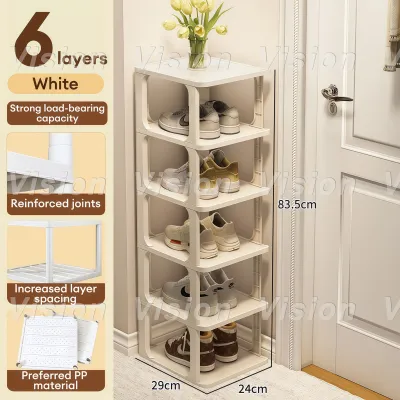
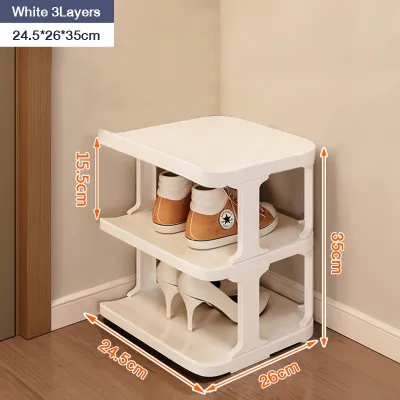
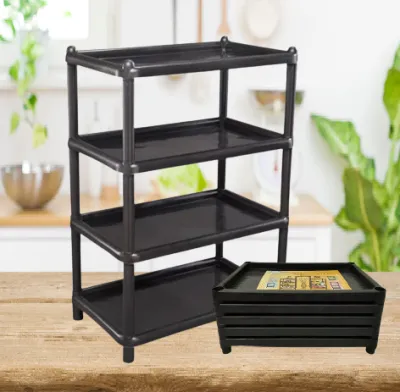
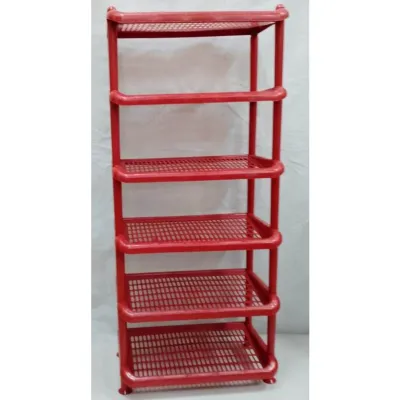
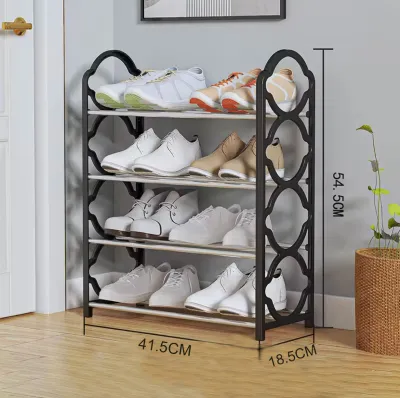
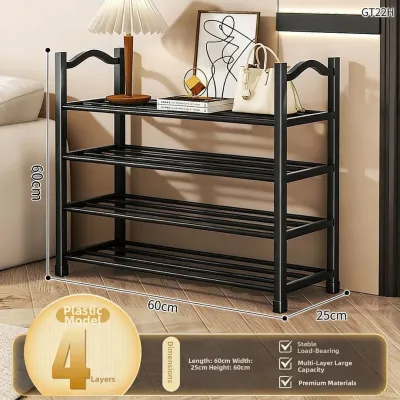
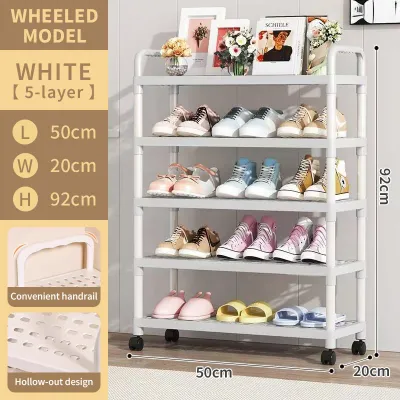
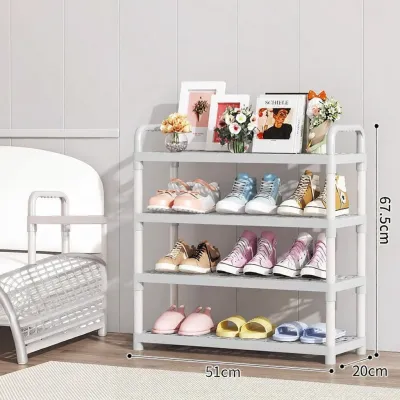
Prices are valid at publication and may change. Please refer to the product page for the latest price.
Do not rely solely on generic marketing terms like “heavy-duty” or “indestructible” to judge durability. Instead, examine the structural specifications of the plastic components, specifically looking for high-density polyethylene (HDPE) or polypropylene (PP). Check the manufacturer’s listed load capacity per tier, which should ideally support at least 3 to 5 kilograms per shelf for standard footwear. Pay close attention to the structural joints and connector clips, as sturdy, reinforced joints prevent the rack from swaying or sagging when fully loaded.
Closets are inherently confined spaces, making the assembly of complex, tool-heavy furniture highly frustrating. Opting for a modular plastic rack that utilizes snap-together joints or interlocking panels allows you to build and configure the unit directly inside the closet wardrobe. This modularity also means you can easily disassemble, wash, or reconfigure the shelves as your storage requirements change over time, all without needing specialized tools or assistance.
Types of Multi-Layer Plastic Shoe Racks for Closets
Choosing the right configuration of a shoe rack plastic multi layer unit depends heavily on your wardrobe layout and the composition of your shoe collection. Different designs offer distinct advantages in terms of flexibility, height utilization, and environmental protection. Understanding these variations allows you to select a system that integrates seamlessly with your existing closet organizers.

Stackable and Expandable Shoe Racks
Stackable plastic shoe racks feature interlocking top and bottom connectors that allow you to build upward as your footwear collection grows. This vertical scalability is perfect for narrow closets with high ceilings, enabling you to utilize otherwise wasted overhead space. Many of these systems also offer horizontal expansion, allowing you to bridge two units together to span the entire width of your closet floor.
While vertical expansion is highly efficient, stability becomes a critical concern as you add more tiers. A tall, narrow plastic rack can easily become top-heavy, increasing the risk of tipping over when you retrieve a pair of shoes. To mitigate this risk, always verify the footprint dimensions of the base tier and ensure the interlocking mechanisms click securely into place. For stacks exceeding five tiers, it is highly recommended to place the rack flush against a wall or secure it with simple adhesive wall anchors.
Adjustable Tier Shoe Racks
Footwear collections are rarely uniform; a single household may need to store flat sandals, bulky athletic sneakers, and tall high heels. Adjustable tier plastic racks address this diversity by incorporating removable shelves or multi-position support slots. This customization prevents the common issue of taller shoes being bent, creased, or crushed to fit into standard-sized compartments.
Before purchasing or adjusting your rack, take a moment to measure the height of your tallest footwear, such as high-top sneakers or boots. Ensure the plastic dividers can be positioned to accommodate these heights while still leaving adequate space for shorter items on the remaining shelves. Utilizing adjustable compartments maximizes the vertical density of your storage, ensuring no space is wasted on empty clearance.
Enclosed or Dust-Proof Plastic Shoe Cabinets
For those with open-concept closets, walk-in wardrobes, or homes prone to dust buildup, enclosed plastic shoe cabinets offer an excellent protective barrier. These units typically feature clear plastic front flaps, magnetic doors, or fabric covers that shield your footwear from light, dust, and pet hair. This keeps your shoes clean and ready to wear without the need for frequent dusting.
However, enclosed designs introduce a significant trade-off regarding air circulation. In the humid Philippine climate, sealing shoes inside a plastic enclosure can trap ambient moisture, leading to rapid mold growth. If you choose an enclosed cabinet, look for models with rear ventilation grilles and always place active moisture-absorbing sachets or bamboo charcoal bags inside the compartments to regulate the internal microclimate.
Key Dimensions and Space Planning for Closet Integration
Successful closet integration relies entirely on precise measurements. Before browsing online marketplaces, use a metal measuring tape to record the exact internal depth, width, and height of your closet floor. While standard wardrobes often feature a depth of 50 to 60 centimeters, the available width can vary wildly depending on built-in drawers or partitions. Knowing these exact boundaries prevents the disappointment of purchasing a rack that is even a few millimeters too wide to fit.
Do not forget to account for structural obstacles and moving parts. Take note of baseboards along the back wall, which can push the shoe rack forward by several centimeters. If your closet features sliding doors, measure the depth of the door tracks, as a rack that is too deep will prevent the doors from sliding past each other smoothly. For hinged doors, calculate the swing radius to ensure the rack does not block the door from opening fully or restrict your physical access to the corner shelves.
Another critical factor is the vertical clearance between the top of your shoe rack and the lower hem of your hanging clothes. Hanging shirts, trousers, and dresses require adequate space to drape naturally without touching the shoes below. If garments rest directly on top of the shoe rack, they can transfer oils, dust, or moisture to your footwear, while also making it difficult to retrieve shoes without disturbing the hanging clothes. Aim to leave at least 15 to 20 centimeters of clear space between the bottom of your hanging garments and the highest point of the rack.
Finally, plan for your own physical movement within the space. A closet should not feel cramped or difficult to navigate. Ensure there is at least 60 to 70 centimeters of open aisle space in front of the shoe rack. This clearance allows you to comfortably bend down, kneel, or squat to reach the lowest shelves without bumping your back against walls or adjacent furniture. Proper space planning ensures that your new storage solution enhances daily convenience rather than creating a physical bottleneck.
Maintenance and Care for Plastic Shoe Racks in Humid Climates
Plastic is an exceptionally durable and moisture-resistant material, making it ideal for the Philippine climate, but it still requires regular maintenance to look and perform its best. For routine cleaning, wipe down the plastic shelves and joints using a soft microfiber cloth dampened with warm water and a few drops of mild dish soap. Avoid using abrasive scrubbing pads, steel wool, or harsh chemical solvents like bleach and acetone, as these can scratch the surface, degrade the polymer structure, and cause the plastic to yellow or become brittle over time.
Managing humidity inside the closet is paramount to protecting both the plastic rack and your footwear collection. Even with a well-ventilated rack, the stagnant air inside a closed wardrobe can retain moisture. Place high-capacity silica gel packs, hanging dehumidifier bags, or reusable bamboo charcoal sachets on the shelves. These natural dehumidifiers absorb excess ambient moisture, significantly reducing the risk of mold spores developing on leather surfaces and fabric linings.
Periodically inspect your plastic shoe rack to ensure its structural integrity remains uncompromised. Over months of use, heavy footwear can cause plastic shelves to sag or joints to loosen. Look closely for signs of stress whitening, hairline cracks, or warping along the support beams. If you notice any sagging, redistribute the weight by placing lighter sandals on the upper shelves and moving heavier sneakers to the bottom tiers where the structural support is closest to the floor.
Quick Checklist Before You Buy
To ensure your new shoe rack plastic multi layer organizer fits perfectly and performs reliably inside your closet, verify the following details before completing your purchase:
- Internal Closet Dimensions: Verify that the rack's fully assembled width, depth, and height are at least 3 to 5 centimeters smaller than your closet's internal dimensions to allow for easy installation and door clearance.
- Weight Capacity per Tier: Check the manufacturer's technical specifications to confirm the weight limit per shelf matches your footwear collection, especially if you plan to store heavy leather shoes or platform heels.
- Assembly Requirements: Confirm if the unit features tool-free, snap-together assembly, which is highly recommended for tight closet spaces where maneuvering screwdrivers or hammers is difficult.
- Shipping and Package Dimensions: Ensure the flat-packed shipping box can easily pass through your home's entryways, hallways, and elevator doors before delivery.
- Return Policy and Replacement Parts: Review the seller's return policy on the e-commerce platform and check if individual plastic joints or shelves can be purchased separately in case of accidental damage during assembly.
Frequently Asked Questions (FAQ)
Can plastic shoe racks support heavy boots or winter shoes?
Standard multi-layer plastic shoe racks are primarily engineered to support lightweight everyday footwear, such as sneakers, flats, sandals, and slippers. While high-quality polypropylene or ABS plastic units can handle moderate weight, they are generally not designed for heavy, thick-soled boots or heavy winter footwear. If your collection consists mostly of heavy boots, always check the manufacturer’s specific load rating per tier before purchasing. If the weight of your shoes exceeds the recommended capacity of standard plastic, consider reinforcing the structure or opting for a hybrid rack that pairs a heavy-duty plastic frame with reinforced metal support rods.
How do I prevent shoes from smelling inside a closed closet?
Preventing odors starts with basic hygiene and moisture control. Never place damp or sweaty shoes directly onto your plastic rack; allow them to air dry completely in a well-ventilated room for at least 24 hours after wearing. Before storing, wipe away any visible mud or dirt from the soles. To neutralize lingering odors, place open boxes of baking soda, cedar wood blocks, or activated charcoal bags on the shoe rack shelves. Additionally, make it a habit to leave your closet doors open for an hour or two every week to encourage fresh air circulation and prevent stagnant, humid air from building up inside the wardrobe.
Community discussion
Share your experience or ask a question. Comments are reviewed before publication.