
Gardening in the Philippines offers a rewarding way to cultivate vibrant tropical blooms, fresh herbs, and backyard produce. However, the country’s distinct climate—marked by intense tropical heat, high relative humidity, and sudden torrential downpours—presents unique challenges for tool preservation and physical comfort. Leaving hand tools, gloves, and seed packets exposed to the elements quickly leads to rust, mold, and degradation.
To solve this, a multifunctional storage stool serves as an indispensable asset for any gardener. This specialized furniture piece combines a supportive seat or kneeling platform with integrated storage compartments, keeping your essential hand tools organized, dry, and easily accessible. By selecting a stool designed to withstand tropical conditions, you can protect your gardening investments while significantly reducing the physical strain on your back, knees, and joints during long planting sessions.
What to Look for in a Gardening Storage Stool
Selecting the right outdoor storage stool requires looking beyond basic aesthetics. Because the stool will be subjected to demanding outdoor environments, evaluating specific construction details ensures your purchase remains safe, durable, and functional over years of use.
Products mentioned in this guide
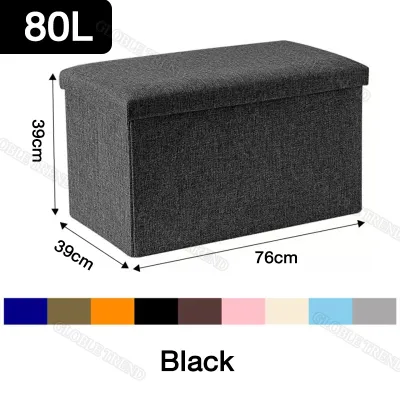
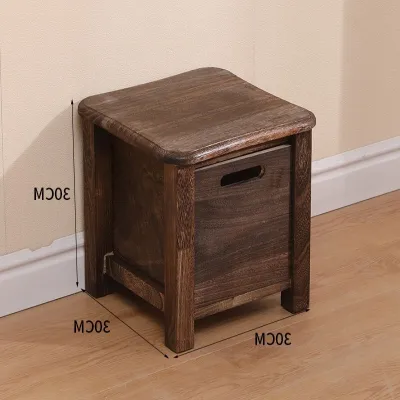
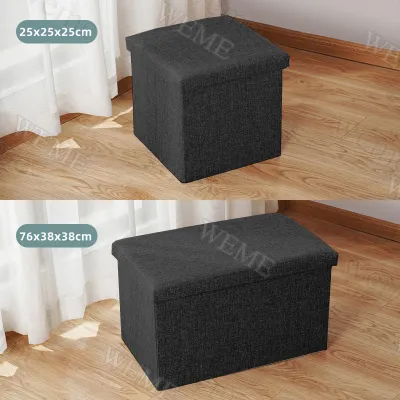
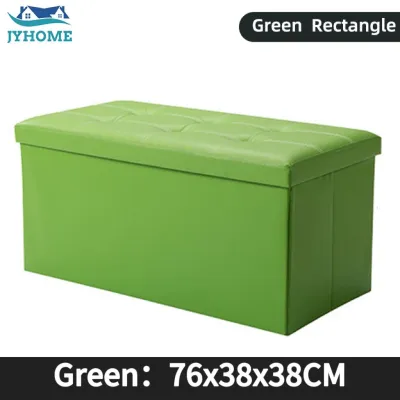
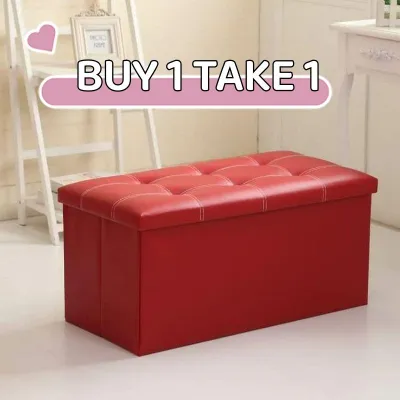
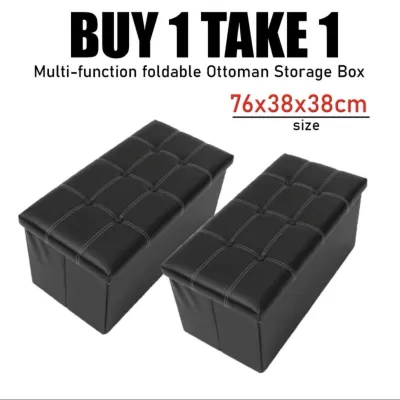
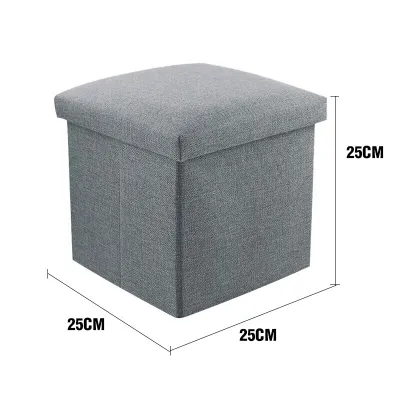
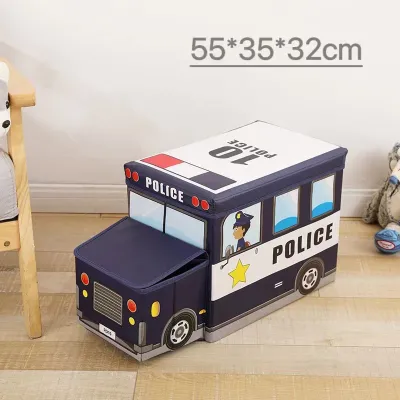
Prices are valid at publication and may change. Please refer to the product page for the latest price.
Material and Weather Resistance
The tropical climate of the Philippines demands careful attention to material composition. High relative humidity accelerates the oxidation of metals, while intense ultraviolet (UV) radiation breaks down standard plastics, making them brittle and prone to cracking. When evaluating a multifunctional storage stool, prioritize materials engineered to resist these specific forces.
Look for frames constructed from rust-proof aluminum or heavy-duty steel treated with a thick, weather-resistant powder coating. If the stool features plastic components, verify that the manufacturer specifies the use of UV-stabilized resins or high-density polyethylene (HDPE). For fabric elements, such as seat covers or storage pouches, look for high-denier synthetic fabrics like polyester or nylon that feature a water-repellent polyurethane (PU) backing. Keep in mind that generic “outdoor-use” labels do not guarantee complete waterproofing; always check the specifications for explicit water resistance and UV protection to prevent rapid degradation during the wet and dry seasons.
Weight Capacity and Stability
Safety is a paramount consideration when working on the uneven, soft surfaces typical of garden beds and backyard lawns. A high-quality storage stool must provide a stable foundation that resists tipping when you lean, reach, or stand up. Begin by checking the manufacturer’s certified weight capacity, ensuring it comfortably accommodates your body weight plus the weight of the tools you plan to store inside.
In addition to weight limits, examine the physical footprint of the stool. Models with a wide base, reinforced cross-bracing, and non-slip, oversized feet offer superior stability on damp soil, grass, or gravel. Avoid stools with narrow, pointed legs that can sink into soft earth, as this uneven sinking can cause the stool to tip unexpectedly, leading to potential injury.
Storage Configuration
Storage needs vary widely depending on the scale of your gardening projects. If your routine focuses on delicate container gardening, orchid propagation, or herb cultivation on a patio, you will primarily need organized compartments for small hand tools, pruning shears, plant labels, and garden twine. For these tasks, stools with multiple exterior pockets or shallow trays keep small items organized and prevent them from becoming lost in a deep compartment.
If you manage larger vegetable plots or extensive ornamental beds, you will likely require space for bulkier items such as hand cultivators, bags of fertilizer, potting soil, and heavy-duty weeding tools. In this scenario, look for a stool with a deep, enclosed central cavity. Ensure the storage compartments are positioned so you can access your tools easily without having to stand up or completely disassemble the stool every time you need a different implement.
Portability and Ergonomics
Gardening is a dynamic activity that requires constant movement around your yard or balcony. A heavy, awkward stool will quickly become a chore to move, defeating its purpose. Look for lightweight designs that feature integrated, ergonomic carry handles or a folding mechanism that allows you to transport the unit effortlessly with one hand.
Ergonomics also dictate how comfortable you will remain during extended gardening sessions. Pay close attention to the seat height; it should allow your knees to rest at a comfortable 90-degree angle when sitting, minimizing lower back compression. If you frequently work at ground level for weeding or planting, a stool that transitions into a low kneeling pad is highly beneficial. Finally, look for dense, closed-cell foam padding that provides cushioned support without absorbing moisture or flattening out over time.
Top Types of Multifunctional Storage Stools for Gardeners
Different gardening environments—from high-rise condominium balconies in Metro Manila to sprawling backyard gardens in provincial areas—demand tailored seating and storage configurations. Understanding the distinct design categories allows you to choose a stool that aligns perfectly with your physical needs and garden layout.

Foldable Storage Stools with Exterior Tool Pockets
Best For: Urban gardeners, balcony container growers, and individuals with limited storage space in small apartments or garden sheds.
These stools feature a lightweight, folding metal frame—typically high-grade steel or aluminum—paired with a durable, heavy-duty fabric seat. The defining feature of this design is the detachable storage bag that hangs directly beneath the seat, outfitted with numerous exterior mesh or canvas pockets. This layout allows you to slide individual hand tools, spray bottles, and gloves into dedicated slots, keeping them visible and immediately accessible while you work. When you are finished, the entire stool folds flat, allowing you to store it behind a door, on a shelf, or in a tight closet.
However, these folding models do have notable limitations. Because they rely on fabric components and folding joints, their maximum weight capacity is generally lower than that of rigid, solid-plastic or metal benches. Furthermore, the open-pocket design offers virtually no protection from sudden tropical downpours. If you are caught in an unexpected rain shower, any tools left in the exterior pockets will get wet, requiring you to dry them thoroughly to prevent rust and corrosion.
Kneeling Benches with Side Storage Pouches
Best For: Gardeners who engage in frequent ground-level planting, weeding, and edging, and those who require assistance standing up from a kneeling position.
This highly ergonomic design features a reversible, multi-functional frame. When positioned with the padded platform close to the ground, it serves as a comfortable kneeling pad that cushions your knees against hard dirt, gravel, or concrete. The elevated side rails act as sturdy handrails, allowing you to use your upper body strength to push yourself up safely. When flipped upside down, the kneeling pad elevates to become a sturdy bench seat, perfect for pruning taller shrubs or potting plants at a table. Removable fabric storage pouches hang from the side rails, keeping your essential tools off the damp ground and within easy reach in either configuration.
While exceptionally supportive, kneeling benches tend to have a bulkier profile when folded compared to simple pocket stools, making them slightly more awkward to transport over long distances. Additionally, they lack a deep, fully enclosed internal storage compartment. The side pouches are designed strictly for flat hand tools, meaning you cannot use this style of stool to store bulky items like soil bags, large watering cans, or harvesting baskets.
Rolling Garden Seats with Under-Seat Storage
Best For: Large backyard gardens, flat vegetable patches, orchard rows, and gardeners who prefer to remain seated while moving along planting lines.
Built on a rugged, heavy-duty molded plastic or steel chassis, rolling garden seats feature wide, plastic wheels designed to roll smoothly across flat ground. The top of the unit consists of a contoured, solid seat that lifts up on a heavy-duty hinge to reveal a spacious, fully enclosed storage bin. This deep internal compartment keeps your hand tools, seed packets, fertilizers, and harvested produce completely protected from ground moisture, dirt, and sudden rain. The low center of gravity provides exceptional stability, and some premium models even feature steerable front wheels and a pull handle for easy maneuvering.
Despite their high storage capacity and mobility, rolling seats are not suitable for all terrains. They can be highly difficult to steer or pull on uneven, heavily mulched, rocky, or terraced ground. In clay-heavy soils common in many parts of the Philippines, the wheels can easily sink and become stuck in wet mud after a heavy downpour. Additionally, these units are significantly heavier and bulkier than folding options, making them difficult to carry up stairs or store in compact spaces.
Comparing Garden Storage Stool Features
To help you determine which design best suits your specific gardening habits, physical comfort requirements, and storage space, review the comparison matrix below. This table highlights how each stool category performs across key operational dimensions.
| Stool Type | Best Use Case | Storage Capacity | Portability | Terrain Suitability |
|---|---|---|---|---|
| Foldable with Exterior Pockets | Small balconies, patios, and compact urban container gardens. | Moderate (Best for small hand tools and gloves). | High (Lightweight, folds completely flat). | Flat, stable surfaces like concrete, tile, or firm soil. |
| Kneeling Bench with Pouches | Low-level weeding, ground planting, and users needing joint support. | Light (Best for a few flat hand tools). | Moderate (Folds flat but retains a long frame profile). | Flat to slightly uneven ground, lawns, and garden beds. |
| Rolling Garden Seat | Large backyards, flat vegetable rows, and heavy tool transport. | High (Deep, fully enclosed under-seat compartment). | Low (Heavy, bulky, and does not fold). | Hard, flat paths, dry lawns, and flat dirt surfaces. |
When using this table to make your final decision, prioritize your primary physical pain points and your garden’s layout. If your knees and lower back suffer during ground-level weeding, the kneeling bench is the most supportive choice. If you manage a large suburban yard with multiple garden beds, the rolling seat offers the storage volume and mobility you need. For those tending to potted plants on a high-rise Manila balcony, the space-saving foldable pocket stool is the most practical option.
How to Maintain and Clean Your Outdoor Storage Stool
Proper maintenance is essential to protect your investment, prolong the lifespan of your storage stool, and ensure it continues to provide safe, stable support. Given the high humidity and heavy rainfall in the Philippines, establishing a consistent cleaning routine prevents premature structural failure and keeps your tools safe from damage.
- Perform Routine Cleaning: After every gardening session, take a few minutes to wipe down the stool's frame and seat with a damp microfiber cloth to remove soil, mud, and plant sap. Use a soft-bristled brush to sweep out dirt and debris from fabric pockets, folding hinges, and wheel axles. Allowing wet, clay-heavy soil to dry and accumulate in moving parts can lead to mechanical jamming, increased friction, and accelerated wear on folding joints.
- Care for Fabric and Padding: Before cleaning any fabric components or foam padding, always check the manufacturer's care label for specific washing instructions. For fabric seats and removable tool pouches, hand washing with mild soap and lukewarm water is generally the safest method. Because the humid tropical climate accelerates the growth of mold and mildew, you must allow all fabric parts and foam cushions to air-dry completely in a well-ventilated, shaded area before folding the stool or closing the storage compartment. Never store fabric components while they are damp.
- Inspect Hardware and Joints: Periodically inspect all structural hardware, including screws, rivets, folding hinges, and wheel axles. Tighten any loose fasteners immediately to maintain structural safety. Look closely for early signs of rust, particularly on metal joints. If recommended by the manufacturer's care manual, apply a light coat of a rust-inhibiting lubricant or silicone spray to moving metal parts, taking care to wipe away any excess oil to prevent it from staining fabric seats or pouches.
- Store the Stool Properly: To maximize the lifespan of your stool, store it in a shaded, covered, or indoor area—such as a garage, utility room, or covered patio—when it is not in active use. Relentless tropical sunlight can cause severe UV degradation, fading synthetic fabrics and making plastic seats brittle over time. If you must store the stool outdoors, shield it with a heavy-duty, waterproof furniture cover to protect it from both heavy rain and direct sunlight.
Frequently Asked Questions (FAQ)
Can I leave my storage stool outside in the rain?
While most high-quality garden storage stools are constructed from water-resistant materials like powder-coated steel, molded plastics, and synthetic fabrics, they are not designed for indefinite outdoor exposure. Prolonged contact with heavy rain and high humidity will eventually degrade the materials, leading to rusted joints, weakened fabric seams, and mold growth on the padding. Furthermore, rainwater can seep into storage compartments, damaging your valuable steel hand tools. To preserve your stool, always check the manufacturer’s weather rating and store the unit in a dry, sheltered location when not in use.
How much weight can a typical garden storage stool hold?
Weight capacities vary significantly based on the stool’s design, structural materials, and overall build quality. Lightweight folding stools typically support between 80 to 100 kilograms, while heavy-duty steel kneeling benches and rolling plastic carts can often support 110 to 150 kilograms or more. To prevent structural failure and potential injury, always verify the exact load limit on the product packaging, instruction manual, or the manufacturer’s official website before sitting on the stool. Remember to factor in the weight of any tools or soil bags stored inside the unit when calculating the total load.
Community discussion
Share your experience or ask a question. Comments are reviewed before publication.