
Condominium living in the Philippines offers unparalleled convenience, placing residents close to central business districts, transit hubs, and commercial centers. However, the compact layouts of typical studio and one-bedroom units—often ranging from 20 to 35 square meters—demand highly efficient space management. Utilizing a damage-free bed room organizer is the most effective way to maximize vertical storage without risking security deposits or violating strict structural rules.
Traditional storage solutions often rely on drilling holes to mount shelves and hooks. In a high-rise residential setting, this approach presents immediate practical and regulatory challenges. By choosing non-invasive, temporary storage systems, condo dwellers can customize their living spaces to be highly functional, organized, and fully compliant with building policies.
Why No-Drill Organizers Are Essential for Philippine Condos
Most condominium corporations and property management offices (PMOs) across the Philippines enforce strict regulations regarding unit alterations. Lease agreements for renters almost universally prohibit drilling into walls to preserve the structural integrity of the building and maintain aesthetic uniformity. Violating these terms can lead to hefty fines or the forfeiture of security deposits when it is time to move out.
Products mentioned in this guide
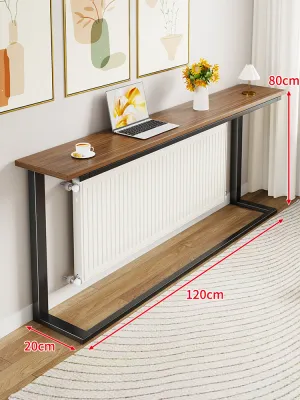
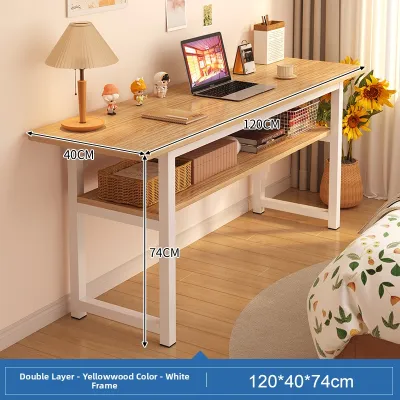
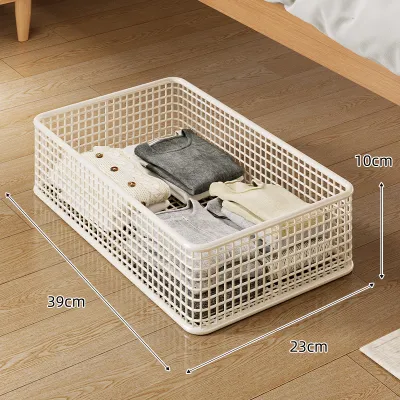
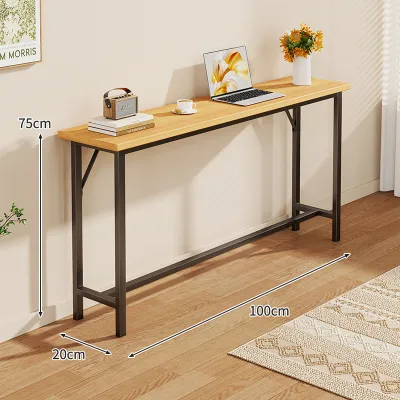
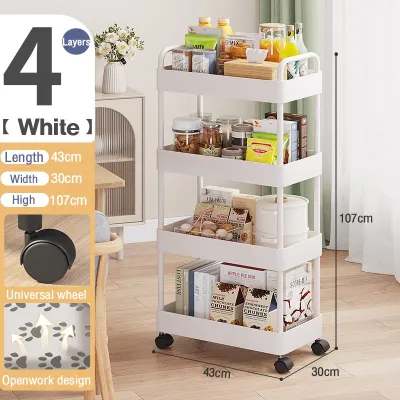
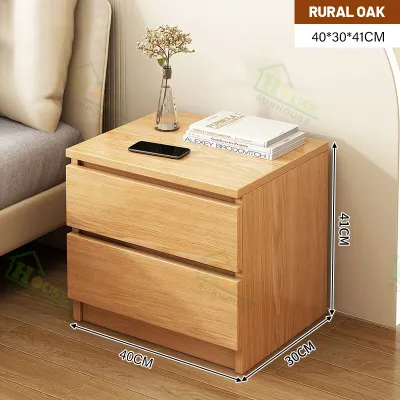
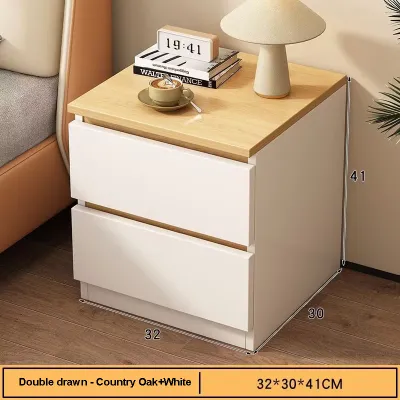
Prices are valid at publication and may change. Please refer to the product page for the latest price.
Beyond administrative rules, the physical construction of local condo units makes drilling a difficult task. External and partition walls are typically constructed from solid poured concrete or concrete hollow blocks (CHB) finished with thick plaster. Penetrating these surfaces requires a heavy-duty rotary hammer drill and specialized masonry bits. This process generates substantial noise, structural vibration, and fine concrete dust that can easily settle into bedding and upholstery within a confined bedroom.
Furthermore, the tropical Philippine climate presents unique environmental challenges for home storage. High relative humidity throughout the year, especially during the rainy season, can compromise the adhesive backing of cheap mounting tapes. Condensation from air conditioning units running overnight can also accumulate on walls, leading to moisture buildup that weakens standard glues. Selecting robust, moisture-resistant, non-drill mounting systems ensures your storage setup remains stable and secure regardless of seasonal weather changes.
What to Look for When Buying a No-Drill Bed Room Organizer
Weight Capacity and Structural Limits
Before purchasing any storage system, you must match the organizer’s load limit to the specific items you plan to store. A lightweight plastic adhesive rack is ideal for holding eyeglasses, charging cables, or a smartphone, but it will quickly fail under the weight of books or heavy cosmetics. Always verify the manufacturer’s rated weight capacity, which is typically specified in kilograms, rather than relying on generic marketing descriptions.

Wall Surface Compatibility
No-drill mechanisms perform differently depending on the texture and material of your bedroom walls. Adhesive-based organizers require a smooth, non-porous surface such as glass, glazed tile, varnished wood, or smooth metal to form a secure bond. If your condo bedroom has textured plaster, matte paint, or wallpaper, adhesives may fail to adhere properly or, conversely, may bond so aggressively that they peel away the paint layer during removal.
Humidity and Temperature Resistance
Because bedrooms in the Philippines experience significant temperature fluctuations between daytime heat and nighttime air conditioning, materials must be highly stable. Look for organizers made from powder-coated steel, rust-treated metals, or high-grade ABS plastics that will not warp, degrade, or rust when exposed to humid air. Adhesives should be rated for high-temperature and high-humidity environments to prevent sliding over time.
Reversibility and Damage Risk
A truly rental-friendly organizer must be as easy to remove as it is to install. Evaluate the removal process before making a purchase. High-quality systems use clean-stretch adhesive strips or mechanical tension systems that leave zero permanent marks. Avoid products that utilize permanent epoxy glues or highly acidic adhesive compounds that chemically bond with wall paint and cause deep surface damage.
Top No-Drill Bedroom Organizer Solutions for Condo Spaces
Adhesive Shelves and Heavy-Duty Hooks
Adhesive-mounted shelves and hooks are excellent for utilizing small, flat vertical surfaces that would otherwise go to waste. These systems are particularly useful on the sides of wooden wardrobes, the backs of bedroom doors, or smooth glass window panes.
- Best For: Organizing lightweight daily essentials such as jewelry, keys, sunglasses, small skincare bottles, and charging cables.
- What to Look For: Prioritize products that utilize high-performance acrylic foam tape or thick nano-tape backing. Look for shelf designs that feature removable adhesive brackets, allowing you to slide the main shelf off for easy cleaning without disturbing the wall mount. It is also wise to choose packages that include spare adhesive pads for future relocation.
- Limitations: These organizers are not suitable for heavy items like hardcover books or bulk storage containers. They should never be applied to freshly painted walls, delicate wallpaper, or highly textured concrete surfaces, as the adhesive bond will either fail or tear the surface material upon removal.
Over-the-Door and Tension Rod Systems
Over-the-door racks and tension rods utilize mechanical pressure and existing architectural features, bypassing the need for adhesives entirely. This makes them exceptionally reliable options for renters who want to avoid any contact with painted drywall.
- Best For: Storing shoes, hanging bags, organizing belts, and hanging daily-wear jackets on the back of bedroom or closet doors. Tension rods are highly effective for creating temporary wardrobe dividers or hanging lightweight privacy curtains in shared spaces.
- What to Look For: Measure your door's thickness and the clearance gap between the top of the door and the frame before purchasing an over-the-door rack; most standard doors require a hook clearance of at least 1.5 to 2 millimeters to close smoothly. For tension rods, look for models featuring heavy-duty internal steel springs and thick, non-slip rubber end caps that grip surfaces without leaving scuffs.
- Limitations: Over-the-door organizers can prevent doors from closing or latching properly if the hanging brackets are too thick or if the door frame is tightly fitted. Tension rods rely entirely on lateral pressure, meaning they can slip or collapse if installed against flexible drywall partitions that bow outward under tension.
Magnetic Racks and Modular Pegboards
Magnetic and freestanding modular systems offer incredible flexibility, allowing you to rearrange your storage layout as your organizational needs change over time.
- Best For: Keeping grooming tools, stationery, or small electronics organized on metal wardrobe doors, metal filing cabinets, or freestanding desk organizers.
- What to Look For: When selecting magnetic organizers, look for units equipped with strong neodymium magnets covered in a soft silicone or rubber coating. This protective layer prevents the metal magnet from scratching the finish of your furniture. For pegboards, opt for freestanding, desk-mounted, or leaning models that rest securely on a table or floor rather than mounting directly to the wall.
- Limitations: Magnetic organizers are completely dependent on the presence of ferromagnetic surfaces. Because standard condo walls are concrete or drywall, these organizers are limited to specific metal furniture pieces or appliances.
Floor-to-Ceiling Tension Shelving Units
For high-capacity storage that rivals built-in cabinetry, floor-to-ceiling tension shelving units offer an exceptional vertical solution. These systems use a vertical pole that wedges securely between the floor and the ceiling, supporting multiple adjustable shelves or hanging rods.
- Best For: Creating a temporary open wardrobe, storing folded clothes, organizing shoe collections, and stacking storage boxes in unused corners or alcoves.
- What to Look For: Choose units with wide, articulating base and top plates that distribute weight evenly. The vertical pole should feature a robust safety locking mechanism to prevent accidental collapse. Always verify that your ceiling is solid concrete; standard gypsum board or acoustic tile drop ceilings can crack, sag, or puncture under the upward pressure of a tension pole.
- Limitations: These units require a flat, level floor and a solid, unyielding ceiling to remain stable. They also occupy a small amount of floor space and must be assembled carefully to ensure the vertical pole is perfectly plumb, as any tilt can compromise the structural stability of the entire shelving system.
Installation and Removal Tips for Humid Climates
To ensure your no-drill organizers perform reliably in the humid Philippine climate, proper installation and removal techniques are essential. Following these steps will prevent premature adhesive failure and protect your condo’s paint finish.
Surface Preparation
Moisture, dust, and body oils on walls are the primary causes of adhesive failure. Before applying any adhesive organizer, clean the target area thoroughly using a clean microfiber cloth dampened with 70% isopropyl rubbing alcohol. Do not use multi-purpose household sprays, as they often leave behind a thin, slick residue that prevents proper bonding. Allow the surface to air-dry completely for at least 10 minutes to ensure no moisture remains trapped behind the adhesive tape.
Curing Time
One of the most common installation mistakes is loading an adhesive organizer immediately after mounting it. Adhesives require time to flow into the microscopic pores of the wall surface to establish a strong bond. After pressing the adhesive bracket firmly against the wall for 30 seconds, leave it completely empty. Allow the adhesive to cure for 24 to 72 hours before placing any items on the shelf. This waiting period is especially critical during the humid monsoon season when curing times are naturally longer.
Safe Removal Process
When it is time to move out or rearrange your bedroom, never pull or pry an adhesive organizer straight off the wall, as this will tear away the paint and plaster layers. Instead, follow this safe removal method:
- Apply Heat: Use a handheld hairdryer on a medium heat setting to warm the adhesive bracket for two to three minutes. The heat will soften the acrylic glue, making it pliable.
- Slice the Bond: Take a length of dental floss or thin fishing line and slip it behind the top of the adhesive pad. Using a gentle sawing motion, work the floss downward through the softened adhesive layer to separate the bracket from the wall.
- Clean the Residue: Roll away any remaining foam residue with your thumb. For stubborn sticky spots, apply a small amount of an oil-based or citrus-based residue remover to a cloth, rub gently, and then wipe the area clean with isopropyl alcohol.
Frequently Asked Questions (FAQ)
Can I use adhesive organizers on freshly painted condo walls?
No, you should avoid using adhesive organizers on freshly painted walls. Even if the paint feels dry to the touch, it can take up to 30 days to fully cure and harden. Applying an adhesive too early will trap solvents, prevent the paint from curing properly, and almost certainly result in the paint peeling off when you remove the organizer. Use freestanding shelves or over-the-door racks during the first month after a paint job.
How do I remove strong adhesive hooks without damaging the paint?
To remove strong adhesive hooks safely, warm the adhesive backing with a hairdryer on medium heat for a few minutes to soften the bond. Once warmed, slide a piece of dental floss or fishing line behind the hook and gently saw downward to slice through the adhesive foam. Finally, rub away any remaining sticky residue using your fingers or a mild, citrus-based adhesive remover, avoiding harsh scrapers that can gouge the wall surface.
Community discussion
Share your experience or ask a question. Comments are reviewed before publication.