
Renting a condo or apartment in the Philippines often comes with strict “no-drilling” rules, leaving you without a convenient spot next to your bed for your phone, glasses, or water bottle. If your landlord forbids hammering nails or drilling anchors into the concrete walls, you do not have to settle for placing your essentials on the floor. The best no-drill bedside shelf options—including adhesive floating shelves, clamp-on bedside trays, and floor-to-ceiling tension organizers—provide excellent utility without risking your security deposit. Choosing the right bed side shelf rack depends on your bed frame design, wall texture, and how you manage the local tropical humidity.
Quick Guide: Matching No-Drill Bedside Shelves to Your Bed Type
To find the perfect setup, you must first evaluate the physical structure of your sleeping area. Not all no-drill mechanisms work with every bed configuration, and choosing the wrong type can lead to unstable shelving or damaged surfaces.
Here is a quick matching guide based on typical rental layouts and bed frame styles:
Products mentioned in this guide
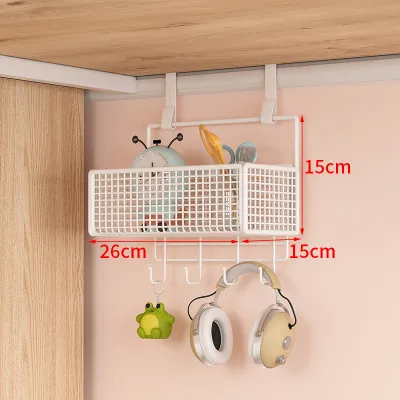
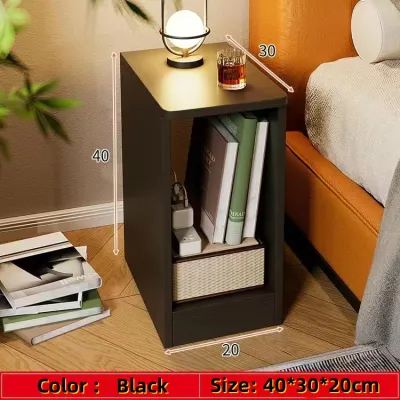
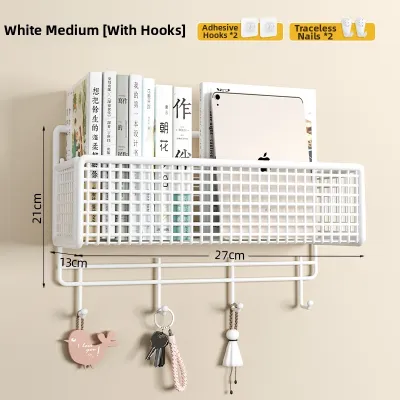
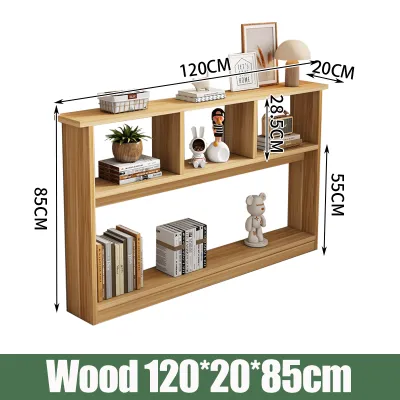
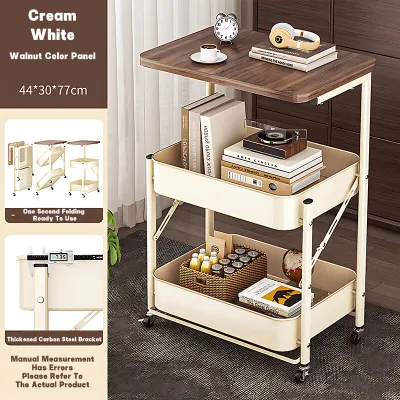
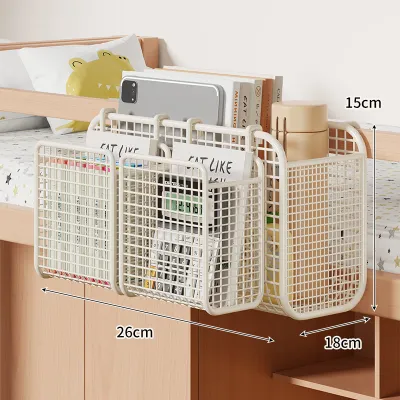
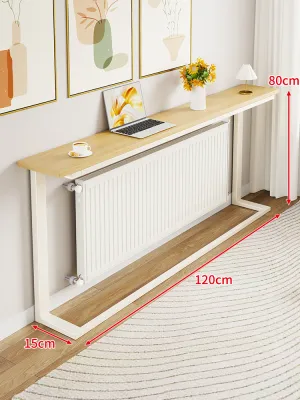
Prices are valid at publication and may change. Please refer to the product page for the latest price.
- Beds with Exposed Wood or Metal Frames: If your bed has an accessible headboard, footboard, or side rail with a flat lip, a clamp-on bedside tray is the most secure option. It bypasses the walls entirely, providing a sturdy, mechanical grip.
- Beds Flushed Against Smooth Walls: If you have no exposed frame but your bed is positioned against a smooth, non-porous wall (such as painted drywall, glass, or polished tile), an adhesive floating shelf offers a clean, minimalist look.
- Beds Against Textured Concrete or Wallpaper: If your rental features rough plaster, textured concrete, or delicate wallpaper, adhesives will fail or ruin the surface. In these scenarios, a vertical tension pole corner shelf or a slim freestanding bedside cart is the safest and most reliable choice.
By matching the mounting mechanism to your specific environment, you ensure that your bedside storage remains stable while keeping your walls pristine for the eventual move-out inspection.
How to Choose a Rental-Friendly Bed Side Shelf Rack
Selecting a bedside storage solution requires looking beyond aesthetics. In a rental property, you must balance convenience with structural safety, space constraints, and environmental factors.

Weight Capacity and Load Limits Before purchasing any shelf, check the manufacturer’s maximum load specifications. A standard smartphone weighs approximately 150 to 250 grams, a glass of water adds 500 grams, and a hardcover book can easily exceed 600 grams. If you plan to place a small table lamp or a heavy ceramic mug on the shelf, the total weight can quickly surpass 1.5 kilograms. Exceeding the rated capacity of an adhesive or clamp-on shelf can result in a sudden, noisy midnight collapse, potentially damaging your electronics and the floor.
Bed Frame and Wall Compatibility For clamp-on units, measure the exact thickness of your headboard or bed rail. Most clamp-on shelves are designed for frames between 1.5 centimeters and 5 centimeters thick. If your headboard is padded, upholstered, or has a curved top, a standard clamp may not sit level or grip securely. For adhesive options, inspect the wall surface. Philippine rental units frequently feature solid painted concrete walls rather than hollow drywall. While concrete is structurally strong, the paint applied to it can peel off under tension if the adhesive bond is stronger than the paint’s adhesion to the concrete.
Climate and Humidity Considerations The tropical climate of the Philippines presents a unique challenge for adhesive-based furniture. High relative humidity—which frequently exceeds 80% during the rainy season—can rapidly degrade the chemical bonds of standard double-sided foam tapes. Moisture in the air seeps behind the adhesive pad, causing it to lose its grip and slip down the wall. When choosing an adhesive shelf, verify if the product description specifies moisture-resistant mounting strips, or plan to upgrade the included tape to a high-quality, tropical-rated alternative.
Space and Clearance Studio apartments and micro-condos in urban hubs like Makati, BGC, or Quezon City require highly efficient space planning. Measure the clearance around your bed to ensure the shelf does not block sliding closet doors, under-bed storage drawers, or the path to your bathroom or balcony. A shelf that protrudes too far into a narrow walkway will inevitably be bumped into, which can loosen its mounting over time or cause painful bruises.
Best Adhesive Bedside Shelves for Light Essentials
Adhesive shelves are popular among renters who appreciate a modern, floating aesthetic. They require no floor space and can be positioned at the exact height you prefer, making them highly customizable.
However, because they rely entirely on chemical adhesion, they are strictly intended for lightweight essentials. Placing heavy items on an adhesive shelf is a recipe for paint damage and broken belongings.
To ensure a renter-safe installation, avoid using the cheap, permanent foam tape that often comes bundled with budget shelves. Instead, invest in reputable, damage-free removable mounting strips. These strips are engineered to stretch and release without tearing the paint or leaving sticky residue behind. When installing, always distribute the weight of your items evenly across the shelf surface. Placing heavy objects on the outer edge creates a lever effect, multiplying the pulling force on the top of the adhesive strip and accelerating failure.
Clear Acrylic Adhesive Shelves
Transparent acrylic shelves are an excellent choice for modern, minimalist bedrooms. Because they are completely clear, they allow light to pass through, creating a sense of visual lightness that makes small rental rooms feel less cluttered.
Key Considerations for Acrylic Shelves:
- Surface Requirements: They must be mounted on perfectly flat, non-porous surfaces. Polished tiles, glass partitions, or smooth varnished wood are ideal.
- Material Thickness: Look for shelves made from acrylic that is at least 3 millimeters thick. Thinner plastic can flex under the weight of a phone, causing the adhesive backing to peel away at the top corners.
- Edge Finish: Ensure the product description notes rounded or polished edges. Sharp, unpolished acrylic corners can easily scratch your arms when you reach for your phone in the dark.
Wood-Effect Stick-On Ledges
If your bedroom features a warmer color palette with wooden furniture, lightweight wood-effect stick-on ledges made of MDF (medium-density fiberboard) or hollow PVC are a great alternative. They mimic the look of solid timber without the heavy weight that would compromise adhesive mounting.
Key Considerations for Wood-Effect Ledges:
- Weight Factor: Because MDF and PVC are naturally heavier than thin acrylic, the shelf itself consumes a portion of the adhesive's weight capacity. Keep your stored items exceptionally light.
- Moisture Sensitivity: Standard MDF can swell and warp if exposed to high humidity or condensation from a cold water bottle. Check the product's care instructions to ensure it has a water-resistant laminate or PVC coating.
- Backplate Area: Choose models with a wide, flat rear mounting plate. A larger surface area allows you to apply more adhesive tape, distributing the load more effectively across the wall.
Best Clamp-On Bedside Caddies for Secure Storage
If your bed frame has an accessible wooden or metal edge, clamp-on bedside caddies are highly superior to adhesive options. They rely on mechanical friction, meaning they can support significantly more weight without touching your walls.
These caddies are perfect for renters who move frequently. You can attach, adjust, and remove them in under a minute without leaving any trace on the property.
Before purchasing, you must check the clearance behind and beside your bed frame. If your mattress fits tightly within a recessed wooden frame, or if your bed frame is pushed completely flush against a concrete wall, you will need to pull the bed out by at least 3 to 5 centimeters to make room for the clamp brackets.
Metal Clamp-On Tray Attachments
For those who need a heavy-duty surface capable of holding a laptop, a tablet, or a heavy ceramic mug of coffee, metal clamp-on trays are the gold standard. Typically constructed from powder-coated steel or aluminum, these trays offer exceptional structural rigidity.
Key Considerations for Metal Trays:
- Clamp Adjustability: Verify that the clamp opening range matches your bed rail thickness. Some heavy-duty models feature adjustable thumb screws that can accommodate frames up to 8 centimeters thick.
- Surface Protection: Bare metal clamps can easily dent, scratch, or strip the varnish off a wooden headboard. Check if the package includes rubber liners or felt pads. If it does not, apply your own protective padding to the clamp jaws before tightening.
- Cable Management: Look for trays that feature built-in cable slots or notches. This allows you to run charging cables neatly to your phone or laptop without them slipping off the edge.
Fabric or Felt Clamp-On Organizers
If you prefer a softer look and only need to store flat items like tablets, e-readers, remote controls, and charging cables, a fabric or felt organizer is an elegant, low-profile solution. These organizers typically drape over the bed rail or tuck directly under the mattress.
Key Considerations for Fabric Organizers:
- Silent Operation: Unlike metal trays, felt pocket organizers are completely silent. You won't hear any annoying clatter when placing your phone or glasses inside them in the middle of the night.
- Weight Restrictions: While they cannot hold a standing lamp or a cup of water, they are incredibly safe because they present zero risk of falling off and breaking.
- Securing Mechanisms: If your bed frame lacks a solid lip, choose a model with a long, weighted tuck-in flap. Placing this flap deep under a heavy mattress uses gravity to keep the organizer firmly in place, even when loaded with multiple devices.
Best Tension and Freestanding Alternatives for Heavy Loads
When your bedside storage needs exceed a few lightweight items, adhesive and clamp-on options are no longer practical. If you want to keep a large humidifying unit, a stack of heavy textbooks, or a full-sized table lamp next to your bed, you must look to floor-based solutions.
These alternatives do not attach to your walls or your bed frame, making them completely risk-free for renters.
Because they rest on the floor, they can support substantial weight. However, they do require dedicated floor space. Before choosing a floor-based option, carefully measure the width of the gap between your bed and the adjacent wall or wardrobe to ensure a comfortable fit.
Tension Pole Corner Shelves
Tension pole shelves utilize a spring-loaded vertical metal rod that extends from your floor to your ceiling. By using vertical compression, they provide multiple tiers of adjustable shelving while occupying a tiny footprint in the corner of your bedroom.
Key Considerations for Tension Poles:
- Ceiling Compatibility: Ensure your ceiling is solid. Tension poles require a rigid surface to push against. Do not install them directly against thin plastic drop-ceilings or unreinforced drywall panels, as the compression force can crack or warp the ceiling material.
- Height Adjustability: Measure your floor-to-ceiling height before buying. Most tension poles are adjustable between 2.0 and 3.0 meters, which fits standard Philippine condo heights, but it is always best to verify the exact specifications.
- Tension Maintenance: Over time, changes in room temperature and humidity can cause the metal pole to expand or contract slightly. Make it a habit to check the stability of the pole every few months, tightening the compression mechanism if you notice any slight wobble.
Slim Freestanding Bedside Carts
A slim, multi-tiered utility cart on wheels is one of the most versatile furniture pieces a renter can own. Usually measuring between 15 and 22 centimeters in width, these carts can slide easily into the narrowest gaps beside your bed.
Key Considerations for Bedside Carts:
- Mobility and Cleaning: The ability to roll the cart away makes cleaning incredibly easy. In humid tropical environments, dust bunnies and mold can quickly accumulate in dark corners behind the bed. Rolling the cart out allows you to sweep and mop the floor thoroughly.
- Height Alignment: Choose a cart where the top shelf aligns closely with the top of your mattress. If the shelf is significantly lower or higher than your sleeping surface, reaching for items in the dark becomes awkward and increases the risk of knocking things over.
- Caster Locks: Ensure the cart features lockable wheels. Locking at least two of the wheels prevents the cart from rolling away when you reach out to turn off your morning alarm.
Installation and Wall-Safety Tips for Renters
To ensure your no-drill bedside storage remains secure without causing damage that could jeopardize your security deposit, follow these essential installation and maintenance guidelines.
Surface Preparation Never apply adhesive strips directly to a dusty or oily wall. Even if the wall looks clean, a thin layer of dust or skin oils will prevent the adhesive from bonding fully with the paint. Wipe the target area thoroughly using a clean microfiber cloth dampened with isopropyl alcohol. Avoid using standard household glass cleaners or multi-surface sprays, as they often leave behind a thin, slick silicone residue that compromises the adhesive bond. Allow the wall to air-dry completely before applying the tape.
Curing Time The most common cause of adhesive shelf failure is impatience. After firmly pressing the adhesive bracket or strip onto the wall, do not immediately place your items on the shelf. The chemical polymers in the adhesive require time to flow into the microscopic pores of the wall surface and cure completely. Leave the shelf entirely empty for 24 to 48 hours. Skipping this step reduces the ultimate load capacity of the shelf by more than half, leading to premature failure.
Safe Removal Techniques When it is time to move out of your rental, never pull or yank an adhesive shelf directly off the wall. Doing so will almost certainly rip off the top layer of paint and plaster. Instead, use a handheld hairdryer on a medium-heat setting to warm the adhesive backing for two to three minutes. This softens the grip of the glue. Once the adhesive is warm, gently slide a piece of dental floss, high-strength sewing thread, or a thin plastic scraper behind the shelf, sawing downward to slice through the softened tape. Any remaining sticky residue can be easily rubbed away with a small amount of eucalyptus oil or a specialized adhesive remover.
When to Stop and Re-evaluate Inspect your walls before you begin. If the paint in your bedroom is already peeling, bubbling, or showing signs of moisture damage from a nearby window or bathroom wall, do not use adhesive shelves. The weight of the shelf will pull the weak paint layer right off the concrete block. If your walls are covered in delicate wallpaper or have a highly textured, rough plaster finish, adhesives will not make sufficient contact to hold securely. In these cases, stop immediately and switch to a clamp-on or freestanding alternative to protect the property and your belongings.
Frequently Asked Questions (FAQ)
Can I use removable mounting strips for a bedside shelf?
Yes, you can use high-quality, damage-free removable mounting strips, but you must check the weight ratings carefully. Many budget adhesive shelves come with cheap, permanent double-sided foam tape that is highly likely to damage paint during removal. It is always safer to discard the generic tape and replace it with reputable, branded removable strips. Ensure the backplate of your shelf is completely flat and wide enough to accommodate the strips, and never exceed the combined weight limit specified on the adhesive packaging.
How do I keep a clamp-on shelf from scratching my headboard?
To prevent a clamp-on shelf from leaving unsightly dents or scratches on your headboard, you should avoid tightening the bare metal or plastic clamps directly onto the wood or laminate. Apply self-adhesive felt pads (the kind commonly used under chair legs) to the inside surfaces of the clamp jaws. Alternatively, you can wrap a small strip of rubber drawer liner or a soft microfiber cloth around the bed rail before tightening the thumb screws. This not only protects the finish of the furniture but also increases friction, preventing the shelf from slipping or tilting.
Are adhesive shelves safe for humid bedrooms?
High humidity, which is common in many parts of the Philippines, can significantly weaken standard adhesives over time. If your bedroom lacks air conditioning or proper ventilation, the moisture in the air can cause standard foam tapes to peel and fail. For humid rooms, it is best to look for water-resistant or outdoor-rated adhesive strips. If you want absolute peace of mind, bypass adhesive-based options entirely and opt for clamp-on trays or freestanding bedside carts, which are completely unaffected by tropical humidity.
Community discussion
Share your experience or ask a question. Comments are reviewed before publication.