
Finding the perfect bedside table for a condominium in the Philippines often comes down to balancing strict lease agreements with highly limited bedroom floor space. Traditional, bulky wooden nightstands frequently block built-in wardrobe doors, obstruct narrow walkways, or simply do not fit beside a queen-sized bed in a compact studio or one-bedroom unit. Fortunately, modern no-drill bedside table alternatives—ranging from adhesive-mounted floating shelves and clip-on bed frame trays to floor-to-ceiling tension systems and slim freestanding C-tables—provide excellent storage for nighttime essentials without requiring a single screw. These innovative solutions keep your smartphone, reading glasses, and water cup within arm’s reach while preserving your security deposit and wall finishes intact.
Why Choose a No-Drill Bedside Table for Condo Living?
Condominium living in major Philippine metropolitan areas like Metro Manila, Cebu, and Davao comes with unique structural and administrative rules. Most property management offices enforce strict guidelines against drilling into walls, particularly because many units utilize solid concrete shear walls or precast panels for structural integrity. Drilling into these walls requires heavy-duty rotary hammer drills, creates disruptive noise that requires administrative permits, and risks hitting embedded electrical conduits or plumbing lines. Even on lightweight gypsum board partitions, making permanent holes can lead to costly repairs during your move-out inspection.
Beyond administrative restrictions, spatial limitations are a defining characteristic of modern condo layouts. Bedrooms in typical 20-to-30-square-meter units must be carefully configured to maintain comfortable traffic flow. A traditional bedside table with a wide footprint can easily prevent you from fully opening your closet doors or accessing your balcony sliding door. By opting for a no-drill, wall-mounted, or frame-attached alternative, you can reclaim valuable floor space and create a more open, breathable bedroom environment.
Products mentioned in this guide
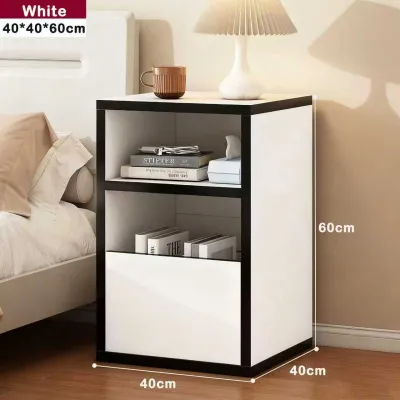
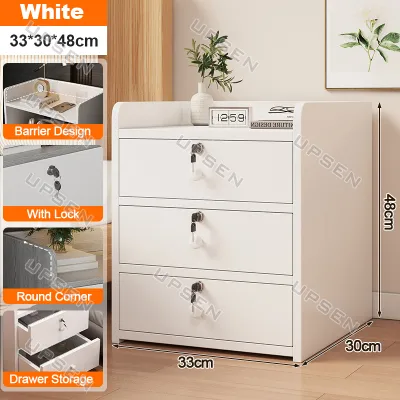
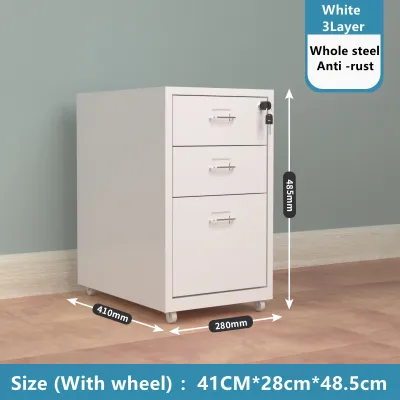
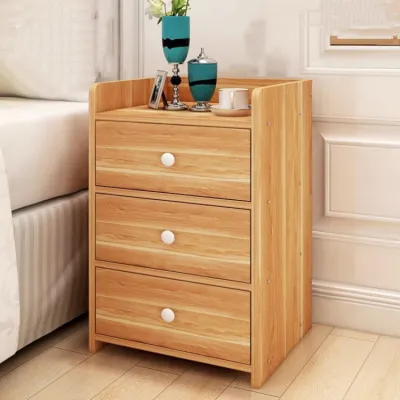
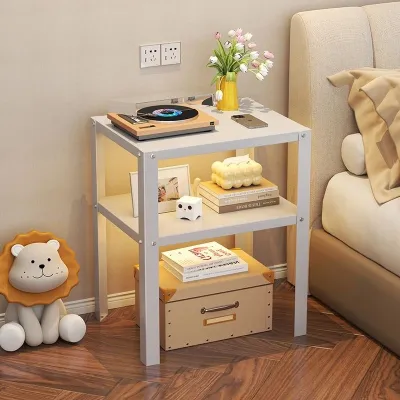
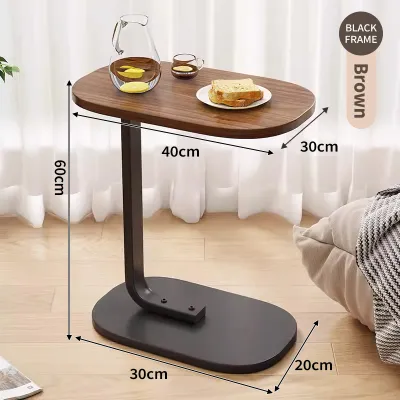
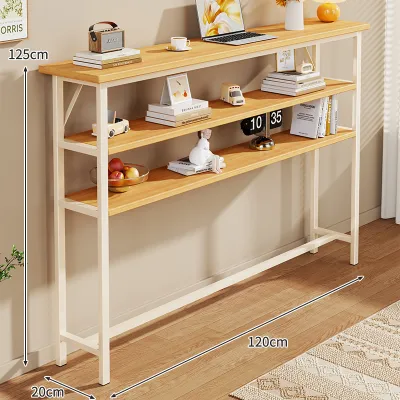
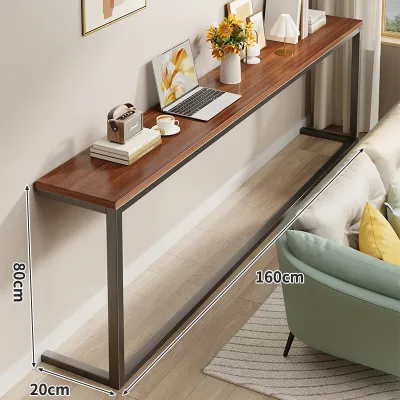
Prices are valid at publication and may change. Please refer to the product page for the latest price.
The shift toward modular, renter-friendly furniture reflects a broader trend among urban dwellers who prioritize flexibility. Temporary bedside solutions allow you to easily reconfigure your bedroom layout whenever you want to refresh your space or move to a new unit. These lightweight, adaptable pieces can be uninstalled in minutes, packed into a single box, and reassembled in a new home without leaving any trace of damage behind.
Key Factors to Consider Before Choosing a No-Drill Nightstand
Before purchasing any no-drill bedside alternative, it is crucial to evaluate your specific bedroom setup to ensure a secure and stable installation.

Wall Surface Compatibility Adhesive-mounted options rely entirely on the quality and texture of your wall surface to maintain their grip. Smooth, non-porous surfaces like polished tiles, glass, or sealed wood veneer offer the strongest bond for double-sided acrylic tapes and nail-free glues. In contrast, typical condo walls finished with flat latex paint over concrete or textured plaster are more challenging; high relative humidity in the Philippines can cause moisture to accumulate behind the adhesive, potentially leading to peeling paint or sudden shelf failure. If your walls have textured wallpaper, flaking paint, or a highly textured finish, adhesive shelves should be avoided in favor of frame-mounted or freestanding alternatives.
Bed Frame Material and Design The physical design of your bed frame determines whether clip-on trays or magnetic options are viable. Clip-on tables require a sturdy, exposed horizontal rail or a flat, rigid headboard with a thickness that matches the clamp’s adjustment range. If your bed frame is upholstered in thick fabric or faux leather, standard clamps will struggle to find a stable grip and may compress the padding permanently. For magnetic caddies, your bed frame must be constructed from a ferromagnetic metal like steel or iron; they will not adhere to aluminum, solid wood, or engineered wood frames.
Weight Capacity and Intended Load You must realistically assess what items you plan to store on your bedside table before deciding on a mounting method. If you only need a spot to rest your smartphone, a pair of reading glasses, and an air conditioner remote, a lightweight adhesive shelf or fabric mattress pocket is perfectly adequate. However, if you intend to place a heavy ceramic mug, a stack of hardcover books, or a traditional table lamp, you will require the structural stability of a tension pole system or a slim freestanding C-table. Overloading a low-capacity adhesive shelf will eventually cause it to detach, potentially damaging your electronics and your wall.
Clearance and Dimensions Precise measurements are essential when working with restricted condo layouts. Measure the exact clearance between the edge of your mattress and the adjacent wall to ensure your chosen alternative does not block your movement. Additionally, consider the height of your mattress relative to the table surface; ideally, your bedside storage should sit level with or slightly above the top of your mattress to allow for comfortable, ergonomic reach during the night without requiring you to stretch or bend awkwardly.
Top No-Drill Bedside Table Alternatives for Small Spaces
To help you select the most practical solution for your condo, here is a detailed breakdown of the top no-drill bedside table alternatives, categorized by their installation mechanisms, advantages, and limitations.
Adhesive-Mounted Floating Shelves
Adhesive-mounted floating shelves utilize high-strength double-sided acrylic foam tape or specialized nail-free liquid adhesives to bond a lightweight shelf directly to the wall. These shelves are typically constructed from lightweight materials such as ABS plastic, acrylic, or thin engineered wood to minimize their dead weight. They are designed specifically to hold small, lightweight items like a smartphone, a charging dock, or a small digital clock, keeping your bedside completely clear of floor clutter.
The primary advantage of adhesive floating shelves is their clean, minimalist aesthetic, which creates the illusion of a spacious, modern bedroom. Because they do not rely on legs or bulky brackets, they can be positioned at any custom height that suits your sleeping arrangement. However, their reliance on adhesive means they have strict surface requirements and are highly sensitive to improper installation. If removed carelessly, high-strength adhesives can tear away layers of paint and drywall paper, leading to repair costs that could affect your security deposit.
When selecting an adhesive shelf, always verify the manufacturer’s maximum load rating, which typically ranges from 1 to 3 kilograms. To prevent failure, avoid placing items near the outer edge of the shelf, as this creates a leverage effect that concentrates pulling force on the top edge of the adhesive bond.
Clip-On and Bedside Caddy Trays
Clip-on trays and fabric bedside caddies attach directly to your existing bed frame, bypassing the walls entirely. Clip-on trays feature adjustable screw clamps that secure onto the side rails or headboard of your bed, creating a rigid wooden or plastic platform. Fabric caddies, on the other hand, utilize a long flat flap that tucks securely between your mattress and bed base or box spring, using the weight of the mattress to hold the storage pockets in place.
These options are highly favored by condo renters because they involve zero wall contact, eliminating any risk of paint damage or drilling disputes with landlords. They are incredibly easy to install, adjust, and relocate, making them ideal for temporary living arrangements. Additionally, because they move with the bed, they maintain a consistent height relative to your mattress even if you adjust your sleeping position.
The main limitation of clip-on trays is their compatibility with specific bed frame profiles; they cannot be mounted on frames without exposed, rigid edges. Fabric mattress caddies can sometimes sag or slide outward if they are loaded with heavy, bulky items or if the mattress is lightweight and shifts frequently. To ensure stability, look for fabric caddies with textured anti-slip backings or rigid insert boards.
Tension Rod and Pole-Mounted Shelves
Tension rod and pole-mounted shelves utilize vertical pressure to secure a solid steel or aluminum pole between your floor and ceiling. These systems feature adjustable spring-loaded mechanisms or screw-expandable feet that press firmly against both surfaces, allowing you to mount multiple adjustable shelf tiers, baskets, or hooks along the vertical shaft without using screws or nails.
This vertical arrangement offers a significantly higher weight capacity than adhesive shelves, making it a suitable choice for holding heavier items such as books, potted plants, and small bedside lamps. They make excellent use of underutilized vertical space, which is highly beneficial in compact condo bedrooms with high ceilings. The adjustable nature of the shelves means you can customize the height of each tier to match your bed perfectly.
Before purchasing a tension pole, ensure that your condo’s ceiling is solid and flat; these systems are not compatible with suspended acoustic tile ceilings or delicate decorative plaster molding. It is also important to periodically check the tension mechanism—ideally once a month—as changes in indoor temperature and humidity can cause minor material expansion or contraction, which may slowly loosen the pole’s grip over time.
Magnetic Bedside Caddies
Magnetic bedside caddies are specialized storage pockets or small metal trays equipped with powerful neodymium magnets on their rear surface. These caddies are designed to snap instantly onto the exposed steel or iron frames of modern industrial-style platform beds, metal daybeds, or bunk beds.
The standout benefit of magnetic caddies is their absolute simplicity; installation takes less than a second, and they can be slid along the frame to any position without leaving scratches or residue. They are highly durable and virtually impossible to knock loose when paired with a compatible steel frame. However, this option is strictly limited to ferromagnetic metal surfaces and will not function on wooden, upholstered, aluminum, or brass bed frames.
Because of their compact size and the physical limits of magnetic shear strength, these caddies are best reserved for very light, slim items. They are excellent for holding your smartphone, a pair of reading glasses, a sleeping mask, or an air conditioner remote control, but they should never be used to hold liquids, heavy books, or fragile items.
Slim Freestanding and Tuck-In Tables
Slim freestanding tables, often referred to as C-tables, feature a unique structural design where the base slides completely under your bed frame while the tabletop extends over the mattress. Other variations include ultra-narrow pedestal tables or extremely slim nightstands designed to fit into gaps as narrow as 15 to 20 centimeters between your bed and the wall.
These tables provide the uncompromising stability and weight capacity of traditional wood or metal furniture without requiring any attachment to your walls or bed frame. They are highly versatile, allowing you to use them as a bedside table at night and slide them over to your sofa to serve as a temporary laptop desk during the day. Because they stand on the floor, they eliminate all risks associated with adhesive failure or clamp slippage.
The primary consideration for tuck-in C-tables is the clearance underneath your bed frame. Most C-table bases require a clearance of at least 2 to 5 centimeters between the floor and the bottom of the bed frame to slide in smoothly. Always measure this clearance, as well as the height from the floor to the top of your mattress, to ensure the table sits at a comfortable and functional level.
Installation and Safety Checklist for Adhesive and Tension Furniture
To ensure your no-drill bedside table remains secure and does not cause accidental damage or injury, follow this comprehensive installation and safety checklist.
Surface Preparation For all adhesive-mounted options, proper surface preparation is critical to achieving a long-lasting bond. Begin by wiping the target wall area with a microfiber cloth dampened with isopropyl alcohol to remove dust, skin oils, and paint residues; avoid using standard household glass cleaners, as they often leave behind thin silicone films that prevent proper adhesion. Ensure the wall is completely dry before applying any adhesive. Never attempt to install adhesive shelves on freshly painted walls (allow at least four weeks for the paint to fully cure) or on walls with peeling, bubbling, or chalking paint.
Curing Time The most common cause of adhesive shelf failure is placing weight on the shelf too quickly. Even if the adhesive feels tacky immediately, polymer bonds require time to cross-link and reach full strength. Always follow the manufacturer’s specified curing time—which is typically between 24 and 72 hours—before placing any items on the shelf. Keep the shelf completely empty during this curing period to ensure a stable, long-term mount.
Tension Adjustments When installing tension pole systems, ensure the rubber feet at both ends are clean and free of dust, which can cause slipping. Tighten the tension mechanism firmly according to the manufacturer’s instructions, ensuring the pole is perfectly vertical using a spirit level or a smartphone leveling app. Because temperature fluctuations from air conditioning and high tropical humidity can cause materials to expand or contract, check the tension monthly and tighten the mechanism if you detect any slight movement.
Safety Boundaries Always prioritize safety and follow the specific manufacturer guidelines provided with your product. If your condo walls feel hollow, crumbly, or if you suspect they are made of thin, unreinforced gypsum board that cannot support lateral leverage, do not proceed with adhesive floating shelves. If the product instructions conflict with your room’s specific layout or wall conditions, stop the installation immediately and consult your landlord or a professional furniture installer to find a safer alternative.
Safe Removal: How to Take Down No-Drill Furniture Without Damage
When your lease ends or you decide to redecorate your condo bedroom, removing your no-drill furniture safely is essential to avoid costly paint repairs and ensure you receive your full security deposit back.
The Heat Method To remove high-strength adhesive foam tape or mounting strips without tearing the paint off your drywall or concrete walls, you must first soften the adhesive. Use a standard household hairdryer set to low-to-medium heat and direct the warm air at the mounting plate for two to three minutes. The heat will gently soften the adhesive polymers, making them pliable and significantly reducing their grip without scorching your wall paint.
The Floss or Fishing Line Technique Once the adhesive has been sufficiently warmed and softened, do not pull the shelf directly away from the wall, as this perpendicular force is highly likely to rip the paint off. Instead, take a long piece of dental floss or high-test monofilament fishing line and slide it behind the top edge of the mounting bracket. Using a gentle, steady sawing motion, pull the line downward through the adhesive layer. This slices the foam tape or glue cleanly in half, allowing you to remove the shelf body safely while leaving a thin layer of residue behind.
Residue Clean-Up To clean off the remaining adhesive residue, apply a small amount of a mild commercial adhesive remover, eucalyptus oil, or warm soapy water to a soft microfiber cloth. Gently rub the residue in circular motions until it rolls up and detaches from the wall. Avoid using sharp metal scrapers, razor blades, or abrasive scrubbing pads, as these will easily scratch, gouge, or strip the paint finish from your condo walls.
Frequently Asked Questions (FAQ)
Can I use removable adhesive strips instead of permanent glue for floating shelves?
Removable strips are excellent for lightweight picture frames or small plastic pockets, but they are generally not rated for the dynamic, leverage-based weight of a functional bedside shelf. If you choose to use them, strictly verify that the combined weight of the shelf and your bedside items does not exceed the strips’ rated weight capacity. Always follow the shelf manufacturer’s mounting guidelines to prevent accidental falls.
What is the safest way to clean an adhesive-mounted shelf without weakening the bond?
Use a slightly damp, well-wrung microfiber cloth with a drop of mild dish soap to wipe the shelf surfaces. Never spray liquid cleaners or water directly onto the shelf near the wall interface, as moisture can seep behind the mounting plate, degrade the adhesive, and cause sudden failure—especially in humid tropical climates.
Will a clip-on bedside tray damage my wooden headboard?
Bare metal or hard plastic clamps can easily scratch, dent, or strip the finish off polished wooden headboards. To prevent cosmetic damage, choose clip-on trays that feature built-in silicone, rubber, or felt padding on the clamping surfaces. Alternatively, you can insert a small piece of felt or a silicone pad between the clamp and your headboard during installation.
Community discussion
Share your experience or ask a question. Comments are reviewed before publication.