
Maximizing bedroom space in a modern Philippine condominium often requires creative layout solutions, especially when lease agreements strictly prohibit drilling into walls. Traditional bedside tables take up valuable floor space, while standard floating shelves require anchor screws that leave permanent damage. Fortunately, several innovative, damage-free alternatives can keep your nighttime essentials organized without risking your security deposit.
The best no-drill bedside table alternatives for condo living include heavy-duty adhesive-mounted floating shelves, magnetic bedside caddies, and freestanding C-tables or over-bed tables. Choosing the right option depends on your specific wall construction, bed frame material, and the weight of the items you need to store. By understanding the structural limits of your space, you can easily create a functional bedside setup that complies with strict building regulations.
Quick Picks: Top No-Drill Bedside Alternatives
Finding the perfect bedside companion depends on your storage habits and bedroom layout. For those who only need to support a smartphone, a pair of glasses, and a lightweight sleeping mask, adhesive-mounted floating shelves offer a clean, minimalist aesthetic. These shelves mount directly to smooth, non-porous walls using high-strength bonding strips, keeping your floor completely clear.
Products mentioned in this guide
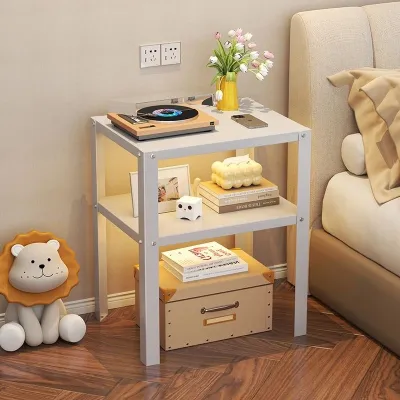
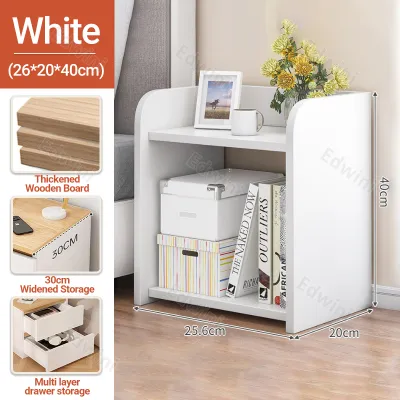
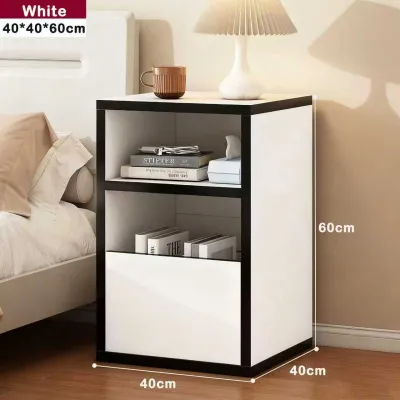
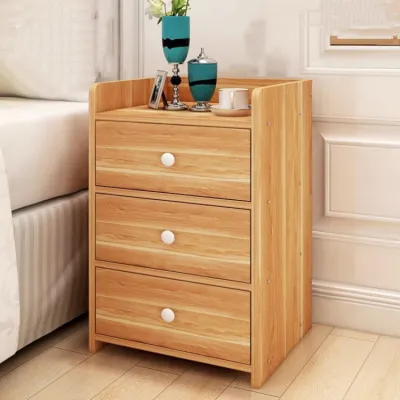
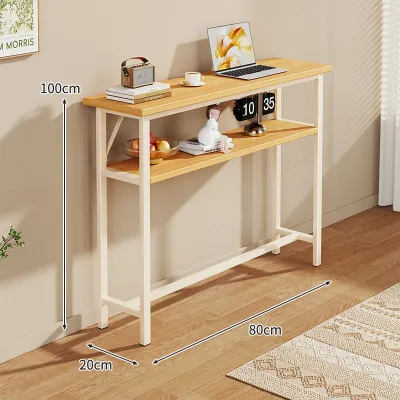
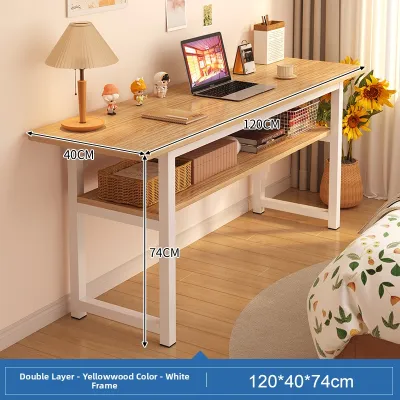
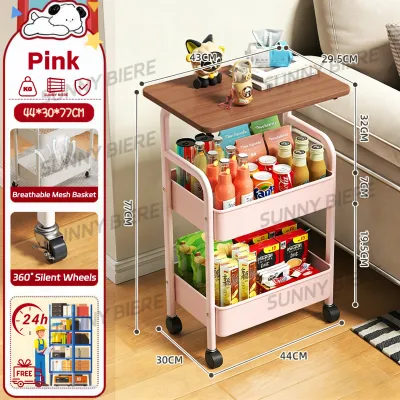
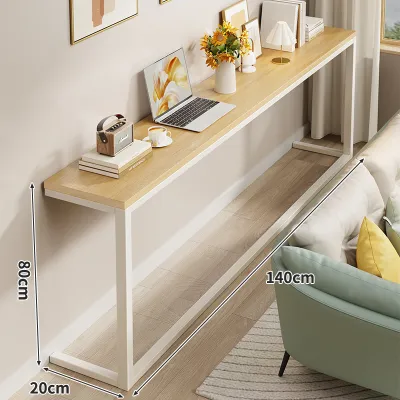
Prices are valid at publication and may change. Please refer to the product page for the latest price.
If you sleep on a metal bed frame and want to keep your floor and walls completely untouched, a magnetic bedside caddy is the most efficient choice. These compact organizers snap directly onto steel or iron frames, utilizing powerful magnets to stay in place. They are ideal for holding remote controls, charging cables, and small books within arm’s reach.
For renters who need to support heavier items like laptops, water carafes, or ceramic lamps, a freestanding C-table or over-bed table is the most stable and reliable alternative. These tables feature a cantilevered base that slides under your bed frame, providing a sturdy surface without touching your walls. They require zero installation and can be moved around your unit with ease.
These versatile alternatives are widely available across the Philippines. You can find them at local home improvement stores, specialized furniture showrooms, and various online home decor retailers. When shopping, prioritize options that specify weight limits and base dimensions to ensure they fit your specific bed height and layout.
Understanding Condo Wall Limits and No-Drill Requirements
Condominium living in major Philippine cities like Metro Manila, Cebu, and Davao comes with strict property management guidelines. Standard lease agreements typically require a security deposit equivalent to one or two months of rent, which can range from ₱15,000 to over ₱50,000. Landlords routinely deduct repair costs from this deposit for wall damage, including drill holes, chipped plaster, and torn wallpaper.

Understanding your condo’s wall construction is essential before applying any mounting solution. Most high-rise developments utilize structural poured concrete or concrete hollow blocks (CHB) finished with a layer of plaster and latex paint. While concrete is incredibly sturdy, its hard surface makes drilling difficult without a hammer drill, and its painted finish can peel if low-quality adhesives are removed incorrectly. Alternatively, interior partition walls are often made of gypsum board or drywall, which is highly susceptible to structural tearing under concentrated weight.
Spatial limitations also dictate your bedside choices. Typical studio and one-bedroom condo units in the Philippines range from 18 to 35 square meters, leaving very narrow pathways on either side of the bed. A traditional bedside table often blocks wardrobe doors or prevents smooth movement through the room. No-drill alternatives solve this spatial puzzle by utilizing vertical wall space or sliding directly over the mattress.
Adhesive-Mounted Shelves: Best for Light Daily Essentials
Adhesive-mounted floating shelves are an excellent minimalist solution for keeping your sleeping area clean and uncluttered. They are designed to hold lightweight, daily essentials such as a smartphone, reading glasses, a small remote, or a compact, battery-operated LED nightlight. By floating off the floor, they maintain an airy, spacious feel in tight bedrooms.
The tropical climate of the Philippines introduces unique challenges for adhesive products. High indoor humidity levels, which often exceed 70% during the rainy season, can degrade the chemical bonds of standard rubber-based double-sided tapes over time. To prevent your shelf from falling in the middle of the night, always look for shelves equipped with moisture-resistant acrylic foam tape, which is specifically formulated to withstand warm, humid environments.
Surface compatibility is critical when installing adhesive shelves. These products bond exceptionally well to smooth, non-porous surfaces such as sealed wood, glass, metal, and glossy ceramic tiles. However, you must avoid installing them on freshly painted walls, delicate wallpaper, or textured plaster. If the paint’s bond to the underlying wall is weak, the adhesive will eventually pull the paint layer right off the concrete or drywall, causing a costly repair issue.
To ensure safety, never guess the weight capacity of an adhesive shelf. Always check the manufacturer’s packaging for the official weight rating, and design your storage with a generous safety margin. If a shelf is rated for 3 kilograms, limit your actual storage to 1 kilogram of static weight to account for environmental factors like humidity and accidental bumps.
Magnetic Bedside Caddies: Best for Metal Bed Frames
Magnetic bedside caddies offer a clever, zero-footprint storage solution that bypasses both your walls and your floor. These organizers feature integrated, high-strength magnets that cling securely to the side of your bed frame. They are incredibly easy to install, reposition, and pack away when it is time to move to a new condo.
The primary limitation of magnetic caddies is their strict material requirement. They only work on ferromagnetic metals, such as steel or iron. Many modern minimalist bed frames sold in local furniture stores are made of lightweight aluminum, solid wood, or are fully wrapped in upholstered fabric. None of these materials will attract magnets, rendering a magnetic caddy unusable.
Weight distribution is another important factor to consider. Because these caddies rely on magnetic friction to stay upright, overloading them can cause them to slide slowly down the bed frame rail. To maintain stability, distribute weight evenly across the pockets and avoid storing heavy, dense items like large power banks or filled thermal water bottles.
You can easily verify if your bed frame is compatible before making a purchase. Take a simple kitchen magnet and test it against various parts of your bed frame’s side rails. If the magnet snaps on with strong resistance, your frame is made of steel or iron and will easily support a magnetic bedside organizer.
Tension Rod and Over-Bed Tables: Best for Heavier Items
If you need a bedside surface that can support heavier items like a laptop, a tablet, a heavy ceramic lamp, or a morning cup of coffee, freestanding alternatives are your best option. C-tables feature a smart, cantilevered frame shaped like the letter “C.” This design allows the flat bottom base to slide completely under your bed frame, while the top surface hovers directly over your mattress or sits flush against the side of the bed.
For even greater versatility, over-bed tables span the entire width of your mattress and sit on lockable caster wheels. These are highly favored by remote workers who enjoy working from bed, as they provide a wide, stable workspace that can be pushed to the foot of the bed when not in use. Additionally, floor-to-ceiling tension rod systems can be wedged securely between your floor and ceiling, supporting modular trays and baskets without a single screw.
These freestanding and tension-based options offer the ultimate peace of mind for renters. Because they do not rely on adhesives or wall anchors, there is absolutely zero risk of paint peeling, drywall tearing, or plaster damage. This makes them the safest possible choice for units managed by strict condominium associations.
Before purchasing a C-table or over-bed table, you must measure your physical space carefully. Check the clearance height between your floor and the bottom of your bed frame to ensure the table’s base can slide underneath smoothly. Additionally, measure the available floor space next to your bed to ensure the table does not block walkways or wardrobe doors when fully assembled.
Key Factors to Check Before Buying
Selecting the right bedside alternative requires balancing your storage needs with your condo’s physical layout. To help you evaluate your options, consider how the primary categories compare across key practical dimensions:
| Alternative Type | Typical Weight Capacity | Wall/Frame Compatibility | Floor Space Required | Ease of Relocation |
|---|---|---|---|---|
| Adhesive-Mounted Shelves | Low (1 to 3 kg) | Smooth, painted concrete or drywall; no wallpaper | None (Wall-mounted) | Moderate (Requires new adhesive strips) |
| Magnetic Bedside Caddies | Low to Medium (1 to 2 kg) | Ferromagnetic metal frames (Steel/Iron) only | None (Frame-mounted) | Excellent (Instant pull-off) |
| Freestanding C-Tables | High (5 to 15 kg) | Compatible with all beds with under-frame clearance | Minimal (Slides under bed) | Excellent (Easy to slide or carry) |
| Tension Rod Systems | Medium (3 to 8 kg) | Solid floor and ceiling contact points | Minimal vertical footprint | Good (Requires loosening tension) |
To avoid purchasing an incompatible product, complete this quick pre-purchase checklist before finalizing your order:
- Measure the gap: Ensure there is enough physical clearance between your mattress and the adjacent wall or wardrobe door.
- Check under-bed clearance: Measure the height of the space beneath your bed frame to verify that a C-table base can slide under it.
- Identify your wall paint: Check if your wall paint is matte, glossy, or textured, as this directly impacts adhesive performance.
- Verify bed frame material: Use a magnet to confirm if your bed frame is magnetic steel or non-magnetic aluminum/wood.
- Assess finish and care: When selecting wood or metal C-tables, verify that the surface has a water-resistant laminate or powder-coated finish to protect against condensation from cold drinks in humid weather.
Safe Installation and Damage-Free Removal Guide
Proper installation is the key to ensuring your adhesive-mounted bedside shelf stays secure. Start by thoroughly cleaning the target wall area with 70% isopropyl alcohol. Avoid using household glass cleaners or multi-purpose sprays, as they often leave behind a thin, oily residue that prevents the adhesive from forming a strong bond. Allow the wall to air-dry completely.
Once the surface is clean and dry, apply the adhesive strips to the back of the shelf according to the manufacturer’s instructions. Press the shelf firmly against the wall for at least 30 seconds, applying even pressure across the entire adhesive area. To allow the chemical bonds to fully cure, wait a full 24 hours before placing any items on the shelf.
When it is time to move out of your condo, removing the adhesive shelf safely requires patience. Do not pull or pry the shelf directly outward from the wall, as this concentrated force will tear the paint or drywall paper. Instead, follow these simple steps for a clean removal:
- Use a handheld hairdryer on a medium heat setting to warm the adhesive pad for 2 to 3 minutes, which softens the acrylic polymers.
- Take a long piece of dental floss or thin fishing line and slide it behind the shelf.
- Using a gentle sawing motion, slice downward through the softened foam tape until the shelf releases from the wall.
Frequently Asked Questions (FAQ)
Can I use adhesive shelves on concrete condo walls?
Yes, you can use adhesive shelves on concrete condo walls, provided the surface is painted, smooth, and completely sealed. However, because concrete is naturally porous, any texture or minor surface imperfections can prevent standard adhesive tape from making full contact. For the best results, ensure the wall is thoroughly cleaned, and use heavy-duty acrylic mounting tapes designed specifically for painted masonry. If the wall has highly textured structural paint, a freestanding C-table is a much safer option.
Will an over-bed table scratch my condo flooring?
An over-bed table or C-table can scratch your condo flooring if the base is moved frequently without protection. Most condo units in the Philippines feature vinyl planks, laminate wood, or polished concrete flooring, which can easily scuff. To prevent damage, check if the table comes with built-in rubber casters or felt glider pads. If the base is bare metal or hard plastic, apply aftermarket self-adhesive felt pads to the bottom of the frame before placing it on your floor.
How do I clean adhesive residue left on the wall?
To clean leftover adhesive residue without damaging your wall paint, start with the gentlest method. Dampen a soft microfiber cloth with warm water and a few drops of mild dish soap, then rub the area in a gentle circular motion. For stubborn residue, apply a small amount of a paint-safe citrus-based adhesive remover, letting it sit for a few minutes to break down the glue before wiping it away. Avoid using harsh solvents like acetone or abrasive scrubbing pads, as they will strip the paint and lead to security deposit deductions.
Community discussion
Share your experience or ask a question. Comments are reviewed before publication.