
Quick Answer: Best No-Drill Bedside Table Types for Small Condos
Condo living in urban hubs across the Philippines demands smart, space-saving furniture solutions that do not violate lease agreements. If your rental contract strictly prohibits drilling holes into concrete walls, you can still enjoy the convenience of a bedside surface. The best no-drill bedside table options utilize innovative mounting mechanisms to provide secure storage without a single screw.
These solutions generally fall into four main categories: adhesive wall-mounted shelves, clamp-on bed frame tables, vertical tension pole nightstands, and over-the-headboard or mattress caddies. For lightweight items like a smartphone or eyeglasses, adhesive shelves offer a clean, minimalist look. If you need a sturdier platform for a laptop or a glass of water, a clamp-on table that grips your bed frame is highly reliable. Tension pole units maximize vertical space in tight corners, while mattress caddies provide ultra-compact storage with zero footprint. Choosing the right type depends on your wall surface, bed frame design, and the weight of your nightly essentials.
How to Choose the Right No-Drill Bedside Table
Selecting the ideal no-drill bedside table requires assessing your condo’s specific layout, furniture, and environmental conditions.
Products mentioned in this guide
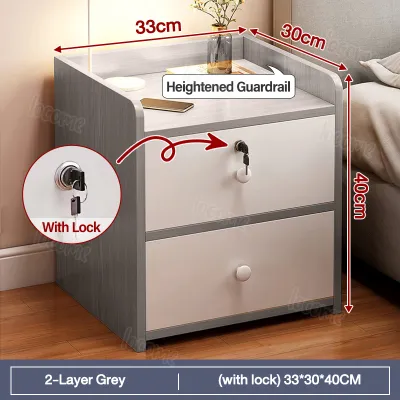
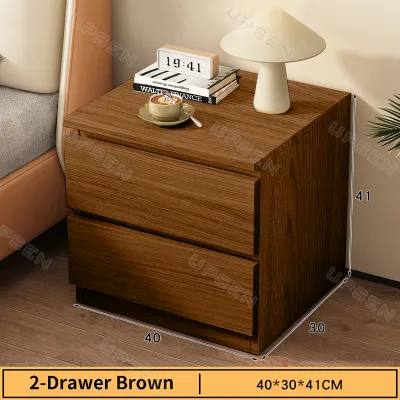
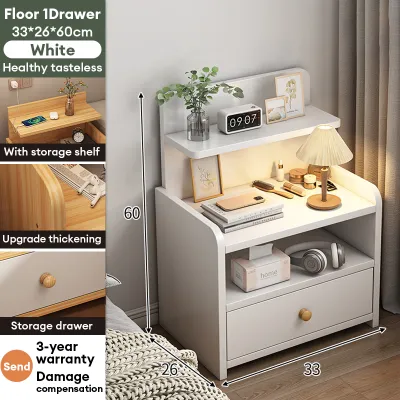
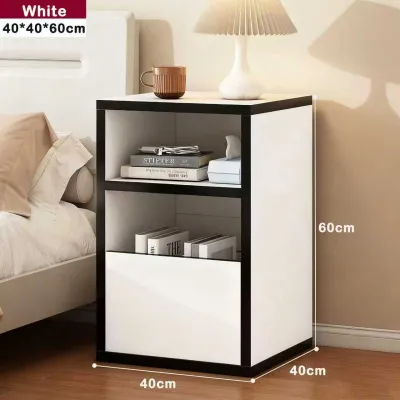
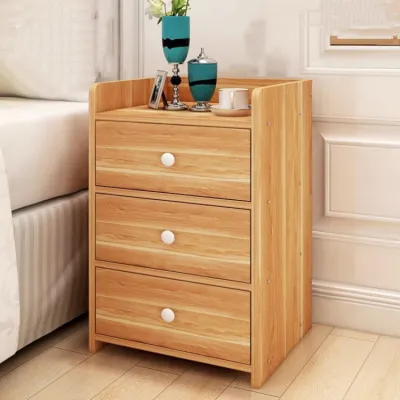
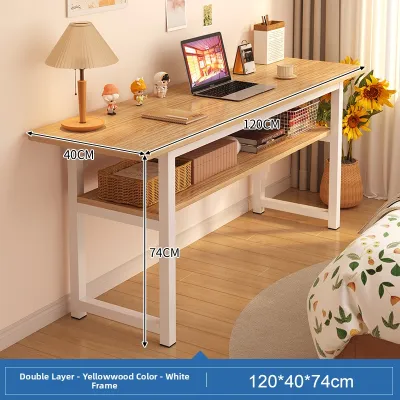
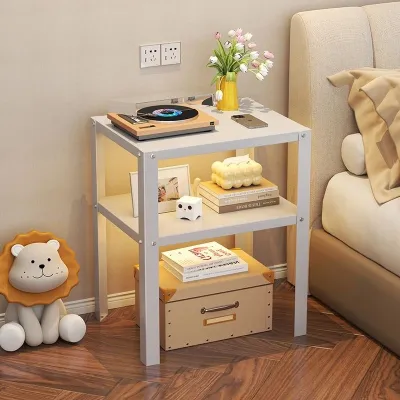
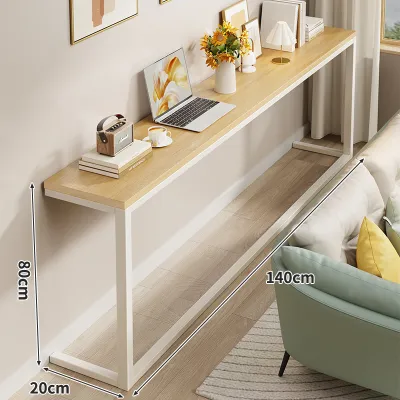
Prices are valid at publication and may change. Please refer to the product page for the latest price.

Wall Surface Compatibility Before purchasing an adhesive-based bedside table, you must carefully evaluate your wall’s finish. Smooth, non-porous surfaces such as ceramic tiles, glass, metal, or sealed wood provide the strongest bond for mounting tapes. In contrast, typical condo walls finished with matte latex paint, textured plaster, or wallpaper present significant challenges. The adhesive may fail to bond securely to textured surfaces, or it may bond so strongly to paint that it peels the top layer off when removed. Always check the manufacturer’s surface compatibility guidelines to ensure the adhesive will hold safely on your specific wall type.
Weight Capacity and Load Limits Every no-drill furniture piece has a strict weight limit that must be respected to prevent sudden collapses. You should never assume a table’s load capacity based on its material; a solid wood adhesive shelf is only as strong as the tape holding it to the wall. Always verify the maximum load capacity printed on the product packaging or listed in the manufacturer’s specification sheet. While a clamp-on table might safely support up to 10 kilograms, a stick-on plastic shelf may be rated for only 1.5 kilograms. Exceeding these limits can result in damaged electronics, spilled liquids, and ruined walls.
Space and Clearance Measurements In compact studio or one-bedroom condos, every centimeter of clearance matters. Before ordering any bedside accessory, measure the exact physical gap between your mattress and the adjacent wall. You must also check the depth of your bed frame and the swing paths of nearby closet doors or balcony entryways. A bedside table that protrudes too far can block vital walkways or prevent drawers from opening fully. Ensure the finished dimensions of your chosen table allow for comfortable movement around the bed.
Climate and Humidity Factors The tropical climate in the Philippines introduces unique challenges for adhesive-based furniture. High relative humidity levels, particularly during the rainy season from June to November, can gradually degrade standard double-sided mounting tapes. Moisture in the air can seep behind the adhesive layer, causing it to soften and lose its grip over time. To prevent accidental falls, look for products that utilize humidity-resistant acrylic foam tapes, or opt for mechanical alternatives like clamps and tension poles that are completely unaffected by air moisture.
Top No-Drill Bedside Table Types and How They Work
Understanding the mechanics, strengths, and limitations of each no-drill bedside table type will help you select the perfect fit for your bedroom layout.
Adhesive Wall-Mounted Shelves and Drawers
Adhesive wall-mounted shelves and drawers are compact, floating storage units designed to stick directly to your wall. These products are typically manufactured from lightweight materials such as molded plastic, acrylic, or engineered wood to minimize their self-weight. By eliminating legs and bulky supports, they create a clean, modern aesthetic that leaves your floor space entirely free for cleaning or storage boxes.
These floating shelves are best suited for holding lightweight, everyday items that you need close at hand during the night. They are perfect for resting a smartphone, a pair of reading glasses, a sleep mask, or a small, battery-operated LED lamp. Because they can be positioned at any height, they offer excellent flexibility for customized bedroom setups.
When purchasing an adhesive shelf, it is crucial to verify the type of mounting hardware included. Look for packages that feature heavy-duty, pressure-sensitive acrylic foam tape or specialized adhesive brackets with mechanical slide-on slots. These slide-on designs allow you to remove the shelf body for cleaning without disturbing the adhesive bond on the wall. Always check the manufacturer’s instructions regarding the required curing time before placing any items on the shelf.
The primary limitation of adhesive shelves is their low weight tolerance and vulnerability to downward leverage. They are not designed to support heavy books, large ceramic mugs, or the weight of a person leaning on them. Additionally, they require a perfectly clean, flat, and non-textured surface to achieve a reliable bond, making them unsuitable for heavily textured plaster walls.
Clamp-On Bedside Tables for Bed Frames
Clamp-on bedside tables are rigid trays or small shelves that attach directly to the side rails or headboard of your bed frame. They utilize adjustable C-clamps, vice-like brackets, or tension screws to grip the frame securely, transferring all downward force directly to the bed structure itself. This mechanical attachment completely bypasses the wall, making it an incredibly secure option for renters.
These tables are highly functional and can easily support heavier, high-use items that you would not trust on an adhesive shelf. They are ideal for holding a laptop, a heavy glass of water, a stack of hardcover books, or a traditional plug-in bedside lamp. Because the table is physically clamped to the bed, it remains stable even if the bed shifts slightly during the night.
Before buying a clamp-on model, you must measure the exact thickness of your bed’s side rails or headboard. Compare these measurements with the clamp’s adjustable range, which typically accommodates thicknesses between 1.5 and 5 centimeters. It is also essential to verify that the clamping brackets feature protective padding, such as thick felt, silicone, or dense rubber, to prevent the metal or hard plastic from scratching your bed frame’s wood or metal finish.
The main limitation of clamp-on tables is their dependency on your bed frame’s design. They are incompatible with upholstered, fabric-wrapped bed frames, extremely thin metal rails, or platform beds that lack exposed, flat side rails. You must also ensure that the clamp does not interfere with the proper fit of your mattress or the draping of your bedsheets.
Tension Pole Nightstands
Tension pole nightstands are vertical storage systems that feature a floor-to-ceiling metal or heavy-duty plastic rod. The pole is held firmly in place by internal spring-loaded mechanisms or threaded screw tensioners that exert continuous upward and downward pressure. Along the length of the pole, you can mount adjustable trays, shelves, or wire baskets at various heights to create a multi-tiered bedside storage hub.
These units are exceptionally effective at maximizing vertical storage in tight condo corners where floor space is limited. They allow you to store multiple items, decorative plants, books, and charging stations in a very small footprint. Because they rely on vertical compression between the floor and ceiling, they require zero wall mounting and can be placed anywhere along your bed.
When selecting a tension pole nightstand, you must verify the minimum and maximum ceiling height requirements of the product, ensuring it matches your condo’s ceiling height (which typically ranges from 2.4 to 2.8 meters). Additionally, inspect your ceiling construction before installation. Solid concrete slabs or timber joists can easily handle the compression pressure, but unreinforced gypsum plasterboard or drop ceilings can crack, dent, or warp under the tension.
A key limitation of tension pole systems is that they still occupy a small physical footprint on your floor, which might interfere with rug placement or under-bed storage. Furthermore, the tension mechanism can naturally settle or loosen over time due to temperature fluctuations and daily vibrations, requiring you to perform periodic checks and manual tightening to maintain stability.
Over-the-Headboard and Mattress Caddies
Over-the-headboard and mattress caddies are flexible, soft-sided organizers crafted from durable, thick fabrics such as felt, canvas, or heavy-duty oxford polyester. These organizers feature multiple pockets, slots, and loops designed to hang over the side of your bed. They are secured in place by a long, flat anchor flap that slides deep between your mattress and the bed frame or box spring, relying on the heavy downward weight of the mattress to remain anchored.
These caddies are the ultimate space-saving solution for micro-condos where there is absolutely zero clearance between the bed and the wall. They keep your essential items organized and within arm’s reach without taking up any floor, wall, or ceiling space. They are highly portable, making them perfect for temporary living arrangements or frequent travelers.
When shopping for a mattress caddy, look for models with an extra-long anchor flap—ideally at least 30 centimeters—to ensure it stays firmly tucked under the mattress even when you toss and turn. Some high-quality caddies feature textured, non-slip rubber backing on the flap or built-in hook-and-loop fasteners to provide extra grip. If you plan to hang the caddy over a headboard, check the width of the hanging straps or hooks to ensure they fit over your headboard’s top edge.
The primary limitation of fabric caddies is their low structural rigidity and weight capacity. They are designed for flat, lightweight items like tablets, e-readers, smartphones, charging cables, and paperback books. They cannot support open liquids, heavy lamps, or bulky items, and if the bed is bumped aggressively, items stored in shallow pockets can slide out onto the floor.
Installation and Safe Removal Tips for Condo Renters
To protect your security deposit and ensure your no-drill bedside table remains securely mounted, you must follow proper installation and removal protocols.
Surface Preparation The longevity of any adhesive bond depends entirely on how clean the surface is before application. Dust, airborne oils, and fingerprints create a barrier that prevents the adhesive from making full contact with the wall or bed frame. To prepare the surface, wipe the target area thoroughly with a clean microfiber cloth dampened with isopropyl alcohol. Avoid using household glass cleaners or multi-purpose sprays, as they often leave behind a thin, soapy residue that compromises the adhesive. Allow the surface to dry completely for at least five minutes before applying the adhesive.
Curing and Loading One of the most common causes of adhesive furniture failure is loading weight onto the shelf too quickly. Pressure-sensitive adhesives require time to “wet out” and flow into the microscopic pores of the wall surface to establish a strong bond. Always refer to the manufacturer’s instructions, which typically recommend waiting between 24 and 72 hours before placing any weight on the unit. During this curing period, leave the shelf completely empty and avoid touching or bumping it.
Routine Maintenance No-drill furniture is not entirely maintenance-free. In the humid tropical climate of the Philippines, you should perform routine safety checks every few months. For adhesive shelves, inspect the edges of the mounting tape for any signs of peeling, lifting, or sagging. For clamp-on tables and tension poles, check the tightness of the screws and brackets, as daily vibrations from getting in and out of bed can gradually loosen the mechanical connections. Gently tighten any loose parts to prevent accidental slips.
Safe Removal Techniques When it is time to move out of your condo, removing adhesive mounts must be done with care to avoid peeling the wall paint. Never pull or pry an adhesive shelf straight off the wall, as this will almost certainly tear the drywall paper or plaster. Instead, use a handheld hairdryer on a medium-heat setting to blow warm air directly onto the adhesive bracket for two to three minutes. This heat will soften the acrylic glue or foam tape, making it pliable.
Once the adhesive is warm, take a piece of dental floss or strong fishing line and gently slide it behind the bracket. Using a sawing motion, work the line downward from the top of the bracket to cut through the softened foam tape. Once the bracket is free, you can clean any remaining sticky residue from the wall using a mild, citrus-based adhesive remover or by gently rubbing the residue with your thumb. Wipe the area clean with a damp cloth to restore the wall to its original condition.
Frequently Asked Questions (FAQ)
Can I use removable command strips for a bedside table?
While removable adhesive strips are excellent for hanging lightweight picture frames or wall art, they are generally not designed to support the dynamic weight and leverage of a functional bedside table. A bedside table experiences constant downward leverage and sudden impacts when you place items down or accidentally bump into it. If you choose to use removable strips, you must strictly check the weight rating on the packaging and use them only on ultra-lightweight, shallow shelves. Exceeding the rated shear strength of the strips will cause the shelf to fall, potentially damaging your wall and your belongings.
How much weight can a no-drill bedside table hold?
The weight capacity of a no-drill bedside table varies significantly depending on its mounting mechanism and construction. Mechanical clamp-on tables are the sturdiest option, often safely supporting between 5 and 10 kilograms, which is more than enough for a laptop, books, and a drink. Tension pole nightstands can typically support 2 to 5 kilograms per shelf, depending on the ceiling tension. In contrast, adhesive-mounted shelves are much more limited, generally holding only 1 to 3 kilograms. Always verify the manufacturer’s stated weight limit on the product packaging and distribute the weight evenly across the surface.
Will adhesive bedside tables damage my condo walls?
Adhesive bedside tables can potentially damage your condo walls, but this risk can be minimized with proper installation and removal. Damage most commonly occurs when trying to pull a cold adhesive bracket straight off a painted drywall or plaster surface, which can rip off the paint and plaster layers. To prevent damage, always test the adhesive on a small, hidden area of the wall first if possible. When removing the table, always use the heat-and-peel method with a hairdryer and dental floss to safely break the adhesive bond without tearing the underlying paint.
Community discussion
Share your experience or ask a question. Comments are reviewed before publication.