
Living in a compact condominium in Metro Manila often requires creative spatial design, especially when sharing a room or setting up bunk beds for children or co-living arrangements. When floor space is at a premium, finding a secure spot to place a phone, a glass of water, or a laptop can be a challenge. Drilling holes into walls or expensive wooden bed frames is rarely an option, particularly for renters who want to protect their security deposits. Fortunately, a no-drill bunk bed table offers a practical, damage-free solution to maximize vertical space and keep daily essentials within arm’s reach.
The best no-drill bunk bed table options for Philippine condos rely on three primary non-invasive mounting methods: heavy-duty clamp-on brackets, specialized adhesive mounts, and magnetic backings. Selecting the right model requires analyzing your bed frame’s material, assessing the vertical clearance between bunks, and understanding the weight limits of each attachment mechanism. By choosing a table that matches your specific frame profile and daily habits, you can establish a stable, convenient workspace or nightstand without using a single screw or drill bit.
Evaluating No-Drill Bunk Bed Tables: Key Selection Criteria
To choose an effective no-drill bunk bed table, you must first define how the surface will be used on a daily basis. A table intended solely for holding a smartphone, a pair of eyeglasses, and a small water bottle requires far less structural stability than one meant to support a heavy laptop, a tablet, or a textbook. Before committing to a specific design, evaluate the maximum weight of the items you plan to place on the surface. Overestimating your weight requirements is always safer than underestimating them, as overloaded shelves can fail unexpectedly, causing damage to your electronics or personal injury.
Products mentioned in this guide
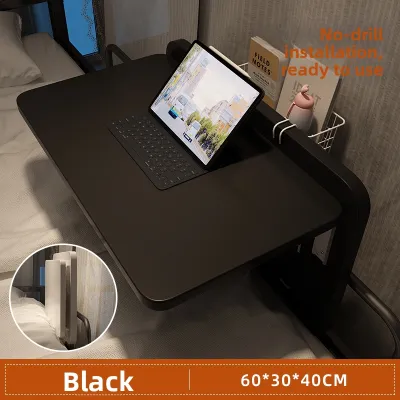
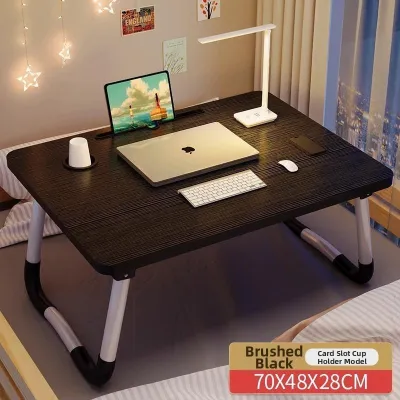
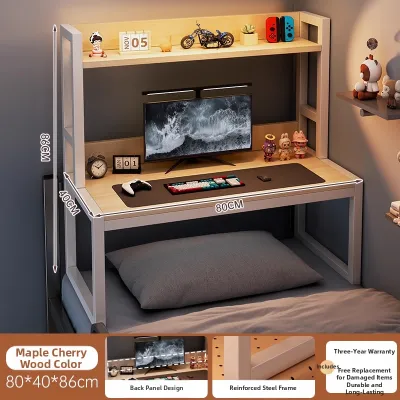
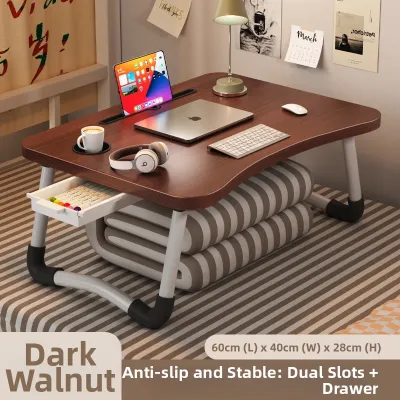
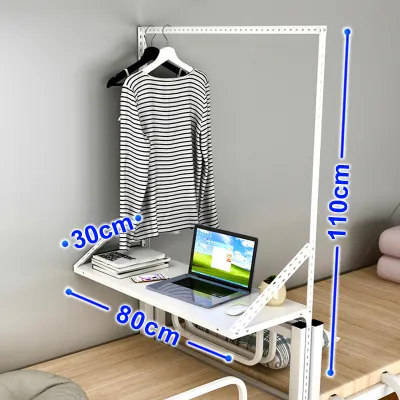
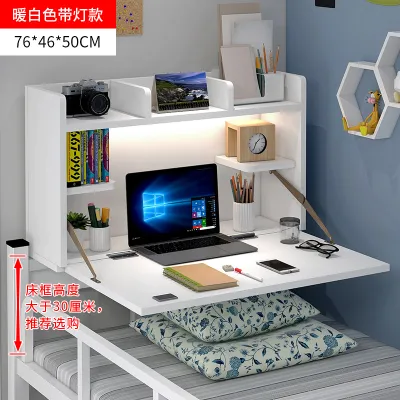
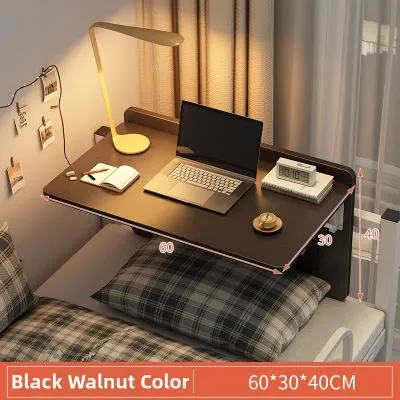
Prices are valid at publication and may change. Please refer to the product page for the latest price.
The material and texture of your bunk bed frame play a decisive role in determining which mounting mechanism will work. In the Philippines, bunk beds are commonly constructed from either solid hardwood (such as mahogany or gmelina), engineered wood (like MDF or laminate), or powder-coated steel tubes. Adhesive mounts require a completely smooth, non-porous, and clean surface to establish a secure bond; they will fail quickly on raw, unvarnished wood or highly textured finishes. Conversely, magnetic tables require a flat ferrous metal surface, while clamp-on options need a rigid, flat lip or a square post with enough structural integrity to withstand concentrated clamping pressure.
Measuring the physical clearance of your sleeping area is another critical step that prevents installation headaches. In typical high-density condo developments, ceiling heights can be relatively low, which restricts the vertical space available to the sleeper on the top bunk. You must measure the distance between the mattress and the top of the guardrail, as well as the clearance between the lower mattress and the underside of the upper bunk frame. A table that protrudes too far into these sleeping zones can restrict movement, make changing the sheets difficult, or become a painful obstruction when climbing in and out of bed.
Finally, consider the distinct ergonomic needs of the upper and lower bunks. The upper bunk is inherently more restricted, with a higher risk of items falling to the floor or onto the person sleeping below. Tables designed for the top bunk should feature high protective rims, cable routing slots, and highly secure, low-profile attachment systems that do not interfere with the safety guardrail. The lower bunk, on the other hand, often has more vertical headroom and can accommodate larger, deeper clamp-on desks or even vertical tension poles that stand adjacent to the bed frame, providing a more robust setup for extended study or remote work sessions.
Adhesive and Magnetic Options: Ideal for Light Storage and Upper Bunks
Adhesive-mounted shelves and clip-on trays represent the most lightweight and low-profile solutions available for bunk beds, making them particularly well-suited for the tight confines of an upper bunk. These organizers typically stick directly to the flat wooden or plastic panels of a bed frame using double-sided acrylic foam tape or specialized mounting strips. For renters living in Philippine condos, the primary advantage of these adhesive options is their ability to provide immediate utility without leaving permanent marks. However, the high relative humidity of the tropical Philippine climate can weaken certain low-grade adhesives over time, meaning you must select high-quality, moisture-resistant mounting strips and clean the application surface thoroughly with isopropyl alcohol before installation.

Magnetic tables offer an incredibly convenient, tool-free alternative, but their utility is strictly limited to ferrous metal bed frames. If your condo features a steel-framed bunk bed, a magnetic tray can be snapped onto the side rails or headboard in seconds. When evaluating magnetic options, pay close attention to the strength and coverage of the magnets on the back of the unit. High-quality magnetic shelves utilize multiple rare-earth magnets embedded in a rubberized or silicone backing. This soft backing serves a dual purpose: it prevents the hard metal magnets from scratching the powder-coated finish of your bed frame, and it provides crucial frictional resistance to stop the table from sliding downward when loaded.
Despite their convenience, both adhesive and magnetic mounting methods have strict safety boundaries and physical limitations. These tables are engineered exclusively for light storage and should never be used to support heavy laptops, large ceramic mugs, or heavy textbooks. The cantilevered design of these shelves means that any weight placed near the outer edge exerts a multiplying leverage force on the adhesive bond or magnetic contact point. Exceeding the manufacturer’s recommended weight limit—which is often quite low, typically between 1 and 2 kilograms—can cause the shelf to detach suddenly, potentially damaging your expensive devices or waking you up in the middle of the night.
To ensure a safe and reliable installation, buyers should use a strict checklist when shopping for adhesive or magnetic options. First, verify that the product includes or is compatible with premium, damage-free removable adhesive strips (such as nano-grip tape or command-style pull-tabs) rather than permanent industrial glues that will strip paint or laminate during removal. Second, for magnetic shelves, ensure the product description explicitly states the use of non-slip rubber backings. Third, look for designs that feature high raised borders or built-in compartments, which prevent round items like pens, lip balms, or water bottles from rolling off the edge and falling onto the lower bunk.
Clamp-On and Tension Desks: Best for Laptops and Lower Bunks
For condo residents who need a robust surface for studying, working on a laptop, or eating meals in bed, clamp-on desks and tension-based systems offer significantly higher weight capacities and superior structural stability. Clamp-on tables utilize a mechanical screw mechanism to grip the existing guardrail, headboard, or side post of the bunk bed frame. Before purchasing a clamp-on model, you must carefully measure the thickness of your bed frame’s rail and compare it to the jaw capacity of the clamp. Most standard clamp-on trays accommodate rail thicknesses ranging from 1.5 to 9 centimeters, but compatibility varies widely between brands.
Protecting the finish of your furniture is a paramount concern when applying mechanical clamping force. Always verify that the clamp’s contact points are lined up with thick rubber, silicone, or dense felt padding. If a clamp-on table lacks integrated padding, the bare metal or hard plastic jaws can easily crush wood grain, chip paint, or scratch metal frames under pressure. Tightening the clamp securely is necessary to prevent the table from sagging or wobbling, but over-tightening without adequate padding can cause permanent structural deformation to hollow metal frames or soft engineered wood rails.
Tension rod or pole-mounted options provide an alternative approach by shifting the physical load away from the bed frame entirely. These systems feature a telescoping vertical metal pole that is wedged tightly between the floor and the ceiling, or between the lower and upper bed posts, using an internal heavy-duty spring or a screw-thread tensioning mechanism. Adjustable shelves, laptop trays, and cup holders can then be clamped onto this vertical pole at any desired height. This design is highly advantageous for lower bunks, as it allows for a much larger, deeper desktop surface that can comfortably support a full-sized laptop, a mouse, and the weight of your arms during extended typing sessions.
However, both clamp-on and tension-based systems have distinct physical limitations that must be evaluated before purchase. Clamp-on desks require a straight, flat, and rigid frame profile to grip securely; they are generally incompatible with highly rounded rails, heavily carved decorative wooden posts, or soft, upholstered fabric headboards. Tension poles, on the other hand, require a solid, unyielding surface at both ends to maintain their grip. If your condo has a delicate drop ceiling, thin gypsum board panels, or decorative plaster molding, a tension pole cannot be safely installed, as the outward pressure required to secure the pole can easily crack or puncture these fragile materials.
Comparing No-Drill Attachment Methods at a Glance
To help you determine which no-drill attachment method best aligns with your condo’s bedroom layout, bed frame type, and daily storage needs, the following comparison table outlines the core characteristics of each hardware style.
| Attachment Method | Best Bed Frame Type | Relative Weight Capacity | Ideal Use Case | Removal & Damage Risk |
|---|---|---|---|---|
| Adhesive Mount | Smooth painted wood, laminate, or plastic | Very Low (up to 1.5 kg) | Smartphones, eyeglasses, remote controls | Low risk if removed correctly; potential paint peeling on cheap finishes |
| Magnetic Mount | Flat steel or iron frames | Low (up to 2 kg) | Small books, metal water bottles, accessories | Zero risk; requires rubber backing to prevent surface scratches |
| Clamp-On Bracket | Flat wooden rails, square steel posts | Medium to High (5 to 10 kg) | Laptops, heavy textbooks, meals, tablets | Low risk; requires protective silicone pads to prevent wood denting |
| Tension Pole | Any frame (stands independently next to bed) | High (10 to 15 kg) | Full study setups, multiple devices, drinks | Zero frame damage; requires solid concrete ceiling and floor |
Before finalizing your purchase on any online marketplace or local furniture retailer, always cross-reference the dimensions and weight limits specified in the table with the physical measurements of your bed frame. Keep in mind that these weight capacities are general estimates based on standard consumer-grade hardware; the actual performance of your table will depend heavily on the quality of your installation, the structural integrity of your bed frame, and the environmental conditions of your room.
Safety Checks and Installation Tips for Condo Bunk Beds
When installing any accessory on a bunk bed, safety must be your absolute priority to prevent accidental falls, structural damage, or personal injury. One of the most overlooked risks of adding a cantilevered table to a bunk bed is the potential impact on the bed’s overall stability. While a small bedside tray is unlikely to cause a heavy wooden bunk bed to tip over, adding a large, heavily loaded clamp-on desk to the outer rail of a lightweight, unanchored steel frame can shift the unit’s center of gravity. Always ensure your bunk bed is stable, properly balanced, and ideally anchored to the wall if you plan to use larger clamp-on or tension-based study surfaces.
For those living in rented condo units, protecting the landlord’s furniture is crucial for securing the return of your security deposit. Before applying any adhesive mount, perform a quick spot test in an inconspicuous area of the bed frame—such as the inner side of a back leg—to see if the adhesive reacts poorly with the paint or varnish. When installing clamp-on desks, you can add an extra layer of protection by placing small pieces of furniture felt or thin rubber sheeting between the clamp’s jaws and the frame. This simple step distributes the clamping pressure more evenly, preventing unsightly pressure marks, dents, or deep scratches in the wood.
Clearance and hazard checks are equally vital, particularly on the upper bunk. Ensure that the installed table does not obstruct the ladder, the guardrail openings, or the primary entry and exit paths of the bed. A table positioned too close to the ladder can catch on clothing or limbs during a midnight descent, leading to dangerous falls. Furthermore, remember that any loose item placed on an upper bunk table is a potential falling hazard. Avoid placing heavy, sharp, or hot objects—such as ceramic mugs of hot coffee or heavy glass paperweights—on an upper bunk shelf where a sudden bump could send them crashing down onto the lower occupant.
Finally, it is important to recognize when a no-drill table is simply not compatible with your setup. If your bunk bed frame features highly irregular shapes, fragile hollow plastic rails, or thick fabric upholstery that prevents a clamp or adhesive from securing a tight grip, do not attempt to force the installation. Forcing an unstable table to fit increases the risk of sudden structural failure. In these scenarios, stop and pivot to alternative space-saving furniture options, such as a slim rolling utility cart, a narrow freestanding bookcase positioned next to the bed, or a height-adjustable floor desk that can slide its base underneath the lower bunk.
Frequently Asked Questions (FAQ)
Can I use a no-drill table on the upper bunk safely?
Yes, you can use a no-drill table on the upper bunk safely, provided you strictly adhere to weight limits and choose the correct mounting style. For the top bunk, lightweight adhesive trays or low-profile clamp-on shelves are the safest options, as they do not protrude excessively into the sleeping space. You must avoid placing heavy electronics, liquids, or fragile glass items on these upper shelves, as any accidental bump can knock them over the edge, creating a severe falling hazard for anyone on the lower bunk or walking nearby.
Will adhesive bunk bed tables damage my condo's furniture?
Adhesive bunk bed tables can potentially damage furniture if they are installed with permanent glues or if they are removed improperly from delicate surfaces like cheap wood laminates or soft paint. To prevent damage, always use high-quality, removable adhesive strips designed for clean removal. When it is time to remove the table, do not pull it straight off the surface; instead, gently heat the adhesive bond with a hair dryer on a low setting to soften the glue, or use a piece of dental floss slid behind the bracket to saw through the adhesive layer cleanly.
How do I clean and maintain the non-slip surfaces on these tables?
To maintain the grip and stability of your no-drill table, you should regularly clean the non-slip rubber, silicone, or felt pads on the clamps and magnetic backings. Over time, dust, lint, and ambient humidity can coat these surfaces, significantly reducing their frictional grip and causing the table to slip or sag. Wipe the pads down gently with a microfiber cloth dampened with clean water or a mild, diluted dish soap, and allow them to air dry completely before re-clamping. Avoid using harsh chemical solvents, bleach, or abrasive scrubbing pads, as these can permanently degrade the rubberized coating and ruin the non-slip properties.
Community discussion
Share your experience or ask a question. Comments are reviewed before publication.