
Creating a functional and inviting breakfast nook in a limited space requires furniture that maximizes utility without crowding the room. A side table nordic style offers an exceptional solution, blending clean lines, light color palettes, and clever design details that visually expand small dining areas. By prioritizing minimalist forms, these tables provide a dedicated spot for your morning coffee and light meals while keeping your home feeling open and airy.
In compact urban homes, every square inch of floor space must be utilized intentionally. Selecting a Nordic-inspired piece ensures that your breakfast corner remains highly functional without sacrificing aesthetic appeal. By understanding the core design principles and material requirements of these tables, you can create a comfortable morning retreat that stands up to daily use.
Why Nordic Design Works for Compact Breakfast Nooks
Nordic design is celebrated worldwide for its focus on minimalism, clean lines, and functional beauty. Rather than incorporating heavy ornamentation, Scandinavian furniture relies on structural simplicity and purposeful design, making it an excellent match for tight spaces where clutter can quickly accumulate.
Products mentioned in this guide
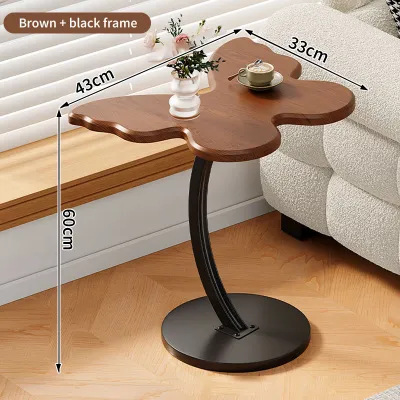
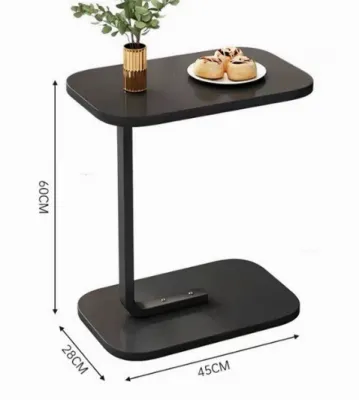
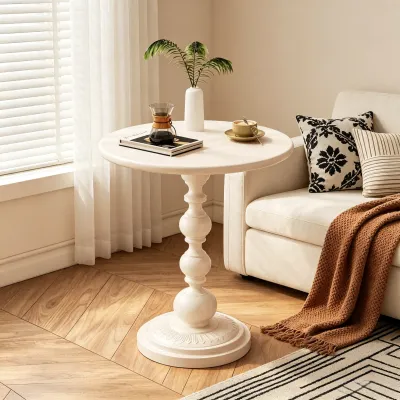
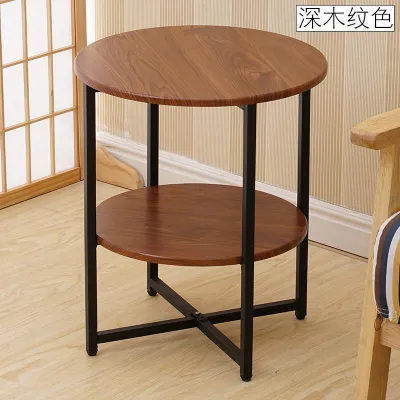
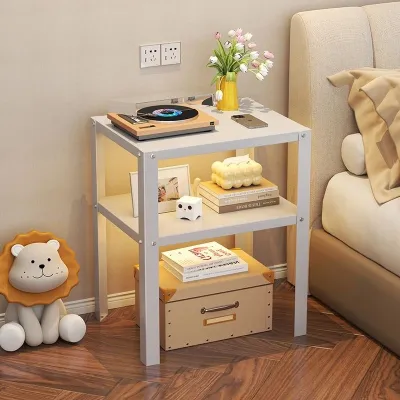

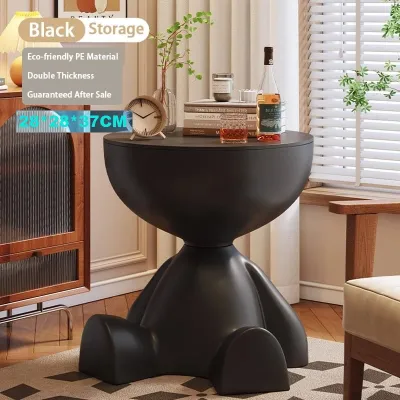
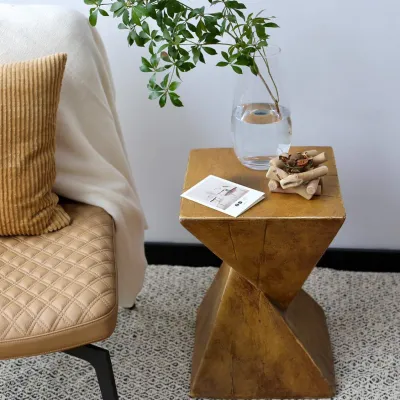
Prices are valid at publication and may change. Please refer to the product page for the latest price.
Light color palettes are central to this aesthetic, utilizing pale woods, soft whites, and neutral tones. These light surfaces reflect both natural and artificial light throughout the room, creating an illusion of spaciousness even in narrow corners or small condominium layouts.
Starting your day in a calm, organized, and clutter-free environment offers significant psychological benefits. A clean and minimalist breakfast nook helps reduce morning stress, allowing you to enjoy your coffee or tea in a peaceful setting before tackling a busy schedule.
Key Features to Look for in a Small-Space Nordic Side Table
Finding the perfect side table nordic design involves balancing aesthetic preferences with practical spatial constraints. Because a breakfast nook experiences daily activity, the table must be physically sturdy while remaining visually unobtrusive.

Proportions and Visual Weight
To prevent a small breakfast nook from feeling cramped, prioritize furniture with a light visual weight. Look for tables featuring slim profiles, tapered legs, and raised bases that allow light to pass underneath.
When you can see the floor beneath a table, the brain perceives the room as larger and more open. Avoid bulky, solid-block bases or heavy, dark-stained structures, as they act as visual roadblocks and make tight spaces feel significantly smaller.
Material Choices for Tropical Climates
Selecting the right material is crucial for ensuring the longevity of your table, especially in the tropical climate of the Philippines. Homeowners must choose between solid wood options and engineered alternatives based on their specific living conditions.
Solid hardwoods like teak, oak, and ash offer beautiful grain patterns and excellent structural integrity. However, they can be sensitive to extreme humidity fluctuations. High-quality engineered wood or MDF with real wood veneer finishes can provide a more stable alternative that resists warping in humid environments.
Before purchasing, always check the manufacturer’s specifications for humidity resistance, surface sealing, and care requirements. Ensure the product label confirms the table is rated for indoor use and review any specific moisture warnings provided by the brand.
Space-Saving Functionalities
Multi-purpose designs are highly valuable when working with limited square footage. Look for Nordic side tables that feature built-in storage solutions, such as lower slatted shelves, small drawers, or integrated magazine racks.
These storage features allow you to keep daily breakfast essentials like napkins, coasters, placemats, or coffee pods organized and within arm’s reach. Keeping these items tucked away ensures the main tabletop remains clean and ready for meals.
Additionally, consider lightweight designs that can be easily moved or repurposed. A table that can transition from a morning breakfast station to an afternoon laptop desk or an evening living room end table offers maximum utility for small-space living.
Top Nordic Side Table Styles for Your Breakfast Nook
Different layouts require different structural solutions. Exploring specific Nordic-style designs can help you identify which configuration best suits your daily routine and space constraints.
Drop-Leaf and Gateleg Tables
Drop-leaf and gateleg tables offer exceptional flexibility for multi-functional spaces. These designs feature hinged table surfaces that can be raised or lowered depending on your immediate needs.
During quiet weekday mornings, you can keep the leaves folded down to maintain a narrow, unobtrusive profile against the wall. On weekends, simply lift the drop-leaf to expand the surface area, creating a comfortable dining setup for two.
Gateleg designs are particularly efficient because the supporting legs swing back flat against the frame. This allows the entire unit to tuck away neatly when not in use, preserving precious walkway space.
Nesting Tables
Nesting tables consist of two or three individual tables of graduated sizes that slide completely underneath one another. This modular approach is ideal for homes that occasionally host guests.
On regular days, the tables remain stacked together, occupying the footprint of a single compact piece. When you need extra surface area for serving dishes, a coffee press, or a toaster, you can slide the smaller tables out as needed.
To maintain a cohesive look, search for nesting sets that feature varying heights and complementary timber tones. This arrangement adds visual depth to your breakfast nook while preserving the minimalist Scandinavian aesthetic.
Pedestal and Tripod Base Tables
Tables supported by a central pedestal or a tripod base offer significant ergonomic advantages in tight dining corners. By eliminating traditional corner legs, these designs maximize legroom and simplify chair placement.
This structural style allows you to slide chairs or built-in benches completely under the table when they are not in use. It also prevents knees and shins from bumping into table legs, making it much easier to sit down and stand up.
When evaluating a pedestal table, always verify the diameter of the base. Ensure the bottom plate or feet do not interfere with your existing seating, floor mats, or built-in bench supports.
C-Shaped and Tuck-Away Tables
C-shaped tables feature an open, cantilevered frame designed to slide over seating surfaces. This unique shape allows the base of the table to slip under a sofa, low bench, or window seat.
By sliding the base underneath your seating, the tabletop hovers directly over your lap. This layout eliminates the need for dedicated floor space in front of your seat, making it an excellent choice for ultra-compact studio apartments.
These highly portable pieces serve as excellent dedicated coffee stations. They can also double as temporary laptop stands, keeping your main living areas clear of work clutter.
How to Measure and Plan Your Breakfast Nook Layout
Accurate spatial planning is essential to avoid purchasing furniture that is either too large for your room or uncomfortable to use. Follow these practical steps to verify compatibility before finalizing your purchase.
First, measure the exact floor footprint of your designated breakfast nook. Use painter’s tape to map out the physical dimensions of the prospective table on the floor, making sure to account for baseboards, wall moldings, and nearby electrical outlets.
Next, plan for comfortable walkway clearances around the table. As a general rule, maintain a clearance of 24 to 36 inches (approximately 60 to 90 centimeters) behind your chairs or stools to allow family members to move past without squeezing.
Ensure the height of your side table matches your existing seating. Standard dining chairs typically feature a seat height of 18 inches, which pairs comfortably with a table height of 28 to 30 inches. If you are using counter-height stools or custom built-in benches, measure carefully to ensure adequate lap and arm clearance.
Finally, do not forget to measure your home’s entry points. Verify the dimensions of your front door, hallway corners, stairwells, and elevator doors to ensure the delivery team can safely transport the furniture into your home.
Styling and Maintaining Your Nordic Breakfast Nook
Once you have selected and positioned your table, thoughtful styling and consistent maintenance will keep the space looking inviting and preserve the quality of the wood.
To enhance the warm, minimalist aesthetic, pair your table with natural textiles such as linen or cotton placemats. Add simple ceramic mugs, neutral tableware, and a small potted plant—such as a low-maintenance snake plant or pothos—to bring a touch of nature indoors.
Protecting wood furniture in humid environments requires simple, daily habits. Always use coasters under cold glasses and hot mugs to prevent condensation rings from damaging the wood finish. Wipe away liquid spills immediately with a dry microfiber cloth to prevent moisture from penetrating the grain.
Avoid placing your wooden table in direct, prolonged sunlight near large windows, as UV rays can cause the wood finish to fade unevenly over time. Always consult and follow the specific care instructions provided by your furniture manufacturer regarding polishing, waxing, or oiling the surface.
Frequently Asked Questions (FAQ)
What is the ideal height for a breakfast nook side table?
Standard dining surfaces typically range from 28 to 30 inches (71 to 76 centimeters) in height. For comfortable arm and lap clearance, the tabletop should sit approximately 10 to 12 inches higher than the seat of your dining chairs or bench.
How do I protect wood side tables from high humidity?
To protect wood in humid environments, maintain consistent indoor airflow and use a dehumidifier or air conditioning during the wet season. Always consult the manufacturer’s care guide before applying any aftermarket waxes, oils, or sealants, as improper treatments can damage specific finishes and void your product warranty.
Community discussion
Share your experience or ask a question. Comments are reviewed before publication.