
Open storage cabinets offer an excellent solution for organizing a kitchen, providing quick access to daily cooking essentials while maximizing tight vertical spaces. In a country where kitchens are high-activity zones filled with heavy cookware, rice cookers, and frequent meal preparation, choosing the right open shelving system requires balancing accessibility with durability. To successfully integrate open storage into your home, you must prioritize materials that can withstand tropical humidity, support heavy kitchen staples, and fit into your specific layout.
By choosing the correct structural type and verifying key manufacturing specifications, you can transform your kitchen into a highly efficient, organized space. This guide outlines the critical factors to evaluate before buying and highlights the best open storage types tailored to typical home layouts and environmental conditions.
What to Look for in Open Storage for Philippine Kitchens
Material and Finish for High Humidity
The tropical climate of the Philippines, characterized by high relative humidity and distinct wet and dry seasons, is notoriously harsh on furniture. When selecting an open storage cabinet, the material and its protective finish are your first lines of defense. Untreated or low-density medium-density fiberboard (MDF) and particle board are highly susceptible to absorbing moisture from the air, which leads to swelling, sagging, and structural failure over time. Instead, look for powder-coated steel or iron frames, which offer excellent resistance to rust and corrosion. If you prefer the warmth of wood, ensure it is a properly sealed solid wood or high-quality exterior-grade plywood. Check the manufacturer’s specifications to verify that the wood has been treated with a moisture-resistant polyurethane or lacquer finish.
Products mentioned in this guide
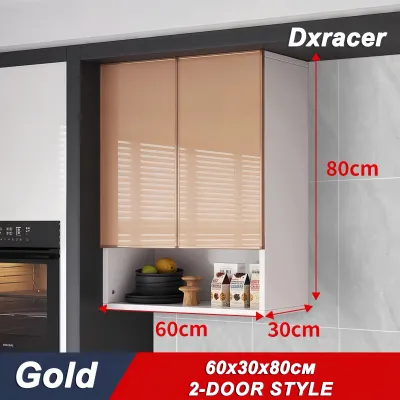
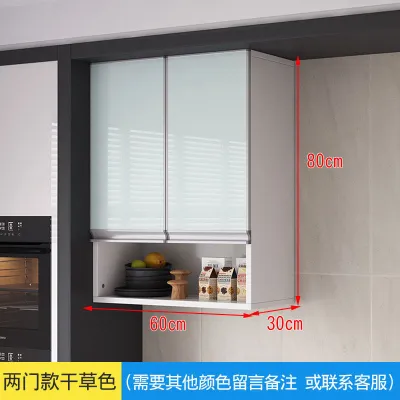
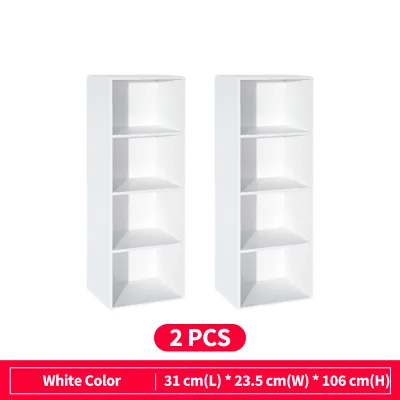
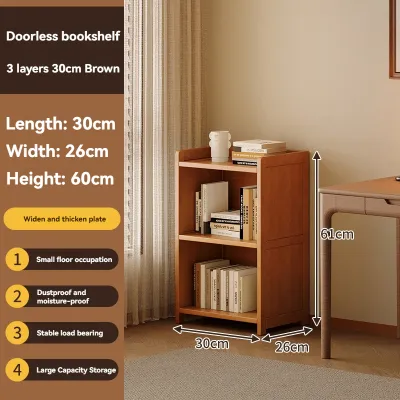
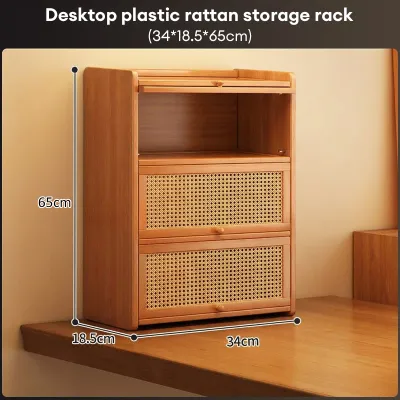
Prices are valid at publication and may change. Please refer to the product page for the latest price.
Structural Stability and Load Capacity
Local kitchens house some of the heaviest household items. A standard rice cooker, a heavy-duty stone mortar and pestle, large aluminum or cast-iron woks, and bulk food storage—such as 10-kilogram to 25-kilogram sacks of rice—demand exceptional load-bearing capacity. Before purchasing any open cabinet, check the manufacturer’s rated weight capacity per shelf. Look for structural reinforcements such as cross-bracing on the back of metal frames, thick shelf boards, and robust joint connections. If you opt for a tall freestanding unit, ensure it includes wall-anchoring hardware to prevent accidental tip-overs, especially if you live in an earthquake-prone region or have active household members.
Footprint and Mobility
Urban housing, particularly in Metro Manila and other major metropolitan areas, often features compact condo units or apartment layouts where every square inch of floor space matters. A fixed, bulky cabinet can restrict movement and make a small kitchen feel claustrophobic. For these spaces, consider the unit’s footprint and whether mobility features would be beneficial. Slim-profile shelving units that utilize vertical space rather than horizontal floor area are ideal. Mobile units equipped with heavy-duty caster wheels allow you to shift your storage as needed, transforming a tight corner into an active prep station and rolling it out of the way when cleaning.
Ease of Cleaning
Traditional cooking relies heavily on sautéing with garlic, onions, and oil, as well as deep-frying. This cooking style inevitably produces airborne grease, steam, and food particles that can settle on open surfaces. Unlike closed cabinets that shield their contents, open shelving exposes everything to this environmental dust and grease. Therefore, ease of cleaning is paramount. Avoid rough, textured, or porous surfaces that can trap grease. Smooth, non-porous materials like powder-coated metal, stainless steel, or highly sealed wood are much easier to wipe down with a simple damp cloth and a mild degreasing agent.
Best Open Storage Types for Your Kitchen Layout
Best for Compact Condos and Renters: Mobile Tiered Carts
For residents living in compact studio apartments, high-rise condominiums, or rented spaces where permanent wall modifications are prohibited, mobile tiered carts offer an exceptionally flexible storage solution. These units typically feature a narrow footprint, allowing them to slide easily into the unused gap between your refrigerator and counter or sit neatly in a corner.

When shopping for a mobile cart, look for models with lockable caster wheels. This feature ensures the cart remains stable and stationary when you are retrieving items or using the top shelf as an auxiliary prep surface, yet allows for effortless movement when you need to sweep or mop the floor. Multi-tier designs—ideally with three to four levels—maximize vertical storage. Adjustable shelves are a significant advantage, allowing you to customize the height clearance to accommodate taller items like vinegar bottles, cooking oils, or small blenders.
These carts are ideal for organizing daily-use items. You can use the top tier for frequently accessed spices, garlic baskets, and onions, the middle tier for dry pantry goods, and the bottom tier for heavier items like small kitchen appliances. However, keep in mind their physical limitations. Mobile carts generally have lower weight capacities than fixed, heavy-duty shelving. Always verify the manufacturer’s specified weight limit per shelf and ensure the caster wheels are rated for the total expected load. Additionally, check that the wheels roll smoothly and do not scratch typical local flooring materials, such as ceramic tiles, polished concrete, or vinyl planks.
Best for Heavy Cookware and Prep: Freestanding Metal Shelving
If your cooking style involves heavy-duty culinary tools—such as seasoned cast-iron skillets, large stainless steel stockpots, clay cooking pots, and bulk sacks of rice—freestanding metal shelving is the most reliable choice. These industrial-style units are designed to handle substantial weight without bending, warping, or compromising structural integrity.
The strength of these units lies in their construction. Look for frames made of thick, heavy-duty steel or iron, ideally reinforced with welded joints and diagonal cross-bracing on the back or sides. This structural design prevents the shelving unit from swaying or leaning when loaded to capacity. Before finalizing a purchase, check for two critical features: adjustable shelf heights and leveling feet. Adjustable shelves allow you to configure the spacing to fit tall appliances like a multi-cooker or a large oven toaster. Leveling feet are essential for compensating for uneven floor tiles or slightly sloped kitchen floors, ensuring the entire unit remains perfectly upright and stable.
While freestanding metal shelving excels in strength, it does have a few trade-offs. The completely open design means that your stored items are fully visible, which can contribute to visual clutter if not organized carefully. Utilizing uniform storage bins, woven baskets, or matching canisters can help maintain a neat appearance. Additionally, because these shelves are often placed closer to the main cooking zone to keep heavy pots within reach, they are exposed to more airborne grease and dust, requiring a regular cleaning schedule to keep the metal surfaces pristine.
Best for Dishware and Dry Goods: Solid Wood Open Hutches
For homeowners who want to balance practical storage with a warm, inviting aesthetic, solid wood open hutches are an excellent choice. These pieces of furniture serve as a beautiful focal point in the kitchen or adjacent dining area, allowing you to display your everyday dinnerware, glassware, and carefully curated pantry jars.
An open hutch is particularly suited for storing items that are used daily, such as plates, bowls, coffee mugs, and dry goods stored in airtight glass canisters. Because these items are rotated and washed frequently, dust accumulation is rarely an issue. When selecting a wooden hutch for a local home, it is crucial to investigate the wood species and, more importantly, the protective finish applied by the manufacturer. Look for hardwoods or high-quality treated softwoods that have been thoroughly sealed with a water-resistant and humidity-resistant coating. Unsealed or poorly finished wood will absorb moisture from the humid tropical air, leading to warping, joint separation, and potential mold growth.
To preserve the beauty and structural integrity of a solid wood hutch, keep its placement in mind. Avoid positioning an open wooden hutch directly next to the stove, oven, or sink. The direct heat, steam, and grease splashes from cooking can degrade the wood’s protective finish over time, making it difficult to clean and increasing the risk of moisture damage. Instead, place the hutch in a well-ventilated area of the kitchen or dining space, away from direct steam sources.
Comparing Open Storage Types at a Glance
To help you determine which open storage solution fits your home, the table below compares the three primary types based on their best use cases, general physical characteristics, and spatial requirements.
| Storage Type | Best Use Case | Estimated Load Capacity | Humidity Resistance Level | Space Footprint |
|---|---|---|---|---|
| Mobile Tiered Carts | Spices, oils, small appliances, and mobile prep in tight spaces | Low to Moderate (Typically 5–15 kg per shelf) | Moderate (Requires rust-resistant finish on metal parts) | Compact & Flexible (Very small footprint; easily moved) |
| Freestanding Metal Shelving | Heavy cookware, woks, bulk rice sacks, and large kitchen appliances | High (Typically 30–100+ kg per shelf) | High (When treated with powder coating or rust-resistant paint) | Medium to Large (Requires dedicated floor space; fixed position) |
| Solid Wood Open Hutches | Everyday dinnerware, glassware, and sealed dry goods in decorative jars | Moderate (Typically 15–30 kg per shelf) | Moderate (High if properly sealed; vulnerable if unsealed) | Medium to Large (Best suited for dining-adjacent or spacious layouts) |
Note: Always consult the manufacturer’s product label for the exact load capacities and assembly instructions before loading your shelves with heavy items.
Maintaining Open Cabinets in Humid Conditions
Routine Cleaning
Because open shelves lack doors to block airborne particles, establishing a consistent cleaning routine is vital to prevent dust and cooking grease from combining into a sticky, stubborn film. Wipe down the empty shelves at least once a week. For general maintenance, use a soft microfiber cloth slightly dampened with warm water and a few drops of mild dishwashing liquid, which acts as a gentle degreaser. Avoid using harsh abrasive pads or steel wool, as these can scratch powder-coated metal finishes or strip the protective sealant off solid wood.
Moisture Control
High humidity is a constant challenge in tropical environments. To protect your open storage cabinet and the items stored on it, optimize your kitchen’s ventilation. Use a range hood when cooking to draw out steam and grease, or keep nearby windows open to promote cross-ventilation. Avoid placing open shelving units directly adjacent to the kitchen sink, dish drying racks, or steam-emitting appliances like rice cookers and electric kettles. If steam constantly billows onto an open shelf, it will eventually compromise the material’s finish and encourage mold growth on organic items.
Structural Checks
Over time, the physical demands of holding heavy kitchen items, combined with temperature fluctuations, can cause hardware to loosen. Every few months, conduct a quick structural inspection. Tighten any loose screws, bolts, or brackets on your shelving units. For mobile carts, check the caster wheels to ensure they are free of hair, dust, or debris, and verify that the locking mechanisms still engage securely. If you are using wall-anchored shelves, inspect the wall brackets and anchors to ensure they remain firmly embedded in the wall.
Material-Specific Care
Always refer to the manufacturer’s care instructions before applying any cleaning products or polishes. For powder-coated metal shelves, a simple wipe-down is usually sufficient, but you should inspect the surface periodically for any deep scratches that expose the raw metal underneath; touch these up promptly with rust-inhibiting paint. For solid wood hutches, avoid soaking the wood with water. Use a specialized wood cleaner or a light application of furniture wax once or twice a year to maintain the protective barrier against humidity, ensuring the wood remains resilient for years to come.
Frequently Asked Questions (FAQ)
Are open cabinets practical for heavy Filipino cooking?
Yes, open cabinets can be highly practical, provided they are placed strategically. The primary concern with heavy local cooking—which often involves deep-frying, sautéing with aromatic ingredients, and boiling savory broths—is the accumulation of airborne grease and steam. To make open storage work, position your shelving units away from the immediate splash zone of your stove or cooktop. This distance minimizes grease exposure while still keeping your essential tools and ingredients within arms’ reach. Additionally, storing dry goods, spices, and grains in airtight glass or plastic containers protects them from humidity and pests, while keeping the open shelves looking neat and organized.
How much weight can a typical open kitchen shelf hold?
The weight capacity of an open kitchen shelf varies dramatically depending on the materials used, the overall structural design, and how the unit is supported. Lightweight mobile carts may only support 5 to 15 kilograms per shelf, whereas heavy-duty industrial metal shelving units can easily hold 50 to over 100 kilograms per level when weight is distributed evenly. If you are using wall-mounted open shelves, the load capacity is heavily dependent on the quality of the wall anchors and the structural integrity of your wall (solid concrete walls offer significantly more support than standard hollow drywall). To ensure safety and prevent structural failure, always check the manufacturer’s labeled weight limits, distribute the weight evenly across each shelf, and place your heaviest items—such as bulk rice containers or heavy appliances—on the lowest shelves to maintain a low center of gravity and prevent tipping.
Community discussion
Share your experience or ask a question. Comments are reviewed before publication.