
Preparing for a lipat bahay involves coordinating logistics, securing transport, and packing your entire life into transportable containers. When browsing the Orderly Leju shop on your preferred online marketplace, selecting the right storage products requires matching their physical specifications to the demands of a tropical move. The ideal packing setup balances structural rigidity, moisture protection, and space efficiency to ensure your belongings arrive at your new home undamaged.
Instead of relying on random cardboard boxes that degrade in high humidity, investing in dedicated storage solutions allows you to transition seamlessly from transit to long-term home organization. By evaluating material thickness, latch security, and load capacities, you can build a reliable packing system tailored to your household items. Taking the time to assess these factors beforehand prevents the frustration of collapsed boxes and broken valuables during transit.
Core Criteria for Selecting Moving Storage Solutions
Evaluating storage products for a move requires looking beyond simple volume measurements. The primary factor to consider is weight capacity verification, which determines how much stress a container can handle before the base bows or the lid cracks under pressure. When stacking bins in a moving truck, the bottom containers must support the cumulative weight of those above them, making structural stability a critical safety check.
Products mentioned in this guide
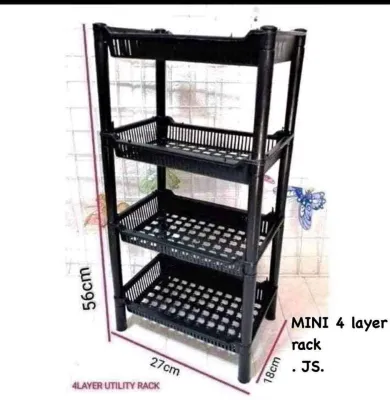
Prices are valid at publication and may change. Please refer to the product page for the latest price.
Moisture and impact resistance are equally vital, especially when navigating unpredictable tropical weather and uneven road conditions. High humidity can soften low-quality plastics or weaken paper-based alternatives, leading to collapsed stacks and damaged goods. Look for containers with reinforced corners and thick walls that absorb shocks during sudden stops or bumpy transits.
Dust protection is another essential factor during a move, as open-air transport vehicles can expose your belongings to road grime and soot. Containers with tight-fitting lids and secure sealing gaskets prevent fine dust particles from settling on your clean clothes and kitchenware.
Ergonomic handling features can make a significant difference during a long day of lifting and carrying. Bins with molded, recessed handles or secure, snap-lock latches prevent painful hand strain and accidental spills. A secure closure mechanism ensures that even if a bin is tilted during loading, the lid remains firmly attached, keeping your items safely contained.
Top Orderly Leju Storage Categories for Lipat Bahay Needs
The Orderly Leju shop offers a diverse range of organizing tools, but not every container is suited for the heavy-duty demands of a household move. To pack efficiently, you must map your household items to the appropriate storage materials based on weight, fragility, and compressibility.

Balancing space efficiency with item protection requires a strategic mix of rigid bins, flexible bags, and structured organizers. Rigid containers protect delicate items from external pressure, while flexible bags maximize the use of irregular spaces in the moving vehicle. By categorizing your belongings beforehand, you can select the exact storage types that minimize empty space and prevent shifting during transit.
Using the wrong container type can lead to inefficient loading or damaged goods. For instance, putting heavy books in a large, flexible fabric bag makes it nearly impossible to carry without tearing, while placing soft blankets in rigid plastic bins wastes valuable structural protection. Matching the item category to the correct storage medium is the key to a successful packing strategy.
Heavy-Duty Plastic Bins for Books and Kitchenware
Heavy, dense items like books, ceramic plates, and kitchen appliances require the uncompromising support of rigid plastic bins. Before purchasing, check the manufacturer’s weight limits and load-bearing labels listed on the product detail page. A bin might look spacious, but overloading a light-duty container can cause the plastic to warp or split when lifted.
Verify that the bins feature secure lid latches and reinforced bases with cross-ribbed patterns. These structural ribs distribute weight evenly across the bottom panel, preventing the center from sagging under the weight of heavy novels or cast-iron pans. Latches that snap firmly into place ensure the lid stays integrated with the base, providing a flat, stable surface for stacking.
Pay close attention to the plastic grade, such as polypropylene, which offers excellent impact resistance and durability. Thicker walls indicate a more robust construction that can withstand the pressures of being stacked multiple layers high in a moving truck.
Ergonomic handle designs are essential for safe lifting and carrying up and down stairs. Look for handles with smooth, rounded edges or rubberized grips that do not cut into your palms under heavy loads. If you are packing exceptionally heavy items, consider bins with integrated wheels, though you must verify that the wheels can be locked or nested to prevent rolling inside the moving truck.
Vacuum and Fabric Bags for Bedding and Seasonal Clothing
Soft, bulky items such as pillows, comforters, blankets, and seasonal clothing can consume an enormous amount of space if packed in rigid boxes. Vacuum storage bags offer an excellent solution by compressing these items to a fraction of their original volume. When selecting vacuum bags, check the valve quality and material thickness, as thin plastics are prone to punctures from zippers or buttons.
Look for bags with a thickness measured in microns, where a higher number generally indicates better resistance to tears and leaks. Double-zip seals and heavy-duty turbo valves prevent air from slowly leaking back into the bag over time, ensuring your compressed items remain compact throughout the entire moving process.
Match the bag dimensions to your target storage spaces, such as your wardrobe shelves or under-bed compartments in the new home. This ensures that once compressed, the bags fit perfectly into their permanent locations without needing to be refolded.
For items that require airflow, such as natural wools or delicate fabrics, opt for breathable fabric storage bags instead of fully sealed plastic. High humidity can trap moisture inside airtight bags if the items are not completely dry before packing, leading to mold and mildew. Breathable non-woven fabrics allow air to circulate while still protecting your textiles from dust, soot, and pests during the move.
Compartmentalized Organizers for Fragile and Small Electronics
Fragile items, cosmetics, and small electronics require individual cushioning to prevent them from knocking against each other during transit. Compartmentalized organizers with adjustable dividers allow you to customize the interior layout to fit specific items snugly. This prevents delicate glassware, chargers, or camera accessories from shifting and scratching.
Assess the internal padding and the rigidity of the exterior frame before choosing an organizer. A soft-sided organizer might be convenient for a closet, but for a move, it needs a rigid outer shell or reinforced cardboard inserts to resist crushing. Check that the dividers are securely attached to the sides so they do not slide out of place when the container is tilted.
Consider the vibration protection offered by the organizer’s design. Road vibrations during transit can cause delicate electronic components or glass vials to rub against each other, leading to micro-scratches or structural failure. Organizers with soft, felt-lined compartments or foam inserts provide an extra layer of shock absorption.
Secure closure mechanisms, such as heavy-duty zippers or dual latches, are critical for keeping small components contained. If an organizer slips from your hands, a weak closure can burst open, scattering tiny screws, memory cards, or jewelry across the moving vehicle. Look for transparent lids if you need to identify the contents quickly without opening multiple compartments.
Safe Packing and Loading Practices for Your Storage Bins
Acquiring the right containers is only the first step; loading them correctly determines whether your items survive the journey. Always practice proper weight distribution by placing the heaviest items at the bottom of the bin and lighter, more delicate items on top. This lowers the center of gravity, making the bin more stable when carried and less likely to tip over in transit.
Fill any remaining empty spaces inside the bins with soft packing materials, such as bubble wrap, clean packing paper, or even small towels and t-shirts. This prevents the contents from shifting when the moving truck encounters sudden stops, sharp turns, or uneven road surfaces.
Observe maximum safe stacking heights based on the material and design of your storage bins. Heavy-duty plastic bins can typically be stacked three to four units high, provided the heaviest bin is at the very bottom. Avoid stacking lightweight fabric organizers or vacuum bags under heavy plastic bins, as the pressure will crush the contents and cause the stack to collapse.
Create a clear, visible labeling system on multiple sides of each bin rather than just the lid. When bins are stacked, top labels become invisible, forcing you to unstack them just to read the contents. Use waterproof markers or color-coded adhesive labels to indicate the destination room and whether the contents are fragile, which helps the moving crew handle and place each container correctly.
Essential Pre-Purchase Checks at the Orderly Leju Shop
Before finalizing your order at the Orderly Leju shop, perform a few critical checks to avoid logistical headaches on moving day. Compare the internal usable space of the bins with their external dimensions. Molded handles, wheels, and tapered walls can reduce the actual interior volume, meaning an item that matches the external length might not fit inside.
Measure the doorways, hallways, and stairwells of both your current and future homes, as well as the cargo space of your moving vehicle. Ensure the external dimensions of the larger bins can easily pass through these tight spaces without getting stuck or requiring awkward maneuvering that could lead to dropped containers.
Review the assembly requirements for foldable or collapsible storage options. While collapsible bins are excellent for saving space when empty, they must be checked for structural integrity when fully expanded. Ensure the locking tabs or support frames click securely into place so the bin does not accidentally fold while loaded with your belongings.
Verify the final checkout price in ₱, keeping a close eye on shipping fees, which can escalate quickly for bulky plastic bins. Check the seller’s return and refund policies specifically for items damaged during transit. Inspect your delivery immediately upon arrival so you can report any cracked lids or broken latches before you begin packing.
Frequently Asked Questions (FAQ)
Can I reuse these moving storage boxes for long-term home organization? (FAQ)
Yes, high-quality plastic bins and fabric organizers are designed for long-term use, though you should consider the trade-offs between utility and aesthetics. Utilitarian moving bins with bright colors or industrial latches might not match your living room decor, but they are perfect for organizing pantries, garages, or closets.
Before repurposing them, check the material’s durability and UV resistance if you plan to store them in sunny areas or damp basements. If you do not have immediate use for them, collapsible fabric bags and folding plastic crates can be flattened and stored away efficiently, taking up minimal space until your next organizing project.
How do I estimate the number of storage bins needed for a standard bedroom? (FAQ)
To estimate your storage needs, start by categorizing your belongings by volume and density. A standard bedroom typically requires a mix of medium and large bins, with heavier items like books allocated to smaller containers to keep them liftable.
Account for unusable empty space in rigid bins, as oddly shaped items will leave gaps that must be filled with soft packing materials. For a standard wardrobe, estimate about two to three large vacuum bags for bedding and three to four fabric organizers for clothing, adjusting upward if you have extensive seasonal wear or bulky garments.
Community discussion
Share your experience or ask a question. Comments are reviewed before publication.