
Finding the right storage solution for your wardrobe often comes down to balancing space, budget, and accessibility. In many homes across the Philippines, plastic storage units are preferred for their resilience against moisture and pests, especially during the humid rainy season. Selecting the ideal configuration of orocan cabinet drawers requires evaluating your specific closet setup and daily routines. The best drawer type is not a one-size-fits-all product, but rather one that aligns with your room’s physical layout and your housing situation.
If you live in a rental property where drilling holes is prohibited, freestanding stackable drawers offer the ultimate flexibility without risking your security deposit. For those who want to optimize an existing closet system or cube organizer, modular drawers provide a neat, custom-fit solution that can adapt as your wardrobe grows. Meanwhile, if you are struggling to reach the deep, dark corners of a built-in wooden closet, pull-out drawer inserts provide the necessary ergonomic upgrade to make every inch of space usable. By understanding the distinct advantages and limitations of each type, you can design a wardrobe that keeps your clothes organized, clean, and easily accessible.
Quick Guide to Choosing Orocan Cabinet Drawers
Selecting the perfect storage setup begins with a clear understanding of your primary organizational pain points. Different drawer designs solve different spatial challenges, meaning the right choice depends on your existing furniture and room layout. Before purchasing, it is helpful to have a quick reference point for how each category performs in real-world scenarios.
Products mentioned in this guide
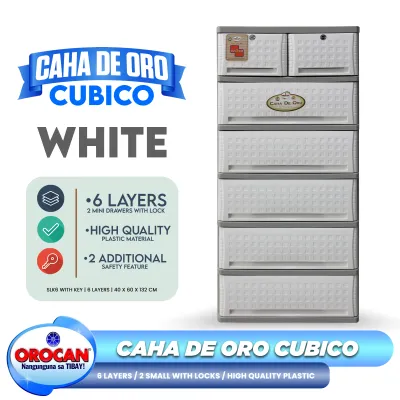

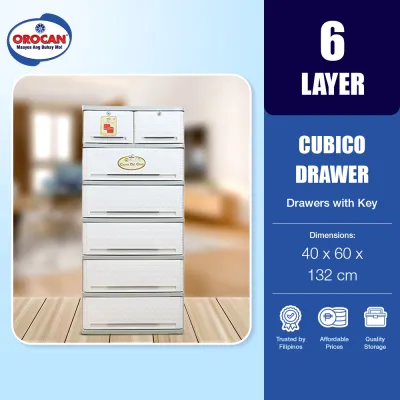

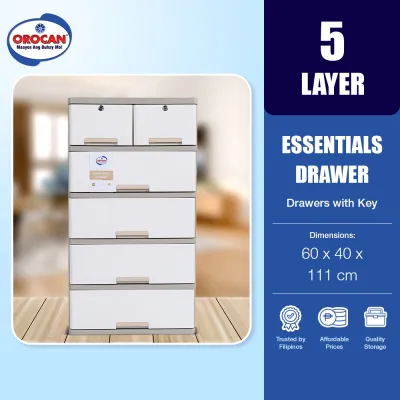
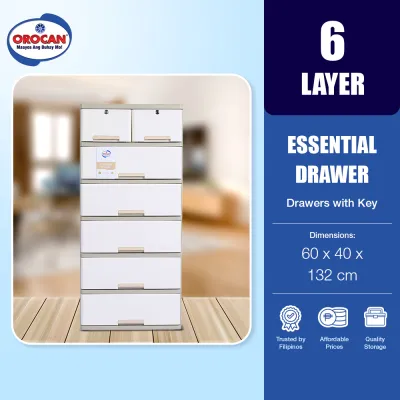
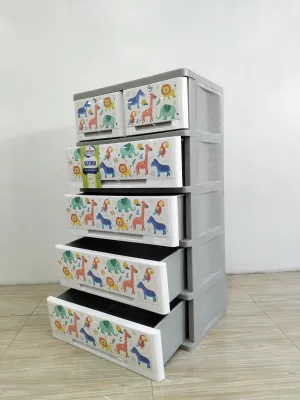
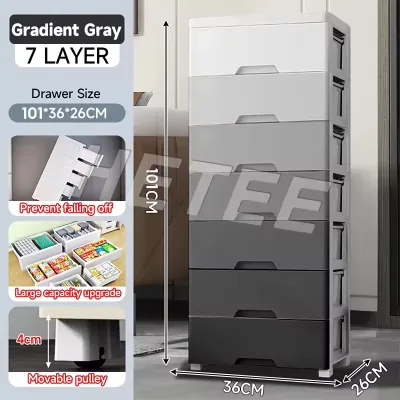
Prices are valid at publication and may change. Please refer to the product page for the latest price.
- Stackable Drawers: Best for renters, open-concept closets, or temporary setups. These independent units stack vertically, allowing you to build storage upward in tight spaces without mounting anything to the walls.
- Modular Drawers: Best for customizable closet frameworks or shared wardrobes. They fit into standard shelving units, allowing you to mix and match drawers, open shelves, and hanging rods.
- Pull-Out Drawers: Best for deep, built-in wooden wardrobes. These units slide forward on tracks, bringing items from the back of deep cabinets into plain sight and easy reach.
Choosing between these options requires a realistic look at your current wardrobe footprint, the types of garments you store, and whether you need a permanent or temporary installation.
How to Assess Your Wardrobe Space and Storage Requirements
Before purchasing any storage units, you must conduct a thorough physical assessment of your available space. Relying on visual estimation often leads to ill-fitting drawers that block doors or fail to open fully. Taking precise measurements is the most critical step in ensuring your new storage system functions smoothly.

Measuring the Space
Start by measuring the interior width, depth, and height of your wardrobe cabinet using a metal measuring tape. When measuring the width, do not just measure from wall to wall; subtract the space occupied by door hinges, sliding door tracks, or protruding frame borders. For depth, measure from the back wall to the front edge of the shelf, leaving at least a two-centimeter buffer to ensure the wardrobe doors can close completely. When calculating height, consider the clearance needed for hanging clothes so that long dresses, trousers, or shirts do not bunch up on top of the drawer units.
Evaluating Door Clearance
The type of doors on your wardrobe heavily influences which drawer configuration will work. Hinged doors require the drawers to clear the door frame entirely when pulled forward, which means you may need to leave clearance on the hinge side. Sliding doors present a different challenge, as they often block one half of the wardrobe interior at all times. If you install drawers that are wider than the open half of a sliding-door closet, you will be unable to open them. Ensure that the fully extended drawer path does not collide with any door panels, handles, or adjacent bedroom furniture.
Categorizing Storage Needs
Different types of clothing require different drawer depths and weight capacities. Light, daily wear such as cotton t-shirts, activewear, and undergarments can be stored efficiently in shallow, lightweight drawers. Conversely, heavy items like denim jeans, thick sweaters, or bed linens require deeper drawers with a more robust structural design. Group your clothing by category before buying to determine how many shallow versus deep drawers you actually need. Overloading a shallow drawer with heavy fabrics can cause the plastic bottom to sag or derail the drawer from its tracks.
Checking Floor and Shelf Load Limits
If you plan to place your drawer units inside an existing wooden wardrobe or on top of elevated shelves, you must verify the load capacity of those supports. Solid wood shelves can support significant weight, but particle board or medium-density fiberboard (MDF) shelves may sag under the combined weight of plastic drawers and heavy clothing. For safety, place heavier drawer units on the floor of the wardrobe rather than on elevated shelves. If you must place them on shelves, ensure the shelves are properly supported by sturdy brackets or pegs.
Stackable Orocan Cabinet Drawers: Best for Flexible, Freestanding Storage
Stackable plastic drawers are highly popular for their versatility and ease of assembly. These units are designed to function independently or to lock together vertically, making them an excellent choice for dynamic living spaces.
Design and Functionality
Stackable units typically feature interlocking molded patterns on their top lids and bottom bases. This design allows you to place one unit securely on top of another without the risk of them sliding apart during normal use. Because they do not require a surrounding cabinet frame, you can purchase them individually and stack them to your desired height. This modularity makes it easy to expand your storage capacity over time as your budget or wardrobe size increases.
Ideal Scenarios
These drawers are highly suited for open-concept closets, studio apartments, and rental properties in urban areas where permanent modifications are restricted. If you move frequently, stackable drawers are incredibly easy to transport, as they can be unstacked and moved as individual, lightweight boxes. They are also excellent for creating temporary storage zones, such as organizing baby clothes in a nursery or setting up seasonal wardrobe rotations in a spare room.
Pros and Limitations
The primary benefit of stackable drawers is their adaptability; you can easily reconfigure them from a tall vertical column to two shorter side-by-side units. They are also highly resistant to moisture, which is a major advantage in humid tropical climates where wooden furniture might develop mold. However, stackable plastic units can look visually bulky compared to built-in wooden cabinetry. Additionally, they have a maximum safe stacking height, usually recommended at three to five units high depending on the model, to prevent the tower from becoming top-heavy and unstable.
Buying Considerations
When purchasing stackable drawers, always verify the exact footprint dimensions of the base to ensure they fit within your designated floor space. Check that the drawers slide smoothly even when empty, as any friction will be magnified once they are filled with clothes. If you plan to place them inside an existing closet, ensure there is enough vertical clearance to access the top drawer comfortably without hitting the closet ceiling or hanging clothes.
Modular Orocan Drawers: Ideal for Customizable Closet Systems
Modular drawer systems are designed to integrate seamlessly into existing closet frameworks, offering a tailored look without the high cost of custom carpentry.
System Integration
Unlike completely freestanding stackable units, modular drawers are often designed to fit within standard dimensions of cube organizers, wire shelving systems, or adjustable closet tracks. They act as inserts that convert open shelving into neat, enclosed storage compartments. This allows you to create a hybrid wardrobe layout where you can have hanging rods for shirts, open shelves for folded sweaters, and enclosed modular drawers for smaller personal items.
Ideal Scenarios
Modular configurations are perfect for shared wardrobes, walk-in closets, and children’s bedrooms where storage needs change rapidly. As children grow, their clothing sizes and storage requirements evolve; a modular system allows you to replace hanging space with more drawers or vice versa. They are also ideal for individuals who appreciate a clean, minimalist aesthetic, as the uniform sizes of modular inserts create a highly organized, cohesive appearance.
Pros and Limitations
The main advantage of modular drawers is space optimization, as they eliminate the wasted gaps often found around mismatched storage boxes. They allow you to utilize the full height and depth of your closet frame efficiently. However, their primary limitation is compatibility. Modular drawers require a host frame or a shelving unit with very specific interior dimensions to function correctly. If your wardrobe frame is even a few millimeters too narrow, the modular inserts will not fit, rendering them unusable.
Buying Considerations
Before investing in modular drawers, obtain the precise interior dimensions of your host wardrobe or shelving unit. Compare these measurements with the exterior dimensions of the modular inserts, paying close attention to any protruding lips, handles, or track hardware. It is also wise to check if the manufacturer offers matching accessories, such as dividers or labels, which can further enhance the organization of your modular system.
Pull-Out Orocan Drawers: Perfect for Built-In Wardrobe Upgrades
For those who already have permanent, built-in wooden wardrobes, pull-out drawer inserts offer an ergonomic way to upgrade deep, hard-to-reach shelves.
Mechanism and Installation
Pull-out drawers utilize sliding tracks or low-friction bottom rollers that allow the entire drawer to glide forward out of the cabinet. This mechanism is designed to solve the common problem of deep shelves, where clothes stored at the back become forgotten or difficult to reach. By pulling the drawer forward, the entire contents are brought into full view, making it easy to retrieve items without disturbing the rest of the stack.
Ideal Scenarios
These drawers are highly recommended for deep built-in closets, lower wardrobe compartments near the floor, and corner cabinets where visibility is poor. They are particularly useful for storing heavy, bulky items like denim jeans, winter wear, or extra bedsheets, which are difficult to lift and organize on high or deep shelves. If you find yourself constantly bending down or kneeling to search the bottom of your closet, pull-out inserts can significantly improve your daily routine.
Pros and Limitations
The ergonomic benefits of pull-out drawers are unmatched, as they maximize the usability of deep spaces that would otherwise go wasted. They also help maintain organization, as you do not have to dig through front layers of clothing to reach items in the back. However, they do require more installation effort compared to freestanding or modular options. You may need to secure the tracks to the wooden shelves or cabinet walls using screws, which requires basic tools and DIY skills. Additionally, the sliding hardware itself takes up a small amount of physical space, slightly reducing the overall vertical storage capacity of the shelf.
Buying Considerations
When choosing pull-out drawers, measure the exact interior width of your cabinet, ensuring the sliding tracks will not scrape against the cabinet sides or door hinges. Check the weight capacity of both the sliding mechanism and the shelf it will be mounted on, as heavy loads can strain the tracks and cause them to stick or sag. If your wardrobe has hinged doors, verify that the doors can open wide enough (usually at least 90 degrees) to allow the drawers to slide out without hitting the door panels.
Comparing Orocan Drawer Configurations at a Glance
To help you decide which configuration best suits your wardrobe setup, the table below summarizes the key differences across essential decision-making dimensions.
| Configuration | Best Use Case | Installation Type | Space Efficiency | Key Limitation |
|---|---|---|---|---|
| Stackable | Renters, open-concept spaces, temporary storage | Freestanding (no tools required) | Moderate (limited by safe stacking height) | Can look visually bulky; height limits |
| Modular | Customizable closet systems, shared wardrobes | Inserted into host frames/shelves | High (minimizes wasted gaps) | Requires strict dimensional compatibility |
| Pull-Out | Deep built-in wooden closets, lower shelves | Mounted tracks (requires basic tools) | Excellent (maximizes deep shelves) | Higher installation effort; minor space loss to tracks |
When choosing your drawer setup, prioritize your most restrictive constraint. If you live in a rental property with strict rules against drilling or altering the walls, freestanding stackable units are your safest and most practical choice. If you are dealing with deep, dark shelves in an older built-in closet, investing the effort to install pull-out drawers will provide the greatest long-term convenience and accessibility.
Installation, Stability, and Care Tips for Plastic Drawers
Proper installation and regular maintenance are essential for ensuring the longevity and safety of your plastic wardrobe drawers, especially in tropical climates.
Stability and Safety
While low stacks of drawers are generally stable, tall stackable configurations can present a tipping hazard if they are overloaded or placed on uneven floors. This risk is particularly high in households with active children or pets who might attempt to climb or pull on the drawers. To prevent accidents, place heavier items in the bottom drawers to lower the center of gravity. For tall setups, consider securing the units to the wall using adhesive anti-tip straps or furniture anchors that do not require drilling deep holes into the wall.
Track and Slider Maintenance
Over time, dust, lint, and small debris can accumulate in the tracks or rollers of pull-out and stackable drawers, causing them to stick or slide unevenly. To maintain smooth operation, vacuum the tracks regularly using a brush attachment, or wipe them down with a damp microfiber cloth. Avoid using heavy grease or oil lubricants, as these can attract more dust and create a sticky residue; instead, use a dry silicone spray if the tracks require lubrication.
Climate Care
The tropical climate in the Philippines, characterized by high humidity and intense heat, can affect plastic furniture over time. To prevent warping, discoloration, or brittleness, position your plastic drawers away from windows where they would be exposed to prolonged, direct sunlight. Ensure your bedroom or closet area has adequate ventilation to prevent moisture from becoming trapped inside the drawers, which can lead to musty odors on your clothing.
Weight Management
To preserve the structural integrity of your drawers, always distribute weight evenly across the drawer floor rather than stacking heavy items in one corner. Adhere strictly to any manufacturer-stated weight limits, and avoid forcing drawers shut if they are overfilled. If you notice a drawer bottom beginning to bow or sag, remove some items immediately and redistribute the weight to prevent permanent warping or cracking of the plastic.
Frequently Asked Questions (FAQ)
Can I mix different Orocan drawer types in one wardrobe?
Yes, combining different drawer configurations within a single wardrobe is often the most effective way to maximize storage. For example, you can install pull-out drawers on the deep, lower shelves of your closet for heavy items, place modular drawer inserts on the middle shelves for daily wear, and use freestanding stackable units on the floor for seasonal storage. The key is ensuring that all units fit within your wardrobe’s measured clearances and do not obstruct the path of the doors.
How do I prevent plastic drawers from warping in humid weather?
To prevent warping in humid conditions, keep your plastic drawers away from direct sunlight and heat sources, which can soften the plastic and cause it to sag. Ensure your room is well-ventilated to reduce ambient moisture, and avoid overloading the drawers with heavy items, as constant weight combined with warmth can accelerate structural bowing. Placing moisture-absorbing silica gel packets or hanging dehumidifiers inside your wardrobe can also help protect both your drawers and your clothes.
Do stackable Orocan drawers require wall anchoring?
While low stacks of two or three drawers are typically stable on flat, level flooring, any stack exceeding four units or placed in high-traffic areas should be secured. In homes with young children or pets, anchoring is highly recommended to prevent accidental tipping if a child pulls on an open drawer. You can use heavy-duty adhesive furniture anchors or safety straps to secure the units to the wall safely without the need for complex drilling.
Community discussion
Share your experience or ask a question. Comments are reviewed before publication.