
Selecting the right bedroom furniture requires balancing durability, cost, and climate resilience. In the Philippines, where high humidity and seasonal rain are constant, finding the ideal orocan cabinet for clothes means matching the storage design to your specific wardrobe habits. The best choice depends entirely on how you store your garments: a multi-drawer chest is highly efficient for folded t-shirts, activewear, and denim, while a tall swing-door wardrobe with an integrated hanging rod is essential for school uniforms, office wear, and dresses.
Before purchasing, you must evaluate your bedroom’s physical layout, the types of fabrics you own, and the local environmental factors. Plastic storage solutions offer unique advantages in tropical climates, but maximizing their utility requires understanding how different structural designs perform under daily use. By analyzing your space and storage needs, you can select a cabinet that keeps your clothes organized, accessible, and well-protected.
Quick Guide: Matching Orocan Cabinets to Your Storage Needs
High-quality plastic furniture has become a staple in Philippine households for several practical reasons. Unlike traditional wood, which can warp under high humidity or fall victim to wood-boring insects like termites (anay), durable plastic remains structurally unaffected by moisture. It is entirely immune to rust, making it an excellent choice for coastal areas or homes prone to dampness. Furthermore, plastic cabinets are lightweight, allowing you to rearrange your bedroom layout easily or move the unit during house cleaning without requiring professional assistance. From a financial standpoint, they offer a highly cost-effective alternative to heavy wooden wardrobes, with price points that accommodate budget-conscious households, students, and starting families.
Products mentioned in this guide
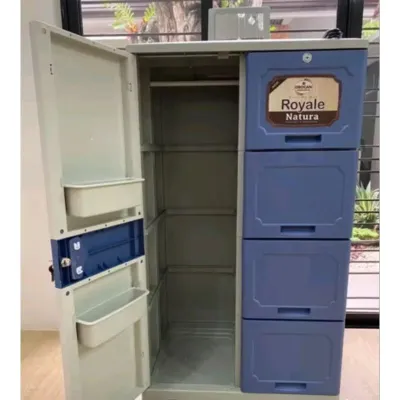
![[NEW ITEM] 6888 CDN ROYALE NATURA CONVENIENCE / ORGANISER / WARDROBE / DURABOX / OROCAN / LAGAYAN NG DAMIT](https://img.lazcdn.com/g/p/2c2794e53715ddb7d33ac11452b5fe6b.jpg_400x400q80.jpg_.webp)
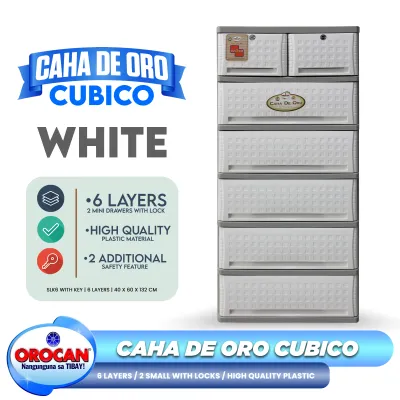
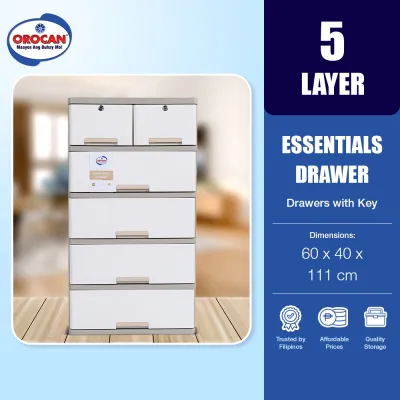
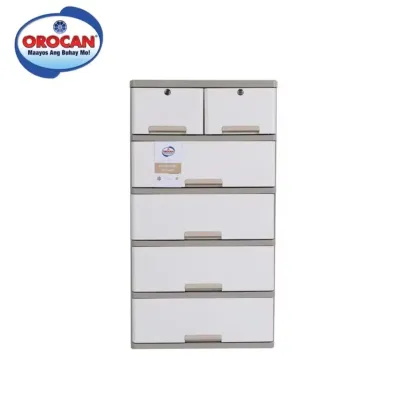
Prices are valid at publication and may change. Please refer to the product page for the latest price.
To find the right cabinet, you must weigh three primary decision factors. First, consider your available floor space and vertical clearance, ensuring the unit fits comfortably without blocking walkways. Second, audit your wardrobe to determine the ratio of hanging versus folded clothes, as this dictates whether you need deep drawers or a hanging rod. Finally, evaluate how you will manage indoor humidity, as sealed plastic environments require deliberate airflow strategies to keep fabrics fresh. Ultimately, the best cabinet is not a one-size-fits-all model; it is the one that aligns with your room’s dimensions and your daily dressing routine.
Assessing Your Bedroom Space and Wardrobe Requirements
Space and Clearance
Before browsing online marketplaces or visiting a local department store, you must take precise measurements of your bedroom. Start by measuring the available floor footprint where the cabinet will stand, ensuring you account for baseboards or wall outlets. Next, measure the vertical clearance from the floor to the ceiling, especially if you are considering a tall swing-door wardrobe. It is equally important to measure the width of your doorways, hallways, and stairwells. Since many plastic cabinets are delivered fully assembled or in large, semi-assembled panels, you must guarantee the unit can physically pass through these entry points to reach your bedroom.

Wardrobe Audit
An honest assessment of your clothing collection prevents storage frustration later on. Begin by categorizing your garments into items that must be folded and those that must be hung. Folded items, such as casual t-shirts, athletic wear, shorts, undergarments, and heavy denim jeans, are best suited for deep drawers or wide shelves where they can be stacked neatly. On the other hand, formal wear, delicate dresses, collared office shirts, and school uniforms require hanging to prevent deep creases and maintain their shape. If your wardrobe consists mostly of casual wear, a multi-drawer chest is highly efficient; if you wear formal or structured clothing daily, a unit with a sturdy hanging rod is non-negotiable.
Climate Considerations
The tropical climate of the Philippines presents unique challenges for fabric preservation. High humidity levels can trap moisture inside tightly sealed plastic enclosures, creating an environment where musty odors, mildew, and mold can thrive on natural fibers. While a tightly sealed cabinet is excellent for keeping out common household pests like cockroaches, ants, and silverfish, it can restrict air circulation. To protect your clothing investment, you must strike a balance between sealed protection and ventilation. Planning to use moisture-absorbing accessories or choosing a cabinet design that allows periodic airing out is a critical step in preserving your clothes.
Comparing Orocan Cabinet Types for Bedroom Storage
Plastic Drawer Cabinets (Chest of Drawers)
Multi-drawer plastic cabinets, often configured with four to six stacked drawers, are exceptionally popular for organizing folded clothing and daily accessories. This structural style is highly efficient for maximizing vertical storage space while maintaining a relatively small floor footprint.
- Best Use Case: These units excel at organizing everyday casual wear, including t-shirts, activewear, socks, undergarments, and folded jeans. They are also highly convenient for children's bedrooms, as the lower drawers are easily accessible to younger family members.
- What to Check: When evaluating a drawer cabinet, inspect the depth and width of the drawers to ensure they can accommodate bulkier items like bath towels or denim. Test the gliding mechanisms to verify that the drawers slide open and closed smoothly without sticking. Crucially, check if the drawers are equipped with internal safety stops; these stops prevent the entire drawer from pulling completely out of the frame and spilling its contents onto the floor.
- Limitations: Drawer units are entirely unsuitable for garments that must remain hung, such as suits, long dresses, or delicate linen trousers. Additionally, they can present a tipping hazard if heavy items are loaded exclusively into the top drawers while the bottom drawers remain empty. To maintain stability, always place heavier items like jeans and bedsheets at the bottom, reserving the top drawers for lighter accessories.
Swing-Door Plastic Wardrobes
Swing-door plastic wardrobes are designed to mimic the appearance and functionality of traditional wooden closets. They typically feature two tall doors that open outward, revealing a combination of internal shelves and a dedicated hanging section.
- Best Use Case: This style is ideal for bedrooms that require a versatile, all-in-one storage system. It is perfect for individuals who need to hang office attire, school uniforms, or dresses while still having dedicated shelf space for folded clothes and storage boxes.
- What to Check: Carefully examine the structural integrity of the internal hanging rod. Because plastic rods can bow or sag over time under heavy loads, look for reinforced designs or verify the manufacturer's specified weight limit. Additionally, inspect the door hinges and latches; high-quality wardrobes feature secure, magnetic, or snap-lock latches that keep the doors firmly shut, preventing dust and pests from entering.
- Limitations: Swing-door cabinets require significant clearance space in front of the unit to allow the doors to open fully, making them less suitable for extremely narrow bedrooms or tight walkways. Because of their height and elevated center of gravity, taller units are also more susceptible to instability if placed on uneven flooring, meaning they often require wall anchoring for absolute safety.
Modular and Stackable Storage Bins
Modular storage systems consist of individual plastic bins or interlocking cubbies that can be stacked vertically or arranged horizontally to fit unique room configurations. This type of storage offers unmatched flexibility for changing living situations.
- Best Use Case: Modular bins are excellent for small bedrooms, studio apartments, boarding houses, or dormitories where space is limited and temporary layouts are common. They are also highly effective for storing off-season clothing, extra bed linens, blankets, and towels that do not need to be accessed daily.
- What to Check: If you opt for stackable bins, verify that they feature secure interlocking lids or grooved tops that prevent the upper bins from sliding off the lower ones. Check the strength of the side latches or front-opening doors, ensuring they seal tightly. Look for clear or semi-transparent plastic designs if you want to identify the contents of each bin without having to open them individually.
- Limitations: The primary drawback of traditional stackable bins is accessibility; retrieving an item from the bottom bin requires unstacking all the units above it, which can become tedious for daily-wear items. Furthermore, modular bins lack the cohesive, polished aesthetic of a standalone wardrobe or drawer chest, making them feel more utilitarian than decorative.
Key Structural Features to Verify Before Buying
When choosing a plastic cabinet, paying close attention to specific physical details and manufacturer specifications ensures you invest in a unit that lasts for years. Do not rely solely on visual appeal; instead, systematically verify the following structural elements:
- Material Thickness and Weight Capacity: Before purchasing, check the manufacturer's product description or packaging for stated weight limits on individual shelves and hanging rods. Thicker plastic walls, reinforced corner joints, and molded structural ribs on the underside of shelves indicate a higher load-bearing capacity. This reinforcement is essential if you plan to store heavy textiles like denim, winter jackets, or thick cotton blankets, as thin plastic shelves can sag permanently under continuous weight.
- Sealing and Pest Control: In tropical environments, household pests such as cockroaches, silverfish, and ants can easily slip into small gaps and damage your clothing. Inspect the cabinet for tight-fitting doors, overlapping drawer lips, and secure latching mechanisms. A cabinet with minimal gaps between the drawers and the outer frame provides a much more effective barrier against pests, keeping your clean clothes hygienic and intact.
- Mobility and Stability: Consider whether you need a cabinet with castor wheels. Wheels make it incredibly easy to roll the cabinet away from the wall to sweep and mop underneath—a vital task for controlling dust mites in the Philippines. However, if the cabinet has wheels, you must verify that at least two of them feature reliable locking mechanisms to prevent the unit from rolling or shifting on smooth ceramic tile or polished concrete floors.
- Anchoring Options: Safety should always be a priority, particularly in households with active children or pets. Tall swing-door wardrobes can become unstable if doors are pulled hard or if a child attempts to climb the shelves. Check if the cabinet package includes anti-tip hardware, anchoring straps, or pre-drilled holes on the back panel, allowing you to secure the unit firmly to your bedroom wall.
Maintaining Plastic Cabinets in Tropical Climates
To prolong the lifespan of your plastic cabinet and ensure the clothes stored inside remain in pristine condition, you must establish a regular maintenance routine adapted to tropical conditions.
- Cleaning Routines: Every few months, take the time to completely empty your cabinet for a thorough cleaning. Wipe down both the interior and exterior surfaces using a soft microfiber cloth dampened with a mild soapy solution (such as warm water mixed with a few drops of dishwashing liquid). Avoid using harsh chemical solvents, highly concentrated bleach, or abrasive scrubbing pads, as these can scratch the plastic, strip away its protective finish, and make the surface more prone to attracting dust.
- Preventing UV Degradation: Prolonged exposure to direct sunlight is one of the primary causes of plastic degradation. Ultraviolet (UV) rays break down the chemical bonds in plastic, causing it to become brittle, crack, and lose its color vibrancy over time. When planning your bedroom layout, position your cabinet away from unshaded windows or glass doors where harsh afternoon sunlight streams in. Using thick curtains or window films can also help shield your furniture from UV damage.
- Internal Moisture Control: Because plastic does not breathe, managing internal humidity is vital to prevent musty smells and mildew growth on your clothes. Place commercial moisture absorbers, hanging dehumidifier bags, activated charcoal sachets, or large silica gel packs in the corners of your shelves or inside your drawers. These products draw excess moisture out of the air, protecting your fabrics. Remember to inspect these absorbers once a month and replace them promptly according to their packaging instructions once they are saturated.
Frequently Asked Questions (FAQ)
Are plastic cabinets safe for storing delicate fabrics like silk or wool?
Yes, plastic cabinets are safe for delicate fabrics, provided you manage the internal microclimate. While the plastic material itself will not chemically damage silk, wool, or fine cotton, these natural fibers are highly sensitive to trapped moisture. If stored in a completely sealed, humid plastic environment, they can easily develop mold or musty odors. To protect your delicates, place them inside breathable cotton garment bags before putting them in the cabinet, and always keep a fresh moisture absorber or silica gel pack nearby to maintain a dry environment.
How do I remove a musty smell from a plastic wardrobe?
To remove a persistent musty odor, start by completely emptying the cabinet. Mix equal parts of water and white vinegar in a spray bottle, or dissolve two tablespoons of baking soda in warm water. Lightly spray or wipe down the entire interior surface with a soft cloth, paying close attention to corners and drawer tracks. Leave the cabinet doors and drawers wide open in a well-ventilated, shaded area—such as a room with an active fan or open window—and allow it to air out completely for 24 to 48 hours before reloading your clothes. Avoid using strong chemical air fresheners, as they only mask the odor and can transfer synthetic scents to your garments.
Can plastic hanging rods support heavy winter jackets or multiple denim jeans?
Plastic hanging rods generally have a much lower weight tolerance than metal or solid wood alternatives. If you load a plastic rod with several heavy denim jeans, thick winter coats, or heavy suits, it will likely bow, sag, or eventually snap at the joint connections. Always check the manufacturer’s specific weight limit for the hanging section. To prevent damage, use the hanging rod exclusively for lighter garments like shirts, blouses, and light uniforms. For heavy outerwear or multiple pairs of jeans, fold them neatly and store them on the lower shelves or in the bottom drawers, where the weight is distributed evenly across a solid base.
Community discussion
Share your experience or ask a question. Comments are reviewed before publication.