
Selecting the right outdoor bar tables for a patio, balcony, or garden in the Philippines requires balancing style with long-term weather resistance. The local climate—characterized by relentless humidity, torrential monsoon rains, and intense tropical sun—creates a highly corrosive environment for outdoor furniture. To ensure your investment survives these harsh elements without warping, rusting, or rotting, you must prioritize materials engineered to withstand high moisture levels and UV exposure. Powder-coated aluminum, high-grade kiln-dried teak, and high-density polyethylene (HDPE) synthetic wicker represent the most reliable choices for tropical outdoor spaces.
Evaluating materials based on their chemical and structural properties, rather than relying on generic marketing claims, is the key to making a lasting purchase. By focusing on how specific materials interact with moisture and heat, you can select a bar table that remains stable, safe, and attractive through years of wet and dry seasons.
How Tropical Weather Affects Outdoor Bar Tables
High relative humidity, which frequently exceeds 80% in the Philippines, creates a persistent film of moisture on outdoor surfaces. This atmospheric moisture accelerates the oxidation of vulnerable metals and provides an ideal breeding ground for mold, mildew, and fungal spores. When heavy monsoon rains hit, water can pool on flat surfaces, quickly seeping into unsealed joints and causing wood fibers to swell, rot, and split.
Products mentioned in this guide
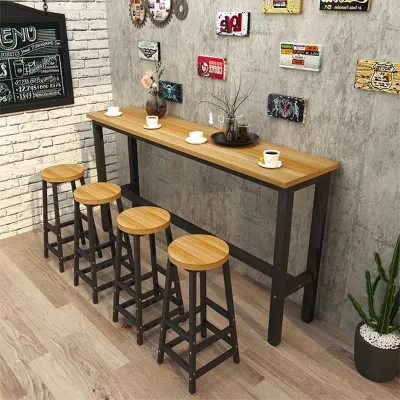
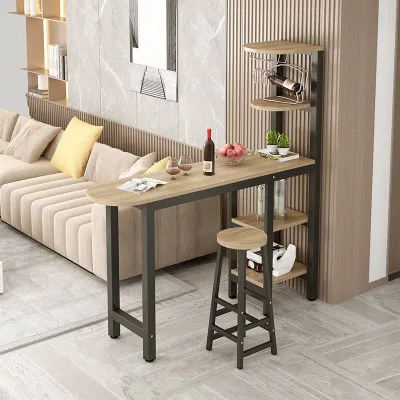
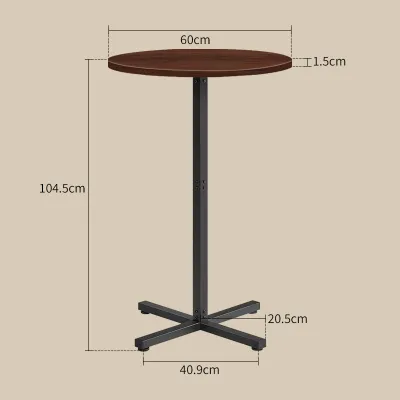
Prices are valid at publication and may change. Please refer to the product page for the latest price.
Intense ultraviolet (UV) radiation during the dry season poses another major threat to outdoor furniture. Constant exposure to solar radiation degrades polymers, causing low-grade plastics to become brittle, crack, and fade in color. For wooden furniture, UV rays break down lignin, the natural binding agent in wood fibers, leading to surface degradation and structural weakening over time.
Bar tables present unique structural challenges due to their elevated design. With a standard height of 40 to 42 inches, these tables have a higher center of gravity than standard dining tables, making them highly susceptible to tipping during strong winds and tropical storms. Furthermore, their elevated footrests, stretchers, and complex joints create numerous crevices where water can easily become trapped, accelerating internal corrosion or rot if the table is not properly engineered.
Top Material Choices for Humid and Rainy Conditions
When shopping for outdoor bar tables, selecting the right material category is the most critical decision. Each material offers distinct structural characteristics, aesthetic qualities, and maintenance requirements that dictate how well it will perform under tropical conditions.

Aluminum and Powder-Coated Metals
Cast and extruded aluminum are highly recommended metals for humid environments. Unlike iron or steel, aluminum naturally forms a microscopic oxide layer on its surface when exposed to air, which prevents deep structural rust. This makes aluminum exceptionally resilient against the constant moisture and salt air found in coastal regions of the Philippines.
To ensure maximum durability, verify that the aluminum frame has a thick, electrostatically applied powder-coated finish. This process bakes a protective polymer skin onto the metal, offering superior resistance to scratches, chipping, and UV fading compared to standard wet paint. When inspecting a table, check that all connecting hardware, such as screws, bolts, and brackets, is made of 304 or 316 stainless steel or galvanized metal; cheap carbon steel fasteners will rust rapidly, leaving ugly orange stains and compromising the table’s stability.
Teak and Tropical Hardwoods
Premium hardwoods, with teak (Tectona grandis) being the gold standard, possess natural properties that make them highly suitable for wet climates. Teak wood contains a high concentration of natural oils and rubber within its tight grain. These organic compounds act as a built-in water barrier, protecting the timber from rot, fungal decay, and wood-boring insects.
Before purchasing a wooden bar table, always check the manufacturer’s specifications to confirm that the timber is “kiln-dried” rather than air-dried. Kiln-drying carefully reduces the wood’s internal moisture content to a stable level, typically between 8% and 12%, which minimizes the risk of warping, bowing, or splitting when the furniture is exposed to dramatic shifts in humidity. Be aware that natural wood is not maintenance-free; untreated teak will gradually transition to a silvery-gray patina under the sun, requiring periodic oiling or sealing if you wish to retain its original golden-brown luster.
High-Density Polyethylene (HDPE) and Synthetic Wicker
High-Density Polyethylene (HDPE) is a premium synthetic polymer that is completely non-porous. Because it cannot absorb moisture, HDPE furniture will never swell, rot, or support mold growth, even when left exposed to consecutive weeks of heavy monsoon rain. It is also highly resistant to chlorine and salt water, making it excellent for poolside bar areas.
If you prefer the classic look of woven furniture, ensure the synthetic wicker is made from genuine HDPE or high-grade polyurethane, rather than natural rattan, bamboo, or seagrass. Natural fibers absorb moisture rapidly in tropical climates, leading to rapid rotting, structural sagging, and pest infestations. Additionally, you must verify that the outer synthetic weave is wrapped around a rust-proof powder-coated aluminum frame, as a hidden steel frame will corrode internally and cause the table to collapse.
Materials to Avoid or Use with Caution
To avoid premature furniture failure, steer clear of untreated wrought iron and standard carbon steel. While these metals are heavy and stable in high winds, they rust rapidly when exposed to high humidity and rain, requiring constant repainting and rust-treatment maintenance to survive.
Engineered wood products, such as Medium-Density Fiberboard (MDF), particleboard, and cheap plywood, must be avoided entirely for outdoor use. Even when finished with water-resistant laminates or veneers, these materials rely on glues and compressed wood fibers that swell, warp, and disintegrate the moment moisture penetrates the outer seams. Similarly, natural untreated bamboo and softwoods like pine will quickly succumb to rot and wood-boring insects in tropical environments.
Be highly skeptical of vague marketing labels such as “weather-resistant” or “suitable for outdoor use.” These terms lack standardized technical definitions and are often applied to low-grade materials that deteriorate within a single season. Instead, look for explicit material specifications, such as “UV-stabilized polymers,” “marine-grade stainless steel,” or “FSC-certified kiln-dried teak.”
If you choose a bar table with a glass top, ensure it features tempered safety glass to withstand accidental impacts. The glass panel must be secured with heavy-duty, non-slip silicone mounting pads or embedded deeply within a protective metal frame to prevent wind from lifting or shifting the glass during severe weather.
Key Specifications and Features to Verify Before Buying
Beyond basic material selection, you must inspect the physical design and construction details of a bar table to ensure it can handle the practical demands of outdoor use.
- Tabletop Drainage: Look for tabletops designed with slats, mesh patterns, or integrated drainage holes. Solid, completely flat tabletops allow rainwater to pool, which degrades surface finishes and creates breeding grounds for mosquitoes.
- Base Stability and Leveling: Because bar tables are tall, they are prone to wobbling on uneven outdoor surfaces like stone patios or wooden decks. Choose tables with wide, heavy bases or those equipped with adjustable, non-slip leveling feet to ensure stability.
- Joint Construction: Examine the joinery closely. For metal tables, fully welded joints provide superior strength and prevent water from entering the hollow frame tubes. For wooden tables, traditional mortise-and-tenon joints secured with waterproof marine-grade adhesive offer much better durability than simple screw-together joints.
- Dimensions and Access: Measure your outdoor space carefully, allowing at least 90 to 120 centimeters of clearance around the table for comfortable movement and bar stool placement. Additionally, verify that the table's dimensions allow it to fit through your doorways, gates, or condominium service elevators during delivery.
- Price and Quality Indicators: High-quality, weather-resistant bar tables represent a significant investment. While budget-friendly steel or plastic-coated options may cost under ₱5,000, premium powder-coated aluminum or kiln-dried teak bar tables typically range from ₱15,000 to over ₱50,000, reflecting their superior durability and construction.
Seasonal Maintenance and Care for Longevity
Implementing a regular maintenance routine tailored to the local wet and dry seasons will significantly extend the lifespan of your outdoor bar table, regardless of the material you choose.
During the wet season, perform weekly inspections of your furniture. Wipe down the table surfaces regularly to remove standing water, fallen leaves, and organic debris, which can trap moisture and cause mold spores to settle. Ensure that all built-in drainage holes remain clear of dirt and leaves. If you use furniture covers, select high-quality, breathable covers equipped with built-in mesh vents; avoid cheap, non-breathable plastic tarps, which trap rising ground moisture and create a humid greenhouse effect that accelerates rust and wood rot.
As the weather transitions to the hot dry season, give your bar table a thorough deep cleaning. Use a soft-bristled brush and a mild solution of soapy water, always verifying the manufacturer’s approved cleaning agents first to avoid stripping protective coatings. Inspect the entire frame for any hairline cracks in the powder coating or wood sealant, and apply touch-up paint or sealer as recommended by the manufacturer. Finally, check and tighten all connecting hardware, as temperature fluctuations can cause materials to expand and contract, gradually loosening screws and bolts.
Frequently Asked Questions (FAQ)
Do I need to cover my outdoor bar table during the monsoon season?
While high-quality materials like powder-coated aluminum and HDPE can withstand heavy rain, using a breathable, fitted outdoor cover during the monsoon season is highly recommended. A cover protects the table’s finish from organic debris, acid rain, and bird droppings, which reduces the frequency of deep cleanings. Always avoid non-breathable plastic covers, as they trap condensation and humidity underneath, creating an environment that promotes mold growth and hardware corrosion.
Can I leave my teak bar table outside all year round?
Yes, high-quality, kiln-dried teak bar tables can remain outdoors year-round due to the wood’s high natural oil content. However, constant exposure to the tropical sun and rain will cause the wood to undergo a natural oxidation process, turning its golden-brown color into a distinguished silvery-gray patina. This color change is purely cosmetic and does not affect the structural integrity of the wood. If you prefer to maintain the original golden color, you must apply a specialized teak sealer or protector annually after a thorough cleaning.
Community discussion
Share your experience or ask a question. Comments are reviewed before publication.