
Selecting the right outdoor tables for a home in the Philippines requires balancing aesthetic appeal with extreme weather resilience. During the prolonged wet season, outdoor furniture faces relentless downpours, high humidity, and sudden shifts to intense tropical sunlight. To withstand these conditions without warping, rusting, or rotting, the most reliable materials include powder-coated aluminum, high-density polyethylene (HDPE) synthetic wicker, and dense, oil-rich hardwoods like teak or shorea. However, material choice is only the first step; the longevity of your table depends heavily on construction details, joint integrity, and proactive maintenance. Understanding how these materials interact with moisture will help you make an investment that remains durable and attractive year after year.
Understanding Rainy Season Challenges for Outdoor Furniture
The Philippine rainy season brings a unique combination of environmental stressors that can rapidly degrade substandard outdoor furniture. High relative humidity creates an ideal breeding ground for mold, mildew, and fungal spores, which feed on organic matter and settle on damp surfaces. When wooden tables lack natural oils or proper protective sealants, water penetrates the grain, causing the fibers to swell, warp, and eventually rot. This constant cycle of wetting and drying weakens the structural integrity of the wood, leading to splits and loose joints.
For metal furniture, the primary threat is oxidation. Rainwater, especially when combined with coastal salt air or urban pollutants, acts as an electrolyte that accelerates rust on untreated iron and steel. Once rust begins, it expands and flakes away the metal, compromising both the table’s appearance and its load capacity. Furthermore, the transition from heavy downpours to intense, direct sunlight creates thermal shock and UV degradation. This combination can crack low-quality plastics, peel standard paint finishes, and trap moisture beneath protective coatings, accelerating the decay of the underlying material.
Products mentioned in this guide
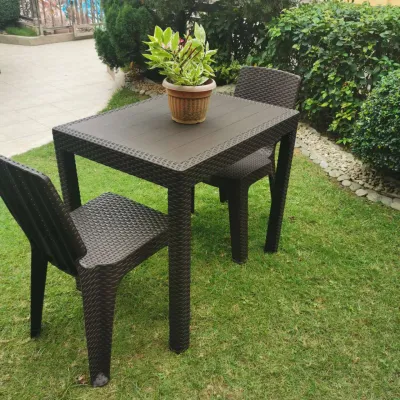
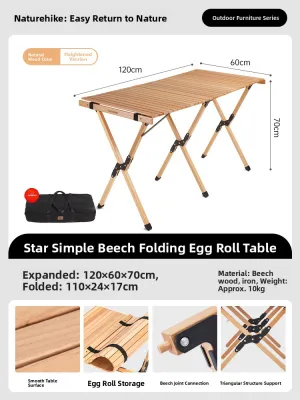
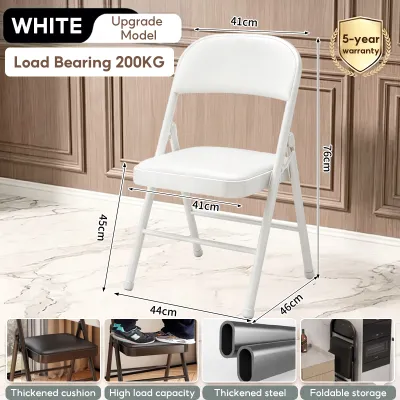
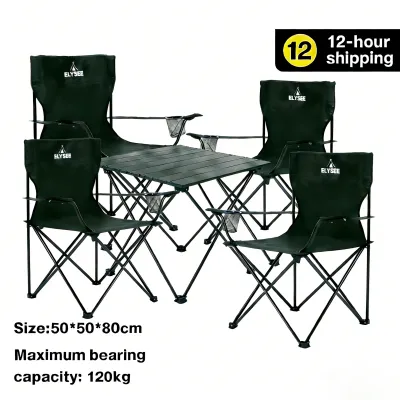
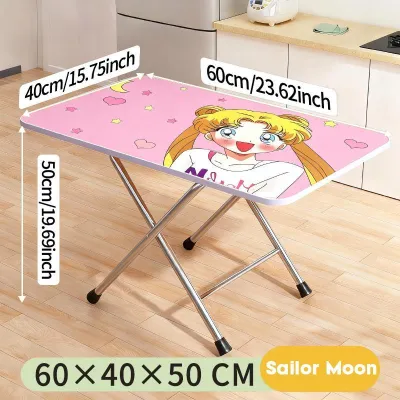
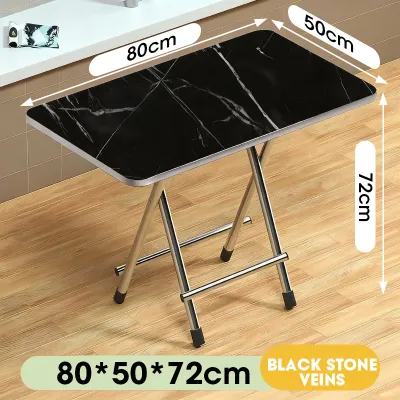
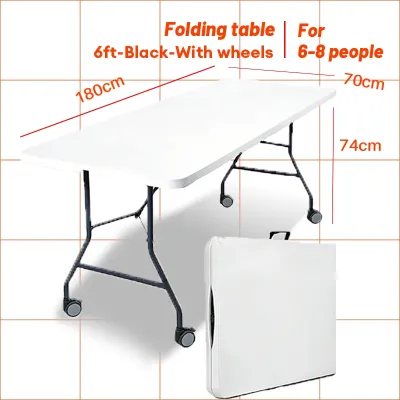
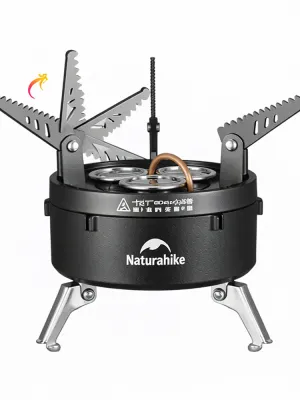
Prices are valid at publication and may change. Please refer to the product page for the latest price.
Evaluating Common Outdoor Table Materials
When shopping for outdoor tables, it is essential to distinguish between a material’s inherent properties and any applied surface treatments. Some materials possess natural resistance to water and pests, while others rely entirely on synthetic barriers to keep moisture out. Relying solely on a surface finish means that a single scratch or chip can expose the vulnerable core to water damage. Therefore, evaluating how a material performs when its outer coating is compromised is a critical step in assessing long-term durability.

Your willingness to perform regular upkeep should also guide your material selection. Some high-performance materials require virtually zero maintenance beyond an occasional rinse, while others demand annual sealing, oiling, or specialized cleaning to retain their structural integrity and color. Balancing your aesthetic preferences with a realistic maintenance schedule ensures that your outdoor table remains a functional asset rather than a burdensome chore during the wettest months of the year.
Metal Options: Aluminum and Steel
Metal outdoor tables offer excellent stability and modern design, but their performance in wet weather depends heavily on the specific metal used and its surface treatment. Aluminum is highly recommended for rainy climates because it naturally forms a protective oxide layer, making it inherently rust-resistant. When choosing aluminum, look for powder-coated finishes rather than standard liquid paint. Powder coating involves electrostatically applying a dry powder that is cured under heat to create a thick, continuous, and highly durable barrier against moisture and scratches.
Steel, while heavier and often more budget-friendly, is highly susceptible to rust if left untreated. If you prefer the weight and presence of steel, verify that the frame has been hot-dip galvanized or treated with a zinc-rich primer before the final powder coat is applied. Additionally, inspect the physical construction of the table. High-quality metal tables feature fully welded joints rather than simple bolted connections, which can allow water to seep into the frame. For hollow tube designs, check the underside of the legs and frame for pre-drilled water drainage holes; without these, trapped condensation can rust the metal from the inside out.
Wood and Synthetic Alternatives
Wooden outdoor tables bring natural warmth to a patio, but they require careful selection to survive tropical wet seasons. Dense hardwoods, such as teak, shorea, and ipe, are the gold standard for wooden outdoor furniture because they contain high concentrations of natural oils and rubber. These organic compounds act as a built-in water repellent, resisting rot, decay, and wood-boring insects even when exposed to standing water. When purchasing hardwood tables, check the manufacturer’s care instructions to determine if they require periodic oiling or if they can be left to weather naturally to a silvery-grey patina.
For those seeking the look of wood without the maintenance, synthetic lumber—often made from recycled high-density polyethylene (HDPE)—offers complete moisture immunity. Synthetic wood does not absorb water, meaning it will never warp, rot, splinter, or support mold growth. However, because synthetic lumber can be flexible, verify that the table features a robust internal support structure, such as an aluminum sub-frame, to prevent sagging under heavy loads. Regardless of whether you choose natural wood or a synthetic alternative, prioritize slatted tabletop designs. Slats allow rainwater to drain freely between the planks, preventing water from pooling on the surface and causing localized damage.
Wicker and Rattan Styles
Wicker-style outdoor tables are popular for their casual, textured appearance, but traditional natural rattan is highly vulnerable to the Philippine rainy season. Natural rattan is porous and absorbs moisture rapidly, leading to mold, mildew, and structural softening within a single wet season. For outdoor use, always select synthetic wicker made from high-density polyethylene (HDPE) resin. HDPE is a non-porous, UV-resistant polymer that mimics the look of natural fiber while remaining completely impervious to water, chlorine, and humidity.
The durability of a synthetic wicker table also depends on what lies beneath the weave. Always verify that the internal frame is constructed from rust-proof, powder-coated aluminum rather than cheap, untreated steel. A rusting steel frame will eventually weaken, stain your patio tiles with orange rust streaks, and cause the synthetic weave to sag or unravel. Finally, inspect the tightness and consistency of the weave. A tight, professional weave prevents water and organic debris from getting trapped in the crevices, making the table much easier to clean and dry after a heavy downpour.
Key Design and Construction Features to Verify
Beyond selecting the right raw materials, you must inspect the physical design and assembly details of an outdoor table to ensure it can handle heavy rain. The tabletop design is the first line of defense against water accumulation. Solid, flat surfaces without drainage holes allow water to pool, which accelerates the breakdown of protective finishes and encourages algae growth. Opt for tabletops with slatted, perforated, or mesh patterns that allow rainwater to pass through immediately, keeping the surface dry and reducing the wind resistance of the table during stormy weather.
Next, examine the bottom of the table legs. High-quality outdoor tables are equipped with adjustable, non-porous foot caps made of heavy-duty plastic or rubber. These caps serve two critical purposes: they prevent the table legs from sitting directly in puddles, which stops ground moisture from wicking up into the material, and they protect your patio tiles or wooden decking from scratches when the table is moved. Adjustable feet also allow you to level the table on uneven outdoor surfaces, ensuring stability and preventing water from pooling unevenly on the tabletop.
Finally, pay close attention to the assembly hardware. Even a table made of the finest teak or aluminum can fail if the screws, bolts, and washers holding it together rust. Verify that all hardware is made of marine-grade stainless steel or has been treated with a highly corrosion-resistant coating. Low-quality hardware will quickly rust in humid conditions, leaving unsightly orange streaks down the legs of your table and making future disassembly or tightening impossible. If the table requires assembly, ensure that the connection points are reinforced with threaded metal inserts rather than wood screws driven directly into the material.
Maintenance Routines for Prolonged Wet Weather
No matter how weather-resistant your outdoor table is, a consistent maintenance routine is essential to maximize its lifespan during the wet season. The most critical task is regular cleaning to remove organic debris, such as fallen leaves, pollen, and dust. When left on a damp table, this debris creates a nutrient-rich layer that traps moisture and fosters the growth of mold and mildew. A simple wash with a soft brush, mild dish soap, and clean water is usually sufficient to keep synthetic wicker, aluminum, and finished wood tables clean. Avoid using high-pressure washers, as the intense force can strip away protective powder coatings, splinter wood fibers, and damage synthetic weaves.
Using protective covers is highly recommended when the table is not in use for extended periods, but you must choose the right type of cover. Cheap, non-breathable plastic tarps can trap humidity and condensation underneath, creating a hot, damp greenhouse effect that accelerates mold growth and wood rot. Instead, invest in high-quality, breathable, waterproof covers equipped with ventilation flaps. These covers keep direct rain off the table while allowing trapped moisture and air to escape. Ensure the cover is securely fastened to the table legs so it does not blow away during sudden gusts of wind.
During periods of continuous, torrential rain or when typhoons are active, the best practice is to temporarily relocate your outdoor table. If you have a covered patio, lanai, or garage, moving the table under shelter will significantly reduce its exposure to moisture and wind. If moving the table indoors is not possible due to space constraints, elevate the legs slightly off the wet ground using rubber risers or wooden blocks. This prevents the feet from standing in constant puddles and improves airflow beneath the furniture, helping it dry more quickly once the rain stops.
Frequently Asked Questions (FAQ)
Can I leave my outdoor table outside during a typhoon?
It is highly discouraged to leave any outdoor table completely exposed during a typhoon, regardless of its material. While heavy wrought iron or solid hardwood tables might resist being blown away, flying debris can severely chip powder coatings, crack synthetic wood, or shatter glass tops. Lightweight tables, such as those made of aluminum or synthetic wicker, can easily become airborne in high winds, posing a serious safety hazard to your home and windows. If you cannot bring the table indoors, collapse it if possible, lay it flat on its side next to a structural wall, and secure it firmly to a heavy anchor point using heavy-duty straps.
How do I safely remove mold from an outdoor table?
To safely remove mold without damaging your table’s finish, start with the mildest cleaning solution possible. For synthetic wicker, aluminum, and sealed wood, mix a few drops of mild dish soap or white vinegar with warm water. Gently scrub the affected areas using a soft-bristled brush or a microfiber cloth, avoiding abrasive scrubbing pads that can scratch the surface. Rinse the table thoroughly with clean water and wipe it dry with a clean towel. Always check the manufacturer’s care label before applying any cleaning solution, and ensure the table dries completely in a well-ventilated area to prevent the mold from returning.
Community discussion
Share your experience or ask a question. Comments are reviewed before publication.