
When setting up a productive home learning space, protecting furniture from the inevitable chaos of schoolwork, crafts, and snacks is a top priority for parents. A high-quality cover for chair plastic protection offers the most reliable defense against stubborn stains, liquid spills, and early wear. Unlike adult workspaces, a child’s study corner is a high-traffic zone where watercolor paints, oil-based ballpoint pens, sticky juice boxes, and crumbs are daily occurrences. Investing in a dedicated barrier preserves the underlying chair fabric or foam, extending the lifespan of the furniture through years of academic and creative projects.
Choosing the right cover requires balancing physical protection with daily comfort. In tropical climates like the Philippines, where high humidity and warm temperatures are the norm, a poorly chosen plastic cover can quickly become sticky, hot, and uncomfortable for a child during long study sessions. By understanding the distinct types of plastic materials, evaluating key safety and design features, and learning how to secure the cover properly, you can create a clean, comfortable, and highly durable study environment that supports your child’s concentration.
Why Plastic is the Best Barrier for Kids' Study Chairs
Fabric chair covers, even those treated with temporary water-resistant coatings, eventually succumb to pressure. When a child spills juice, milk, or water-based paint and continues to sit on the damp spot, the pressure of their body weight forces the liquid through the fabric pores and deep into the chair’s foam cushioning. Once moisture penetrates the foam, it becomes incredibly difficult to extract, creating a breeding ground for dust mites, bacteria, and mold. Plastic, by contrast, is completely non-porous and impermeable, ensuring that liquids remain on the surface where they can be easily wiped away before causing permanent damage.
Products mentioned in this guide
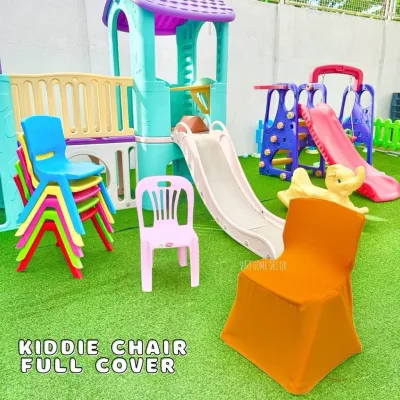
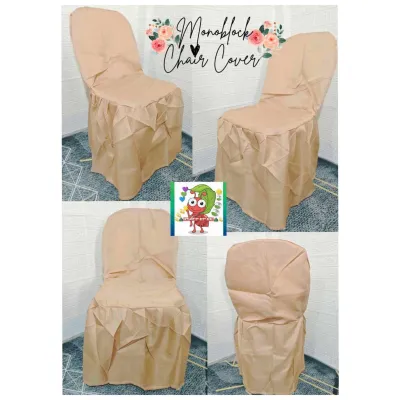
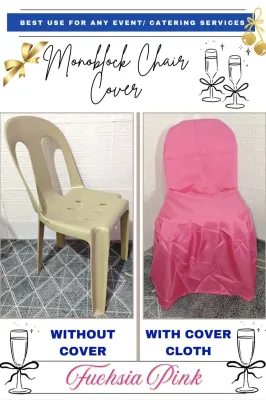
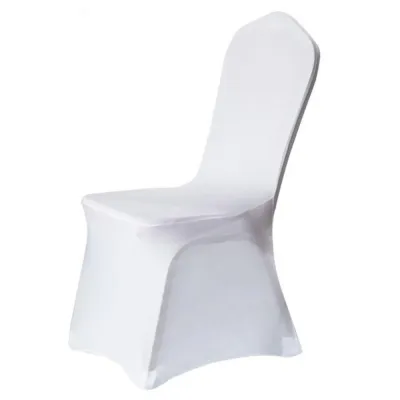
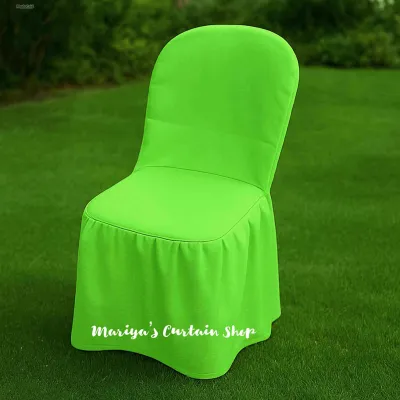
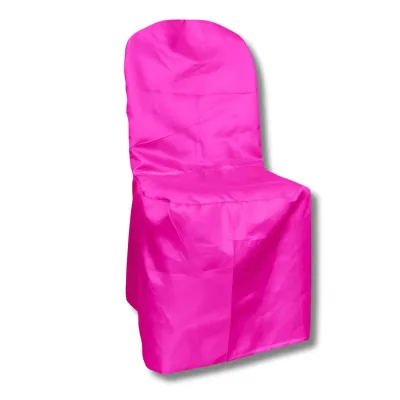
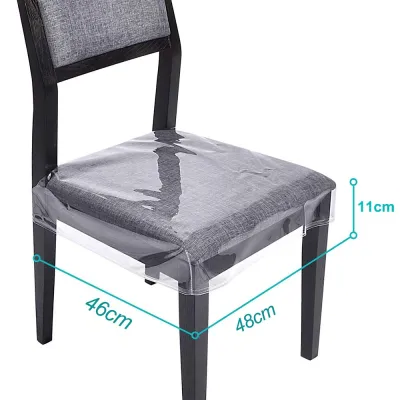
Prices are valid at publication and may change. Please refer to the product page for the latest price.
Beyond liquid spills, a child’s study environment presents unique wear-and-tear challenges that fabric cannot withstand. Pencil lead, colored markers, oil pastels, and adhesive glue can permanently discolor woven textiles. Sharp objects like safety scissors, compasses, and the metal spiral bindings of notebooks can easily snag or tear fabric threads. A durable plastic barrier acts as a physical shield, absorbing the friction of daily movement and preventing sharp tools from puncturing the chair’s original upholstery.
Despite these protective benefits, plastic covers have inherent limitations that parents must manage. Because plastic is non-breathable, it restricts airflow between the child’s body and the chair seat, which can lead to sweating and discomfort during warm afternoons. Additionally, smooth plastic surfaces can be slippery. If a cover is not properly anchored or lacks built-in securing mechanisms, the child may slide forward while writing or typing, which negatively impacts their sitting posture and focus. Understanding these trade-offs allows you to take proactive steps, such as choosing textured plastics or adding breathable layers, to optimize both protection and comfort.
Key Features to Evaluate in a Plastic Chair Cover
Material Composition and Thickness
Not all plastics are engineered equally. The three most common materials used for protective furniture covers are Polyvinyl Chloride (PVC), Polyethylene-Vinyl Acetate (PEVA), and Thermoplastic Polyurethane (TPU). Each material offers a different balance of durability, flexibility, and feel:

- PVC (Polyvinyl Chloride): This is the most traditional, heavy-duty option. It is highly transparent, exceptionally resistant to punctures, and very affordable. However, PVC is relatively stiff, especially when cold, and can produce a noticeable rustling noise when the child moves.
- PEVA (Polyethylene-Vinyl Acetate): A chlorine-free alternative to PVC, PEVA is softer, more flexible, and lighter. It offers excellent waterproofing and has a less plastic-like feel, though it is slightly less resistant to sharp punctures than heavy-duty PVC.
- TPU (Thermoplastic Polyurethane): Often considered a premium choice, TPU combines the durability of PVC with the extreme flexibility of rubber. It is highly resistant to scratches, tears, and oils, and it remains soft and quiet even in air-conditioned rooms.
When evaluating durability, check the thickness of the cover, which is typically measured in millimeters or mils (one-thousandth of an inch). For a kids’ study chair, look for a thickness between 0.15mm and 0.3mm (approximately 6 to 12 mils). Covers thinner than 0.15mm are prone to tearing at the seams under the stress of daily sitting, while covers thicker than 0.3mm can be overly rigid, uncomfortable, and difficult to fold over contoured chair edges.
Safety and Odor
Because children spend hours in close contact with their study chairs, material safety is paramount. Cheap, low-quality plastic covers often contain high levels of volatile organic compounds (VOCs) and phthalates, which are chemical plasticizers used to make PVC flexible. These chemicals can emit a strong, unpleasant chemical odor—often referred to as off-gassing—which can trigger headaches or respiratory irritation in sensitive children. Always look for covers explicitly labeled as non-toxic, lead-free, BPA-free, and phthalate-free.
Even high-quality, safe plastic covers may have a mild manufacturing scent when first unpacked. To ensure a healthy indoor air environment, do not install a new cover immediately. Instead, hang the cover in a well-ventilated outdoor area, such as a covered balcony, carport, or service area, for 24 to 48 hours. Avoid leaving the plastic in direct, intense afternoon sunlight, as extreme heat can warp the material or cause it to degrade prematurely.
Anti-Slip and Securing Mechanisms
An unsecured plastic cover is a safety hazard. If the cover shifts or slides every time your child stands up or sits down, it can destabilize the chair, increasing the risk of slips or falls, particularly on rolling ergonomic chairs. Look for design features that actively anchor the cover to the chair frame:
- Elasticized Hems: A continuous elastic band running along the bottom edge of the cover allows it to grip the underside of the seat cushion tightly, preventing the corners from popping off.
- Adjustable Under-Seat Straps: Heavy-duty straps with quick-release buckles allow you to pull the cover taut and secure it beneath the seat pan, ensuring a customized, slip-free fit.
- Textured Backing: Some premium plastic covers feature a textured, matte, or dotted underside that increases friction against fabric upholstery, stopping the cover from sliding laterally.
Seam Construction
How the pieces of a plastic cover are joined together determines its ultimate water resistance. Standard covers are often put together using traditional stitched seams. While functional, stitching creates thousands of microscopic needle holes along the seams. If a large cup of water or juice is spilled, the liquid can travel along the seams and slowly seep through these needle holes, reaching the chair upholstery underneath. For absolute liquid protection, prioritize covers with heat-welded or high-frequency sealed seams, which fuse the plastic sheets together into a single, continuous, leak-proof barrier.
Top Types of Plastic Chair Covers for Study Chairs
To help you determine the best option for your child’s specific desk setup, the table below compares the three primary types of plastic protectors across key performance dimensions:
| Cover Type | Fit Flexibility | Ease of Cleaning | Durability | Ideal Chair Shape |
|---|---|---|---|---|
| Clear PVC Slipcovers | Moderate (Draped fit) | Excellent (Wipe clean) | High (Puncture-resistant) | Standard square or rectangular wooden/plastic chairs |
| Stretchy Waterproof Blends | High (Contoured fit) | Moderate (Machine washable) | Moderate (Fabric surface) | Ergonomic, curved, or padded office-style study chairs |
| Hard Polycarbonate Shields | Low (Rigid flat panel) | Excellent (Scrubbable) | Very High (Rigid plastic) | Flat wooden, metal, or plastic seat pans |
Clear PVC Slipcovers
Clear PVC slipcovers are the classic choice for parents who want absolute, heavy-duty protection without hiding the aesthetic of the study chair. If you have purchased a colorful, themed, or pastel-toned ergonomic chair for your child’s study corner, a transparent cover allows the original design and color to remain fully visible. These covers act like a protective raincoat, draping over the backrest and seat cushion to seal out dirt, dust, and liquids entirely.
However, clear PVC does have physical drawbacks. The material is inherently stiff, which means it can arrive with heavy creases from packaging that take time to flatten out. It also produces a distinct rustling sound whenever the child shifts weight, which can be distracting during quiet study or reading sessions. Because the surface is completely smooth and non-porous, it can feel sticky against bare skin in warm weather. Clear PVC slipcovers are best suited for standard, boxy study chairs where a slightly loose, draped fit is acceptable and maximum liquid defense is required.
Stretchy Waterproof Plastic-Blend Covers
For modern, highly contoured ergonomic study chairs, a rigid or loose plastic cover rarely fits correctly. In these scenarios, stretchy waterproof plastic-blend covers offer an excellent solution. These covers feature a multi-layer design: a soft, highly elastic outer fabric (usually a polyester-spandex blend) bonded to a thin, flexible internal waterproof layer made of TPU or polyurethane laminate (PUL). This structure allows the cover to stretch tightly over complex curves, providing a clean, custom-tailored appearance.
Because the outer layer is fabric, these covers offer a much quieter, softer, and more comfortable sitting experience than pure PVC. They do not stick to bare skin and do not rustle when the child moves. The trade-off is that the outer fabric layer will absorb spills, meaning you will need to remove and wash the cover periodically, even though the internal waterproof layer completely protects the chair cushion underneath. When purchasing, always verify that the waterproof backing extends fully across both the seat and the backrest areas without any gaps in the laminate.
Hard Acrylic or Polycarbonate Seat Shields
If your child’s study chair has a completely flat seat pan—such as a traditional wooden chair, a metal folding chair, or a basic plastic stool—a rigid seat shield is a highly durable option. Made from thin, flat sheets of impact-resistant acrylic or polycarbonate, these protectors are designed to sit directly on top of the seat cushion or wooden surface. They provide an incredibly tough barrier that is completely immune to pen punctures, deep scratches, and heavy paint spills.
Cleaning a rigid shield is exceptionally easy, as you can scrub the flat surface vigorously with household cleaners without any risk of tearing or stretching the material. However, these shields only protect the flat horizontal seat surface, leaving the backrest, armrests, and sides of the chair completely exposed to airborne paint splatters or dirty hands. They are also unsuitable for contoured, molded plastic chairs or plush, rounded fabric cushions, as a rigid plate will slide, tilt, or wobble on a curved surface, creating an unstable and uncomfortable seating platform for the child.
How to Measure and Fit a Cover for Chair Plastic
Measuring the Chair
Before purchasing any cover, taking precise measurements of your child’s study chair is essential to ensure a secure fit. A cover that is too tight can strain the seams and rip prematurely, while a cover that is too loose will slide around, bunch up, and create a messy appearance. Use a flexible sewing tape measure and record the following dimensions:
- Seat Width: Measure the widest part of the seat cushion from the left edge to the right edge.
- Seat Depth: Measure from the very front edge of the seat cushion to the base where it meets the backrest.
- Backrest Height: Measure from the top of the seat cushion to the very top edge of the backrest.
- Backrest Width: Measure across the widest part of the backrest.
- Cushion Thickness: Measure the vertical depth of the seat cushion to ensure the cover's elastic or sides can wrap completely underneath.
- Armrest Clearance: If the chair has armrests, note whether they are attached to the seat or the backrest. If they are attached to both, a standard full-slipcover will not fit, and you will need to select a two-piece cover (separate seat and backrest pieces) or a cover with side slits.
Installation and Securing
When you unpack a clear PVC or PEVA cover, it will likely be stiff and heavily creased from being folded in its packaging. Trying to stretch a stiff, creased cover over a chair can result in uneven tension and torn seams. To make the installation process much smoother, gently warm up the plastic first. You can do this by using a handheld hairdryer on its lowest heat setting, keeping it at least 30 centimeters away from the plastic and moving it constantly to avoid melting the material. Alternatively, lay the cover flat in a clean, sunny outdoor spot for 10 to 15 minutes. The warmth will soften the plastic, making it highly pliable and easy to stretch.
Begin installation by aligning the top corners of the cover with the top of the chair’s backrest. Slide the cover downward, smoothing out air pockets as you go. Once the backrest is covered, pull the seat portion forward over the cushion, ensuring the corners are fully aligned. Tuck any excess plastic material tightly into the crevice between the seat cushion and the backrest to create a neat, custom-fit look. Finally, reach underneath the seat to fasten and tighten any adjustable straps or buckles.
Safety Checks
Once the cover is installed, perform a thorough safety inspection before allowing your child to use the chair. First, check that there are no loose, dangling straps or excess plastic hanging down near the floor. On rolling study chairs, dangling straps can easily get tangled in the caster wheels, causing the chair to lock up suddenly and tip over when the child moves. Cut away any excessively long strap ends, or tie them securely out of reach under the seat pan.
Next, test the stability of the cover. Sit on the chair and try to slide forward and backward. If the cover shifts easily against the chair fabric, it can cause your child to lose their balance. If the cover lacks built-in grip, you can easily solve this by cutting a piece of thin, textured rubber drawer liner or a non-slip rug pad to match the dimensions of the seat cushion. Place this non-slip mesh directly onto the chair cushion before installing the plastic cover over it. This simple addition dramatically increases friction, keeping the cover locked firmly in place.
Safe Cleaning Methods for Ink and Food Stains on Plastic
Daily Maintenance
To keep your child’s study area hygienic and looking fresh, establish a simple daily cleaning routine. At the end of each study session, use a clean microfiber cloth dampened with warm water and a few drops of mild dish soap to wipe down the plastic cover. This easily removes sweat, dust, finger oils, and food crumbs from afternoon snacks. Avoid using excessively wet cloths on stitched covers, as water can pool around the seams and seep into the needle holes, trapping moisture against the chair cushion.
Tackling Stubborn Stains
When standard soap and water fail to remove stubborn study-art stains, you must use targeted, safe cleaning agents that will not damage the plastic polymer. For dried ink, ballpoint pen lines, or permanent marker stains, follow these steps:
- Dampen a clean microfiber cloth or a cotton cotton ball with a small amount of 70% isopropyl alcohol (rubbing alcohol).
- Gently dab the stained area. Do not rub aggressively, as high friction combined with alcohol can dull, cloud, or thin the plastic surface.
- As the ink dissolves and transfers to the cloth, rotate to a clean section of the cloth to avoid spreading the stain.
- Once the stain is removed, wipe the area with a clean cloth dampened with plain water to remove any remaining alcohol residue, then wipe dry.
For sticky residues left behind by adhesive tape, glue, or clay, apply a small amount of cooking oil (such as coconut or canola oil) to the spot. Let it sit for 5 minutes to break down the adhesive, gently scrape it away with a plastic card or your fingernail, and then wash the area with dish soap and water to remove the oily residue.
What to Avoid
Using the wrong cleaning tools or chemicals can permanently ruin a plastic chair cover. Never use harsh abrasive powders, scouring pads, or steel wool. These abrasive materials create thousands of microscopic scratches on the smooth plastic surface. Over time, these micro-scratches will trap dust, pencil graphite, and dirt, making the cover look permanently gray and dirty, and making future stains much harder to clean.
Additionally, avoid using strong chemical solvents such as pure acetone, nail polish remover, paint thinner, or highly concentrated chlorine bleach. Acetone and strong solvents chemically dissolve plastics like PVC and acrylic, causing them to melt, warp, and turn permanently white and cloudy. Bleach can break down the plasticizers in the cover, causing the material to become brittle, yellow, and prone to cracking under normal weight pressure.
Drying and Mold Prevention
In the tropical, high-humidity climate of the Philippines, moisture management is critical when using plastic furniture covers. If a child spills a drink and the liquid manages to seep under the cover, or if sweat accumulates under the plastic over time, the trapped moisture cannot evaporate. In a warm room, this creates the perfect environment for black mold and mildew to grow on the chair’s fabric upholstery within just a few days. Mold not only ruins the chair but can also trigger respiratory issues and asthma in children.
To prevent mold, always ensure that both the plastic cover and the underlying chair are 100% dry before installation. If a major liquid spill occurs, remove the cover immediately. Wipe down the chair cushion and the inside of the cover, and allow both to air dry completely in a well-ventilated room or under a ceiling fan before reassembling. Additionally, make it a habit to remove the cover once a month during the humid rainy season to inspect the chair fabric and let the furniture breathe for a few hours.
Frequently Asked Questions (FAQ)
Will a plastic cover make the study chair too hot to sit on?
Yes, pure plastic covers restrict airflow and can feel warm and sticky during long study sessions, especially in non-air-conditioned rooms. To prevent this discomfort, you can place a thin, breathable, washable cotton seat pad or a small waffle-weave cotton towel directly on top of the plastic cover. This layer absorbs sweat and keeps your child cool, while the plastic cover underneath continues to protect the chair’s foam cushion from deep spills and stains.
How do I stop a clear plastic cover from sliding off the chair?
To stop a slippery plastic cover from shifting, place a small sheet of textured silicone mesh, a rubber drawer liner, or a non-slip rug pad between the chair cushion and the cover. For loose slipcovers, you can also apply self-adhesive hook-and-loop (Velcro) strips to the underside of the chair frame and the inner edges of the cover, anchoring the plastic firmly in place without affecting the visible parts of the chair.

Community discussion
Share your experience or ask a question. Comments are reviewed before publication.