
Setting up a dedicated study corner is an excellent way to help your child focus on schoolwork, reading, and creative projects. In the Philippines, choosing the right furniture requires balancing comfort, durability, and the realities of a tropical climate. While upholstered chairs are common, high-quality plastic chairs have become a preferred choice for many modern homes.
Plastic chairs offer a unique combination of practicality and resilience that suits active children. They are exceptionally lightweight, allowing kids to pull their chairs in, push them out, or move them around the room without needing adult assistance. This independence helps children take ownership of their study spaces from an early age.
Maintaining a clean study environment is also much easier with plastic furniture. Kids are naturally prone to spilling water, juice, or art supplies like glue and poster paint. Unlike fabric or foam chairs that absorb liquids and stain permanently, a plastic chair can be wiped clean in a matter of seconds with a simple damp cloth.
Products mentioned in this guide
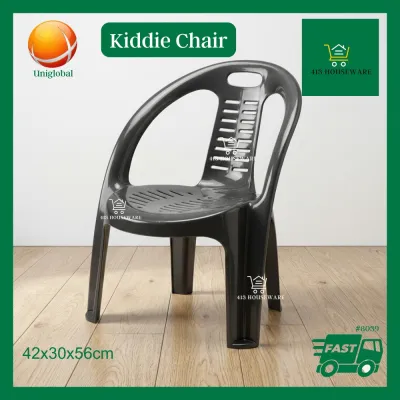
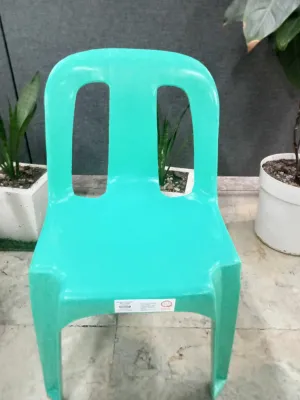
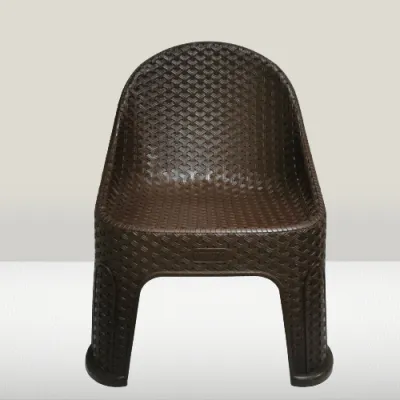
![[ON SALE] MACRO KIDDIE PANDA CHAIR / ASSORTED COLOR PANDA CHAIR / KIDDIE CHAIR/PLASTIC MACRO PANDA CHAIR](https://img.lazcdn.com/g/p/b67e9e18aa31b953f39ca4905cb4481a.png_400x400q80.png_.webp)
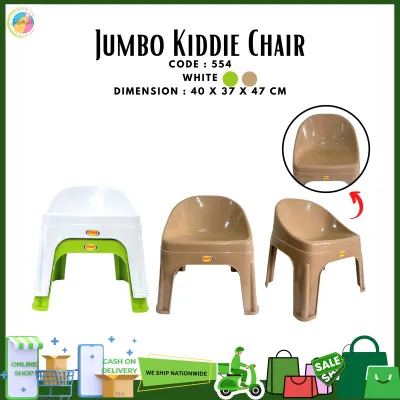
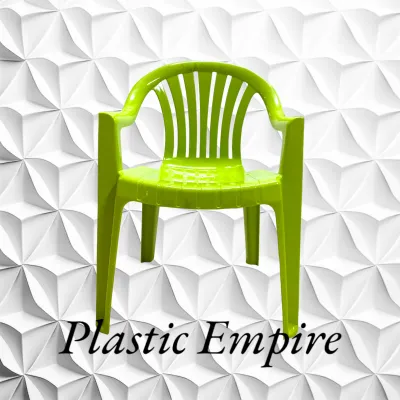
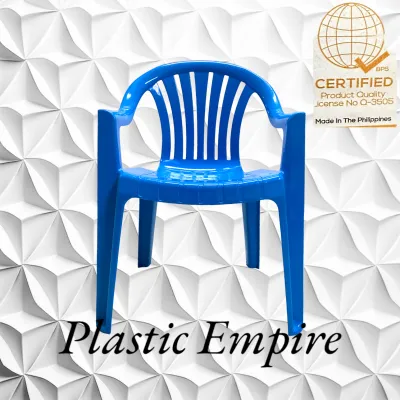
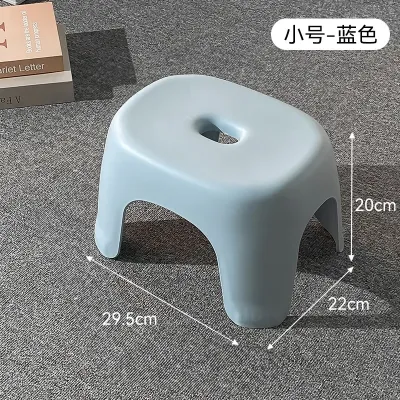
Prices are valid at publication and may change. Please refer to the product page for the latest price.
In the humid Philippine climate, plastic holds a distinct advantage over other materials. Fabric and foam upholstery can easily trap moisture, sweat, and dust, creating a breeding ground for mold, mildew, and unpleasant odors. Wood can warp or suffer from pest damage over time, while metal parts are susceptible to rust in high humidity. High-quality plastic remains completely unaffected by moisture, ensuring a hygienic seating surface year-round.
However, it is important to acknowledge the inherent limitations of plastic chairs. They do not offer the built-in cushioning or the high breathability of specialized mesh office chairs. During hot afternoon study sessions, a solid plastic seat can feel warm or sticky against the skin if the room is not air-conditioned. Understanding these trade-offs allows you to make an informed decision, such as pairing the chair with a removable cushion or ensuring proper room ventilation.
Overall, a plastic chair serves as a highly practical, low-maintenance, and budget-friendly foundation for a child’s study corner. By selecting a model designed with proper ergonomics, you can provide your child with a supportive and comfortable seat that facilitates hours of focused learning.
What to Look for When Buying a Plastic Study Chair for Kids
Before browsing specific models, it is essential to understand the core design features that separate a basic utility chair from a supportive study chair. Investing a few minutes to evaluate these criteria will prevent discomfort and ensure your child maintains healthy physical development.
Ergonomic Back Support and Seat Design
An ergonomic design is crucial for preventing fatigue and supporting a child’s growing spine. When evaluating a plastic chair, look closely at the shape of the backrest. A completely flat backrest forces the child to slouch, which strains the lower back muscles over time. Instead, look for a contoured backrest that curves gently forward to support the natural S-curve of the lumbar spine.
Similarly, the design of the seat pan plays a vital role in circulation. The front edge of the seat should have a gentle downward curve, often referred to as a waterfall edge. A sharp, 90-degree front edge can press against the back of your child’s knees, constricting blood flow and causing their legs to feel numb or restless during study sessions.
Do not rely solely on generic marketing terms like “orthopedic” or “ergonomic” in product listings. Take the time to read user reviews to see if other parents mention their children sitting comfortably for extended periods. If you are shopping in a physical store, have your child sit in the chair and check if their lower back fully contacts the backrest while their feet remain supported.
Height Adjustability and Footrests
Children grow rapidly, which presents a challenge when pairing them with a standard-height study desk. A fixed-height chair that fits perfectly at the start of the school year may become uncomfortably small within a few months. Height-adjustable plastic chairs solve this problem by allowing you to raise or lower the seat to match your child’s physical growth.
Keeping a child’s feet flat on a solid surface is a key principle of pediatric ergonomics. When legs dangle freely from a high chair, the weight of the lower limbs pulls the pelvis forward, arching the lower back and causing rapid fatigue. If you choose a chair that does not allow your child’s feet to reach the floor, ensure it features a built-in footrest or pair it with a separate, sturdy footstool.
When choosing an adjustable chair, always verify the stability and locking safety of the adjustment mechanism. Whether the chair uses a pneumatic gas lift or a manual screw-knob system, the components must lock securely to prevent sudden drops. Always check the manufacturer’s specified weight limits to ensure the moving parts can safely support your child as they grow.
Best Types of Plastic Chairs for Daily Studying
To help you find the right fit for your home, we have categorized the most common plastic chair designs available in the local market. Each type serves a distinct need, depending on your child’s age, your budget, and the layout of your study corner.

Height-Adjustable Plastic Task Chairs
Height-adjustable plastic task chairs are ideal for growing children, typically from ages 6 to 12, and for shared family desks where siblings of different heights use the exact same workspace. These chairs usually feature a molded polypropylene seat shell mounted on a central pedestal with a height adjustment lever.
- What to Look For: Look for a wide, five-star star base to ensure maximum stability. If the chair features caster wheels, check if they glide smoothly on your home's flooring, whether it is ceramic tile, vinyl, or polished concrete. Some models feature pressure-locking casters that stop rolling when weight is applied, which helps keep active kids from rolling away from their desks.
- Market Examples: Generic ergonomic plastic task chairs with nylon bases are widely available on local e-commerce platforms. These chairs typically offer a seat height adjustment range of 38 cm to 48 cm, making them highly compatible with standard 75 cm high study desks.
- Key Limitations: Pay close attention to the quality of the adjustment lever and joints. In cheaper models, the plastic levers can become brittle or snap under frequent use. Ensure the core structural rod and adjustment mechanism are made of reinforced steel or heavy-duty nylon.
Ergonomic Molded Plastic Shell Chairs
Ergonomic molded plastic shell chairs are single-piece or two-piece chairs where the entire seat and backrest are formed from a single sheet of contoured polypropylene. These chairs are heavily inspired by classic mid-century modern designs and contemporary classroom furniture.
- What to Look For: Look for models that feature a slight flex in the backrest. This subtle flexibility allows your child to lean back and stretch slightly without losing support, which helps relieve muscle tension during long reading sessions.
- Market Examples: Scaled-down Nordic-style plastic shell chairs with solid beechwood or powder-coated steel legs are popular choices for modern kids' study corners in the Philippines. These chairs offer a clean, minimalist aesthetic that blends seamlessly into living rooms or bedrooms.
- Key Limitations: Because these chairs have a fixed seat height (usually between 30 cm and 40 cm for kids' sizes), you must measure your study desk carefully before purchasing. Since you cannot adjust the height later, a mismatched chair will force your child to either hunch over the desk or strain their shoulders to reach the desktop.
Lightweight and Stackable Plastic Chairs
Lightweight and stackable plastic chairs are the classic, highly affordable monobloc-style chairs that are a staple in many Filipino households. These are excellent options for toddlers, early grade schoolers, or highly compact study spaces.
- What to Look For: Prioritize safety and stability over the lowest price. Look for chairs with angled, slip-resistant legs and reinforced ribbing underneath the seat pan to prevent the legs from splaying outward when weight is applied.
- Market Examples: Trusted local brands like Orocan, Jolly, and Cofta manufacture highly durable kiddie plastic chairs. These chairs are incredibly lightweight, easy to move, and typically cost between ₱150 and ₱400, making them an incredibly budget-friendly option.
- Key Limitations: These basic chairs offer fixed heights and minimal ergonomic support for long, continuous study sessions. They are best suited for short homework bursts, coloring, or arts and crafts. If your child uses one for daily studying, consider pairing it with a small, non-slip memory foam cushion to improve comfort.
How to Match the Chair to Your Child's Desk and Height
Achieving a proper physical fit between your child, their chair, and their study desk is essential for promoting good posture and preventing physical strain. You can easily determine the correct setup by following standard pediatric ergonomic guidelines.
To establish a healthy sitting posture, aim for the “90-90-90” rule. When your child is seated:
- Their hips should be bent at a 90-degree angle, with their lower back firmly against the backrest.
- Their knees should bend at a 90-degree angle, with the seat pan ending a few centimeters behind the knee joint.
- Their ankles should be at a 90-degree angle, with both feet resting flat on the floor or a stable footrest.
To find the correct dimensions, start by measuring the height of your study desk from the floor to the underside of the desktop. Next, measure the seat height of the plastic chair from the floor to the top of the seat pan. For a comfortable fit, there should be a clearance of 20 cm to 25 cm between the seat pan and the underside of the desk. This clearance gives your child’s thighs ample room to move without hitting the desk frame.
Safety should always be your top priority. Examine the chair’s footprint—the physical space its legs or base occupy on the floor. A wider footprint provides a lower center of gravity, making the chair much more stable. Children naturally shift their weight, lean sideways to grab school supplies, or rock back and forth. A chair with a narrow, unstable base can easily tip over during these movements.
Finally, consider the logistics of bringing the chair into your home. If the chair is delivered fully assembled or arrives in a large shipping box, measure your doorways, narrow hallways, and stairwell clearances beforehand. Ensuring the package can easily navigate these pathways will prevent accidental damage to your walls and the furniture itself.
Care, Maintenance, and Safety Checks for Plastic Chairs
While plastic is incredibly durable, regular care and routine safety inspections will extend the lifespan of the chair and ensure it remains a safe seating option for your child.
Kids’ study corners are prime targets for pencil marks, crayon smudges, ink spills, and snack crumbs. To keep the chair clean, wipe it down weekly with a soft microfiber cloth dampened with warm water and a few drops of mild dish soap. For stubborn ink or marker stains, apply a small amount of isopropyl rubbing alcohol to a cotton pad and gently dab the spot. Always perform a quick test on a hidden area underneath the seat first to ensure the alcohol does not dull or discolor the plastic finish.
Avoid using harsh abrasive cleaners, steel wool, or strong chemical solvents like acetone or paint thinner. These abrasive materials will scratch the smooth plastic surface, creating microscopic grooves that permanently trap dirt and make the chair much harder to clean in the future.
Establish a routine safety check every three to four months to inspect the structural integrity of the chair. Look closely for any fine white lines or stress cracks in the plastic shell, particularly around the leg joints, screw holes, and the flex point of the backrest. If you find any visible cracks, replace the chair immediately, as these weak points can fail suddenly under weight. If you are using an adjustable chair, use a screwdriver or hex key to tighten any loose screws or bolts on the frame.
In the tropical climate of the Philippines, direct sunlight is the primary enemy of plastic furniture. Prolonged exposure to ultraviolet (UV) rays breaks down the polymer chains within the plastic, causing the colors to fade and making the material brittle over time. To prevent this degradation, position your child’s study corner away from harsh, direct window light, or use curtains and blinds to filter the incoming sunlight.
Frequently Asked Questions (FAQ)
Are plastic chairs bad for a child's posture during long study sessions?
Plastic chairs are not inherently bad for posture, provided they feature an ergonomically contoured backrest and are properly sized to match your child and desk height. However, because rigid plastic lacks cushioning, sitting on it for extended periods can eventually cause discomfort and reduce blood circulation. To keep your child comfortable, encourage them to take short movement breaks every 30 to 45 minutes, or add a slim, non-slip memory foam or gel cushion to relieve pressure points on their hips.
How do I remove ink or marker stains from a plastic chair?
To remove ink or marker stains, start with the gentlest method by rubbing the spot gently with a damp melamine foam sponge, commonly known as a magic eraser. If the stain persists, apply a small amount of isopropyl rubbing alcohol to a cotton ball and wipe the mark in a circular motion, followed immediately by wiping the area with a damp water-soaked cloth. Avoid using acetone, nail polish remover, or abrasive scrubbing pads, as these will permanently melt or scratch the plastic surface.

Community discussion
Share your experience or ask a question. Comments are reviewed before publication.