
When setting up a stylish balcony bar or lounge area, selecting the right furniture requires balancing aesthetics, durability, and practical maintenance. A high-quality table plastic option offers an exceptional solution, combining modern design versatility with the rugged resilience needed to withstand harsh outdoor elements. Unlike traditional wood that can warp or metal that can rust, contemporary engineering has transformed outdoor polymers into sophisticated, long-lasting furniture pieces. By choosing the correct style and material grade, you can create an inviting open-air retreat that serves as a functional bar by evening and a relaxed coffee spot by day.
Why Choose Plastic for Balcony Bars and Lounges
Balcony environments present unique challenges, particularly in tropical climates like the Philippines where intense sun, heavy downpours, and high humidity are daily realities. A major advantage of choosing a plastic table for your balcony setup is its lightweight construction. This makes it incredibly easy to rearrange your seating layout whenever you host guests, clean the balcony floor, or quickly move furniture indoors ahead of an approaching tropical storm or typhoon.
Furthermore, high-grade plastics possess inherent moisture resistance that traditional materials simply cannot match. While wooden tables require regular resealing to prevent rot and metal frames demand rust-inhibiting coatings, plastic remains unaffected by water exposure. This is highly practical for open balconies where rain can sweep in unexpectedly, ensuring your outdoor setup remains structurally sound and visually appealing year after year without the risk of swelling or corrosion.
Products mentioned in this guide
![[SALE] 874 20X20 MONOBLOCK TABLE / MONOBLOC TABLE / TABLE / LAMESA / GREEN/WHITE/BEIGE TABLE / PLASTIC TABLE](https://img.lazcdn.com/g/p/6097f4e842165c3747798ac83d65c574.jpg_400x400q80.jpg_.webp)
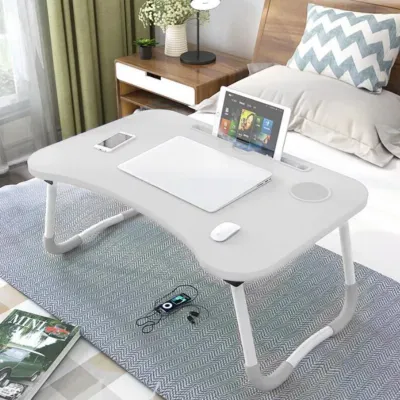
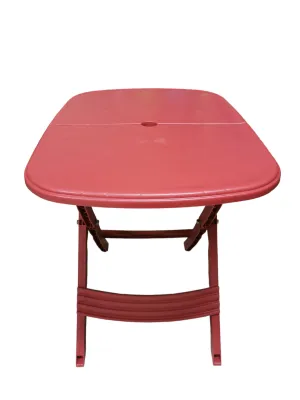
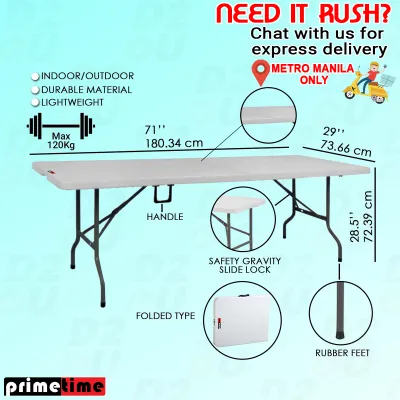
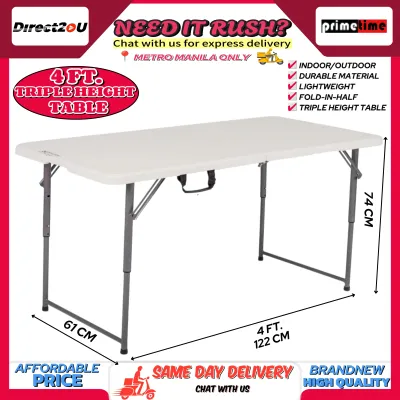
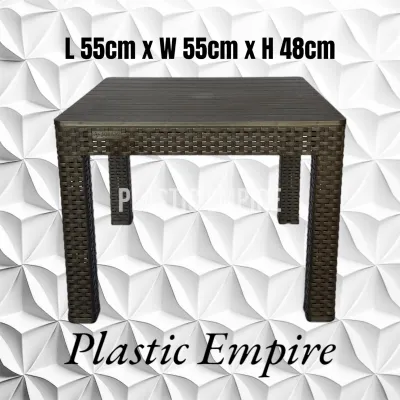
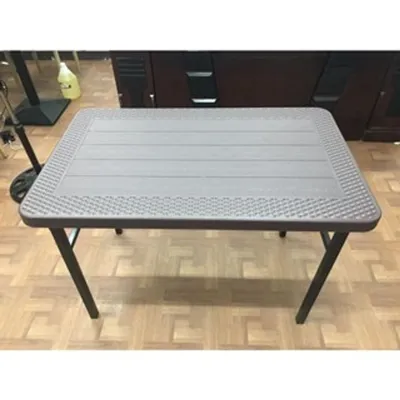
Prices are valid at publication and may change. Please refer to the product page for the latest price.
It is important to distinguish between cheap, single-use plastics and high-density, furniture-grade polymers engineered for long-term outdoor use. Modern outdoor furniture often utilizes high-density polyethylene (HDPE), polypropylene, or polycarbonate. These advanced materials are formulated with specialized additives that prevent cracking, warping, and peeling, offering the sophisticated look of premium materials without the demanding maintenance schedule.
Additionally, high-quality polymers are highly resistant to staining from spilled drinks, sunscreen, and food. This makes them exceptionally well-suited for a lively balcony bar setting where occasional spills are inevitable. Cleaning up after an evening of entertaining requires minimal effort, allowing you to spend more time enjoying your outdoor space rather than maintaining it.
Essential Selection Criteria for Outdoor Plastic Tables
To ensure your balcony table stands up to the elements and daily use, you should evaluate potential purchases using a concrete checklist of manufacturer specifications and physical design features rather than relying on generic material assumptions.

UV and Weather Resistance Labels Do not assume that all plastic furniture is naturally sun-proof. Over time, ultraviolet (UV) radiation from intense sunlight breaks down polymer chains, leading to fading, surface chalking, and structural brittleness. When shopping, always check the product tags or manufacturer specifications for explicit mentions of UV stabilizers or UV-resistance ratings (such as UV8 or higher, indicating protection for thousands of hours of direct sunlight). This is especially critical in tropical regions where solar exposure is intense year-round, as unprotected plastics will quickly degrade and lose their structural integrity.
Structural Integrity and Weight Capacity A stable table must be able to support heavy glassware, ice buckets, decorative planters, and the occasional leaning guest. Before buying, examine the thickness of the table legs and inspect the underside of the tabletop. High-quality plastic tables feature molded reinforcement ribs or a honeycomb structure underneath the surface, which distributes weight evenly and prevents the center from sagging. Always verify the manufacturer’s stated weight capacity, aiming for a limit of at least 50 kilograms for small side tables and 100 kilograms or more for larger bar tables to ensure safety and stability.
Surface Finish and Maintenance The finish of your plastic table affects both its appearance and how much effort is required to keep it looking new. Matte and textured finishes—such as those mimicking natural wood grain or woven rattan—are excellent at hiding minor surface scratches, fingerprint smudges, and dust. They also reduce blinding sun glare during the middle of the day. High-gloss finishes offer a sleek, modern, almost glass-like aesthetic, but they tend to show scratches, water spots, and dust much more prominently, requiring more frequent wiping and gentle handling.
Stability in Wind High-rise balconies, particularly in dense urban areas like Metro Manila or Cebu, are prone to sudden, powerful wind gusts. Because plastic is lightweight, a poorly designed table can easily tip over, risking damage to your balcony glass, plants, or items below. Look for tables with a wide, stable base design, or models featuring hollow legs or pedestals that can be filled with sand or water to add ballast. Alternatively, choose tables that incorporate powder-coated metal sub-frames inside the plastic legs to provide a low center of gravity and enhanced wind resistance.
Recommended Table Plastic Styles for Your Setup
Selecting the right table style depends on how you plan to use your balcony and the physical space available. Matching the table design to your lifestyle ensures a seamless transition between a lively social hub and a quiet personal sanctuary.
Bar-Height and Counter Tables for Drinking Areas
Taller tables are the quintessential choice for creating an authentic bar atmosphere on your balcony, allowing you to enjoy elevated views over your railing. Standard counter-height tables typically stand between 85 and 90 centimeters tall, while true bar-height tables range from 100 to 105 centimeters. When pairing these tables with seating, ensure your outdoor bar stools have a seat height of approximately 60 to 65 centimeters for counter tables, or 75 to 80 centimeters for bar tables, leaving comfortable legroom for your guests.
Because taller tables have a higher center of gravity, base stability is paramount. Look for designs that feature a wide pedestal base, weighted feet, or a four-legged stance with a wide footprint. This prevents the table from wobbling or tipping when guests lean against the edge or rest their arms on the surface during conversations.
Additionally, seek out models with integrated footrests or lower shelving molded directly into the plastic structure. A built-in footrest not only enhances seating comfort but also acts as a structural cross-brace, significantly increasing the overall stiffness of the table legs. Lower shelves provide a convenient, out-of-sight spot to store extra glassware, napkins, or beverage bottles, keeping the main tabletop clear and organized.
Low Coffee and Side Tables for Lounge Seating
If your goal is to create a relaxed, living-room-style lounge with deep outdoor sofas, bean bags, or low-profile lounge chairs, a low coffee or side table is the perfect companion. In tight balcony layouts, traffic flow is a major consideration. Choosing a table with rounded edges or a circular silhouette helps prevent painful bumps and bruises as you navigate narrow paths between your seating and the balcony railing.
For maximum flexibility, consider nesting tables or modular plastic sets. These designs allow you to slide smaller tables completely underneath a larger main table when you need to clear floor space for stretching, exercising, or cleaning. When hosting guests, you can easily pull them out to provide multiple individual surfaces for drinks, plates, and personal items, ensuring everyone has a spot within arm’s reach.
Before purchasing a low table, always check the clearance height underneath the frame. This is particularly important if you plan to place the table over the edge of a thick outdoor rug, or if your lounge chairs have extended front bases that require the table legs to straddle them. Ensuring proper clearance prevents the table from sitting unevenly or rocking on uneven surfaces, maintaining a level plane for your drinks.
Space-Saving Foldable and Expandable Tables
For compact balconies where every square centimeter counts, multi-functional, space-saving tables offer the ultimate versatility. When selecting a foldable plastic table, pay close attention to the folding mechanisms and hardware. Look for heavy-duty, powder-coated steel hinges, secure locking pins, and reinforced plastic joints that snap firmly into place. Flimsy folding mechanisms can wear out quickly, leading to a shaky surface or accidental collapsing.
Drop-leaf or expandable plastic tables are highly functional options for narrow spaces. A drop-leaf design allows you to keep one or both sides folded down, transforming the table into a slim console that sits flush against the balcony wall for daily single-user coffee mornings. When you have company, simply lift the leaves and lock them in place to create a full-sized bar or dining surface instantly.
Finally, always verify the exact folded dimensions of the table before purchasing. If you live in an area prone to severe weather, you will need to store your balcony furniture indoors or in a utility closet during typhoons. Ensuring the table folds down to a flat, compact profile makes it easy to slide behind a sofa, store in a closet, or stack neatly against a wall without taking up valuable living space.
Caring for Plastic Tables in Humid Climates
Maintaining plastic furniture in hot, humid climates requires a proactive approach to prevent environmental degradation and keep the surfaces looking pristine. While plastic is low-maintenance, a few simple care habits will significantly extend its lifespan.
Routine Cleaning To keep dust, pollen, urban soot, and bird droppings from bonding to the plastic surface, establish a routine of wiping down your table weekly. Use a mild dish soap mixed with warm water and a soft microfiber cloth or non-abrasive sponge. Avoid using stiff-bristled brushes, steel wool, or abrasive scouring pads. These harsh tools can create microscopic scratches on the plastic surface, which will permanently dull the finish and act as traps for dirt and mold spores over time.
Mold and Mildew Prevention High humidity and frequent rainfall create the perfect breeding ground for mold and mildew, particularly in the textured crevices of faux-wood or faux-rattan plastic tables. If you notice early signs of black or green spotting, address it immediately. Mix a mild cleaning solution of one part white vinegar to three parts warm water. Before applying, check the manufacturer’s care instructions to ensure vinegar is safe for your specific polymer. Lightly spray the solution onto the affected area, let it sit for ten minutes, scrub gently with a soft-bristled toothbrush in the textured grooves, and rinse thoroughly with clean water. Always perform a spot test in an inconspicuous area first to ensure there is no discoloration.
Avoiding Heat and Chemical Damage While high-quality plastics are incredibly tough, they are still susceptible to thermal damage. Never place hot items—such as freshly brewed coffee pots, hot cooking pans, or active tabletop grills—directly onto the plastic surface, as this can cause irreversible melting, warping, or white heat rings. Always use heat-resistant trivets, coasters, or silicone mats. Additionally, never use harsh chemical solvents, acetone, nail polish remover, or undiluted chlorine bleach on your plastic table. These chemicals can chemically degrade the polymer structure, leaving sticky patches or permanent discoloration.
Seasonal and Weather Protection Even if your table is rated for high UV resistance, prolonged exposure to extreme midday sun and torrential monsoon rains will eventually take a toll. When the balcony is not in use for extended periods, or during the height of the rainy season, protect your table with a breathable, waterproof furniture cover. Alternatively, if your balcony has an awning or a shaded corner, slide the table out of direct sunlight when you are away. This simple step prevents premature color fading and keeps the material from becoming brittle over decades of use.
Purchasing and Delivery Checklist
Before placing your order for a new balcony table, running through a practical logistics checklist will help you avoid common delivery headaches and ensure a smooth setup process.
Space and Pathway Measurement Begin by measuring your balcony’s physical footprint. Ensure that after placing the table and stools, you still have at least 70 to 80 centimeters of clear walking space around the furniture so you can move safely without squeezing against the railing. Next, trace the delivery path. Measure the height and width of your apartment front door, any narrow hallways, stairwell turns, and especially the elevator door and interior cabin dimensions. Many high-rise condominiums have strict elevator weight and size limits, and a fully assembled bar table that cannot fit in the lift can turn delivery day into a major challenge.
Assembly Requirements Determine whether your chosen table arrives fully assembled, flat-packed, or as a snap-together modular kit. If assembly is required, check the product description to see if the necessary tools are included. Snap-together plastic joints often require a firm hand or a rubber mallet to seat the pieces securely without cracking the plastic tabs. If you do not have a rubber mallet, placing a thick folded towel over the joint and tapping gently with a standard hammer can help you assemble the pieces safely without causing impact damage.
Delivery Inspection When your table arrives, do not sign the delivery receipt until you have thoroughly inspected the package and the product. Carefully unwrap the table and check for any hairline cracks or stress marks, which often appear as white or lightened bands on the plastic legs or joints where high pressure occurred during shipping. Inspect the tabletop for deep scratches or warping, and verify that all assembly hardware, leveling feet, and instruction manuals are present. If you spot any structural defects, document them with clear photographs and contact the seller immediately before attempting assembly.
Frequently Asked Questions (FAQ)
Can plastic tables support heavy glassware and bar equipment?
Yes, high-quality, furniture-grade plastic tables can easily support standard bar equipment, glassware, and ice buckets, provided you strictly adhere to the manufacturer’s stated weight limits. To prevent structural damage, always distribute the weight evenly across the tabletop rather than placing heavy items on a single spot. Avoid placing heavy loads on the extreme outer edges of the table, which can cause tipping or place excessive stress on the leg joints, and advise guests not to lean their full body weight or sit on the table surface.
Will dark-colored plastic tables fade or get too hot in direct sunlight?
Dark-colored plastic tables, such as charcoal, deep brown, or black, absorb more solar radiation and will become hot to the touch when exposed to direct, unshaded sunlight. To prevent discomfort, it is best to place dark tables under a balcony roof, awning, or patio umbrella. To minimize fading over time, ensure the product specifications explicitly state that the plastic contains UV-inhibitor additives. If your balcony receives intense, direct sunlight for most of the day, opting for lighter shades like beige, light grey, or off-white is a highly practical choice that stays cooler and hides UV fading better.
Community discussion
Share your experience or ask a question. Comments are reviewed before publication.