
Finding the perfect portable table to pair with your outdoor lounger transforms a simple sunbathing session into a highly functional relaxation experience. The ideal companion table keeps your cold drinks, sunglasses, books, and sunscreen within arm’s reach without requiring you to awkwardly stretch or sit up. To choose the best option, you must balance the physical dimensions of your lounger, the durability of the table materials under tropical sun and heavy rain, and the stability of the base on your specific patio or garden surface.
Match the Table Height and Reach to Your Lounger
To ensure seamless comfort, start by measuring the height of your lounger. Use a tape measure to find the distance from the ground to the top of the seat cushion or the armrest. A table that sits too high forces you to reach upward awkwardly, while one that is too low makes you bend down, risking spills. Ideally, the tabletop should sit level with or slightly below your lounger’s armrest, typically between 40 to 60 centimeters from the ground.
Next, consider your natural reach zone while lounging. If you spend most of your time lying completely flat, you will need a table that can sit very close to the side of the lounger, allowing you to grab items without twisting your torso. If you prefer sitting up to read, your reach zone shifts forward, meaning the table should be easily repositioned along the side of the frame.
Products mentioned in this guide
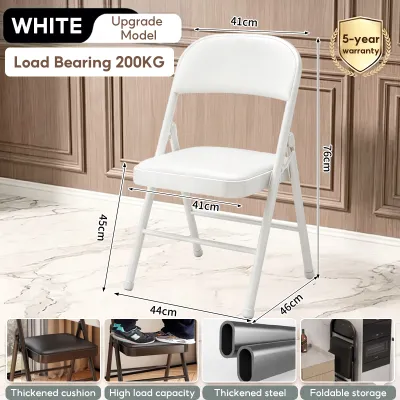
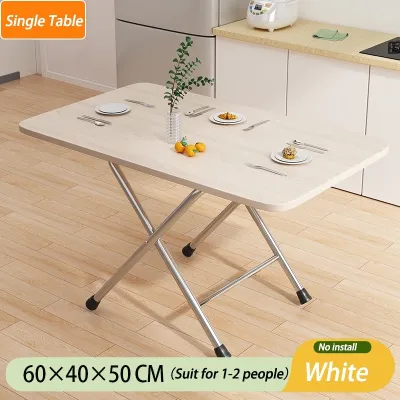
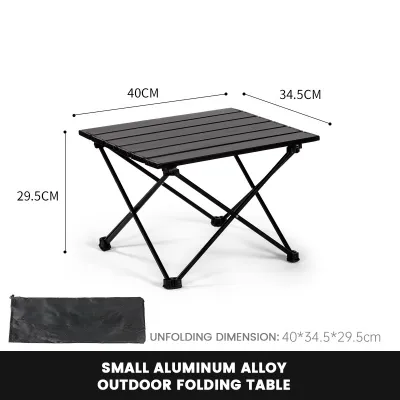
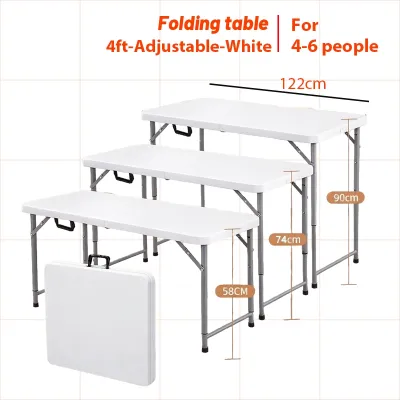
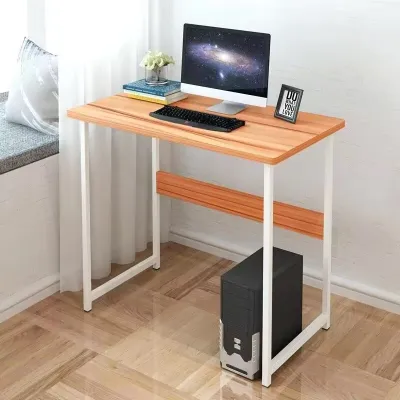
Prices are valid at publication and may change. Please refer to the product page for the latest price.
If you are considering a C-shaped table, clearance is a critical factor. Check the space beneath your lounger’s frame to ensure the bottom support bar or wheels can slide underneath. Measure the vertical clearance from the floor to the lowest bar of the lounger, and compare this with the height of the table’s base to avoid a frustrating mismatch.
Check Material Durability for Outdoor Conditions
Outdoor furniture in tropical climates must endure intense UV exposure, high humidity, and sudden downpours. A material’s name alone does not guarantee long-term durability, so you must inspect the manufacturer’s labels for specific protective treatments. Look for terms like UV-resistant coatings, rust-proof hardware, or water-repellent finishes that indicate the product is engineered for open-air environments.

Different material categories require varying levels of maintenance to keep them looking and functioning well. Powder-coated aluminum and steel offer excellent resistance to rust, provided the coating remains intact. Treated hardwoods, such as teak or eucalyptus, naturally resist moisture but require periodic oiling to maintain their color. All-weather synthetics, like high-density polyethylene (HDPE) resin, offer a low-maintenance alternative that resists moisture and fading, requiring only a quick wipe-down with soapy water.
When shopping, look closely for visual signs of poor weatherproofing or weak construction. Avoid tables with exposed, untreated iron screws or staples, as these will quickly rust and stain your patio tiles. Inspect the joints and welds; rough, uneven welding on metal frames or loose joints on wooden tables often indicate areas where water can pool, leading to premature structural failure.
Ensure Base Stability on Your Patio Surface
A portable table is only as useful as it is stable, especially when holding hot coffee or fragile glassware. You must match the table’s base design to the specific terrain of your outdoor space. For uneven surfaces like grass, gravel, or rustic stone paving, a classic four-legged table or a wide tripod base provides the best stability. Smooth surfaces like tiled balconies or wooden decking can accommodate almost any base type, including flat pedestal bases or wheeled frames.
To prevent annoying wobbles, look for tables equipped with adjustable leveling feet or thick, non-slip rubber pads. These features allow you to compensate for minor slopes in your patio tiling or decking boards while protecting the floor surface from scratches. A wide footprint—where the base of the table is nearly as wide as the tabletop—greatly improves stability.
Weight distribution is another key factor in preventing tip-overs. A table with a heavy base and a lightweight top has a low center of gravity, making it highly resistant to tipping when you place a heavy item on the edge or when a sudden gust of wind sweeps across your yard. Avoid top-heavy designs that sway easily when lightly nudged.
Compare Common Portable Table Designs
Different portable table styles offer distinct practical advantages depending on how you use your outdoor lounger. C-tables feature a cantilevered design with a single side support, allowing the base to slide under the lounger while the tabletop hovers directly over your lap. This design is exceptionally convenient for tight spaces, such as narrow apartment balconies, because it brings your drinks and devices close without taking up extra floor space on the side.
Folding side tables are the traditional choice for versatility and quick setup. These tables fold flat in seconds, making them incredibly easy to move around the garden or pack away when the weather turns. They are ideal if you frequently host guests and need to adjust your seating arrangements on the fly, though they may lack the close-reach convenience of a C-table.
Tray tables feature a removable top that doubles as a serving tray, allowing you to carry drinks and snacks directly from the kitchen to your lounger. This dual-function design minimizes trips back and forth, though you must ensure the tray locks securely onto the base to prevent accidental spills when in use.
Rolling utility carts offer multiple tiers of storage and are perfect for those who like to keep a variety of items nearby, such as books, towels, speakers, and ice buckets. While they provide maximum storage and easy mobility across flat tiled or concrete surfaces, they are less suitable for grassy lawns or stepped terraces where wheels can get stuck.
Evaluate Portability and Storage Needs
Because these tables are designed to be portable, you must evaluate how easily they can be folded, carried, and stored. Test the folding mechanism to ensure it operates smoothly without sticking or requiring excessive force. Look for secure locking pins or latches that keep the table firmly open during use, and pay close attention to potential pinch points that could injure your fingers during setup.
You must find a balance between a table’s physical weight and its wind resistance. A table that is too light, such as cheap hollow plastic, is effortless to carry but will easily blow over in a moderate breeze, potentially damaging your belongings. Conversely, a solid wrought iron table will stay put in a storm but may be too heavy to move comfortably without straining your back. Aim for a moderate weight that you can lift easily with one hand.
Finally, plan for off-season or severe weather storage. Measure the folded dimensions of the table and compare them with the available space in your storage shed, garage, or closet. Choosing a table that folds down to a slim profile ensures you can easily protect it from extreme weather events, such as typhoons, without cluttering your living space.
Routine Care and Safety Checks
Regular maintenance ensures your portable table remains safe and functional throughout its lifespan. Periodically inspect all joints, hinges, screws, and wheels for signs of looseness or wear. Tighten any loose hardware immediately, and clear out any dirt, sand, or leaves that may have accumulated in the folding joints or wheel axles, as this debris can grind down the moving parts over time.
Always follow the manufacturer’s specific cleaning guidelines to preserve the protective finishes. Avoid using harsh abrasive cleaners, steel wool, or strong chemical solvents, which can strip away UV-resistant coatings or scratch powder-coated paint. A simple solution of mild dish soap and warm water, applied with a soft microfiber cloth, is usually sufficient to remove dust, pollen, and saltwater residue.
Develop a habit of securing or storing your portable table whenever severe weather is forecasted. Even heavy tables can become dangerous projectiles in high winds, so moving them indoors or securing them to a fixed structure is essential for safety. When the table is not in use for extended periods, covering it with a fitted, breathable outdoor furniture cover will significantly extend its life and keep it ready for your next lounging session.
Frequently Asked Questions (FAQ)
Can I use an indoor portable table outside?
Using an indoor table outdoors is generally not recommended because indoor furniture lacks the necessary UV stabilizers, rust-resistant hardware, and waterproof glues. Exposure to sun and humidity can cause indoor wood to warp and crack, while metal components will quickly rust. If you must use an indoor table temporarily, bring it outside only during dry weather and return it indoors immediately after use to prevent irreversible damage.
How do I stop a lightweight table from blowing over?
To secure a lightweight table without modifying its structure, check the manufacturer’s guidelines to see if they offer compatible anchor kits or weighted base attachments. Alternatively, place the table strategically near a windbreak, such as a patio wall, heavy planter, or the side of your lounger itself. Avoid placing heavy, makeshift objects like bricks directly on the tabletop, as this can make the table top-heavy and more prone to tipping over.
Community discussion
Share your experience or ask a question. Comments are reviewed before publication.