
Creating a cozy outdoor retreat in a high-rise apartment starts with finding the right balance between comfort and limited square footage. For a small Philippine balcony, the ideal portable table is one that can easily fold away, resist intense tropical humidity, and match the height of your preferred lounge seating. Whether you enjoy a morning cup of local coffee or an evening drink overlooking the city skyline, your balcony setup must remain highly flexible and easy to clear when weather conditions shift.
Selecting the perfect option requires looking beyond mere aesthetics. You must evaluate how easily the table can be moved indoors during a sudden downpour, how well its materials withstand salt air and heavy rain, and how its dimensions align with your available floor area. By focusing on smart, multi-functional designs, you can transform even a narrow semi-outdoor space into a highly functional extension of your living room.
Key Requirements for a Small Balcony Lounge Table
Before browsing online marketplaces or local furniture showrooms, you must establish the exact physical and environmental boundaries of your balcony. Most apartment balconies in major Philippine cities are narrow, often serving dual purposes as laundry drying areas or small plant corners. A permanent, heavy table quickly becomes an obstacle, making foldable, collapsible, or nesting designs essential for keeping walkways clear and maintaining easy access to the sliding door.
Products mentioned in this guide
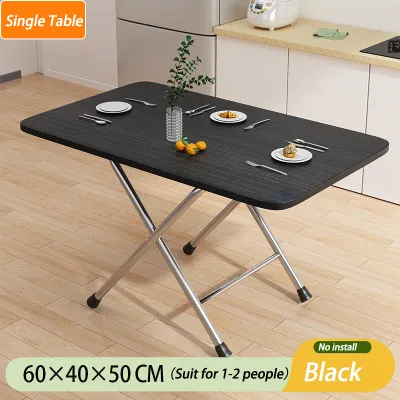
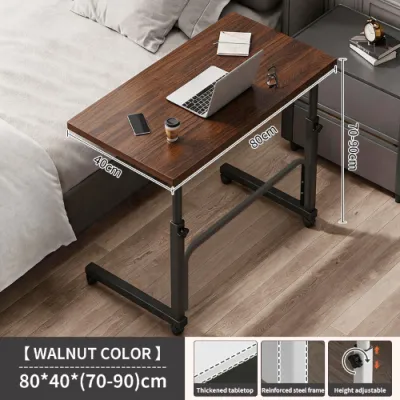
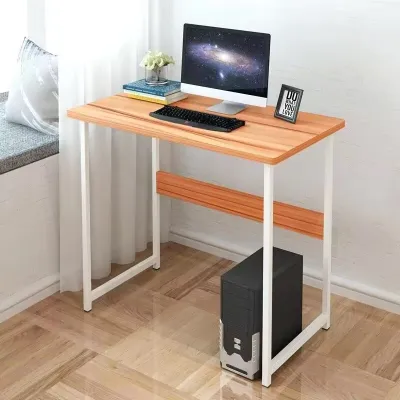
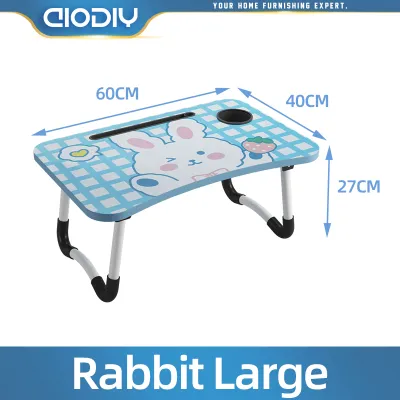
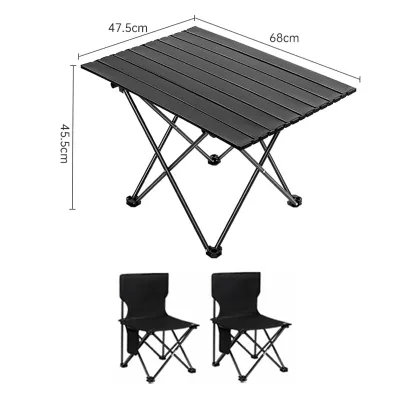
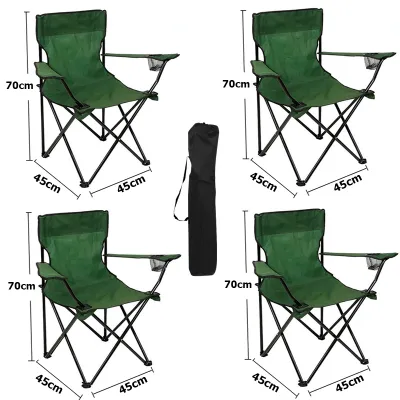
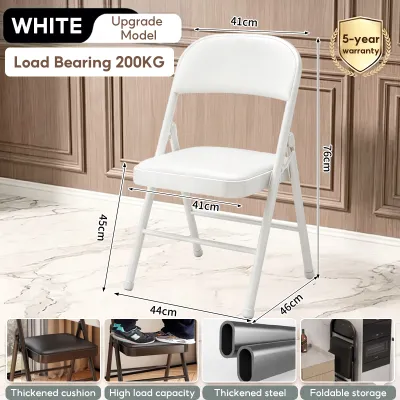
Prices are valid at publication and may change. Please refer to the product page for the latest price.
Your choice of table height must also directly correspond to your seating style to ensure comfortable ergonomics. Balcony lounging typically involves low-profile furniture, such as floor cushions, woven banigs, low-slung wooden lounge chairs, or casual bean bags. A standard dining table height of 75 centimeters will feel awkwardly tall and disrupt the relaxed vibe; instead, look for low side tables or coffee-table heights ranging from 40 to 50 centimeters, allowing you to reach drinks or books without straining.
Environmental durability is the final, non-negotiable requirement in a tropical climate characterized by extreme humidity, intense UV exposure, and torrential rains. Even if your balcony is fully covered, wind-driven rain can easily drench your furniture, while the afternoon sun can warp untreated surfaces or cause plastics to become brittle. You must prioritize verifying the manufacturer’s outdoor suitability ratings and material specifications before making a purchase, ensuring the table can handle these harsh conditions without deteriorating within a single season.
Top Portable Table Styles for Balcony Lounging
Different layouts and lounging habits call for distinct structural styles. Understanding how each portable table design functions in a tight space allows you to choose a model that maximizes both convenience and comfort without cluttering your balcony floor.

Foldable Side Tables and Tray Tables
For minimalists or those with exceptionally tight balconies, foldable side tables and tray tables offer an ultra-compact solution. C-shaped tables are particularly efficient because their bases can slide underneath low-profile chairs or sofas, allowing the tabletop to hover directly over your lap without consuming extra floor space. Lightweight tray tables with removable tops are equally practical, letting you prep snacks in the kitchen and carry them directly to the balcony in one trip.
The primary advantage of these styles is their minimal footprint and effortless storage, as they can fold flat to hide behind a door or inside a closet when not in use. However, they do come with trade-offs, including a limited surface area that usually only accommodates a single plate and cup. Additionally, their lightweight frames mean they have a lower weight capacity and may wobble if placed on uneven balcony tiles or exposed to sudden gusts of wind.
Rolling Bar Carts and Tiered Trolleys
If your idea of lounging involves hosting friends, mixing drinks, or tending to multiple potted herbs, a rolling bar cart or tiered trolley is an excellent multi-functional alternative. These designs utilize vertical space by offering two or three levels of storage, allowing you to keep beverages, reading materials, and small decor pieces organized without spreading them across the floor. They can easily be rolled from the kitchen to the balcony, serving as a mobile serving station.
When choosing a rolling cart for outdoor use, you must pay close attention to the construction of the wheels and overall stability. Look for models equipped with secure wheel locks on at least two casters to prevent the cart from rolling unexpectedly on sloped balcony floors designed for water drainage. It is also vital to verify that the cart features a rust-resistant finish and a sturdy handle, as cheap metal wheels can quickly seize up and degrade when exposed to humid air.
Nesting Tables and Convertible Stools
Nesting tables and convertible stools offer unmatched flexibility for dynamic balcony layouts that change depending on the number of guests. Nesting sets typically consist of two or three tables of graduated sizes that slide completely underneath one another, allowing you to expand your surface area when entertaining and tuck them away when you need more physical space. Convertible stools serve a dual purpose, functioning as a solid side table for your laptop or coffee cup, or as extra seating when flipped or paired with a cushion.
While these pieces are incredibly versatile, safety must remain a priority when using them for multiple purposes. Always check the manufacturer’s specified weight capacity guidelines before allowing anyone to sit on a convertible stool or nesting table. A piece designed solely to hold a lightweight coffee mug may buckle or tip over under the weight of an adult, so verifying structural integrity and joint stability is essential.
Materials and Weather Resistance: What to Check Before Buying
A beautiful design is meaningless if the materials cannot survive the local climate. To avoid premature wear, you must carefully evaluate the construction materials of any portable table against the realities of tropical weathering.
- Metals (Aluminum, Steel): Metal is a popular choice for modern balcony furniture, but not all metals behave the same way under humid conditions. Aluminum is naturally rust-resistant and highly lightweight, making it an excellent candidate for portable furniture, though it should still feature a protective coating to prevent oxidation. Steel, while heavier and more stable in windy conditions, is highly susceptible to rust if moisture penetrates the surface. You must check for explicit "powder-coated," "rust-resistant," or "outdoor-rated" labels on steel frames to ensure they are properly sealed against moisture.
- Wood and Bamboo: Wood and bamboo bring a warm, organic feel to a balcony lounge, but they require active vigilance in humid climates. Softwoods or untreated lumber can quickly warp, crack, or develop mold when exposed to alternating cycles of intense sun and heavy rain. If you prefer natural wood, look for dense hardwoods like teak or acacia, and verify that they have been treated with a weather-resistant protective seal. Keep in mind that wooden furniture typically requires periodic oiling or resealing to maintain its structural integrity and prevent rot over time.
- Plastics and Resins: Molded plastics and synthetic resins are highly affordable, lightweight, and naturally waterproof, making them incredibly easy to clean and move. However, cheap plastics can rapidly degrade under intense tropical sunlight, becoming brittle, faded, and prone to cracking. When shopping for plastic portable tables, look specifically for UV-resistant or UV-stabilized labels, which indicate that the material has been treated to withstand prolonged exposure to direct sunlight without losing its strength.
- Verification Rule: Regardless of the material you choose, never rely solely on generic marketing terms like "all-weather." Always read the manufacturer's care instructions, material tags, and warranty limitations regarding outdoor exposure before making a final purchase. If the care instructions state that the table must be kept under a covered patio or stored indoors during rain, treat those guidelines as mandatory to protect your investment.
Space Planning and Safety Tips for High-Rise Balconies
Integrating a portable table into a high-rise balcony requires careful layout planning and a strong emphasis on safety, especially when dealing with elevated heights and unpredictable weather patterns.
Your balcony layout must prioritize safety and ease of movement. Ensure there is a clear, unobstructed pathway from the apartment door to the balcony railing, allowing you to move freely without tripping over furniture legs. In a small space, a portable table can also serve secondary purposes when you are not actively lounging; for instance, you can use it as a temporary stand for small potted plants, provided you can easily clear them off when you want to use the table for drinks. Avoid visual clutter by keeping the overall furniture count low and choosing pieces with open, airy frames.
Wind safety is a critical consideration for high-rise apartments in the Philippines, particularly during the typhoon season when sudden, violent gusts can sweep across elevated balconies. Extremely lightweight plastic or aluminum tables can easily become dangerous projectiles if left unsecured. To mitigate this risk, check the base weight of your table and consider using weighted accessories or sandbags if you plan to leave it outside. The safest practice is to choose a highly collapsible table that can be quickly folded and stored completely indoors whenever strong winds or storm warnings are expected.
Before purchasing or installing any balcony furniture, always consult your condominium’s property management guidelines. Many high-rise developments have strict rules regarding what can be placed on balconies to maintain a uniform building exterior and prevent safety hazards. Additionally, check the building rules regarding drilling or permanent alterations; if you are considering a wall-mounted drop-leaf table, you must verify if drilling into the exterior building envelope is permitted, as this is often strictly prohibited in rental units and managed condos.
Frequently Asked Questions (FAQ)
Can I use an indoor portable table on my balcony?
Whether you can use an indoor portable table on your balcony depends entirely on its material composition and how much exposure it will have to the elements. If your balcony is completely enclosed or deeply recessed and dry, you may be able to use an indoor table temporarily, but you must bring it back inside immediately after use. Indoor tables lack the UV stabilizers, rust-resistant coatings, and waterproof glues required to survive outdoor humidity, meaning prolonged exposure will quickly cause them to warp, peel, or rust. Always check the manufacturer’s indoor/outdoor rating to be certain.
How do I clean and maintain a portable table exposed to dust and rain?
To clean a portable table exposed to outdoor dust, rain, and urban grime, start by wiping down the surface with a soft, damp cloth and a mild, non-abrasive soap solution. Avoid using harsh chemical cleaners, bleach, or stiff scrubbing brushes, which can scratch protective powder coatings or strip away weather-resistant wood seals. After washing, rinse the table with clean water and dry it thoroughly with a soft towel to prevent water spots and rust. Always consult and follow the specific material care labels provided by the manufacturer to maintain your warranty coverage.
Community discussion
Share your experience or ask a question. Comments are reviewed before publication.