
Selecting a sofabed with pull out functionality for a compact condominium bedroom in the Philippines is a balancing act between daytime utility and nighttime comfort. In high-density urban areas like Metro Manila, Cebu, or Davao, condo bedrooms often feature tight footprints where every square inch of floor space must be carefully allocated. A well-chosen pull-out sofa bed serves as an elegant, space-saving solution that keeps your bedroom feeling open and airy during the day while transforming into a supportive sleeping surface at night.
To make the most of your limited square footage, you must look beyond aesthetics and evaluate how a piece functions in both its closed and fully extended states. The ideal choice should not block essential pathways, interfere with wardrobe doors, or require strenuous physical effort to convert. By understanding the spatial dynamics of your room and the mechanical differences between various pull-out designs, you can select a sofa bed that enhances your daily living experience without making your bedroom feel cramped.
Key Measurements and Space Planning for Condo Bedrooms
Before browsing online marketplaces or visiting local furniture showrooms, you must establish a precise spatial blueprint of your bedroom. Start by measuring the clear floor area where the sofa bed will reside. Use a steel tape measure to record the width and depth of the designated wall space, keeping in mind that you need to account for the fully deployed length of the bed. A standard pull-out mechanism can extend anywhere from 180 to 220 centimeters from the back wall, which can easily consume the entire walking path in a typical studio or a compact one-bedroom condo.
Products mentioned in this guide
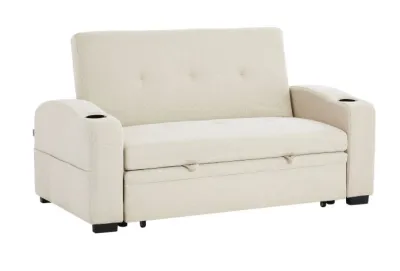
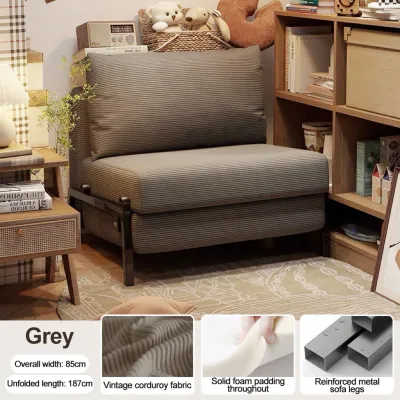
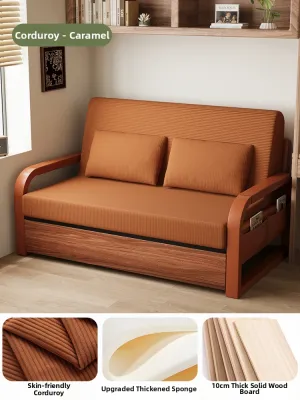
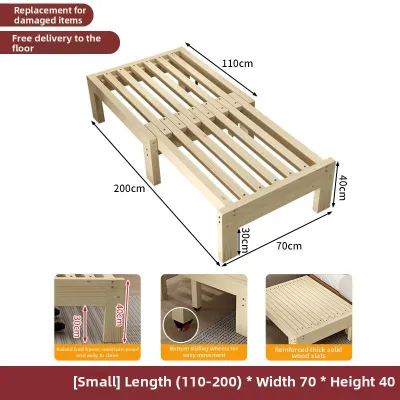
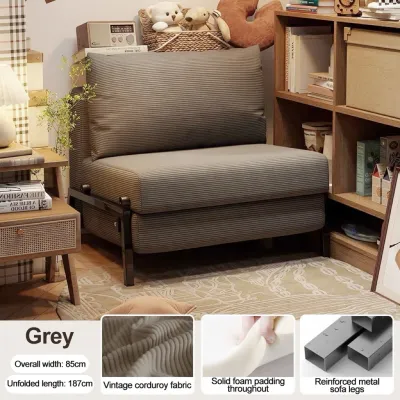
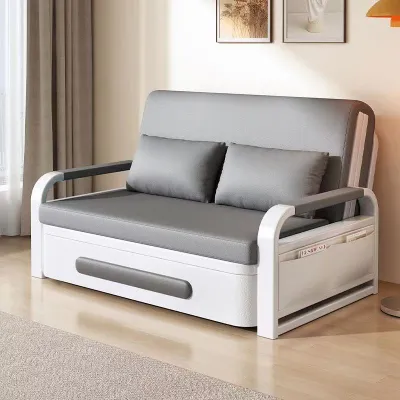
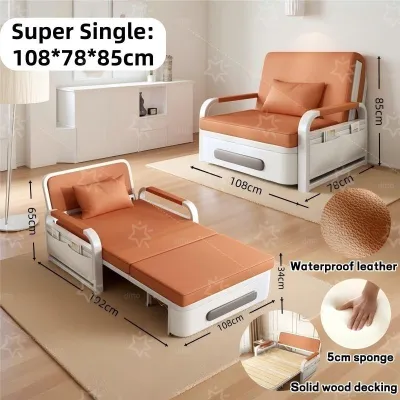
Prices are valid at publication and may change. Please refer to the product page for the latest price.
To ensure the room remains functional when the bed is open, map out a minimum clearance zone of at least 50 to 60 centimeters around the extended foot and sides of the bed. This clearance is vital for basic mobility, allowing you to get out of bed comfortably without climbing over other furniture. Additionally, check the swing paths of existing furniture pieces; wardrobe doors, bedroom entry doors, and desk drawers must be able to open fully, or at least clear the bed frame enough to allow access to daily essentials. If your wardrobe has hinged doors, consider whether a sliding-door wardrobe or a low-profile trundle bed that sits below the door swing height would prevent spatial conflicts.
Equally critical is the transit route from the delivery truck to your bedroom door. Many condo dwellers in the Philippines face the frustrating reality of purchasing beautiful furniture only to find it cannot fit inside the building’s elevator or navigate a tight hallway corner. Measure the height, width, and diagonal clearance of your condominium’s service elevator, as well as the width of all corridors, stairwells, and the main bedroom door frame. If your unit is accessible only via narrow stairwells, look for modular sofa beds that ship in flat-packed boxes or feature detachable arms and backrests, which can be assembled directly inside the room.
Top Pull-Out Mechanisms for Small Spaces
The mechanism that drives your sofa bed determines not only how easy it is to transition from seating to sleeping but also how much physical space it occupies in both configurations. In a small condo bedroom, a clunky or overly complex mechanism can turn a daily routine into a frustrating chore, potentially discouraging you from ever folding the bed away. Different mechanical designs distribute weight, support mattresses, and utilize floor space in distinct ways, making it essential to match the mechanism to your specific room layout and physical capabilities.

Trundle and Pop-Up Designs
Trundle and pop-up designs are highly favored in compact spaces because they keep the main sofa profile low, preserving open sightlines across the room. A standard trundle system features a secondary bed frame on casters or wheels tucked neatly beneath the main seat cushion. To use it, you simply roll the lower frame out like a drawer. This design is exceptionally space-efficient because it does not require you to move the backrest of the sofa, allowing you to place the unit flush against the wall.
When evaluating a trundle sofabed with pull out features, pay close attention to the mattress thickness limits of the lower trundle compartment. Because the trundle must slide completely under the main seat, the lower mattress is often thinner—typically ranging from 8 to 12 centimeters—which may require a high-density foam construction to prevent sleepers from feeling the underlying frame. Some advanced trundle models feature a pop-up mechanism with spring-loaded legs that lift the lower mattress to match the height of the main seat, creating a unified double or queen-sized sleeping surface. If you choose a pop-up design, verify that the locking hinges are robust and that the two sections align flush without a hard, uncomfortable gap in the middle.
Sectional with Hidden Pull-Out
For studio units where the bedroom and living area merge, a sectional sofa with a hidden pull-out bed offers an excellent multi-functional solution. These designs typically feature an L-shaped configuration where a stationary chaise lounge hides a spacious storage compartment, while the adjacent two-seater section conceals a pull-out bed frame. The chaise lounge serves as a permanent bed extension, meaning the pull-out portion only needs to extend a short distance to complete a full-sized sleeping area.
This layout is highly efficient because it utilizes the otherwise dead space in the corner of a room for both seating and storage. You can store extra pillows, bedsheets, and heavy blankets inside the chaise compartment, keeping your limited wardrobe space free for clothing. However, because sectional sofas have a fixed orientation (either left-facing or right-facing), you must carefully plan your room layout before purchasing. Ensure that the chaise portion does not block natural light from windows, obstruct access to air conditioning units, or cut off the flow of foot traffic through the room.
Click-Clack and Futon-Style Pull-Outs
Click-clack and futon-style sofa beds represent some of the simplest and most durable folding mechanisms available. Operating on a system of heavy-duty ratcheting hinges, these sofa beds transition by folding the backrest forward until it clicks, then releasing it backward to lay completely flat. Because they do not rely on complex internal metal frames or rolling tracks, click-clack models tend to be lighter, easier to clean underneath, and less prone to mechanical failure over years of daily use.
The primary trade-off with click-clack designs is that the sofa must usually be positioned a few centimeters away from the wall to allow the backrest room to fold down, which can waste valuable floor space in a tight bedroom. Additionally, because the seat and backrest cushions join together to form the mattress, you will sleep directly on the sofa’s upholstery. This requires a careful assessment of the cushion firmness; a sofa that feels comfortably firm for sitting might feel too rigid for side sleepers, while a plush seat might lack the structural support needed for a good night’s rest. Look for models with tufted designs or high-resiliency foam cores that distribute body weight evenly across the central seam.
Material and Comfort Trade-Offs in Compact Sofas
Selecting the right materials for a condo sofa bed in the Philippines requires balancing structural durability with the realities of a warm, humid tropical climate. Because a pull-out sofa bed undergoes regular mechanical stress from folding and unfolding, you should inspect the frame’s construction closely. Look for solid wood frames, such as kiln-dried hardwood, or reinforced steel tubing at the primary stress points. Avoid relying solely on generic material names; instead, check the manufacturer’s specifications for joint construction—mortise-and-tenon joints or heavy-duty corner blocks are far more durable than simple glued or stapled joints.
The mattress material is equally critical for long-term comfort. High-density polyurethane foam or memory foam mattresses are excellent for small spaces because they can compress easily without losing their shape or support over time. However, in the Philippines, heat retention can be a significant issue with standard memory foam. If your condo does not have continuous air conditioning, look for open-cell foam or gel-infused foam mattresses that promote better airflow and heat dissipation. If the sofa bed uses an innerspring mattress, ensure the coils are individually pocketed to prevent motion transfer and eliminate the squeaking sounds associated with traditional open-coil systems.
Upholstery selection is your primary line of defense against wear, sweat, and humidity-induced mold. While natural fabrics like cotton or linen offer excellent breathability, they can absorb moisture from the air and stain easily in a compact living environment where dining and lounging often overlap. Synthetic performance fabrics, such as tightly woven polyester blends or microfibers, offer a practical alternative because they resist moisture absorption, are easy to spot-clean, and withstand the friction of daily mechanical conversion. If you prefer the look of leather, opt for high-quality breathable synthetic alternatives, and ensure you wipe them down regularly to prevent sweat buildup from degrading the finish.
Your Pre-Purchase Checklist for Condo Sofa Beds
To avoid buyer’s remorse, use this comprehensive checklist to verify that your chosen pull-out sofa bed is safe, practical, and fully compatible with your condo lifestyle:
- Assembly and Delivery Conditions: Confirm whether the sofa bed is delivered fully assembled or flat-packed. If it is fully assembled, double-check that the outer box dimensions are smaller than your narrowest doorway or elevator entrance. For flat-packed items, verify if the retailer offers professional on-site assembly, as maneuvering heavy metal frames in a tight bedroom can be challenging without the proper tools.
- Mechanism and Hinge Warranty: A standard furniture warranty may only cover the wooden frame. Ensure the warranty explicitly covers the pull-out metal mechanism, rolling casters, and folding hinges for at least one to two years, as these moving parts are the most susceptible to wear and tear.
- Weight Capacity Labels: Check the certified weight capacity for both the seating and sleeping configurations. A reliable double-sized pull-out sofa bed should safely support at least 150 to 200 kilograms of distributed weight.
- Return and Exchange Policies: Review the retailer's policy regarding fit issues. If the sofa bed arrives and cannot navigate your condo's hallway corners despite your measurements, confirm whether you can exchange it for a modular model or receive a refund, noting any restocking fees that might apply.
- Floor Protection: Verify that the pull-out wheels or legs are equipped with non-marking rubber casters or felt pads to prevent scratching your condo's laminate, vinyl, or hardwood flooring during daily transitions.
Frequently Asked Questions (FAQ)
How much clearance is needed in front of a pull-out sofa bed?
To deploy a pull-out sofa bed comfortably, you generally need between 120 and 150 centimeters of clear space directly in front of the sofa frame, depending on the specific model’s extended length. This measurement represents the distance from the front edge of the sofa seat to the foot of the fully extended bed. In addition to this physical footprint, you should maintain a buffer zone of at least 50 centimeters at the foot of the bed to allow for comfortable walking space, sheet tucking, and bedding overhang. If your room layout is exceptionally tight, measure your space with the drawers and wardrobe doors fully open to ensure the extended bed does not trap you inside the room or block emergency exit paths.
Can a pull-out sofa bed be used for everyday sleeping?
Yes, a pull-out sofa bed can be used for daily sleeping, provided you select a model specifically engineered for high-frequency use. Standard guest-oriented sofa beds often feature thin mattresses and lightweight spring systems that can sag quickly under daily wear, leading to back discomfort. For everyday use, prioritize a heavy-duty steel pull-out mechanism paired with a high-density foam mattress of at least 10 to 12 centimeters in thickness. Additionally, consider using a removable mattress topper to provide extra cushioning and protect the sofa’s built-in mattress from premature wear, and ensure you regularly vacuum the internal mechanism to prevent dust and lint from clogging the folding hinges.

Community discussion
Share your experience or ask a question. Comments are reviewed before publication.