
Camping in the Philippines during the wet season brings unique challenges, especially when managing gear that must withstand relentless humidity and sudden downpours. If you are looking for the most resilient materials for a 3 way table camping setup to resist rust during the rainy season, the ideal combination is an anodized or powder-coated aluminum frame paired with an aluminum slat, high-density polyethylene, or fully sealed composite tabletop. These materials offer the best defense against tropical moisture, ensuring your multi-functional table remains stable and fully operational despite the damp conditions.
Why the Rainy Season Challenges a 3 Way Table Camping Setup
During the high-humidity months of the Philippine rainy season, outdoor gear is constantly exposed to moisture, mud, and acidic rain. A 3 way table camping design is highly valued for its versatility, allowing campers to adjust the height for dining, coffee-table use, or low-level floor seating. However, this multi-functional capability requires complex mechanics, including telescoping legs, sliding tracks, folding hinges, and locking pins.
These intricate physical joints create numerous crevices where water, mud, and organic debris can accumulate. Unlike a standard, single-height table with fixed legs, a 3-way table has multiple overlapping metal surfaces that trap moisture long after the rain has stopped. This trapped water creates a micro-environment highly conducive to galvanic and crevice corrosion, leading to stiff joints, seized locking pins, and structural failure if the wrong materials are selected.
Products mentioned in this guide
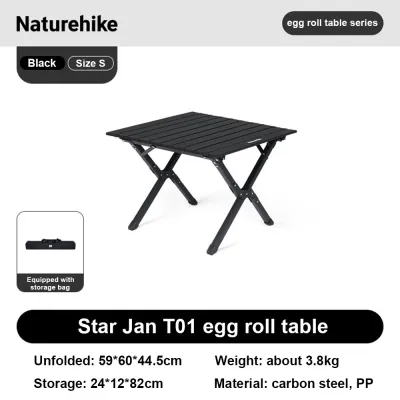
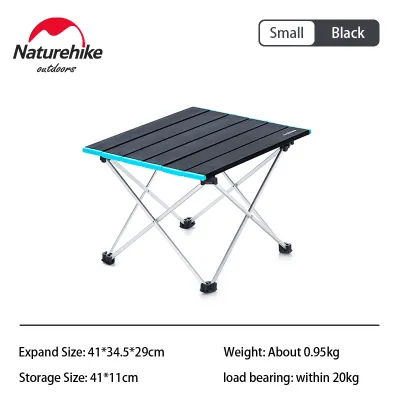
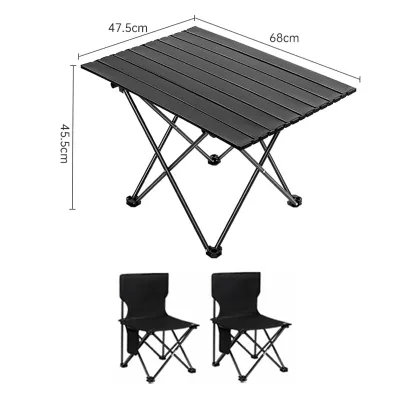
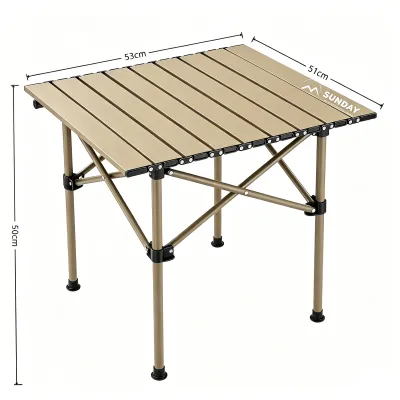
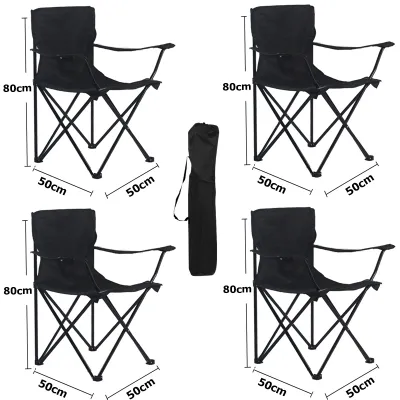
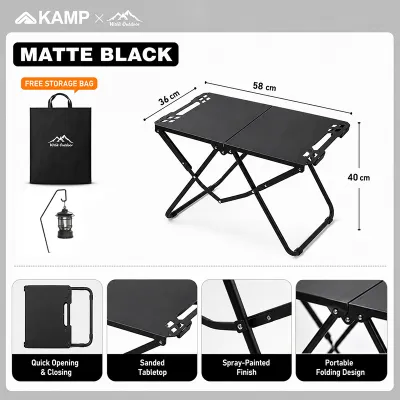
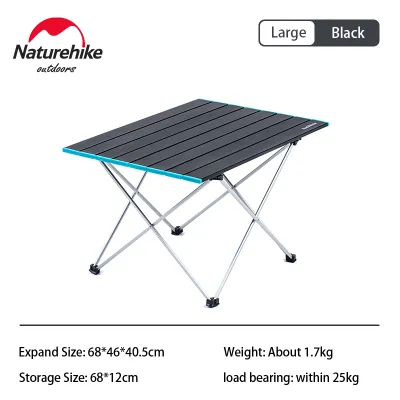
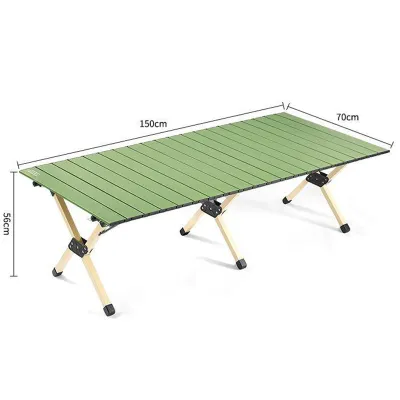
Prices are valid at publication and may change. Please refer to the product page for the latest price.
Comparing Frame Materials for High Humidity and Rain
Selecting the right frame material is the most critical decision when purchasing a camping table meant to survive the wet season. The frame bears the structural load and houses the moving parts that make the 3-way adjustment possible.

Aluminum Alloys
Aluminum is widely considered the premier choice for wet-weather camping gear due to its unique chemical properties. Unlike iron-based metals, aluminum does not contain iron and therefore cannot form iron oxide, which is commonly known as red rust. Instead, when aluminum is exposed to oxygen, it naturally develops a thin, microscopic layer of aluminum oxide that seals the underlying metal and prevents further oxidation.
To maximize protection against the acidic rains and abrasive mud typical of Philippine campsites, look for frames with an anodized or powder-coated finish. Anodizing chemically hardens the outer layer of the aluminum, making it highly resistant to scratches and wear from sliding joint components. Additionally, the lightweight nature of aluminum makes it easy to quickly lift and relocate your table into a vehicle or tent when a sudden tropical downpour begins.
Stainless Steel
Stainless steel is another highly durable option, but it requires a closer look at the specific grade used in the table’s construction. Many budget-friendly outdoor products utilize lower-grade stainless steels, such as 201-grade, which contain less nickel and chromium. In the high-humidity, warm, and sometimes coastal environments of the Philippines, these lower grades can still develop unsightly surface rust and pitting over time.
For reliable wet-season performance, verify that the manufacturer specifies 304-grade (or higher) stainless steel. This grade contains a higher concentration of chromium and nickel, providing superior resistance to corrosion from acidic rain and salty coastal air. The primary trade-off with stainless steel is weight; a stainless steel 3-way table is significantly heavier than its aluminum counterpart, making it less ideal for car camping setups where weight limits or manual carrying distances are a concern.
Powder-Coated Carbon Steel
Carbon steel is exceptionally strong and cost-effective, but it relies entirely on a superficial barrier to prevent rust. Manufacturers apply a dry powder coating that is cured under heat to form a protective skin over the raw steel. While this coating provides excellent initial protection against water, the mechanical friction inherent in a 3-way adjustable table poses a severe risk.
As you slide the legs to adjust heights or fold the frame for transport, the moving parts rub against each other, gradually chipping or wearing away the powder coating at the joints. Once the underlying carbon steel is exposed to the humid tropical air, it will rust rapidly from the inside out, often hidden beneath the remaining coating until structural failure occurs. If you choose this material, you must be prepared for vigilant maintenance and regular touch-ups to seal any exposed metal immediately.
Choosing Tabletops That Withstand Moisture
The tabletop must handle direct exposure to rain, spilled liquids, and hot cooking gear while remaining easy to clean and dry.
Metal, Plastic, and Composite Tops
Aluminum slat roll-tops are highly recommended for rainy-season camping because they dry almost instantly and do not harbor mold or mildew. The individual slats allow water to drain freely through the gaps rather than pooling on the surface.
Alternatively, high-density plastics (such as HDPE) and engineered composite materials offer absolute water resistance. These synthetic surfaces do not absorb moisture, will not warp under extreme humidity, and can be wiped clean of mud and debris in seconds. While metal tops can become hot when exposed to direct tropical sunlight during brief clear spells, their absolute resistance to moisture damage makes them superior for wet-season use.
Treated Wood and Bamboo
Bamboo and natural wood tabletops are popular among campers who appreciate a warm, organic aesthetic. However, these natural materials require strict maintenance and high-quality construction to survive the Philippine wet season. Wood and bamboo are naturally porous; without a flawless, high-quality waterproof sealant or varnish, they will rapidly absorb ambient moisture from the humid air.
When moisture penetrates the wood fibers, it causes the material to swell, warp, and eventually split. Furthermore, the constant dampness creates an ideal breeding ground for black mold and fungal decay. Before purchasing a wooden or bamboo 3-way table, carefully inspect the underside, edges, and joint cutouts to ensure the waterproofing sealant has been applied thoroughly to every surface, especially where hardware is screwed into the wood.
Inspecting the 3-Way Adjustment Mechanisms
When evaluating a 3-way camping table, do not focus solely on the main frame tubes; the small hardware components that enable the table’s adjustability are often the first to fail. The locking pins, hinges, internal springs, and rivets bear the brunt of the mechanical stress and are highly susceptible to moisture entrapment.
Before purchasing, check the product specifications or inspect the table in person to identify the materials used for these small parts. Ideally, the locking pins, springs, and hinges should be constructed from stainless steel, brass, or high-grade copper alloys, even if the main frame is made of aluminum.
Look for design elements that facilitate water shedding, such as built-in drainage gaps in the sliding tracks or sealed bearing joints. Avoid tables that use exposed, uncoated iron screws or rivets at the folding joints. These cheap fasteners will quickly rust in the humid climate, expanding and seizing up the joints, which ultimately ruins the 3-way adjustability of the table.
Post-Camp Maintenance to Stop Rust Before It Starts
Even the most rust-resistant materials require proper care to ensure long-term durability in the demanding climate of the Philippines. Implementing a simple, disciplined post-camp routine will protect your investment and prevent premature wear.
The most critical rule of wet-weather camping maintenance is to never fold and pack away your 3-way table while it is still wet or damp. Storing a wet table inside its carrying bag traps moisture directly against the metal joints, creating a highly corrosive humid chamber that can bypass even high-quality protective coatings.
Follow this straightforward cleaning and maintenance routine after every trip:
- Clean: Wipe down the entire table with a damp cloth to remove mud, sand, and organic debris that can trap moisture against the metal.
- Dry: Use a clean microfiber towel to dry every surface thoroughly, paying close attention to the sliding tracks, hinges, and locking pins.
- Lubricate: Apply a light spray of a plastic-safe, silicone-based lubricant or dry PTFE spray to all moving joints and internal springs to displace residual moisture and prevent seizing.
- Store: Keep the table in a dry, well-ventilated indoor area rather than a damp garage, outdoor shed, or the trunk of your car where humidity levels remain high.
Frequently Asked Questions (FAQ)
Can I use standard WD-40 on my camping table joints to prevent rust?
Standard WD-40 is primarily designed as a solvent and a temporary water displacer, not a long-term lubricant. While it can help dry out wet joints immediately after a rainy camp, it leaves behind a thin, wet residue that actively attracts dust, sand, and mud during your next outdoor trip. This abrasive buildup can wear down protective coatings and damage the sliding mechanisms of your 3-way table. Instead, use a silicone-based spray or a dry PTFE lubricant, which dries completely and repels dirt while providing long-lasting joint protection.
How do I remove early-stage rust from a powder-coated steel frame?
If you notice small spots of red rust forming on a powder-coated steel frame, act quickly to prevent the corrosion from spreading beneath the intact coating. Gently scrub the rusted area using a soft brass wire brush or fine steel wool, applying light pressure to avoid scratching the surrounding healthy powder coat. Once the rust is completely removed and the bare metal is exposed, wipe the area clean with rubbing alcohol to remove any oily residue. Seal the exposed steel immediately by applying a rust-inhibiting touch-up paint or a few layers of clear nail polish to block out moisture and air.

Community discussion
Share your experience or ask a question. Comments are reviewed before publication.