
Selecting the right material for a folding table portable outdoor setup is the most effective way to prevent rust and structural degradation during the intense rainy season in the Philippines. To entirely avoid rust on the main body of the table, anodized or powder-coated aluminum alloys and high-density polyethylene (HDPE) resins are the top-performing materials. While stainless steel (specifically grade 304 or 316) offers exceptional rust resistance, its significant weight makes it less practical for portable use.
Understanding how different materials interact with water, humidity, and heat allows you to make an informed investment. A table that cannot withstand the wet season will quickly develop stiff joints, flaking paint, and structural weaknesses, rendering it unsafe and difficult to fold. By evaluating the material of both the tabletop and the underlying hardware, you can ensure your outdoor furniture survives years of heavy downpours.
Why the Rainy Season Demands Specific Outdoor Table Materials
The tropical wet season in the Philippines presents a harsh environment for outdoor furniture. Characterized by the southwest monsoon (habagat), this period brings continuous heavy rainfall, wind-driven downpours, and sustained relative humidity levels that frequently exceed 80 to 90 percent. Unlike temperate climates where wet spells are followed by dry, low-humidity air, the tropical wet season keeps outdoor surfaces damp for days at a time, preventing natural drying and creating a constant state of moisture exposure.
Products mentioned in this guide
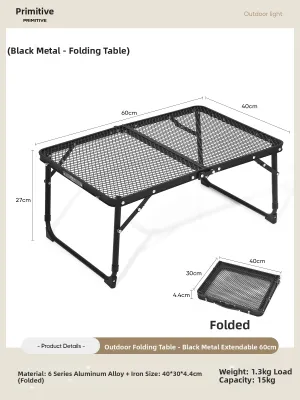
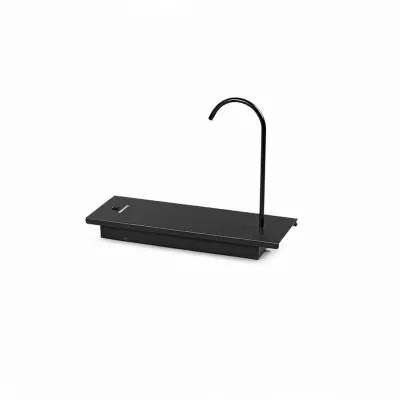
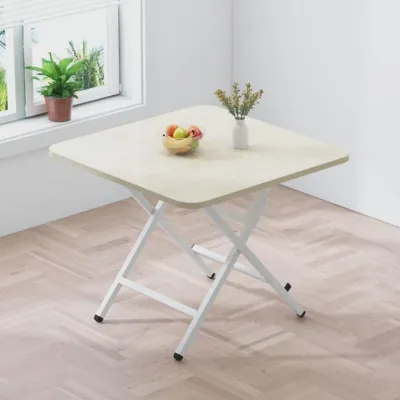
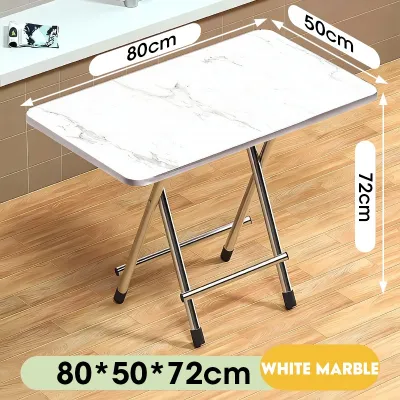
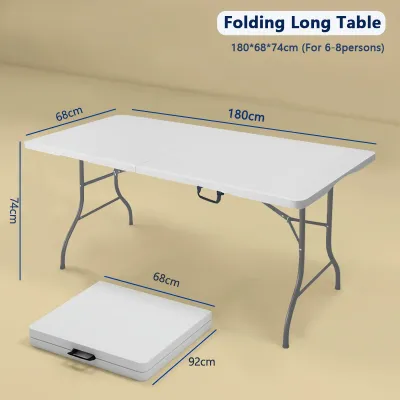
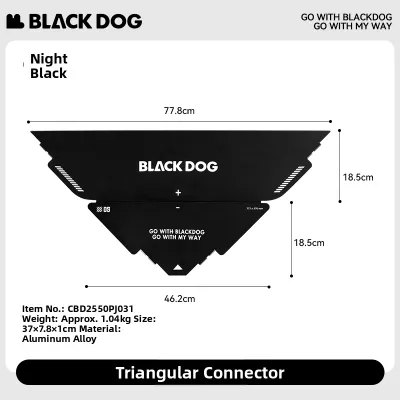
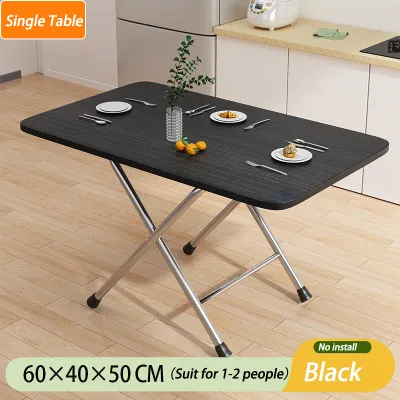
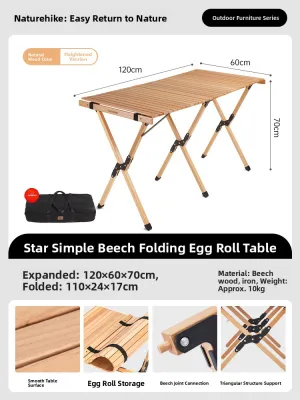
Prices are valid at publication and may change. Please refer to the product page for the latest price.
This persistent moisture accelerates the chemical process of iron oxidation, commonly known as rust. When iron-containing metals are exposed to oxygen and water, they undergo an electrochemical reaction that breaks down the metal structure, creating a brittle, orange-brown flaky residue. In a folding table portable outdoor design, this oxidation is particularly destructive because it targets the moving parts, rivets, and sliding brackets that allow the table to collapse and expand.
It is vital to recognize that a “waterproof” label on a product specification sheet does not automatically mean the item is “rust-proof.” A table may feature a completely waterproof plastic or treated wood top, but if the structural frame, legs, or folding hinges are constructed from low-grade, untreated metals, the table will still fail. True weather resistance requires a material strategy that addresses both the visible surfaces and the hidden structural hardware.
Top Material Categories for Rust-Proof Outdoor Tables
When shopping for a durable folding table portable outdoor model, you must look past generic marketing terms like “all-weather” or “heavy-duty.” Instead, examine the technical specifications, material certifications, and finish types listed by the manufacturer. High-quality outdoor furniture brands will explicitly state the specific metal alloys or polymer types used in their construction.

Aluminum Alloys and Protective Coatings
Aluminum is highly favored for portable outdoor furniture because it does not contain iron, meaning it cannot develop iron rust. When exposed to oxygen, aluminum naturally forms a microscopic, self-limiting layer of aluminum oxide that protects the deeper metal from further environmental degradation. However, raw, untreated aluminum can still undergo a form of corrosion, appearing as a dull white powder, especially when exposed to acidic tropical rainwater or salty coastal air.
To prevent this surface corrosion and maintain an attractive appearance, high-quality aluminum tables undergo surface treatments such as anodizing or powder coating. Anodizing is an electrochemical process that thickens the natural oxide layer, making it an integral part of the metal that cannot chip or peel. Powder coating involves electrostatically applying a dry plastic powder to the metal surface and baking it under heat to create a hard, continuous barrier against moisture.
Beyond its chemical resistance, aluminum is exceptionally lightweight, possessing roughly one-third the density of steel. This makes aluminum tables the ideal choice for portable applications, allowing you to easily carry, fold, and store the furniture in a dry indoor area when sudden tropical storms or typhoons approach.
Stainless Steel and Grade Verification
Stainless steel is an alloy steel containing a minimum of 10.5 percent chromium, which reacts with oxygen to form a passive, self-healing layer of chromium oxide across the surface. This barrier prevents oxygen and moisture from reaching the underlying iron structure. However, the term “stainless” is a misnomer in highly humid, high-rainfall environments; low-grade stainless steels can still corrode if subjected to prolonged wetness or salt exposure.
When evaluating a stainless steel folding table, you should verify the specific grade used in its construction. Grade 304 is the standard outdoor grade, offering excellent resistance to rain and humidity under normal conditions. For coastal regions in the Philippines, where salt-laden air accelerates corrosion, grade 316 (often referred to as marine-grade stainless steel) is superior because it contains molybdenum, an element that specifically resists pitting and crevice corrosion in chloride-rich environments.
While stainless steel provides unmatched structural strength, stability, and resistance to physical wear, it carries a significant weight penalty. A stainless steel folding table is substantially heavier than an aluminum or plastic equivalent, which can limit its portability and make transport to picnics, campsites, or different areas of your garden more difficult.
Non-Metal Alternatives (Resin and High-Density Plastics)
For absolute immunity to rust, non-metal materials like High-Density Polyethylene (HDPE) and heavy-duty resins are excellent choices. These polymers contain no metallic components, meaning they can be exposed to continuous tropical downpours without any risk of oxidation, peeling, or rust-staining. HDPE is commonly used for blow-molded tabletops, providing a highly durable, impact-resistant surface that is easy to clean.
However, plastics face a different environmental threat in the tropics: ultraviolet (UV) radiation. The intense sun that often breaks through between rainy spells can degrade untreated polymers, causing them to fade, become brittle, chalk, and eventually crack under load. When choosing a plastic or resin table, always check the product specifications for UV-stabilization or UV-inhibitor ratings to ensure the material can withstand tropical sunlight.
It is also critical to note that while the tabletop itself may be made of rust-proof HDPE, the structural support frame, scissor legs, and folding hinges are almost always constructed of metal. Therefore, choosing a plastic table does not excuse you from verifying the material and coating quality of the underlying metal frame.
Hidden Rust Risks: Hardware, Hinges, and Joints
A common mistake when purchasing a folding table portable outdoor unit is focusing solely on the primary material of the tabletop and legs while ignoring the small connecting hardware. The hinges, rivets, screws, locking pins, sliding brackets, and spring-loaded buttons are the actual operational core of any folding table. If these components rust, the table may become permanently locked in either an open or closed position, or the joints may fail entirely under load.
These small hardware components are frequently the first parts to fail because they are often made of cheap, zinc-plated carbon steel, even on tables that feature premium aluminum frames. Zinc plating (often referred to as galvanized or electroplated steel) provides only a very thin layer of protection. Under the friction of folding and unfolding, this thin zinc layer quickly wears away, exposing the raw steel underneath to the high humidity of the rainy season.
Before purchasing, conduct a physical or visual inspection of the table’s joints and hardware:
- Check for exposed fasteners: Look for stainless steel or solid brass screws and rivets, which offer superior corrosion resistance compared to standard steel screws.
- Examine joint tolerances: Ensure that sliding metal brackets have protective plastic or nylon washers between moving parts to prevent metal-on-metal friction from scraping away protective coatings.
- Verify hardware specifications: If the manufacturer's product description does not explicitly state the material of the hinges and screws, contact the retailer or manufacturer to confirm whether they are rust-resistant.
Materials to Avoid or Use with Strict Maintenance
To minimize the risk of structural failure and unsightly stains during the wet season, certain materials should be avoided entirely, or only used if you are prepared to perform demanding, regular maintenance.
Untreated carbon steel and standard wrought iron should be avoided for portable outdoor use. These metals lack inherent corrosion resistance and will begin to rust within days of exposure to tropical rain and high humidity. While they are heavy and stable, their high susceptibility to oxidation makes them highly impractical for the Philippine wet season.
Powder-coated steel is a very common material for budget-friendly folding tables, but it presents hidden risks. While a pristine powder coat provides excellent protection, portable tables are naturally subjected to bumps, scratches, and rough handling during transport and storage. Once the hard outer coating is chipped or scratched, rainwater penetrates to the raw steel beneath. Because the moisture cannot easily evaporate from under the intact paint, it spreads horizontally, causing the steel to rust invisibly until the powder coating bubbles, cracks, and flakes off in large sheets.
Additionally, avoid mixed-material tables that combine metal frames with unsealed wood, plywood, or Medium-Density Fiberboard (MDF) tops. MDF and non-exterior grade plywood absorb moisture from the humid air, causing the wood fibers to swell, warp, and rot. This trapped moisture is held directly against the metal frame and mounting screws, creating a localized high-humidity zone that rapidly accelerates rust in the adjacent metal joints.
Rainy Season Care: Cleaning, Drying, and Storage
Even the most rust-resistant folding table portable outdoor materials require systematic maintenance to maximize their lifespan and preserve their folding mechanisms during the wet season. Implementing a regular care routine prevents the buildup of corrosive elements and ensures smooth operation.
- Routine Cleaning: After exposure to rain, wipe down the table surfaces and frame with a soft microfiber cloth and a mild solution of dish soap and warm water. This removes acidic rain residue, dirt, and organic matter that can trap moisture and slowly degrade protective powder coatings or anodized finishes. Avoid using abrasive scrubbing pads, steel wool, or harsh chemical cleaners containing bleach or ammonia, as these can scratch or strip away protective surface treatments. Always check the manufacturer's care instructions before applying any cleaning agents.
- Drying Protocols: Never fold and store a damp table. Folding a wet table traps moisture inside the hinges, joint brackets, and hollow leg tubes, creating a humid micro-environment that accelerates corrosion even on treated metals. Allow the table to air-dry completely in a shaded, well-ventilated area before collapsing it for storage.
- Storage Conditions: During the height of the rainy season, store your folded table in a dry, elevated indoor space, such as a utility closet, garage, or dry storage room. If the table must be kept outdoors on a patio or balcony, use a heavy-duty, breathable, waterproof furniture cover. Avoid tight, non-breathable plastic tarps, which trap rising ground moisture and create a greenhouse effect that accelerates rust.
- Hardware Care: Periodically apply a light coating of a manufacturer-approved silicone spray or dry lubricant to the moving hinges, locking pins, and sliding joints. These lubricants displace moisture and form a thin protective barrier that prevents water from settling in tight metal-on-metal tolerances. Avoid heavy greases or wet oils, which can attract dirt, sand, and debris, leading to abrasive wear on the folding mechanisms.
Frequently Asked Questions (FAQ)
Is powder-coated steel safe to leave outside during heavy rains?
Powder-coated steel is not recommended for prolonged, unprotected exposure to heavy tropical rains. While the powder coating itself is waterproof, portable folding tables are highly prone to minor scratches and chips during transport and setup. Once the protective coating is breached, rainwater and high humidity will reach the underlying steel, leading to rapid rust that spreads beneath the paint and causes it to peel. If you use a powder-coated steel table, it should be folded and stored indoors or covered with a breathable waterproof cover when not in use.
How should I store a portable folding table during a typhoon or severe storm?
During a typhoon or severe tropical storm, you should always fold the table completely and move it to a secure, dry indoor location. Portable folding tables are lightweight by design, meaning high winds can easily lift, tip, or throw them, causing severe damage to the table, surrounding property, or risking personal injury. If indoor storage is absolutely unavailable, lay the folded table flat on the ground in a highly sheltered area, secure it to a heavy anchor point using tie-down straps, and protect it with a tightly secured, breathable waterproof cover to prevent waterlogging and wind damage.

Community discussion
Share your experience or ask a question. Comments are reviewed before publication.