
When managing a compact study room or home office in the Philippines, space is always at a premium. Bookcases often become overcrowded quickly, leading to cluttered desks and misplaced reference materials. Selecting a dedicated books shelves organizer is one of the most efficient ways to restore order, maximize vertical space, and keep your study materials accessible. By introducing targeted organizing tools, you can transform a single, cluttered shelf into a multi-tiered storage system without having to buy a completely new piece of furniture. The key to success lies in choosing organizers that match your specific shelf dimensions, weight limits, and the unique tropical climate conditions of your home.
Assess Your Bookcase Space Before Buying
Before purchasing any organizers, it is essential to conduct a thorough physical audit of your existing bookcase. Many homeowners make the mistake of buying storage bins or racks based solely on visual appeal, only to find they do not fit the depth of their shelves or that they overload the structure.
Begin by taking precise measurements of your bookcase compartments. Use a reliable metal tape measure to record three critical dimensions: the clear internal depth from the back panel to the front edge, the exact height between each shelf, and the total usable width of each section. If your bookcase has glass doors, measure the clearance with the doors fully closed, as handles, magnetic latches, or protruding hinges can reduce the usable depth by several centimeters.
Products mentioned in this guide
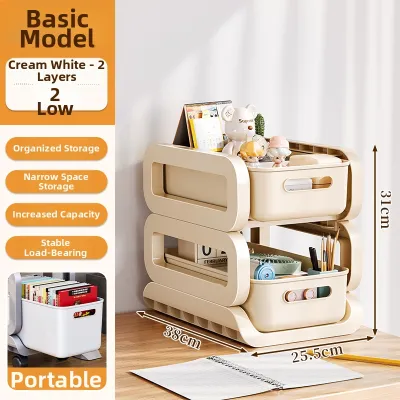
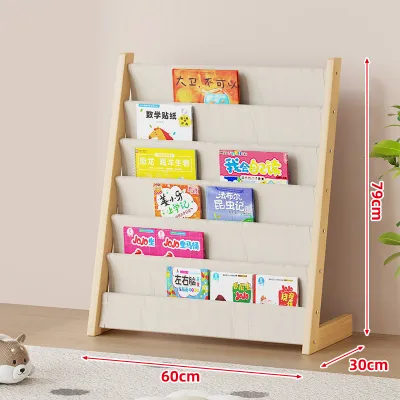
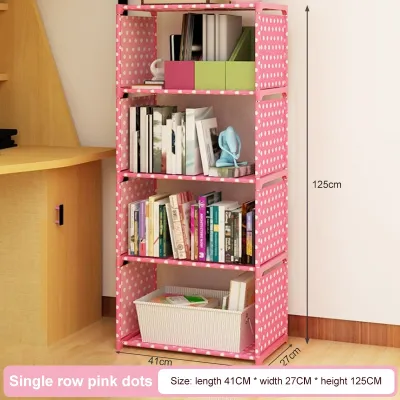
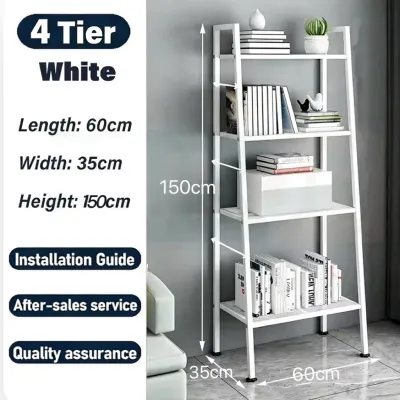

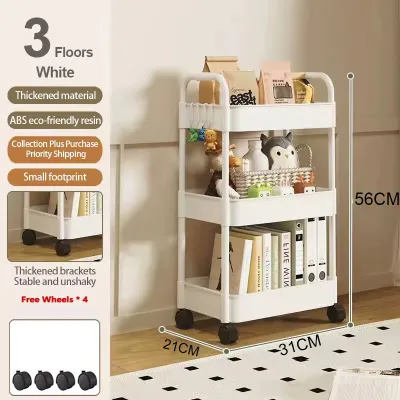
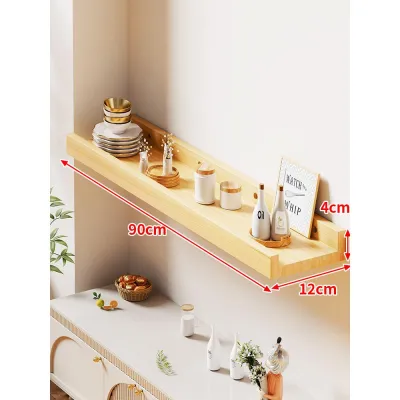
Prices are valid at publication and may change. Please refer to the product page for the latest price.
Next, evaluate the load capacity of your shelves. Standard manufactured wood bookcases, such as those made of particleboard or medium-density fiberboard (MDF), are highly susceptible to sagging under heavy loads. Look closely at the center of each shelf for any existing bowing. If you notice even a slight curve, your shelves are already near their weight limit, and adding heavy metal organizers or stacking more textbooks will worsen the damage. Check how the shelves are supported; look for sturdy metal support pins rather than thin plastic pegs, and verify if the shelves are fixed or adjustable.
Finally, identify any physical obstacles within the bookcase. Note the presence of shelf-adjustment holes, support brackets, or decorative trim along the edges. These features can prevent wide bins or under-shelf baskets from sitting flat or sliding in smoothly. By mapping out these constraints beforehand, you can narrow down your choices to organizers that fit perfectly and distribute weight safely.
Best Types of Books Shelves Organizer for Small Studies
To optimize a small study room, you must move beyond simple horizontal lining of books. Utilizing different styles of organizers allows you to take advantage of unused vertical space, organize loose stationery, and keep your most-used reference texts upright and accessible.

Bookends, Bookstands, and Supports
Vertical supports are fundamental for keeping books upright, preventing them from sliding, and maximizing the usable width of your shelves. When books lean at an angle, they occupy significantly more horizontal space and put uneven lateral pressure on the bookcase frame.
L-shaped metal bookends are excellent for heavy textbooks and thick reference manuals. Because the weight of the books rests directly on the flat base of the bookend, the support is held firmly in place by the books themselves. For lighter novels, notebooks, or decorative journals, weighted acrylic bookends offer a clean, minimalist aesthetic that keeps the shelf looking open and airy.
Another highly versatile option is the adjustable accordion-style metal bookstand. These supports can expand or contract as your collection changes, keeping a small group of books tightly bound together on a desk or shelf.
However, standard bookends do have limitations. They require a minimum weight or number of books to remain stable; if you only have one or two thin notebooks, a lightweight bookend may slide or tip over. To prevent this, ensure the base of the bookend has a non-slip grip or place them against the solid side panel of the bookcase.
Stackable Bins and Wire Baskets
Small study rooms often suffer from a buildup of loose items like chargers, highlighters, calculators, and loose-leaf notes. Stackable bins and wire baskets are ideal for corralling these smaller items, converting chaotic piles into neat, categorized compartments.
In the Philippines, where high relative humidity can lead to moisture buildup and musty odors in enclosed spaces, wire baskets are highly recommended. The open-mesh design allows for continuous air circulation around your items, reducing the risk of mold growth on paper-based materials.
When choosing stackable bins, fabric options made of canvas or linen can add a soft, textured look to your study. However, in non-air-conditioned rooms, plastic or metal wire bins are generally more practical as they are easier to wipe clean and do not absorb ambient moisture.
The primary limitation of wire baskets is that small items, such as paperclips, flash drives, or thin pens, can easily fall through the gaps. To resolve this, look for wire baskets that feature fine mesh patterns, or add a simple solid liner to the bottom of the basket before filling it.
Under-Shelf Hanging Baskets and Racks
One of the most underutilized areas in any bookcase is the “dead space” directly beneath each shelf. If your shelves are spaced far apart, you likely have several inches of empty vertical space above your books. Under-shelf hanging baskets are designed specifically to reclaim this area.
These organizers feature flat metal arms that slide directly onto your existing shelf, suspending a wire or acrylic basket underneath. They are perfect for storing flat, lightweight items that would otherwise clutter your desk, such as folders, tablets, notebooks, or thin workbooks.
Before purchasing an under-shelf rack, you must verify the thickness of your existing shelf. Most hanging brackets are designed for standard shelf thicknesses ranging from 1.5 to 2.5 centimeters. If your shelf is too thick, the bracket will not slide on; if it is too thin, the basket may droop forward.
Additionally, ensure that the metal arms of the bracket do not interfere with the books placed on the shelf above. The brackets should sit flat against the upper surface so that books can still be stacked or stood upright without wobbling.
Tiered Risers and Display Stands
If you store smaller items, pocketbooks, or decorative study aids on your shelves, they can easily get lost behind taller textbooks. Tiered risers, which function like miniature staircases, solve this visibility issue by creating staggered levels of storage.
Commonly made from clear acrylic or sustainable bamboo, tiered risers allow you to place smaller notebooks, flashcards, or reference guides at the back of the shelf on an elevated platform, while keeping larger items in front. This setup ensures that every item remains visible and easily reachable, eliminating the need to rummage through deep shelves.
Keeping your essential study tools at eye level on a riser also helps maintain focus during long study sessions, as everything has a designated, visible home.
Keep in mind that tiered risers consume a significant amount of vertical space. They are best suited for taller shelf compartments where there is ample clearance above the top tier, preventing your items from hitting the shelf ceiling.
What to Check Before Buying: Materials and Limits
When browsing online marketplaces or local furniture shops in the Philippines, it is easy to be swayed by attractive product photos. However, to ensure your organizers are safe, durable, and functional, you must verify specific material properties and physical limits.
Do not assume that an organizer is strong enough for heavy academic textbooks simply because it is made of metal or acrylic. Always check the manufacturer’s stated weight capacity. Heavy law, medical, or engineering textbooks can easily weigh over two kilograms each; a flimsy wire basket or thin plastic shelf divider can bend or crack under this concentrated load. In local online marketplaces, basic metal bookends can range from ₱150 to ₱400, while premium heavy-duty acrylic dividers or adjustable metal bookstands may cost between ₱500 and ₱1,200.
Given the tropical climate of the Philippines, rust resistance is a critical factor for any metal organizer. Untreated iron or low-grade steel will quickly corrode when exposed to humid air. Look for metal organizers that feature durable powder coatings, chrome plating, or are made of stainless steel. Inspect the joints and welds of wire baskets to ensure there are no exposed, unpainted metal points where rust can start.
If you prefer the clean look of acrylic, pay close attention to the thickness specification. High-quality, load-bearing acrylic organizers should have a thickness of at least 3 to 4 millimeters. Thin acrylic is prone to bowing under pressure and can crack easily if dropped or subjected to sudden impacts.
Protecting your existing furniture is another major consideration. Metal brackets, rough wire edges, and hard plastic bases can easily scratch wooden veneers, lacquer finishes, or glass shelves. Always verify if the organizer includes protective features such as non-slip silicone feet, felt pads, or rubberized tips on mounting brackets. If these are not included, you will need to apply your own protective buffers.
Lastly, double-check the exact exterior dimensions of the organizer against your pre-measured shelf limits. Ensure that the organizer does not protrude past the front edge of the shelf, as this can disrupt the visual flow of your study room and interfere with doors or walkways.
Quick Comparison of Organizer Categories
To help you decide which organizer best suits your current study setup, the table below summarizes the key features, benefits, and limitations of each category.
| Organizer Category | Best Used For | Primary Space-Saving Benefit | Key Limitation to Check |
|---|---|---|---|
| Bookends & Supports | Heavy textbooks, manuals, and upright journals | Prevents books from sliding; maximizes horizontal shelf width | Requires a minimum weight or book count to stay stable |
| Stackable Bins | Loose stationery, cables, and small study supplies | Utilizes vertical height; groups small items into neat categories | Solid bins can restrict air circulation in humid areas |
| Under-Shelf Baskets | Flat items, folders, tablets, and thin workbooks | Reclaims unused dead space directly beneath shelves | Bracket thickness must match your existing shelf |
| Tiered Risers | Small notebooks, flashcards, and study accessories | Staggers items to improve visibility and access at the back | Consumes significant vertical clearance |
Arrange and Maintain Your Study Bookcase
An organized bookcase is not a one-time project; it requires thoughtful arrangement and regular maintenance to remain functional and safe over time.
When arranging your study materials, group them by frequency of use. Place your daily reference books, active notebooks, and essential stationery at eye level where they can be reached effortlessly. Archival documents, older textbooks, and seasonal study materials should be placed on the very top or bottom shelves.
In the Philippines, preventing mold and mildew is a constant battle. Avoid packing your books and organizers too tightly against each other or against the back wall of the bookcase. Leaving small gaps of one to two centimeters allows air to circulate freely, which helps keep the humidity levels balanced and prevents mold spores from settling on paper surfaces.
Establish a routine to declutter your study bookcase at the end of every school semester or fiscal year. Remove outdated handouts, dried-up pens, and reference materials you no longer need. This practice prevents your organizers from becoming overcrowded and ensures you only store what is truly useful.
Finally, perform a structural safety check every few months. Inspect your bookcase shelves for any signs of bowing or sagging. If you notice a shelf starting to bend, immediately redistribute the weight by moving heavy textbooks to the lowest shelf or closer to the vertical side supports where the structure is strongest. Check that all shelf support pins are securely seated in their holes to prevent accidental collapses.
Frequently Asked Questions (FAQ)
How do I prevent wire baskets from scratching my wooden shelves?
To protect your wooden shelves from scratches, look for wire baskets that feature built-in protective coatings, such as vinyl-dipped brackets or pre-attached silicone feet. If your chosen organizer lacks these features, you can easily apply adhesive felt strips, rubber bumpers, or clear silicone tape to any metal contact points. Additionally, avoid overloading the basket with heavy items, as excessive weight increases friction and pressure, making scratches more likely when the basket is slid in and out.
Are acrylic organizers safe for heavy textbooks?
Acrylic organizers can be safe for heavy textbooks, but their safety depends entirely on the manufacturer’s specified material thickness and weight limits rather than the material name alone. For heavy academic books, look for premium acrylic organizers with a thickness of at least 4 millimeters and reinforced joints. Avoid using thin, lightweight acrylic dividers for oversized or heavy volumes, as they can easily bow, crack, or tip over under concentrated pressure.
Community discussion
Share your experience or ask a question. Comments are reviewed before publication.