
Finding the right balance between storage and floor space is a common challenge when setting up a home office in a compact home or urban condo. When floor space is limited, the best shelf types are those that utilize vertical wall space, fit into underused corners, or offer flexible, low-profile configurations. Wall-mounted floating shelves, corner units, and leaning ladder shelves are highly effective solutions that keep your workspace organized without making the room feel cramped.
Assessing Your Small Office Space and Storage Needs
Before purchasing any shelving unit, it is essential to evaluate the physical boundaries of your room and the specific items you need to store. Start by measuring your available floor area and ceiling height, taking note of existing furniture like your desk, office chair, and filing cabinets. In compact rooms, every centimeter counts, so understanding the footprint of your current setup prevents you from buying shelves that restrict movement.
Next, categorize your office essentials by weight and how often you use them. Heavy items, such as printers, reference manuals, and stacks of printing paper, require sturdy support and should be kept within easy reach but off your main desktop. Lightweight items, including stationery, routers, and decorative plants, can go on higher or less robust shelves.
Products mentioned in this guide
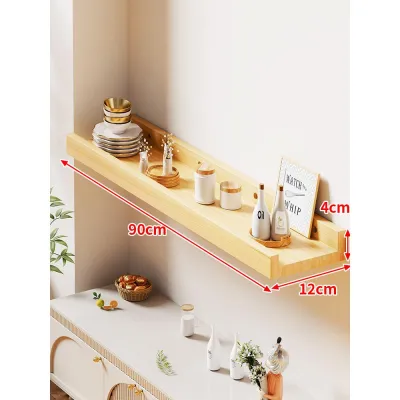
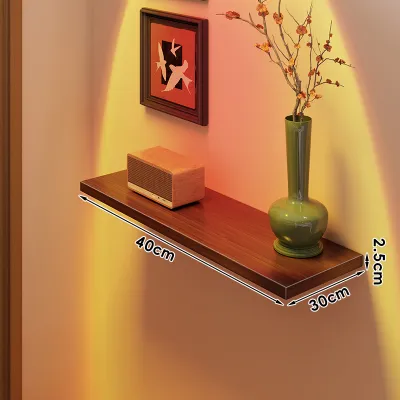
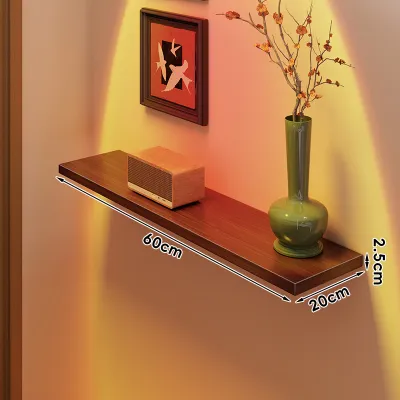
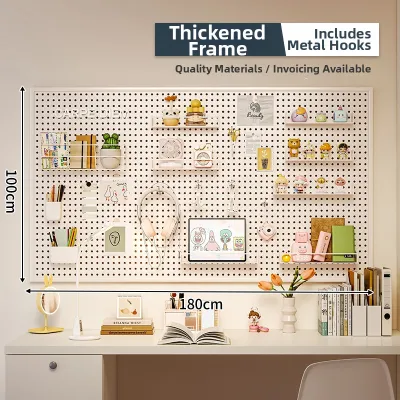
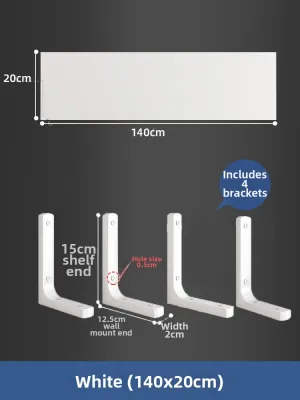
Prices are valid at publication and may change. Please refer to the product page for the latest price.
Finally, map out the traffic flow in your room. Ensure that any shelf you choose does not block the swing of doors, wardrobe panels, or your office chair. A shelf that forces you to squeeze past or constantly adjust your seating position will quickly become a daily frustration.
Wall-Mounted and Floating Shelves for Vertical Storage
When floor space is at an absolute premium, wall-mounted and floating shelves offer an excellent way to reclaim underutilized vertical space. By mounting shelves directly above your desk or computer monitor, you can keep essential tools close at hand while keeping your desktop completely clear. This setup is particularly useful for holding small speakers, pen holders, and reference notebooks.

Visually, floating shelves create an airy, open feel because they lack bulky side panels or vertical supports. This lack of visual clutter is highly beneficial in small rooms, as it allows light to pass through and makes the walls appear further apart. Choosing finishes that match your wall color can further enhance this clean, integrated look.
However, wall-mounted shelves come with strict weight limitations that you must verify before installation. Because they rely entirely on wall brackets and anchors, they are not suitable for heavy office equipment like laser printers or massive book collections. Additionally, the high humidity levels typical of the tropical climate in the Philippines mean you should check that wooden shelves are properly sealed to prevent warping, and metal brackets are powder-coated to resist rust. Always verify the manufacturer’s rated load capacity and ensure you use the correct mounting hardware for your specific wall type.
Corner and Ladder Shelves for Awkward or Narrow Zones
If you have an awkward alcove or an empty corner that cannot accommodate a standard desk or cabinet, specialized shelving can turn these dead zones into highly functional storage. Corner shelves are designed specifically to hug the intersection of two walls, making them perfect for holding compact items like Wi-Fi routers, small desk fans, or decorative items that personalize your workspace. By utilizing the corner, you keep the main walls free for larger furniture or windows.
Ladder shelves, which lean against the wall or stand as self-supporting A-frames, offer another space-saving alternative. These units typically feature a tapered design, with shallower shelves at the top and deeper shelves at the bottom. This tiered structure provides easy access to items of varying sizes while maintaining a relatively small footprint on the floor.
When using tall corner units or leaning ladder shelves, stability is a critical safety consideration. Even if a ladder shelf is designed to lean naturally, it can easily slide or tip if bumped, especially on smooth tile or polished wood floors. Always check if the unit includes wall-anchoring hardware, and secure it firmly to the wall to prevent accidental tipping.
Freestanding and Modular Shelving for Flexible Layouts
For those who rent their homes or prefer not to drill permanent holes into their walls, freestanding and modular shelving units offer excellent flexibility. Low-profile bookcases—those that sit at or below desk height—are ideal for keeping sightlines open. By keeping the upper half of your walls clear, you allow natural light to circulate freely, which makes a small home office feel significantly larger and less claustrophobic.
Modular cube shelves are another highly adaptable option for tight spaces. These systems allow you to stack and arrange individual cubes to fit your specific room layout, whether that means building a low horizontal console under a window or fitting a stepped configuration beneath a sloped ceiling. As your storage needs change, you can easily add, remove, or reconfigure the cubes.
If your home office is carved out of a shared space, such as a corner of your living room or bedroom, open-back freestanding shelves can serve as a practical room divider. An open-back design allows you to physically separate your work zone from your living zone without blocking natural light or airflow. This helps maintain a healthy work-life boundary while keeping both areas feeling bright and connected.
Planning Your Layout and Checking Structural Limits
A successful shelving installation requires careful planning and a clear understanding of your home’s structural limits. Begin by measuring clearances around your workspace, ensuring there is ample room for your office chair to glide back and for you to stand up comfortably without bumping into low-hanging shelves. Also, check the location of power outlets and light switches to ensure your shelves do not block access to essential electrical connections.
Identifying your wall type is the most critical step before drilling or mounting any hardware. In the Philippines, residential walls are commonly constructed from solid concrete, hollow concrete blocks, or gypsum drywall. Each material requires a specific type of wall plug or anchor; using the wrong hardware can lead to shelf failure and damage to your equipment.
When organizing your shelves, always practice proper load distribution. Place your heaviest items, such as reference binders or storage boxes, on the lowest shelves or closest to the wall brackets. This keeps the center of gravity low, reducing the strain on the mounting hardware and minimizing the risk of the unit tipping forward.
Finally, know when to stop and seek professional assistance. If you encounter unexpected resistance while drilling, suspect the presence of concealed electrical wiring or water pipes, or are dealing with a load-bearing concrete wall that requires heavy-duty rotary hammer drills, halt the installation immediately. Consulting a qualified local handyman or carpenter ensures a safe, secure, and level installation that protects both your walls and your valuable office gear.
Frequently Asked Questions (FAQ)
Can I install wall shelves on hollow blocks or drywall?
Yes, you can install wall shelves on both hollow blocks and drywall, but you must use the correct anchoring hardware designed for each material. For hollow concrete blocks, standard plastic wall plugs may not expand securely; instead, use heavy-duty sleeve anchors or toggle bolts that grip the inner cavity of the block. For gypsum drywall, standard screws will pull out easily under weight, so you must use specialized drywall anchors, such as self-drilling threaded anchors or expansion toggles. Always check the manufacturer’s weight limits for both the shelves and the specific anchors you purchase, and avoid overloading the setup.
How deep should shelves be for a small desk setup?
For a small home office, shelves positioned directly above or near your desk should ideally have a shallow depth of 15 to 25 centimeters. This depth is perfectly adequate for standard books, notebooks, routers, and small storage bins without protruding so far that they block your view or cause you to bump your head when leaning forward. If you must store larger items like printers or deep storage crates, place them on a separate freestanding unit or a low-profile shelf situated away from your primary seating and chair clearance zone.
Community discussion
Share your experience or ask a question. Comments are reviewed before publication.