
The best shelves rack for a home study room depends on your storage volume, floor space, and local indoor environment. For heavy book collections, a sturdy freestanding bookcase offers the necessary depth and weight capacity. If floor space is limited, wall-mounted shelves maximize vertical areas, while ladder shelves provide a modern, lightweight option for mixed storage. In tropical climates with high humidity, selecting materials with moisture-resistant finishes or rust-proof coatings is essential to keep your study materials safe and your shelving stable over time.
Assessing Your Study Room Space and Storage Needs
Before purchasing any shelving unit, evaluate the physical dimensions of your study room and the specific items you plan to store. Start by measuring the available floor space, wall area, and ceiling height. Take note of baseboards, light switches, window frames, and electrical outlets to ensure your new rack will not block access or create safety hazards. If you live in a condominium or a house with tight hallways, measure your doorways and stairwells to confirm the furniture pieces can actually be delivered and brought inside.
Next, categorize your storage items to determine the required load capacity and shelf depth. Standard novels and paperbacks fit comfortably on shelves with a depth of 20 to 25 centimeters, while large binders, reference manuals, and textbooks require a depth of 30 centimeters or more. Estimate the total weight of your collection, keeping in mind that a linear meter of tightly packed books can weigh up to 30 kilograms. If you plan to store heavy equipment like printers or desktop towers, you will need a heavy-duty rack with reinforced supports rather than a delicate decorative shelf.
Products mentioned in this guide
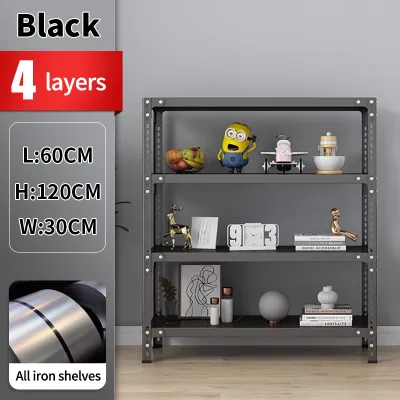
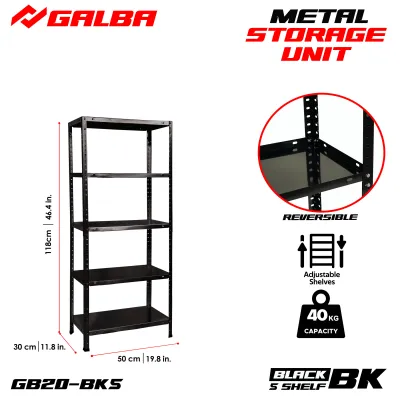

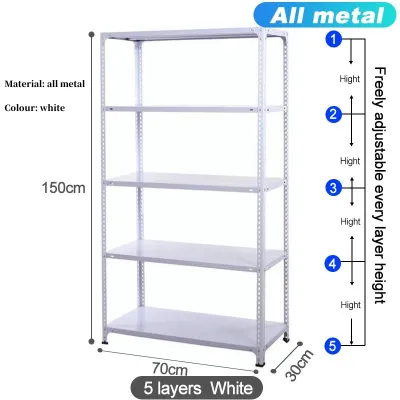
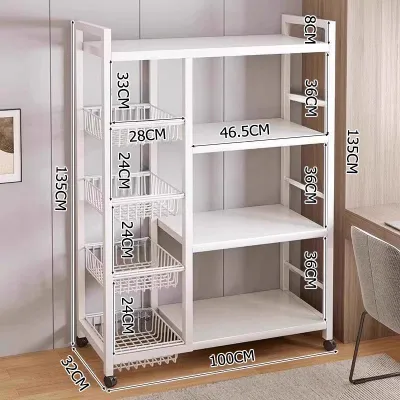


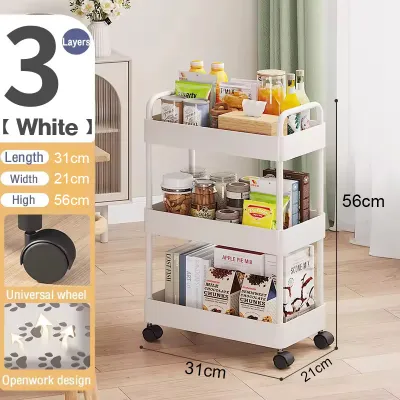
Prices are valid at publication and may change. Please refer to the product page for the latest price.
Finally, consider the local indoor climate. High humidity levels can cause untreated wood to warp and mold, while low-quality metal frames may rust over time. Choosing materials that can withstand tropical conditions ensures your storage solution remains durable and safe for your valuable documents and electronics.
Top Shelves Rack Styles for Home Study Areas
Different shelving styles serve distinct functional and aesthetic purposes in a home office. Understanding the strengths and limitations of each design allows you to choose a configuration that aligns with your daily workflow and space constraints.

Freestanding Bookcases and Storage Racks
Freestanding bookcases and utility racks are the traditional choice for dedicated study rooms with ample floor space. These units stand independently on the floor, offering excellent stability and high weight capacities for extensive book collections and heavy office equipment. Because they do not rely on wall studs for primary support, they can be placed against almost any flat wall or even used as room dividers to separate your workspace from a living area.
When selecting a freestanding rack, look for models with adjustable shelves, which allow you to customize the vertical spacing as your collection grows. Pay close attention to the base design; wide, flat bases or units with adjustable leveling feet are ideal for maintaining stability on slightly uneven floors. For safety, especially in areas prone to seismic activity or if you have pets, always plan to anchor tall freestanding units directly to the wall using anti-tip hardware.
Material choice is critical for freestanding units. Solid wood and high-density fiberboard with water-resistant laminates resist sagging under heavy loads and hold up well against ambient moisture. If you prefer an industrial look, powder-coated steel wire racks offer exceptional ventilation, which helps prevent musty odors and mold growth on paper documents in humid environments.
Wall-Mounted Shelves and Floating Racks
Wall-mounted shelves and floating racks are excellent for small study rooms or multi-purpose spaces where floor area is at a premium. By utilizing vertical wall space, these shelves keep your desk clear and preserve valuable floor space for your chair, filing cabinets, or a small waste bin. They create a clean, modern aesthetic and can be installed at any height to keep frequently used reference books or office supplies within arm’s reach.
The primary consideration for wall-mounted shelving is the structural integrity of your walls. Concrete, brick, and solid masonry walls offer the strongest support, allowing you to install heavy-duty brackets that can carry substantial weight. For drywall or plasterboard walls, you must locate the wooden or metal studs behind the wall and secure the shelf brackets directly into them using appropriate wall anchors and screws.
To prevent sagging, avoid overloading floating shelves that lack visible support brackets, as these typically have lower weight limits than bracketed systems. Use wall-mounted racks primarily for lighter items, such as decorative plants, small speakers, stationery organizers, and a curated selection of daily-use books.
Ladder and Tiered Shelving Units
Ladder and tiered shelving units offer a stylish, contemporary alternative to traditional bookcases. These racks feature a leaning or A-frame design where the shelves gradually decrease in depth from bottom to top. This progressive depth makes them feel less bulky than standard cabinets, allowing natural light to flow more freely through your study room.
The deeper bottom shelves of a ladder rack are perfect for storing larger items like storage baskets, printer paper, or heavy binders. The narrower top shelves work beautifully for smaller books, framed photos, or small desk lamps. This layout encourages an organized, visually balanced display that keeps your workspace feeling open and inviting.
While ladder shelves are highly versatile and easy to move, they generally have lower overall weight capacities than heavy-duty freestanding racks. They are best suited for casual readers, students, or professionals who use a mix of digital and physical resources and do not need to store massive volumes of heavy paper documents.
Key Features to Check Before Buying
To ensure your chosen shelves rack is a practical, long-term investment, verify several key specifications and construction details before making a purchase. First, check the material finish and edge banding. In humid climates, exposed particleboard or unsealed wood edges can absorb moisture from the air, leading to swelling, peeling, and structural weakening. Look for fully sealed edges, melamine laminates, or powder-coated metal frames that provide a protective barrier against moisture.
Second, examine the shelf support mechanisms. Metal shelf pins or heavy-duty brackets are far more durable than plastic pegs, which can become brittle and snap under load. If you are buying a metal utility rack, verify that the wire shelves have reinforced central support ribs to prevent bowing over time.
Third, assess the assembly requirements and hardware quality. High-quality furniture pieces use cam locks, dowels, and threaded metal inserts rather than simple wood screws, ensuring the joints remain tight even if you need to disassemble and move the rack in the future. Always check if the package includes clear assembly instructions, all necessary hardware, and wall-anchoring safety kits.
Configuring Your Shelves Rack for Maximum Efficiency
Once your shelving unit is assembled and in place, organizing it strategically will boost your productivity and keep your study room clutter-free. Place your most frequently used items—such as daily planners, current reference books, and writing tools—on the shelves closest to your seated eye level and within easy reach. This minimizes the need to constantly stand up or stretch while working.
Store heavy, bulky items like archive boxes, printer paper, and large binders on the lowest shelves to keep the center of gravity low, which significantly improves the stability of the rack. Use the highest shelves for seasonal items, archived files, or decorative elements that you do not need to access regularly.
To maintain a tidy appearance, incorporate storage bins or baskets on open shelves to corral loose items like cables, chargers, and office supplies. Grouping books by category or project and using sturdy bookends will prevent them from tipping over, keeping your study room looking organized, professional, and ready for focused work.
Frequently Asked Questions (FAQ)
How do I know if my wall can support a mounted shelves rack?
To determine if your wall can support a mounted shelves rack, identify the wall material. Solid concrete or brick walls can support heavy loads when paired with masonry wall plugs and sturdy screws. For hollow drywall or plasterboard walls, use a stud finder to locate the internal wooden or metal studs, as securing brackets directly into the drywall without stud support can lead to wall damage and shelf collapse. Always check the manufacturer’s weight rating for both the shelf and the mounting hardware before installation.
Should I choose open shelves or closed cabinets for a study room?
The choice between open shelves and closed cabinets depends on your storage habits and the local environment. Open shelves provide quick, unobstructed access to your books and supplies, making them ideal for active workspaces where you need to grab items quickly. However, they expose your belongings to dust and require regular cleaning. Closed cabinets or units with glass doors protect your books from dust and humidity while hiding visual clutter, making them a better option for long-term storage or for maintaining a highly minimalist aesthetic.
Community discussion
Share your experience or ask a question. Comments are reviewed before publication.