
Protecting books from dust in the Philippines requires shelves with cover options—specifically enclosed bookcases with tight-fitting doors, robust seals, and moisture-resistant finishes. In a tropical climate characterized by heavy dust, high humidity, and seasonal monsoons, open shelving leaves pages vulnerable to rapid deterioration. Enclosed storage acts as a vital physical shield, preserving precious volumes, textbooks, and documents from environmental damage while reducing the need for constant maintenance.
By choosing the right covered shelving design, you can safeguard your library from the unique atmospheric challenges of tropical living. This guide explores the critical features to look for, compares the most effective door styles, and outlines practical maintenance routines to keep your collection pristine.
Why Dust and Humidity Demand Covered Shelves in the Philippines
The climate in the Philippines presents unique hurdles for book collectors and home office organization. High relative humidity, often exceeding 80% during the rainy season, softens paper fibers and weakens book bindings. When airborne dust—composed of skin cells, outdoor soil, pollen, and vehicular emissions—settles on these humid, softened pages, it forms a sticky layer that is difficult to remove without causing abrasive damage.
Products mentioned in this guide
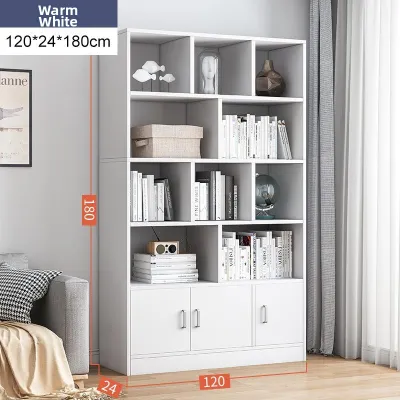
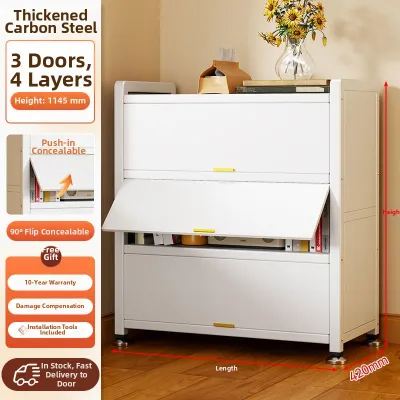
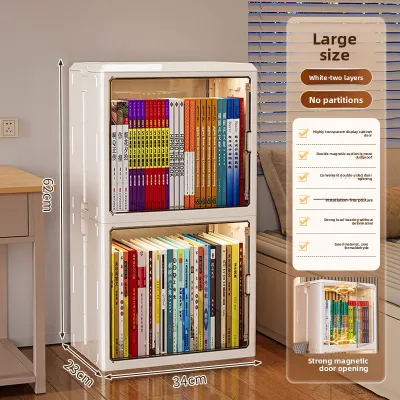
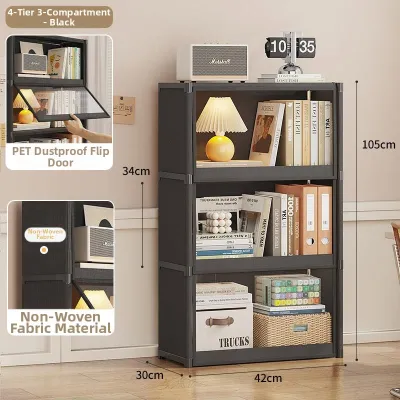
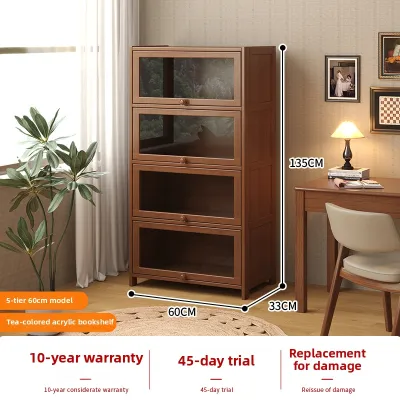
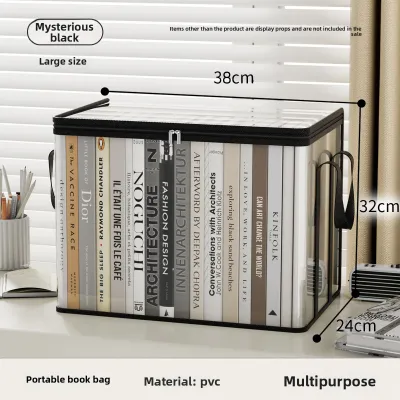
Prices are valid at publication and may change. Please refer to the product page for the latest price.
This combination of moisture and organic dust creates a thriving breeding ground for mold spores and silverfish. Over time, books left on open shelves develop “foxing,” which manifests as unsightly brown or yellowish spots on the paper caused by chemical reactions between fungal growth and metallic impurities in the paper. Additionally, high humidity can cause book glue to degrade, leading to detached covers and loose pages.
While open shelving remains popular for frequently accessed, easily replaceable items like daily planners or decorative accents, it is fundamentally unsuitable for long-term book preservation in tropical regions. Closed shelving, on the other hand, isolates books from fluctuating indoor airflow and airborne particulates. By utilizing shelves with cover designs, you establish a controlled microclimate that significantly slows down the aging process of paper, keeping your library intact for years.
An enclosed bookshelf serves as the primary line of defense. It prevents dust from settling directly on the top edges of book pages, which is where accumulation typically begins. By minimizing exposure to ambient air, you also drastically reduce the frequency of deep cleaning, sparing your delicate book spines from the wear and tear associated with constant dusting and wiping.
Key Features to Verify in Dust-Proof Bookshelves
To ensure a bookshelf actually delivers on its dust-proof promise, you must look beyond aesthetic appeal and evaluate specific structural details.

- Door Seals and Gaps: Inspect the physical interface where the doors meet the cabinet frame. Many standard cabinets leave gaps of several millimeters around the edges to prevent binding during opening. For effective dust protection, check for overlapping door lips, magnetic catches that pull the doors flush against the frame, or integrated weatherstripping. If gaps are visible, verify whether you can easily apply aftermarket adhesive felt or rubber gasket strips to seal the perimeter.
- Material Stability: In the humid Philippine climate, material stability is paramount. Standard untreated particleboard or medium-density fiberboard (MDF) can absorb airborne moisture, leading to swelling, sagging shelves, and warped doors that no longer close tightly. Rather than relying solely on generic material names, check the manufacturer's specifications for moisture-resistant coatings, melamine laminates, or water-resistant veneers on engineered wood. For metal frames, verify that the surface has a rust-proof powder-coated or galvanized treatment to prevent corrosion. Inspect the joints and seams for tight construction, and consult the manufacturer's care instructions to ensure the finish can withstand routine wiping without degrading.
- Ventilation vs. Sealing: While tight sealing is excellent for blocking dust, a completely airtight wooden cabinet can trap ambient moisture, creating a stagnant, humid microclimate that accelerates mold growth. Look for a balance: bookshelves with breathable backing panels (such as thin, unsealed hardboard) or those that allow a minute amount of natural air exchange. If you choose a highly sealed unit, plan to monitor the interior environment and perform periodic airing.
- Space, Clearance, and Safety: Before purchasing, measure your room layout carefully. For hinged doors, calculate the door swing radius to ensure they can open fully without striking nearby furniture, walls, or obstructing main walkways. If space is limited, sliding doors or vertical roll-up covers are highly efficient alternatives, though they require checking the track depth to ensure it does not reduce the usable depth of the shelves. Also, verify the finished external dimensions of the unit to guarantee it can pass through your home's doorways, hallways, and stairwells during delivery and assembly. Finally, verify the unit's stability and look for included wall-anchoring hardware, which is vital for preventing tip-over accidents, especially on uneven floors or during seismic activity.
Top Shelf Types with Doors for Tropical Environments
Selecting the right category of shelves with cover options depends on your aesthetic preferences, budget, and the specific preservation needs of your collection.
Glass-Door Wooden Bookcases
Traditional glass-front bookcases offer an elegant solution that combines visual display with reliable dust protection. These units allow you to view your entire collection, locate specific titles, and showcase decorative bookends without constantly opening the doors and exposing the contents to room dust. Broadly speaking, high-quality models in this category range from mid-tier prices to premium investments.
- Pros: Excellent visual accessibility; classic, warm aesthetic that elevates home offices or living rooms; solid wood or high-quality veneered frames provide exceptional structural stability and load capacity for heavy volumes.
- Cons: The wooden frames can warp or swell if the room experiences extreme humidity fluctuations, which may cause the glass panels to bind or the doors to misalign. Additionally, glass surfaces easily show fingerprints, smudges, and exterior dust, requiring regular cleaning with glass cleaner to maintain clarity.
- What to Verify: Examine the product specifications to ensure the unit uses tempered safety glass, which is more resistant to impact and breaks into small, blunt pieces if damaged. Check the manufacturer's care instructions regarding the wood finish—look for polyurethane coatings or moisture-resistant sealants that protect the frame from humidity-induced warping.
Metal Storage Cabinets with Solid Doors
For maximum protection, structural durability, and defense against pests, industrial-style steel or aluminum storage cabinets are highly effective choices. These units are particularly well-suited for archiving important documents, valuable textbooks, and collectibles that do not need to be on constant display.
- Pros: Provides an exceptional physical barrier against dust, moisture, and common household pests like silverfish, termites, and rodents. Metal shelves typically offer superior load capacity, preventing the sagging often seen in wooden shelves under the weight of heavy binders and encyclopedias.
- Cons: The utilitarian, industrial design may not match classic or cozy home decor styles. Additionally, metal cabinets are heavy, making them difficult to relocate, and assembly can be complex, often requiring specialized tools or professional installation.
- What to Verify: Inspect the door edges for rubber gasket seals or overlapping steel flanges that minimize air gaps. Always check that the metal has a high-quality powder-coated finish to prevent rust, especially if you live in coastal areas of the Philippines where salty air can accelerate corrosion.
Open Shelves with Add-On Acrylic or Fabric Covers
If you already own an open shelving unit and want to upgrade its dust-protection capabilities without buying entirely new furniture, retrofitting it with add-on covers is a highly flexible, budget-friendly route.
- Pros: Highly customizable to fit your existing furniture's unique dimensions; significantly lower cost compared to purchasing a brand-new enclosed bookcase; allows you to choose between clear acrylic panels for visibility or opaque fabric covers for a softer, hidden look.
- Cons: Fabric covers can attract and trap dust on their exterior surfaces, requiring regular washing or vacuuming. Acrylic add-ons, if not professionally cut and mounted, can look less integrated and may scratch easily over time if subjected to rough handling.
- What to Verify: If opting for acrylic, check the sheet thickness (at least 3mm is recommended for structural rigidity) and verify if the mounting hardware—such as magnetic strips, heavy-duty Velcro, or tension tracks—can secure the panel tightly without damaging the shelf frame. For fabric covers, look for machine-washable, tightly woven materials that do not shed fibers onto your books.
Comparing Door Mechanisms for Maximum Sealing
The mechanism used to open and close your shelves with cover options directly impacts both dust exclusion and daily usability.
- Hinged Doors: These are the most common and generally offer the tightest seal. When closed, the door rests flat against the cabinet frame, and when paired with magnetic catches or soft-close hinges, it creates a firm, consistent seal along the entire perimeter. The primary trade-off is the space required; you must leave clear floor space in front of the bookcase equal to the width of the doors to allow them to swing open comfortably.
- Sliding Doors: Ideal for compact rooms, hallways, or tight home offices, sliding doors move horizontally within tracks, requiring zero clearance space in front of the unit. However, because the doors must bypass one another, a gap always exists at the center overlap, as well as along the top and bottom tracks. To mitigate dust entry, look for sliding door systems equipped with integrated brush seals (weatherstripping) or overlapping baffles that block air currents.
- Flip-Up or Drop-Down Doors: Often found in modular or Scandinavian-style shelving units, these doors lift upward or drop downward, nesting parallel to the shelf above or below. They offer a sleek, modern look and excellent access to the shelf contents. When evaluating these, check the durability and weight rating of the hydraulic hinges or stay arms, and ensure that the door sits completely flush against the frame when closed to prevent dust from settling on top of the books.
- Maintenance Note: Keep in mind that sliding door tracks naturally collect dust, pet hair, and debris over time, which can grind against the rollers and compromise the seal; they require regular vacuuming with a crevice tool. Hinged doors, conversely, require very little track maintenance and only need occasional wiping of the frame edges and hinges to ensure smooth operation.
Maintenance Tips for Books Inside Covered Shelves
While enclosing your books inside shelves with cover systems dramatically reduces dust, maintaining a stable internal environment is crucial for long-term preservation in tropical climates.
- Routine Exterior Care: When cleaning your room, always wipe down the exterior of the bookcase and the door tracks first using a slightly damp microfiber cloth. This prevents accumulated dust from being swept into the interior cabinet when you open the doors to retrieve a book. Avoid using dripping wet cloths, as excess water can seep into joints and damage the finish.
- Internal Climate Monitoring: Because the Philippine climate is naturally humid, sealing books inside a cabinet can trap moisture. Place a small, inexpensive digital hygrometer on one of the middle shelves to monitor the relative humidity. Ideally, indoor relative humidity for book preservation should hover between 50% and 65%. If the reading consistently exceeds 70%, take active steps to reduce moisture.
- Moisture Control: To combat excess humidity inside the cabinet, place silica gel packets, activated charcoal bags, or commercial calcium chloride moisture absorbers on the bottom shelf. Ensure these absorbers do not directly touch the books or the shelf surface, as leaking chemical liquids or intense localized drying can warp paper and damage wood finishes. Replace or regenerate these absorbers regularly according to the manufacturer's instructions.
- Periodic Airing: On dry, sunny days when indoor humidity is relatively low (such as during dry afternoon hours), open the bookcase doors fully for a few hours. This allows stagnant air to circulate, prevents musty odors from developing, and helps equalize the internal moisture levels. You can also run a room dehumidifier or an air conditioner nearby during these airing periods to optimize the drying process.
Frequently Asked Questions (FAQ)
Can I add doors to my existing open bookshelf?
Yes, you can retrofit doors onto many open bookshelves, but success depends heavily on the shelf’s construction material and structural integrity. If your bookshelf is made of thin particleboard or hollow-core engineered wood, it may not have the structural density to hold the screws of heavy hinged doors, which can tear out over time. For lightweight shelves, a safer alternative is to install lightweight acrylic panels using magnetic tape, or to mount a tension rod with a tightly woven fabric curtain. Always check the manufacturer’s guide before drilling into any furniture frame to avoid compromising its load-bearing capacity.
Do glass doors protect books from UV fading?
Standard clear glass doors offer excellent dust protection but provide very limited defense against ultraviolet (UV) radiation. While standard glass blocks most UVB rays, it allows UVA rays—the primary cause of paper yellowing and ink fading—to pass through easily. If your bookcase is positioned near a window or receives direct sunlight, check the manufacturer’s specifications to see if the glass has built-in UV-filtering properties. Alternatively, you can purchase and apply a clear, self-adhesive UV-blocking window film directly to the inside of the glass doors to protect your collection from sun damage.
Community discussion
Share your experience or ask a question. Comments are reviewed before publication.