
Stepping into a Filipino home almost always begins with a familiar ritual: removing your outdoor shoes at the threshold and slipping into a comfortable pair of indoor slippers, or tsinelas. Because of this daily practice, managing footwear clutter is a constant challenge for many households. Finding the ideal lalagyan ng sapatos at tsinelas is not just about keeping the entryway tidy; it is also about protecting your footwear investment from the tropical climate, maximizing limited floor space, and maintaining a hygienic living environment.
The best storage setup typically combines multiple solutions rather than relying on a single organizer. Daily-use slippers and school or work shoes require quick, highly ventilated access near the door, while formal footwear and seasonal items need protective, enclosed spaces to shield them from dust and humidity. By matching the specific needs of your footwear collection with the spatial realities of your home, you can create an organized system that keeps every pair clean, dry, and easy to find.
How to Choose the Right Storage for Your Footwear
Selecting the right lalagyan ng sapatos at tsinelas requires a clear understanding of your household’s daily habits and physical space. Before purchasing any storage unit, measure the exact dimensions of your intended location, including the width, depth, and height. Pay close attention to door clearances; a shoe cabinet that is too deep can block the main door from opening fully or obstruct narrow hallways, creating safety hazards during daily movement or emergencies.
Products mentioned in this guide
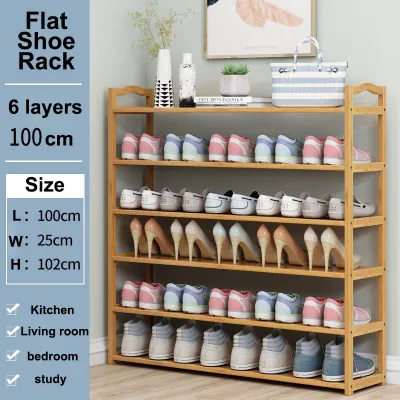
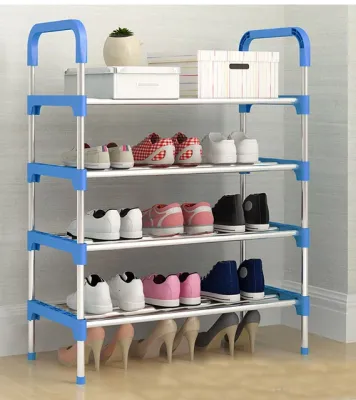
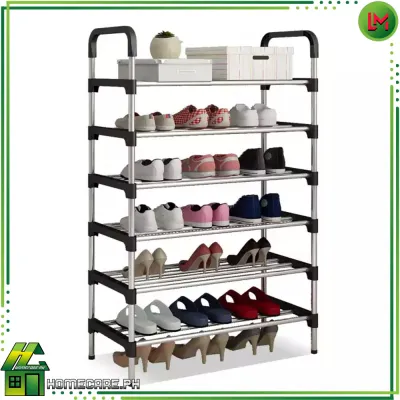
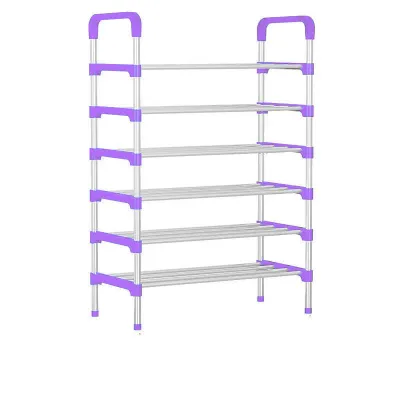
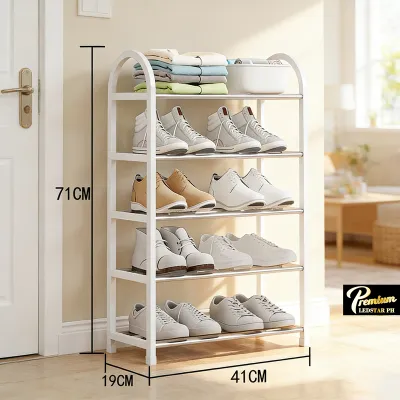
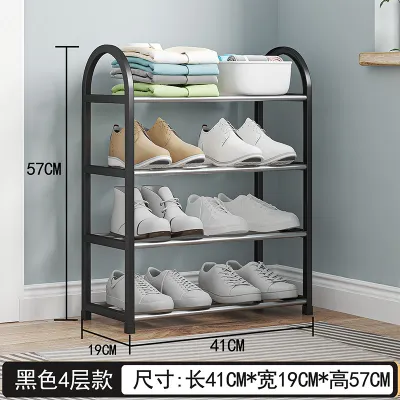
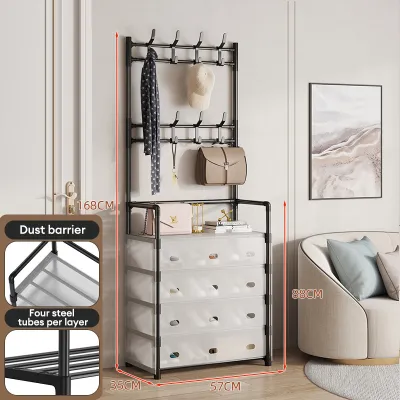
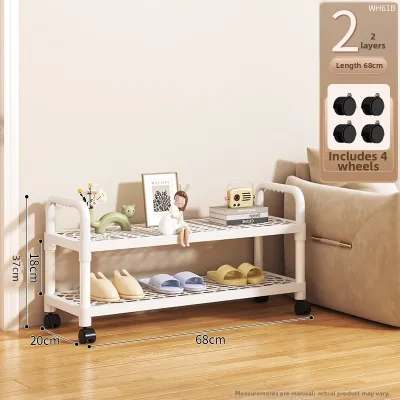
Prices are valid at publication and may change. Please refer to the product page for the latest price.
You must also evaluate the volume and specific types of footwear your family owns. Heavy, bulky items like leather work shoes, athletic sneakers, and high heels require rigid shelves with generous vertical clearance and high weight capacities. Conversely, flat rubber tsinelas, sandals, and canvas slip-ons take up very little vertical space and can be stored in much tighter configurations, such as hanging pockets or closely spaced tiers.
Given the tropical climate of the Philippines, material durability is a critical factor in your decision. High humidity, seasonal rains, and wet footwear can quickly damage poorly made storage units. Instead of assuming a material is inherently waterproof, check the manufacturer’s label for specific finishes, such as rust-resistant powder coatings on metal frames or moisture-resistant sealants on engineered wood or bamboo. If you plan to place the storage unit on an outdoor veranda or dirty kitchen, ensure it is rated for outdoor exposure to prevent premature warping, cracking, or rusting.
Finally, balance the need for ventilation against the need for dust protection. Footwear worn daily absorbs sweat and rainwater, requiring open-air storage with excellent ventilation to dry out and prevent bacterial growth. On the other hand, formal shoes, leather heels, and collectible sneakers that are worn only occasionally need protection from dust, pests, and ambient humidity. These items are better suited for enclosed organizers, provided they are completely dry before being stored away.
Top Shoe and Slipper Storage Solutions by Type
To build an efficient storage system, it helps to understand the distinct advantages and limitations of each product category. Depending on where you plan to place your footwear and how often you wear each pair, you can mix and match these common storage types to suit your home.

Freestanding Shoe Racks and Shelves
Freestanding shoe racks and open shelves are the most common solutions for high-traffic areas like entryways, covered porches, garages, and dirty kitchens. Because they feature an open design, they provide maximum air circulation, which is essential for drying out damp tsinelas and daily-wear sneakers after a sudden afternoon downpour. This open structure also makes it incredibly easy for family members and guests to slip off their outdoor shoes and grab their indoor slippers immediately upon entering the house.
However, freestanding racks do have notable limitations. Because they sit directly on the floor, they consume valuable floor space, which can make narrow entryways feel cramped if the unit’s depth is not chosen carefully. They also offer zero protection against dust, pet hair, or pests, meaning shoes left on these racks for extended periods will require frequent cleaning. Additionally, open racks can look visually cluttered if they are overfilled or if shoes are thrown onto them carelessly.
When shopping for a freestanding rack, always verify the manufacturer’s specified weight capacity and check the stability of the base. Look for models with adjustable shelf heights so you can customize the spacing to fit both tall boots and flat slippers. If you have tiled floors, which are common in many local homes, ensure the rack has non-slip feet or adjustable levelers to prevent wobbling on slightly uneven surfaces.
Stackable Shoe Boxes and Clear Bins
For bedroom closets, dedicated storage rooms, or display corners, stackable shoe boxes and clear plastic bins offer an excellent way to organize and protect your footwear. These enclosed containers are highly effective at shielding your shoes from dust, dirt, and common household pests like cockroaches or ants. Clear front panels or drop-down doors allow you to identify each pair instantly without having to unstack multiple boxes, saving you time when rushing to get ready in the morning.
Despite their protective benefits, stackable boxes require a dedicated flat surface, such as a closet shelf, a bedroom floor corner, or a sturdy tabletop. They also offer very limited ventilation compared to open racks. If you store shoes that are even slightly damp from sweat or rain inside an airtight plastic box, you risk trapping moisture, which quickly leads to foul odors, mold growth, and the deterioration of shoe glues and synthetic materials.
To use stackable boxes safely, always ensure your shoes are 100% dry before placing them inside. Look for boxes that feature built-in ventilation holes on the back or side panels to allow minimal air exchange. When stacking units, strictly follow the manufacturer’s guidelines regarding the maximum stacking height to prevent the column from tipping over, and ensure the interlocking tabs on each box are securely engaged.
Under-Bed and Over-Door Organizers
If you live in a compact condominium, a studio apartment, or a shared dormitory, maximizing unused vertical and hidden space is essential. Over-door organizers and under-bed storage bins are designed specifically for these space-constrained environments. Over-door units typically feature fabric or plastic pockets that hang from the top of a standard door, making them incredibly convenient for storing lightweight tsinelas, flat sandals, flip-flops, and children’s shoes completely off the floor.
Under-bed organizers, which often consist of fabric zippered cases with clear plastic tops, utilize the large, flat area beneath your bed frame. These are ideal for storing seasonal footwear, formal dress shoes, or travel boots that you do not need to access on a daily basis. By keeping these items tucked away, you free up prime entryway and closet space for your daily essentials.
Before purchasing these space-saving options, careful measurements are mandatory. For under-bed storage, measure the vertical clearance between the floor and the bottom of your bed frame, taking into account any center support legs or low-hanging wooden slats. For over-door units, check that the hanging brackets are thin enough to allow your door to close smoothly without damaging the door frame, and ensure your door hinges are sturdy enough to support the combined weight of the organizer and your footwear.
Closet Insert Systems and Hanging Storage Bags
Closet insert systems and hanging storage bags are integrated wardrobe solutions designed to keep bedroom floors clear of shoe clutter. Hanging fabric organizers feature multiple vertical tiers and attach directly to your closet rod using heavy-duty hook-and-loop straps. This setup allows you to utilize the vertical space directly beneath your hanging clothes, keeping your shoes organized, visible, and off the closet floor.
Modular closet inserts, such as small wooden or plastic shelving units, can be placed inside existing wardrobes to subdivide large, inefficient shelves into smaller compartments. This prevents shoes from being piled on top of one another, which can scuff delicate materials and make it difficult to find matching pairs. These systems are highly customizable, allowing you to adapt your closet layout as your footwear collection grows.
However, these integrated systems require adequate closet depth to ensure that the wardrobe doors can close fully without crushing your shoes. Furthermore, hanging organizers place a significant amount of concentrated weight on your closet rod. Before installation, check the load capacity of your closet rod and its wall mounts. Avoid overloading hanging fabric bags with heavy leather boots or thick-soled sneakers; instead, reserve these vertical fabric compartments for lightweight running shoes, flats, and tsinelas.
Quick Comparison of Storage Types
To help you decide which storage method best fits your household’s layout and footwear habits, use the comparison table below to evaluate the key structural differences and ideal use cases for each type.
| Storage Type | Best Use Case | Space Footprint | Ventilation Level | Dust Protection |
|---|---|---|---|---|
| Freestanding Racks | Entryways, covered porches, and daily-use footwear | Medium to High (occupies floor space) | High (open-air design) | None |
| Stackable Boxes | Bedroom closets, display walls, and premium shoes | Medium (requires flat surface or shelf) | Low (requires dry shoes) | High (fully enclosed) |
| Over-Door / Under-Bed | Compact apartments, dorms, and flat slippers | Low (utilizes unused vertical or hidden space) | Medium (fabric options allow some airflow) | Medium to High (zippered units protect well) |
| Closet Inserts / Hanging | Wardrobes, bedroom closets, and lightweight shoes | Low (utilizes existing closet space) | Medium (open-front fabric or wood) | Medium (shielded inside closet doors) |
Maintenance and Care for Your Storage Units
To prolong the lifespan of your storage units and maintain a hygienic home environment, establish a regular cleaning and maintenance routine. For hard-surfaced storage units made of plastic, metal, or finished wood, wipe down the shelves at least once a month using a soft microfiber cloth. If the manufacturer’s care label allows, use a mild soap solution to remove accumulated dirt, mud, or street grime, and dry the surfaces immediately with a clean towel to prevent water spots or material degradation.
For fabric organizers, such as hanging closet bags or under-bed storage cases, check the care label for specific washing instructions. Many fabric units cannot be machine washed and must be spot-cleaned with a damp cloth and a gentle fabric cleaner. Allow fabric organizers to air dry completely in a well-ventilated area away from direct sunlight before placing shoes back inside, as damp fabric can quickly become a breeding ground for mold and mildew.
Managing moisture is the single most important factor in preserving both your storage units and your footwear. Never place wet or sweaty shoes directly into enclosed storage boxes or fabric organizers. Let your footwear air out in a well-ventilated space for several hours after wearing. If you live in a particularly humid area, you can place silica gel packets or manufacturer-approved moisture-absorbing sachets inside enclosed shoe boxes. Monitor these desiccants regularly and replace them according to the product instructions once they become saturated.
Finally, perform periodic structural checks on your storage furniture. Inspect all joints, screws, wall anchors, and hanging hooks to ensure nothing has loosened over time. Check metal components for any early signs of rust, especially if the unit is located near an entryway or outdoor area. If you notice any significant wobbling, fraying straps, or cracked joints, stop using the unit immediately. Consult the manufacturer’s instructions or contact a professional repair service to restore the unit’s structural integrity before reloading it with heavy footwear.
Frequently Asked Questions (FAQ)
How do I prevent mold on my shoe racks in a humid climate?
Preventing mold in a humid tropical climate requires active environmental control and proper footwear habits. Always place your shoe racks in areas with consistent airflow, such as near open windows, well-ventilated hallways, or rooms with active ceiling fans; avoid placing them in dark, damp, unventilated corners or closed closets. Never store shoes immediately after wearing them; let them air out and dry completely for at least 24 hours to ensure all sweat and outdoor moisture have evaporated. Additionally, check your shoe rack’s care instructions for approved cleaning methods, and consider wiping down the shelves periodically with a mild disinfectant or a diluted vinegar solution if recommended by the manufacturer for mold prevention.
What is the best way to store multiple pairs of flat tsinelas?
The most efficient way to store multiple pairs of flat tsinelas is to utilize vertical storage solutions that keep them organized without consuming valuable floor or shelf space. Over-door hanging organizers with clear plastic or mesh pockets are ideal because they allow you to slide each pair of slippers into a single pocket, keeping them visible and easily accessible. You can also use tiered slanted shoe racks, which hold flat footwear securely at an angle, or dedicated wall-mounted slipper clips that grip the slippers by their straps. Stacking flat tsinelas on top of each other in standard, deep shoe boxes is not recommended, as it wastes vertical space, deforms the slipper straps, and makes it difficult to retrieve a specific pair without creating a mess.
Community discussion
Share your experience or ask a question. Comments are reviewed before publication.