
The ideal shoes holder for your closet is not a one-size-fits-all solution; the best choice depends entirely on your wardrobe’s physical layout, available space, and the specific types of footwear you own. If you are dealing with tight floor space or renting a home, a hanging organizer maximizes unused vertical space along closet rods or doors. For those with highly dynamic collections or open floor areas, a modular, stackable rack offers unmatched flexibility to adjust heights as your footwear needs evolve. Meanwhile, cubby storage systems provide a structured, premium, built-in aesthetic that isolates and protects delicate or high-value shoes from dust and friction. Choosing the right system requires balancing these structural designs against the unique spatial and environmental constraints of your home.
Evaluating these formats requires looking closely at how they interact with standard closet dimensions and your daily routine. By understanding the mechanical advantages and limitations of each style, you can design a highly functional storage system that keeps your footwear organized, accessible, and well-preserved.
Comparing the Three Shoe Holder Formats
To find the right system, it is helpful to break down how each shoes holder format operates, its material construction, and its practical limitations within a wardrobe.
Products mentioned in this guide
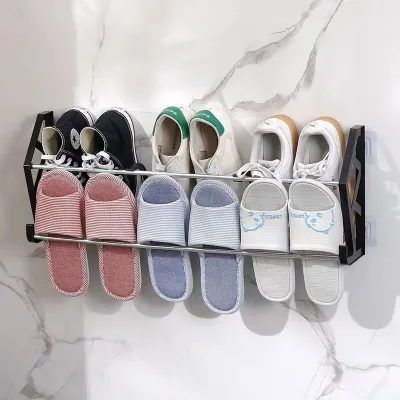
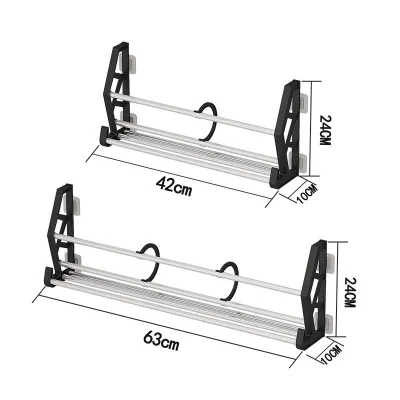
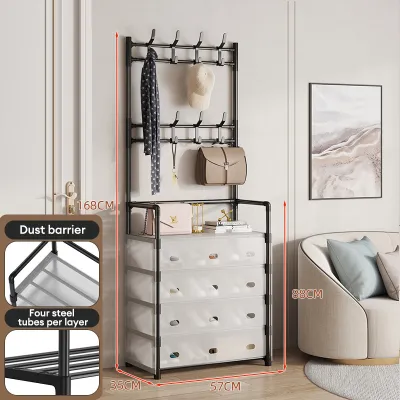
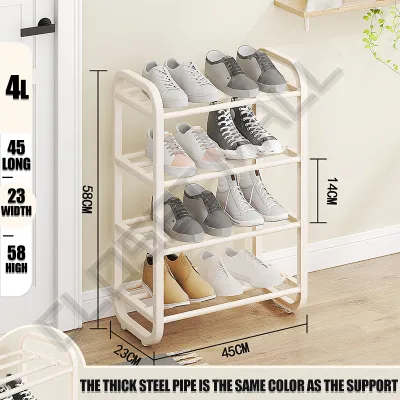
Prices are valid at publication and may change. Please refer to the product page for the latest price.
Hanging Shoe Organizers
Hanging shoe organizers utilize the vertical hanging space that is already built into your wardrobe. Typically suspended from a closet rod using heavy-duty hook-and-loop fasteners or integrated metal hooks, these organizers feature a series of fabric or plastic shelves stacked vertically. They can also be designed to hang over the back of a closet door, making them an exceptional option for reclaiming completely unused vertical zones.
- Structural Design: Usually constructed from lightweight materials such as canvas, non-woven fabric, or polyester mesh, reinforced with internal cardboard or plastic panels to keep the shelves flat.
- Primary Advantages: Extremely easy to install with zero tools required, highly portable, and keeps the closet floor completely clear for easy cleaning. They are also highly affordable and can be folded flat when not in use.
- Key Limitations: These organizers can sway or tilt when you pull shoes out, especially if the weight is unevenly distributed. Overfilling them can cause the fabric to stretch or the seams to tear over time. Additionally, they rely entirely on the load capacity of your closet rod, which can bend or fail if overloaded with heavy footwear.
- Best Shoe Types: Lightweight footwear such as canvas sneakers, flat sandals, slippers, flip-flops, and low-profile loafers.
Stackable Shoe Racks
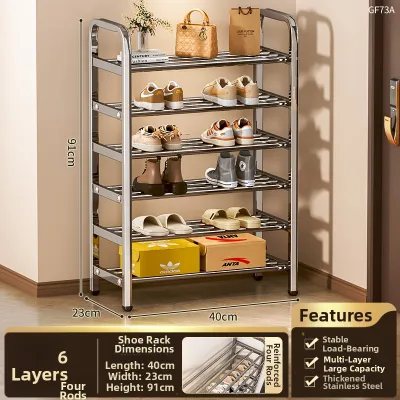
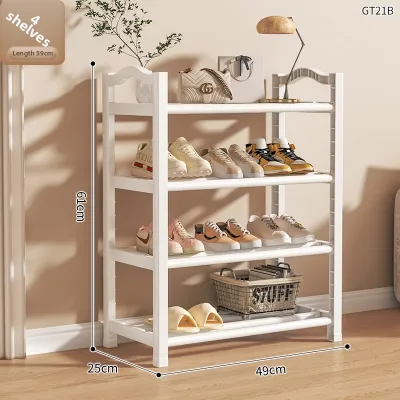
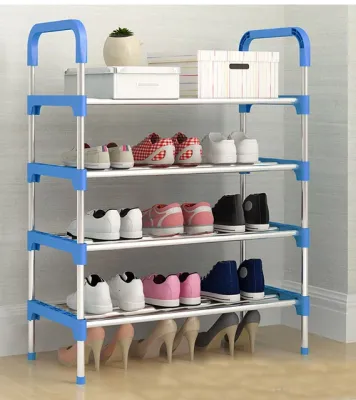
Stackable shoe racks are freestanding, modular units designed to sit on the floor of your closet, beneath hanging clothes, or in an entryway alcove. They feature multiple tiers—typically made of metal, wood, or durable plastic—that can be stacked vertically or expanded horizontally to fit the exact width of your floor space.
- Structural Design: Open-frame structures consisting of lateral supports and horizontal bars, mesh shelves, or solid slats.
- Primary Advantages: Outstanding modularity and customization. You can start with a simple two-tier rack and add more tiers as your collection grows, or remove a shelf entirely to accommodate taller footwear. The open design ensures maximum visibility and immediate access to your shoes.
- Key Limitations: They occupy valuable floor space, which can make the bottom of your closet feel cramped. Because they are completely open, any unaligned or messy shoes are fully visible, which can create visual clutter if not kept tidy. Flimsy plastic joints on cheaper models can also loosen over time, leading to a wobbly rack.
- Best Shoe Types: Everyday sneakers, running shoes, heavy work boots, and frequently worn pairs that require quick, convenient access.
Cubby Storage Systems
Cubby systems consist of rigid, grid-like compartments where each shoe (or pair of shoes) has its own dedicated slot. These can be freestanding wooden units, plastic modular interlocking cubes, or built-in shelving inserts that slide directly into your closet system.
- Structural Design: Rigid boxes made of engineered wood (MDF), solid wood, or molded hard plastic, divided into uniform square or rectangular compartments.
- Primary Advantages: Exceptional protection and organization. Because each shoe is isolated, there is no risk of heels scratching leather uppers or dirt transferring from one sole to another. They provide a highly structured, premium "boutique" look and can be fitted with doors or clear fronts to keep dust completely out.
- Key Limitations: Fixed dimensions are the main drawback. A standard cubby slot is designed for average-sized shoes; high heels, ankle boots, or oversized sneakers may not fit without being bent or forced, which can damage the footwear. They also require a larger initial investment, more assembly effort, and a significant physical footprint.
- Best Shoe Types: Delicate high heels, expensive leather dress shoes, designer sneakers, and curated footwear collections that require preservation.
Key Decision Factors for Closet Integration
Integrating a shoe storage system into your wardrobe requires analyzing several critical dimensions beyond basic aesthetics. You must match the physical properties of the holder to your home’s layout and environmental conditions.

Space and Layout Assessment
Start by measuring the physical dimensions of your closet. Take note of the height from the floor to your lowest hanging clothes, the depth of your shelves, and the remaining length of your closet rod. A hanging organizer requires at least 30 to 45 centimeters of horizontal rod space, which will reduce the room available for hanging garments.
Stackable racks require a flat, unobstructed floor footprint, typically demanding a depth of at least 30 centimeters so shoes do not protrude into the path of sliding closet doors. Cubbies require significant depth and are best suited for deep walk-in closets or lower shelf zones where their rigid frames can sit securely without tipping.
Ventilation and Moisture Control
In tropical, high-humidity environments like the Philippines, airflow is a critical factor in preventing mold, mildew, and dry rot. Closed cubbies can trap stagnant, humid air, creating an ideal breeding ground for fungal growth on leather and canvas shoes.
If you choose cubbies, look for designs with open backs or ventilation holes. Stackable racks and hanging fabric organizers offer superior natural airflow, allowing damp shoes to dry out more efficiently after a sudden tropical downpour or a humid day.
Weight and Structural Support
Footwear can be surprisingly heavy when aggregated. Before purchasing a hanging shoes holder, verify the weight limit of both the organizer and your closet rod. A standard wooden or metal closet rod can support significant weight, but tension rods or flimsy wire shelving can sag under the load of multiple pairs of heavy leather shoes.
For stackable racks, ensure the locking joints are secure and the base is wide enough to prevent tipping, especially if you plan to stack the rack more than three tiers high. Always check the manufacturer’s specifications for maximum load capacity before loading heavy work boots or thick-soled sneakers onto any shelf.
Installation and Renters vs. Owners
If you are renting a condo or apartment, you want to avoid permanent modifications. Hanging organizers and freestanding stackable racks are ideal because they require zero drilling, can be set up in minutes, and are easy to pack up when you move.
Built-in cubby systems, while beautiful, often require anchoring to the wall or closet frame to prevent tipping, making them more suitable for homeowners who are investing in a long-term wardrobe storage solution.
Shoe Holder Comparison Matrix
| Feature | Hanging Organizer | Stackable Rack | Cubby System |
|---|---|---|---|
| Primary Space Used | Closet Rod / Door | Closet Floor | Floor / Deep Shelf |
| Best Shoe Types | Lightweight Flats, Sandals | Sneakers, Boots, Everyday | Heels, Dress Shoes, Leather |
| Installation Effort | Very Low (No Tools) | Low (Simple Assembly) | Moderate to High |
| Airflow/Ventilation | Moderate to High | High | Low to Moderate |
| Ideal Closet Zone | Hanging Rod / Back of Door | Bottom Floor Zone | Lower Shelves / Walk-in |
| Portability | High | Moderate | Low |
How to Choose: The Decision Framework
To make your final decision, evaluate your storage goals and closet constraints against these clear, condition-based rules.
- Choose Hanging Organizers if:
- Your closet floor is already fully occupied by luggage, storage bins, or low drawers.
- You are a renter looking for a temporary, damage-free, and highly portable storage option.
- Your shoe collection consists primarily of lightweight footwear like sandals, flats, and canvas slip-ons.
- You have at least 40 centimeters of unused hanging space on your closet rod or an empty closet door.
- Choose Stackable Racks if:
- You have open floor space beneath your hanging clothes and want to maximize it.
- Your footwear collection changes frequently, requiring a modular system that can expand or contract.
- You need quick, daily access to your shoes and prefer an open design that promotes excellent ventilation.
- You own a mix of low-profile shoes and tall boots that require adjustable shelf heights.
- Choose Cubbies if:
- You want to create a clean, premium, and highly organized aesthetic inside a walk-in or spacious reach-in closet.
- You own delicate, high-value, or structured shoes that need to be protected from dust, scuffs, and crushing.
- You have deep shelves or a dedicated floor alcove that can safely accommodate a rigid, heavy unit.
- You are willing to spend more time on installation and assembly for a permanent storage solution.
- Verify First if:
- Your closet rod is securely anchored and rated to support the weight of a fully loaded hanging organizer.
- Your closet floor or shelf surface is perfectly level to prevent freestanding stackable racks or cubby units from wobbling or tipping over.
Maintenance and Care in Humid Environments
Proper maintenance of your shoes holder and the footwear stored inside it is essential, particularly in warm, humid climates where mold can ruin organic materials like leather and suede. Before applying any cleaning products or moisture absorbers, always check the applied product’s label and your shoe manufacturer’s care instructions.
- Prioritize Air Drying: Never place damp or sweaty shoes directly into any storage system, especially enclosed cubbies. After wearing your shoes, let them air dry in a well-ventilated room for at least 12 to 24 hours before putting them away.
- Use Active Moisture Absorbers: Place silica gel packets, activated charcoal bags, or small dehumidifier tubs inside your closet. For cubbies, placing a small moisture-absorbing sachet in each individual compartment can significantly reduce the risk of mold growth.
- Conduct Routine Structural Checks: Periodically inspect the hanging straps or hooks of your hanging organizer for signs of fraying or seam separation. For stackable racks, check that the joints remain tight and push them back into place if they have loosened.
- Clean According to Material Care Instructions: Wipe down your shoe holders regularly to remove dust and mold spores. For wooden cubbies, use a dry or slightly damp microfiber cloth; avoid soaking the wood. For fabric hanging organizers, vacuum the compartments with a brush attachment and spot-clean with a mild detergent solution, ensuring the fabric is completely dry before returning your shoes. Always test any cleaning method on a small, hidden area of the shoe holder first to verify material compatibility.
Frequently Asked Questions (FAQ)
Can I mix different shoe holders in the same closet?
Yes, combining different storage formats is often the most efficient way to organize a diverse shoe collection. For example, you can place a low stackable rack on the closet floor for your everyday sneakers and running shoes, hang a fabric organizer on the closet rod for lightweight sandals and slippers, and reserve a few premium cubby slots on an upper shelf for your delicate heels or leather dress shoes. This hybrid approach allows you to match each pair of shoes to its ideal storage environment while fully optimizing every square inch of your wardrobe.
How do I prevent shoes from smelling in enclosed cubbies?
To prevent unpleasant odors from building up in cubbies, only store shoes that are clean and thoroughly dry. Avoid using completely sealed plastic boxes; instead, opt for open-front cubbies or those with breathable fabric bins. You can also place cedar blocks, baking soda sachets, or activated bamboo charcoal bags inside the compartments to naturally absorb moisture and neutralize odors. Regularly leaving your closet doors open during dry days will also promote air circulation and keep the storage environment fresh.
Community discussion
Share your experience or ask a question. Comments are reviewed before publication.