
Finding the best shoe organizer for a small closet depends entirely on which part of your closet is currently underutilized. If you have open floor space beneath short-hanging clothes, low-profile stackable shelves or cubbies will maximize that footprint. For closets with unused vertical space but limited floor area, a heavy-duty hanging organizer suspended from the closet rod or an over-the-door rack offers the most efficient storage solution. Ultimately, the ideal system is one that matches your specific closet dimensions, accommodates your footwear collection without crowding your clothes, and withstands local climate conditions, such as high humidity.
Assessing Your Small Closet Dimensions and Constraints
Before purchasing any storage system, you must take precise measurements of your closet’s interior. Use a metal measuring tape to record the exact width, depth, and height of the usable space. Do not rely on visual estimates, as even a small discrepancy can prevent a rigid organizer from fitting. Be sure to measure the bottom of the closet separately, taking into account any baseboards, trim, or floor molding that might reduce the actual floor width.
Next, evaluate the door mechanics and clearance zones. If your closet has hinged doors, measure the swing trajectory to ensure that an over-the-door rack or a floor unit will not block the door from opening or closing fully. For sliding or folding doors, check the overlap areas where the doors stack, as these spots often restrict access to the outer edges of the closet. You must also measure the distance between the door frame and the closed door panel to verify if there is enough clearance for over-the-door hooks.
Products mentioned in this guide
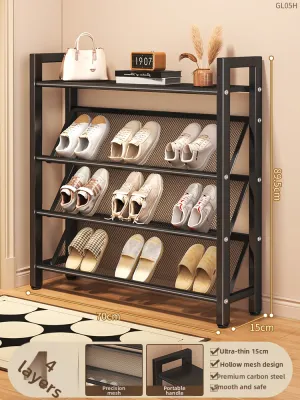
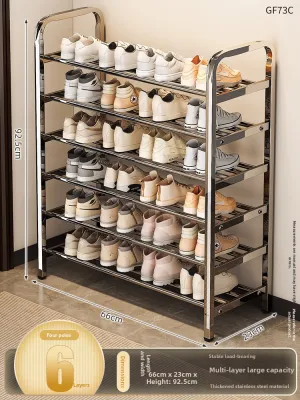
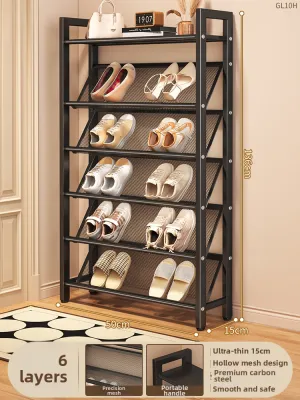
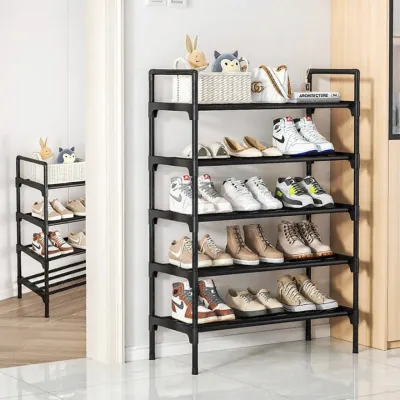
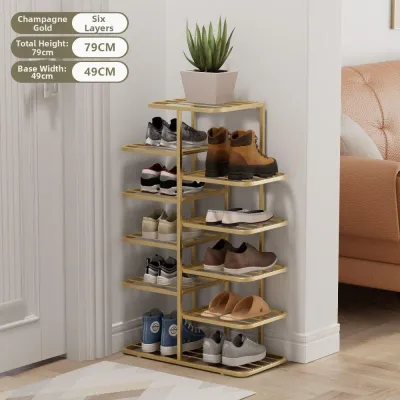
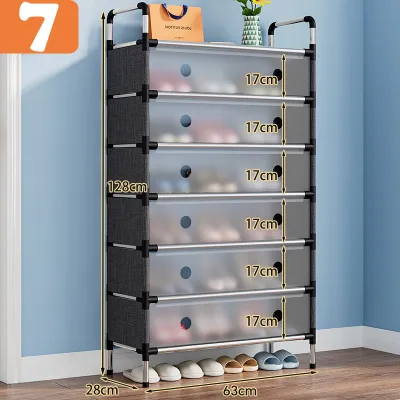
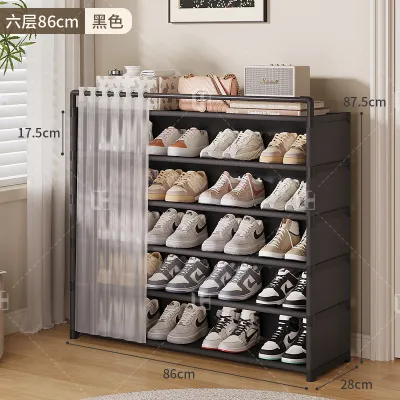
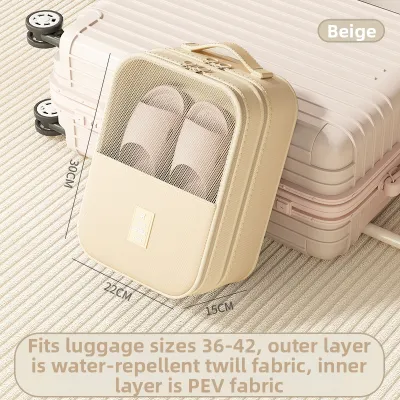
Prices are valid at publication and may change. Please refer to the product page for the latest price.
Finally, identify any permanent structural obstacles inside the closet. Note the height of the existing hanging rod and the distance from the rod to the floor, which determines how much vertical space is available for hanging bags or under-rod shelves. Measure the thickness of any built-in wooden shelves, and look out for light fixtures, outlets, or protruding hardware that could interfere with tall organizers.
Comparing Shoe Organizer Styles for Limited Spaces
Each shoe organizer style has distinct spatial advantages and physical limitations that dictate how well it performs in a tight closet.

Stackable shelves and cubbies are excellent for utilizing the closet floor, but they require careful stability checks. When stacking multiple units, the bottom tier must bear the weight of the entire structure, so look for models with interlocking joints or dowels. Check the manufacturer’s specified weight limits to ensure the shelves will not sag under heavy footwear. In humid climates, open-slat wooden or plastic shelves are preferable to solid cubbies, as they allow air to circulate and prevent moisture buildup.
Hanging organizers utilize the vertical space directly on your closet rod, making them ideal if you have extra hanging length but no floor space. However, a fully loaded hanging shoe bag can add significant weight to your closet rod. Before installing one, verify that your closet rod is securely anchored. Keep in mind that wide hanging organizers can compress adjacent hanging garments, leading to wrinkled clothes and restricted airflow, which can trap humidity in enclosed wardrobes.
Over-the-door racks turn unused door surfaces into valuable storage real estate, but they demand strict clearance checks. You must measure the gap at the top of the door frame; if the gap is too narrow, the metal brackets will scrape the frame and prevent the door from latching. Additionally, heavy shoe loads can strain door hinges over time, causing the door to sag. To protect your door’s finish, look for racks with padded backing that prevent scratching when the door is moved.
Under-hanging shelves and tension rod solutions are creative ways to reclaim the dead space below short-hanging clothes. Tension rods can be wedged between the side walls of the closet to create custom shoe ledges, but their stability depends entirely on the wall material. Drywall may flex under the pressure of a tensioned rod, so these are best suited for solid wood or concrete walls. Always check the height clearance of your shoes to ensure they can slide easily onto the rods without getting caught on the hemlines of your hanging clothes.
Matching Organizer Types to Your Shoe Collection
An organizer is only effective if it actually fits your specific footwear. Before choosing a style, sort your shoes by height, width, and depth. Sandals, slippers, and canvas sneakers require very little vertical clearance and fit easily into tight cubbies. Conversely, bulky athletic shoes, high heels, and ankle boots need taller, wider compartments to avoid being crushed or deformed.
If your collection includes a mix of different shoe styles, look for organizers with adjustable shelves or flexible fabric pockets. Fixed-dimension plastic cubbies or rigid wire grids often fail to accommodate larger shoe sizes or high-top sneakers, leaving you with unused compartments. Fabric hanging organizers with flexible side pockets can stretch slightly to accommodate wider shoes, but they may sag if overloaded with heavy leather boots.
You should also plan your storage layout based on how often you wear each pair. Place daily footwear, such as school shoes or work flats, in the most accessible zones—typically at waist height or on a mid-level shelf. Seasonal footwear, formal shoes, or occasional heels can be placed on the lowest shelves or stored in protective boxes on the top closet shelf to keep them free from dust and moisture.
Installation, Safety, and Clearance Checks
Ensuring a safe and secure installation is crucial, especially in compact closets where items are frequently moved. If you choose an organizer that requires mounting, check the closet’s construction materials. Wardrobes made of thin particleboard cannot support heavy screws; for these, drill-free tension systems or lightweight hanging organizers are much safer. If you are mounting a heavy rack to solid wood or concrete walls, use the appropriate wall anchors and screws to prevent the unit from pulling away from the wall.
For tall, freestanding stackable units, anti-tip hardware is highly recommended to prevent accidental tipping. Even a three-tier shelf can become unstable if heavy shoes are placed on the top racks while the bottom shelves remain empty. Always distribute the weight evenly, placing your heaviest shoes, such as boots and thick-soled sneakers, on the bottom shelves to lower the center of gravity.
Finally, confirm that your chosen setup allows for comfortable physical clearance. When shoes are stored, there should be enough space around each pair to allow your hand to reach in, grip the shoe, and pull it out without scraping your knuckles against the shelves or adjacent walls. If you have to squeeze your hand into a tight gap every time you retrieve your shoes, the system will quickly become frustrating to use.
Common Space-Matching Mistakes to Avoid
One of the most common mistakes is ignoring the door swing path when placing a floor-standing shoe rack. A rack placed too close to the opening can prevent the door from closing completely or force you to stand awkwardly to access your shoes. Always leave a clear buffer zone around the door hinges and latch area.
Another frequent error is overestimating the load-bearing capacity of standard closet rods. Hanging fabric organizers are lightweight, but filling them with heavy shoes can add significant weight. If your closet rod is made of thin metal or plastic, or if it lacks a center support bracket, it may bend or collapse under the concentrated load.
Lastly, avoid purchasing rigid, fixed-dimension organizers without leaving adequate clearance for shoe retrieval. Many homeowners buy plastic shoe boxes or wire grids that fit perfectly inside the closet dimensions on paper, but they forget to account for the space needed to open the box lids or slide the drawers out. Always ensure there is enough clearance in front of the organizer to fully access its contents.
Frequently Asked Questions (FAQ)
How do I keep shoes from smelling in a small, enclosed closet?
To manage odors in a confined closet, ensure your shoes are completely dry and clean before storing them. In humid environments, moisture can trap bacteria and cause mold, so avoid putting away shoes immediately after wearing them in the rain or during hot days. Use breathable storage materials like open wire shelves or canvas pockets rather than sealed plastic containers. You can also place natural moisture absorbers, such as charcoal deodorizer bags, baking soda sachets, or silica gel packets, inside the closet to absorb excess humidity and neutralize odors.
Can I use clear plastic bins instead of fabric organizers?
Clear plastic bins offer excellent visibility and protect shoes from dust, but they have distinct trade-offs compared to fabric organizers in tight spaces. Rigid plastic bins cannot compress, meaning they occupy a fixed amount of space regardless of whether they are full or empty, which can limit your layout options in a small closet. Additionally, plastic traps moisture, making it essential to ensure shoes are completely dry before storage to prevent mold growth. Fabric organizers, on the other hand, are breathable and can flex slightly to fit into tight corners, though they offer less structural protection for delicate footwear.
Community discussion
Share your experience or ask a question. Comments are reviewed before publication.